
FDA Staff Report Finds No Major Safety Concerns With Galleri Multicancer Blood Test
Briefing documents released ahead of an upcoming advisory committee meeting indicate the FDA has not identified significant safety or accuracy issues with Grail's multi-cancer early detection test.
By Aylin Aksoy

How this story has developed
This report is part of a developing story — read the earlier chapters below.
- FDA Schedules Advisory Committee Review for Galleri Multi-Cancer Early Detection Blood Test
- FDA Staff Report Finds No Major Safety Concerns With Galleri Multicancer Blood Test (this article)
- Regulatory Reviewers
- Focuses on the data-driven assessment of safety and efficacy, emphasizing the complementary role of the test in clinical practice.
- Financial Markets
- Focuses on the commercial viability of the diagnostic and the market reaction to the cleared regulatory path.
- Patient Advocates
- Focuses on the practical integration of the test into patient care and the potential to catch rare cancers early.
Perspectives this story doesn't cover
- Primary Care Physicians
- Health Insurance Providers
Why it matters
A favorable staff review clears a major regulatory hurdle for the first blood test capable of screening for more than 50 types of cancer simultaneously, bringing a potentially transformative diagnostic tool closer to clinical availability.
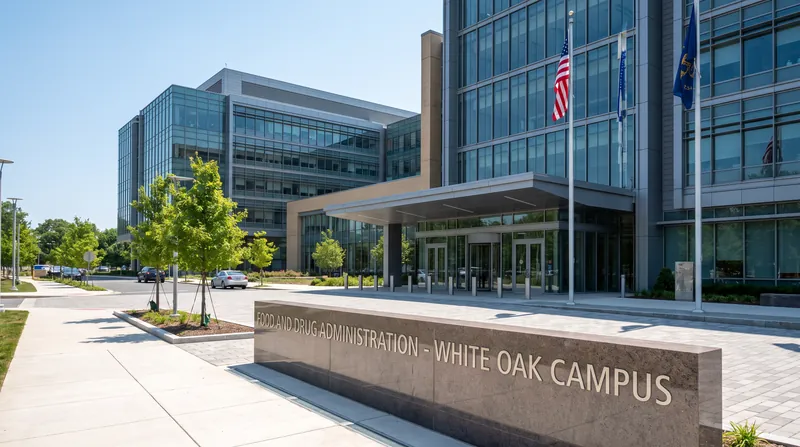
The Food and Drug Administration's Medical Devices Advisory Committee will soon vote on whether to recommend market authorization for the Galleri multi-cancer early detection test, a decision that will shape the agency's final ruling on the diagnostic. Ahead of that meeting, FDA reviewers released a briefing document on September 21, 2026, concluding that the agency's staff found "no major concerns" with the blood test developed by Grail.[1][3][4]
The Galleri test analyzes cell-free DNA in a single blood draw to identify methylation patterns associated with more than 50 types of cancer, many of which currently lack standard screening protocols. By detecting these epigenetic signatures, the diagnostic aims to identify malignancies before symptoms appear, potentially catching aggressive cancers at earlier, more treatable stages.[2][7]
In the executive summary, FDA reviewers noted that the clinical validation data submitted by Grail demonstrated a high specificity, meaning the test produces a low rate of false positives. The staff report confirmed that the accuracy metrics align with the manufacturer's claims, clearing a significant hurdle that often derails novel diagnostic tools during the regulatory review process.[1][4][5]
The release of the favorable briefing documents triggered an immediate market reaction, with Grail's stock price surging 34% in early trading on September 22, 2026. Investors interpreted the lack of red flags from FDA staff as a strong indicator that the advisory committee will ultimately recommend the test for broad clinical use.[3][6]
The release of the favorable briefing documents triggered an immediate market reaction, with Grail's stock price surging 34% in early trading on September 22, 2026.
If authorized, Galleri is intended to be used alongside, rather than instead of, existing standard-of-care screening methods such as mammography, colonoscopy, and cervical cytology. The FDA staff emphasized this complementary role in their review, noting that the test's safety profile is acceptable provided it does not deter patients from undergoing established, guideline-recommended screenings.[1][2]
A central question for the upcoming advisory committee meeting will be how to manage the clinical workflow when a patient receives a positive Galleri result but subsequent imaging cannot locate a tumor. The FDA briefing documents acknowledged this challenge but did not classify it as a disqualifying safety risk, instead suggesting that post-market surveillance and clear clinician guidelines could mitigate the psychological and financial burden of unconfirmed positive signals.[1][5]
The regulatory submission relies heavily on data from clinical validation cohorts that tracked thousands of patients to measure the test's positive predictive value. The FDA staff review found the trial designs and statistical analyses to be sound, validating Grail's approach to quantifying the test's ability to accurately predict the tissue of origin for detected cancers.[1][2][3]
The advisory committee will now weigh this staff assessment alongside independent expert testimony and public comments. While the FDA is not bound by the advisory committee's upcoming vote, it typically follows the panel's recommendations when making its final authorization decisions, setting the stage for a potential commercial rollout later in 2026 or early 2027.[1][2][6]
What to know
- FDA staff released briefing documents finding no major safety or efficacy concerns with the Galleri multi-cancer early detection test.
- The test analyzes cell-free DNA from a single blood draw to detect more than 50 types of cancer.
- Grail's stock price surged 34% following the release of the favorable FDA staff report.
- The Medical Devices Advisory Committee will soon vote on whether to recommend the test for market authorization.
Sources
Source coverage
7 outlets
3 viewpoints surfaced







- [1]FDARegulatory Reviewers
FDA Executive Summary: GRAIL Inc., Galleri
Read on FDA → - [2]MedPage TodayRegulatory Reviewers
FDA Staff Find No Major Concerns With Galleri Multicancer Early Detection Test
Read on MedPage Today → - [3]Seeking AlphaFinancial Markets
GRAIL surges as FDA briefing doc shows positive evaluation of Galleri cancer test
Read on Seeking Alpha → - [4]MarketScreenerFinancial Markets
Grail rallies as FDA staff flags no major concerns for multi-cancer test
Read on MarketScreener → - [5]BigGo FinanceFinancial Markets
Grail Shares Climb as FDA Staff Find No Major Safety or Accuracy Concerns for Galleri Cancer Test
Read on BigGo Finance → - [6]MuggleheadFinancial Markets
GRAIL jumps 34% as FDA staff raise no major concerns on Galleri cancer test
Read on Mugglehead → - [7]Health and MePatient Advocates
Blood Test That Could Detect 50+ Cancers Closer To Approval As FDA Raises No Major Concerns About Its Accuracy
Read on Health and Me →
Comments

More in Health
See all →Lung Cancer
Novel Targeted Therapy Zidesamtinib Achieves 94% Response Rate in Pivotal Trial for ROS1-Positive Lung Cancer
5 sources

Menopause Treatments
FDA Evaluates Potential Regulatory Pathway for Testosterone Therapy in Menopausal Women
4 sources
Metabolic Therapies
Roche's Dual GLP-1/GIP Agonist Enicepatide Achieves 15.5% Weight Loss in Phase 2 Diabetes Trial
5 sources

Leukemia Interception
Phase 2 Trial Links Oral Vitamin C to Improved Survival in Pre-Cancer Blood Disorders
5 sources

Every angle. Every day.
Get Health stories with full source coverage and perspective breakdowns delivered to your inbox.