
Volkswagen and Audi Recall 208,000 SUVs Over Corroding Steering Rack Bolts
Volkswagen Group is recalling more than 208,000 SUVs in the United States to replace steering rack bolts that can corrode and break, potentially causing a sudden loss of steering control.
By Derya Kaplan

- Safety Regulators
- Emphasizes the necessity of proactive recalls to prevent catastrophic steering failures before crashes occur.
- Automotive Engineers
- Focuses on the metallurgical challenges of underbody hardware exposed to corrosive road treatments over years of driving.
- Consumer Advocates
- Prioritizes clear communication, free repairs, and minimizing the disruption of unexpected dealership visits for owners.
Perspectives this story doesn't cover
- Independent mechanics
- Owners who experienced the failure
More than 208,000 vehicles—a volume roughly equivalent to every car registered in a mid-sized American city like Richmond, Virginia—are being called back to Volkswagen and Audi dealerships this month. The automaker has initiated a major safety recall for a specific set of sport utility vehicles after discovering a critical metallurgical flaw. The steel bolts securing the steering rack housing to the chassis can corrode, fracture, and ultimately sever the driver's physical connection to the front wheels while the vehicle is in motion.[1][4]
The defect centers on the steering gear mounting hardware, which sits low in the vehicle's chassis and is routinely exposed to harsh environmental conditions, including road salt, moisture, and winter weather debris. Over years of daily driving, this constant exposure accelerates galvanic corrosion on the factory-installed bolts. If the metal degrades sufficiently, the bolts can snap under the immense lateral forces generated during cornering, allowing the entire steering rack to physically detach from the front subframe. Automotive engineers constantly battle this type of underbody degradation, but the specific alloy and coating used on these fasteners proved insufficient for long-term durability in heavy-salt states.[2][3]
For the person behind the wheel, a detached steering rack manifests as an immediate and catastrophic loss of directional control. Because the mechanical link between the steering column and the tie rods is broken, the vehicle will no longer respond to steering wheel inputs. This sudden disconnect dramatically increases the risk of a high-speed crash, particularly if the failure occurs during a highway lane change or a sharp cornering maneuver where the suspension is already heavily loaded. The driver is left entirely dependent on the braking system to bring the two-ton SUV to a safe halt.[5][6]
Volkswagen and the National Highway Traffic Safety Administration did not include direct executive commentary or spoken statements in the initial recall filings, relying instead on the dense technical defect reports to outline the safety risk. Those regulatory documents confirm that the recall covers a wide swath of the company's popular midsize and compact SUV platforms across both the mainstream Volkswagen and premium Audi brands, representing a significant portion of the automaker's North American footprint. The sheer scale of the 208,000-vehicle callback underscores the shared architecture utilized across the Volkswagen Group's modern utility vehicle lineup.[1][7]
The sheer scale of the 208,000-vehicle callback underscores the shared architecture utilized across the Volkswagen Group's modern utility vehicle lineup.
For families relying on these SUVs for daily school runs, grocery trips, and highway commutes, the recall requires a proactive trip to the local service center to eliminate the risk. Dealership technicians are instructed to hoist the vehicle, inspect the steering rack assembly, and replace the original bolts with upgraded, corrosion-resistant hardware. Volkswagen is providing this service at no cost to the owner, absorbing the labor and parts expenses across its national dealership network. The new bolts feature a revised protective coating designed to withstand years of direct exposure to corrosive winter road treatments.[2][4]
In cases where the steering gear itself shows signs of physical damage from a bolt that has already broken or shifted out of alignment, the dealership will replace the entire steering assembly. This comprehensive approach ensures that the vehicle's core directional control system is fully restored to factory safety standards before it returns to the owner's driveway. Service managers are preparing for an influx of appointments as the necessary replacement parts arrive at local parts departments. Owners are encouraged to ask about loaner vehicles if their SUV requires the more extensive rack replacement procedure.[5][7]
The official notification process is already underway, with formal recall letters scheduled to arrive in owner mailboxes throughout late September and October 2026. However, drivers do not need to wait for the physical mail to determine their vehicle's status. Owners can immediately check their 17-character Vehicle Identification Number on the federal government's recall portal or the automaker's dedicated safety website to see if their specific SUV requires the updated hardware. Proactive owners who verify their VIN online can often secure a service appointment weeks before the paper notice arrives in the mail.[3][6]
Until the replacement bolts are securely installed, service advisors recommend that owners remain vigilant for early mechanical warning signs of bolt failure. Drivers should listen for unusual clunking or rattling noises emanating from the front suspension over bumps, or pay close attention to a steering wheel that suddenly rests off-center while driving straight. If any of these symptoms appear, the vehicle should be immediately parked and towed to a dealer rather than driven, preventing a partial failure from becoming a total loss of control. Addressing the issue at the first sign of trouble is the most effective way to protect the vehicle's occupants.[1][5]
Key points
- Volkswagen Group is recalling over 208,000 SUVs in the United States due to a steering defect.
- The steering rack mounting bolts can corrode and break, leading to a sudden loss of steering control.
- Dealerships will replace the vulnerable bolts with corrosion-resistant hardware at no cost to owners.
- Drivers can check their Vehicle Identification Number (VIN) online to see if their SUV is affected.
Viewpoints in depth
Safety Regulators
Emphasizes the necessity of proactive recalls to prevent catastrophic steering failures before crashes occur.
Federal safety agencies view steering integrity as a zero-tolerance issue, given that a failure leaves the driver with no ability to avoid an obstacle or maintain their lane. By mandating a recall before widespread crashes are reported, regulators aim to remove the vulnerable hardware from the road entirely. The focus remains on ensuring that automakers track long-term component degradation and issue fixes before the mechanical fatigue reaches a critical breaking point.
Automotive Engineers
Focuses on the metallurgical challenges of underbody hardware exposed to corrosive road treatments over years of driving.
Designing fasteners for the undercarriage requires balancing tensile strength with extreme corrosion resistance. When dissimilar metals interact in the presence of saltwater—a common scenario in states that heavily salt their winter roads—galvanic corrosion can rapidly eat away at steel bolts. Engineers must constantly revise material specifications and protective coatings to ensure that critical suspension and steering components can survive a decade or more of harsh environmental exposure without losing structural integrity.
Consumer Advocates
Prioritizes clear communication, free repairs, and minimizing the disruption of unexpected dealership visits for owners.
For vehicle owners, a recall of this magnitude is primarily a logistical burden. Consumer groups emphasize the importance of automakers providing clear, timely notifications and ensuring that dealerships have sufficient replacement parts on hand to avoid long wait times. Advocates also push for manufacturers to offer complimentary loaner vehicles or alternative transportation while the SUVs are in the shop, ensuring that families are not left stranded while waiting for a critical safety repair.
Why this matters
For owners of affected Volkswagen and Audi SUVs, a broken steering rack bolt can instantly compromise vehicle control at highway speeds. The free dealer fix replaces the vulnerable hardware before corrosion can sever the driver's connection to the wheels.
Sources
Source coverage
7 outlets
3 viewpoints surfaced







- [1]autoevolutionAutomotive Engineers
Volkswagen and Audi SUVs Recalled for Corroding Steering Rack Bolts, Over 208k Vehicles Affected
Read on autoevolution → - [2]Kelley Blue BookConsumer Advocates
Volkswagen Recalls SUVs Over Steering Rack Bolt
Read on Kelley Blue Book → - [3]QuartzSafety Regulators
Volkswagen recalls 208000 SUVs over steering bolt defect
Read on Quartz → - [4]Autoguide.comAutomotive Engineers
Volkswagen Recalls 200,000 SUVs For Steering Bolts That Break
Read on Autoguide.com → - [5]North Atlanta StarConsumer Advocates
Volkswagen Recalls More Than 208,000 SUVs Over Steering Failure Risk
Read on North Atlanta Star → - [6]Anadolu AjansıSafety Regulators
Volkswagen recalls over 208,000 vehicles in US over steering defect
Read on Anadolu Ajansı → - [7]Investing.comConsumer Advocates
Volkswagen recalls over 208000 vehicles for steering bolt defect
Read on Investing.com →
Comments

More in Automotive & Transportation
See all →Ram Production
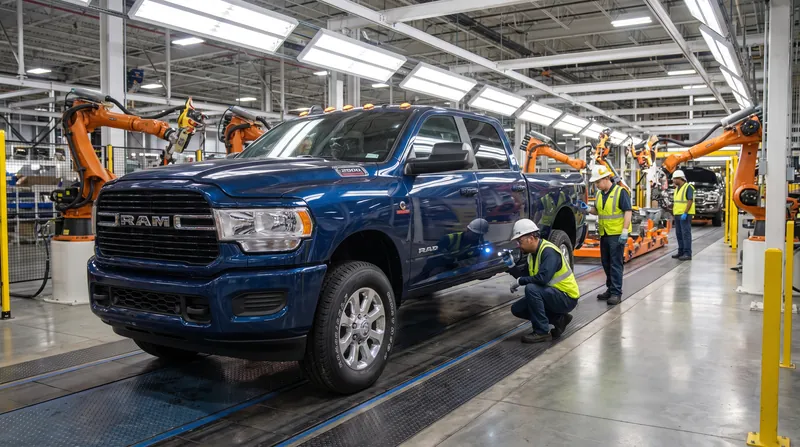
Stellantis Evaluates Moving Heavy-Duty Ram Production From Mexico to Michigan
5 sources
Autonomous Freight
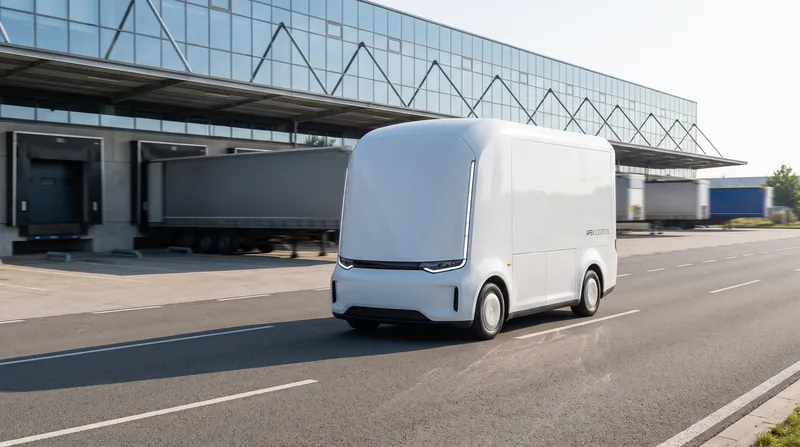
Germany Grants First Permit for Cab-Less Level 4 Autonomous Truck in Daily Commercial Operation
5 sources
EV Safety Recalls
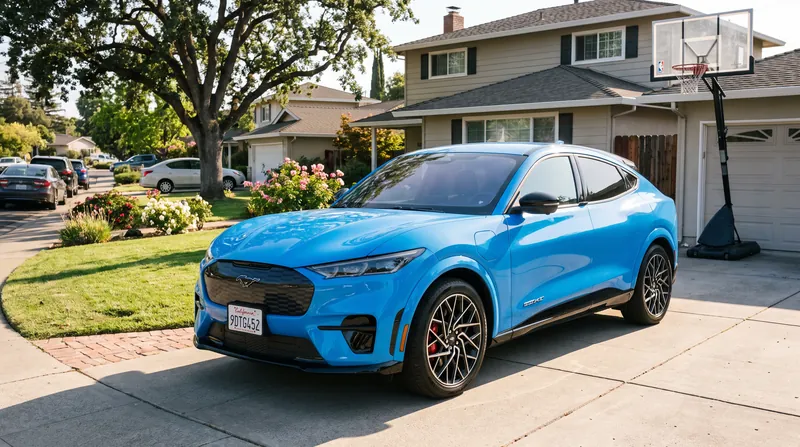
Ford Recalls 86 Mustang Mach-E EVs Over Battery Software Fire Risk
6 sources
Final Drives
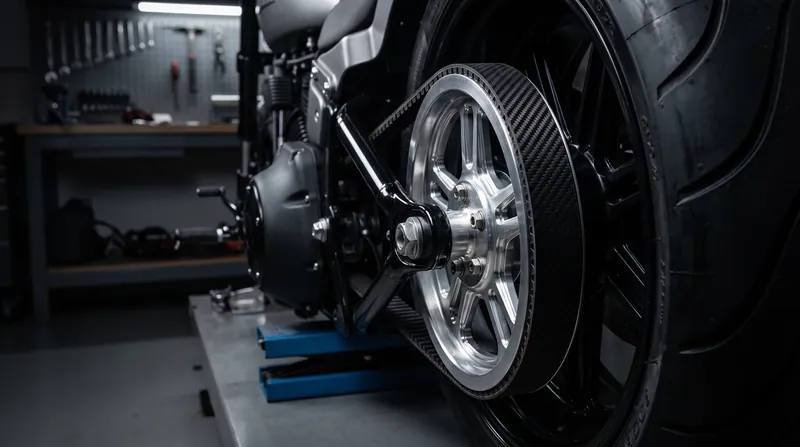
The Mechanics of Motorcycle Final Drives: How Chain, Belt, and Shaft Systems Dictate Ownership Costs
4 sources
Every angle. Every day.
Get Automotive & Transportation stories with full source coverage and perspective breakdowns delivered to your inbox.