
FDA Advisory Committee Unanimously Recommends First mRNA Seasonal Flu Vaccine
Federal health advisers voted 9-0 to recommend Moderna's mRNA-based influenza vaccine for adults 50 and older, citing a 26.6% boost in efficacy and vastly faster manufacturing timelines. If approved in August, the shot could be available for the 2026–2027 flu season.
By Factlen Editorial Team

- Public Health Officials
- View the mRNA platform as a vital tool to shrink manufacturing timelines and improve strain-matching accuracy.
- Regulatory Reviewers
- Acknowledge the strong top-line efficacy but emphasize the need for post-marketing data in frail and immunocompromised populations.
- Clinical Researchers
- Focus on the robust Phase 3 trial data demonstrating non-inferiority and superiority over standard-dose vaccines.
What's not represented
- · Primary care physicians managing patient vaccine hesitancy
- · Health insurance providers evaluating coverage costs for the new premium vaccine
Why this matters
Seasonal influenza causes tens of thousands of deaths annually, largely because traditional vaccines must be designed six months in advance and often miss the mutating virus. The approval of an mRNA flu vaccine would allow scientists to match the shot to the actual circulating strains much closer to winter, significantly reducing your risk of catching the flu.
Key points
- The FDA's vaccine advisory committee voted 9-0 to recommend Moderna's mRNA-1010 flu vaccine for adults aged 50 and older.
- Clinical trials involving over 40,000 participants showed the mRNA shot provided a 26.6% relative efficacy boost over standard flu vaccines.
- The mRNA platform reduces manufacturing time from six months to two or three months, allowing for more accurate strain matching.
- While no major safety issues were found, the vaccine causes higher rates of temporary side effects like injection-site pain and fatigue.
- If the FDA grants final approval by its August 5 target date, the vaccine could be available for the 2026–2027 flu season.
In a landmark decision that could reshape seasonal respiratory protection, the Food and Drug Administration's top vaccine advisory committee voted unanimously to recommend the first mRNA-based influenza vaccine.[1][2]
The 9-0 vote by the Vaccines and Related Biological Products Advisory Committee (VRBPAC) endorsed Moderna's investigational shot, mFlusiva, for adults aged 50 and older.[2][4]
This recommendation validates the core claim that mRNA technology—which proved vital during the COVID-19 pandemic—can outperform traditional egg-based flu vaccines in both efficacy and manufacturing speed.[6]
The primary evidence supporting this shift rests on the Phase 3 FLUENT trial, which enrolled over 40,000 adults across 11 countries.[3][5]

In this double-blind, active-controlled study, participants received either the investigational mRNA-1010 vaccine or a licensed standard-dose comparator.[3]
The efficacy data proved robust: the mRNA vaccine demonstrated a 26.6 percent relative vaccine efficacy against protocol-defined influenza-like illness compared to standard shots.[3][6]
Beyond top-line efficacy, researchers noted that the mRNA platform generated a longer-lasting immune response and produced antibodies capable of recognizing a broader range of flu strains.[1][3]
However, the manufacturing advantage represents the most significant paradigm shift for public health officials.[1][6]

However, the manufacturing advantage represents the most significant paradigm shift for public health officials.
Traditional flu vaccines require a six-month lead time, forcing health agencies to predict the winter's circulating strains in February.[1]
The proposed mRNA vaccine compresses this production window to just two to three months, drastically reducing the risk of a 'strain mismatch' that frequently plagues traditional shots.[1][2]
Where the evidence is strongest is in the safety profile, as the FDA's review found no major safety deficiencies or severe adverse events.[2][4]
Yet, the data clearly shows that the mRNA shot produces higher rates of temporary, mild-to-moderate side effects—such as injection-site pain, fatigue, and headache—a reactogenicity profile typical of mRNA platforms.[2][3]
Transparent uncertainty remains regarding specific vulnerable subpopulations, with FDA staff briefing documents flagging evidentiary gaps for very frail elderly adults and severely immunocompromised patients.[4][6]

To address these gaps, the regulatory pathway has been split: standard approval for adults aged 50 to 64, and an accelerated approval pathway for those 65 and older.[2][4]
How we got here
May 2023
The FDA's VRBPAC reviews its last new vaccine application before a long pause.
February 2026
The FDA initially refuses to review Moderna's mRNA flu vaccine application, citing study design disputes.
Late Feb 2026
Following public backlash and a formal meeting, the FDA reverses course and accepts the application.
June 18, 2026
The FDA advisory committee votes 9-0 to recommend the vaccine for adults 50 and older.
August 5, 2026
The expected target date for the FDA's final approval decision.
Viewpoints in depth
Public Health Officials
View the mRNA platform as a vital tool to shrink manufacturing timelines and improve strain-matching accuracy.
For epidemiologists and public health leaders, the primary appeal of mRNA technology is operational speed. Traditional egg-based vaccine manufacturing requires scientists to guess which flu strains will dominate six months before the season begins. By compressing the production timeline to just two or three months, mRNA platforms allow agencies to wait longer, gather more accurate surveillance data, and tailor the vaccine to the exact strains circulating in late summer. This agility is also viewed as a critical defense mechanism against sudden pandemic-level antigenic shifts.
Regulatory Reviewers
Acknowledge the strong top-line efficacy but emphasize the need for post-marketing data in frail and immunocompromised populations.
While FDA advisory committee members voted unanimously in favor of the vaccine's overall benefit-risk profile, they maintained a cautious stance regarding specific high-risk groups. Briefing documents highlighted that the initial Phase 3 trials lacked sufficient data on very frail seniors and those with severely weakened immune systems. Consequently, regulators are insisting on a split approval pathway, mandating a massive 400,000-person post-marketing study over the next two flu seasons to definitively prove the vaccine's safety and efficacy in the oldest and most vulnerable demographics.
Clinical Researchers
Focus on the robust Phase 3 trial data demonstrating non-inferiority and superiority over standard-dose vaccines.
The scientific community evaluating the clinical trial data points to the clear statistical victories achieved in the FLUENT study. Researchers emphasize that achieving a 26.6 percent relative efficacy boost against confirmed influenza-like illness is a substantial improvement in a field where traditional vaccines often hover around 40 to 50 percent total effectiveness. Furthermore, immunologists are encouraged by early indications that the lipid nanoparticle delivery system generates a broader and longer-lasting antibody response, potentially offering protection that doesn't wane as quickly during a prolonged winter flu season.
What we don't know
- It remains unclear how the mRNA vaccine performs in very frail seniors and severely immunocompromised patients, prompting further studies.
- The final retail cost of the vaccine and whether major health insurers will cover it without out-of-pocket expenses is not yet established.
- It is unknown if the public's pandemic-era fatigue and polarization regarding mRNA technology will negatively impact the uptake of this new flu shot.
Key terms
- mRNA (Messenger RNA)
- A technology that teaches cells how to make a protein that triggers an immune response, rather than injecting a weakened virus.
- Relative Vaccine Efficacy
- A measure of how much a new vaccine reduces the risk of illness compared to an existing standard vaccine.
- Strain Mismatch
- When the flu strains chosen for the seasonal vaccine months in advance do not match the strains actually circulating in the winter.
- Accelerated Approval
- An FDA pathway that allows earlier approval of drugs for serious conditions based on initial data, requiring further studies to confirm the benefits.
- Reactogenicity
- The expected physical manifestations of the inflammatory response to a vaccine, such as arm pain, fever, or fatigue.
Frequently asked
When will the mRNA flu vaccine be available?
If the FDA grants final approval by its August 5, 2026 target date, the vaccine could be available for the 2026–2027 fall flu season.
Does the mRNA flu vaccine have worse side effects?
Clinical trials showed no major safety risks, but temporary side effects like injection-site pain, fatigue, and headache were more common than with traditional flu shots.
Why is mRNA better for the flu?
mRNA vaccines can be manufactured in 2 to 3 months instead of 6 months, allowing scientists to match the vaccine to the actual circulating flu strains much closer to winter.
Who is eligible for this new vaccine?
The FDA committee recommended the vaccine for adults aged 50 and older, though those 65 and older will be part of ongoing post-marketing studies.
Sources
Source coverage
6 outlets
3 viewpoints surfaced






[1]NPRPublic Health Officials
Key FDA committee unanimously recommends its first vaccine since 2023
Read on NPR →[2]Associated PressRegulatory Reviewers
FDA advisers recommend approval of Moderna's mRNA flu vaccine
Read on Associated Press →[3]New England Journal of MedicineClinical Researchers
Efficacy and Safety of an mRNA Seasonal Influenza Vaccine in Adults
Read on New England Journal of Medicine →[4]U.S. Food and Drug AdministrationRegulatory Reviewers
Vaccines and Related Biological Products Advisory Committee June 18, 2026 Meeting
Read on U.S. Food and Drug Administration →[5]ClinicalTrials.govClinical Researchers
A Study to Evaluate the Efficacy and Safety of mRNA-1010 Seasonal Influenza Vaccine in Adults (FLUENT)
Read on ClinicalTrials.gov →[6]Factlen Editorial TeamPublic Health Officials
Synthesis by Factlen editorial team
Read on Factlen Editorial Team →

More in health
See all 6 stories →Metabolic Health
The Science of Zone 2 Training: Why the Slowest Workouts May Be the Secret to Longevity
6 sources

Longevity Science
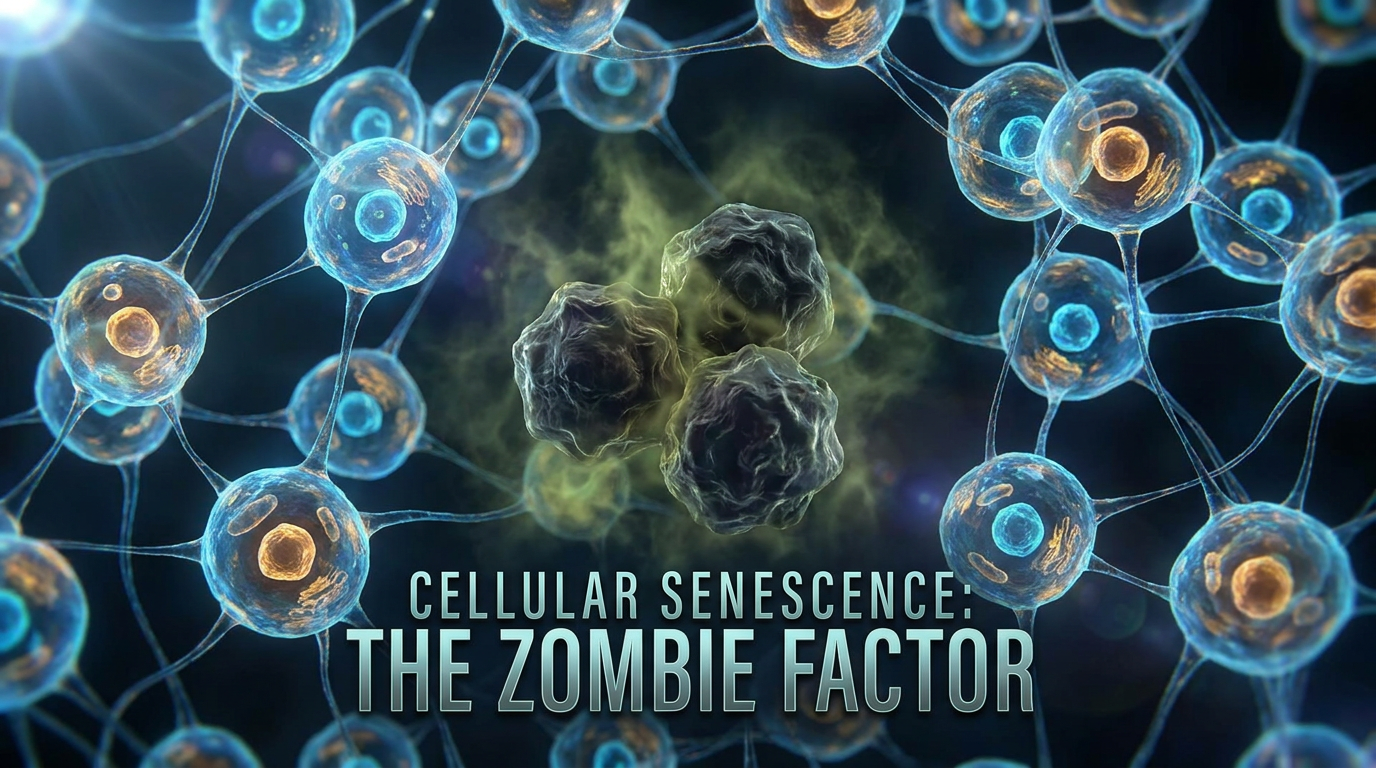
The Rise of Senolytics: How Clearing 'Zombie Cells' Could Transform Aging
7 sources
Vaccine Tech
FDA Committee Unanimously Backs First mRNA Flu Vaccine Following Landmark Trial
7 sources

Brain Health
Why Scientists Are Repurposing a Popular Muscle Supplement for Brain Health
7 sources

Every angle. Every day.
Get health stories with full source coverage and perspective breakdowns delivered to your inbox.