
China Agrees to Halve Hybrid Vehicle Exports to EU Under Landmark Trade Deal
The European Union and China have reached a preliminary agreement to cut Chinese hybrid and plug-in hybrid car exports to the bloc by up to 50 percent over four years.
By Dev Anand

The European Union and China have reached a preliminary agreement that will prevent several million Chinese hybrid and plug-in hybrid vehicles from entering the European market over the next four years. The deal aims to cut projected shipments by up to 50 percent, directly addressing a trade imbalance that currently costs the 27-nation bloc more than €1.18 billion every day.[1][3]
EU Trade Commissioner Maroš Šefčovič announced the breakthrough on Friday in Beijing, following two days of marathon talks with Chinese Commerce Minister Wang Wentao and Vice-Premier He Lifeng. Šefčovič described the 16-point consensus as a necessary intervention to stabilize a relationship strained by industrial overcapacity and market access barriers.[1][2]
"It is the first time that China has accepted to moderate its exports without going through the phase of prior trade tension," Šefčovič told reporters. He emphasized that he put immense focus on the negotiations because it is notoriously difficult to stop a trade war once it formally begins.[1]
Reciprocal tariff reductions
Beyond vehicle export caps, the agreement secures cheaper access to Chinese markets for European manufacturers and agricultural producers. China agreed to lower import duties on several product categories, expanding market access for European food and drink exports that had faced mounting restrictions.[1][4]
The targeted tariff reductions aim to provide immediate financial relief to sectors heavily exposed to Chinese consumer demand. Both sides also agreed to adhere to procedures concerning company price undertakings, establishing a framework for minimum price tags on imported vehicles.[1][2]
Beijing also committed to facilitating the approval of export licenses for rare earths and permanent magnets destined for the European Union. These materials remain critical for advanced manufacturing, and the deal promises a more predictable, fast-tracked supply chain for European technology and defense firms.[1][2]
Averting a broader conflict
The negotiations follow months of escalating friction over cheap electric vehicle exports, which had prompted the EU to launch formal anti-subsidy investigations earlier in 2026. The rapid increase in volume and market share alarmed European automakers and policymakers alike.[1][3]
European officials warned that surging sales of subsidized vehicles could kill off parts of the domestic car industry. The new agreement provides a negotiated response to protect manufacturing jobs across the 27-nation bloc without triggering immediate retaliatory tariffs from Beijing.[1][4]
Chinese officials characterized the two days of discussions as pragmatic and productive. A statement from China's Ministry of Commerce emphasized a shared commitment to handling differences within World Trade Organization rules, while stabilizing bilateral economic relations and balancing trade flows.[1][2]
Enforcement and next steps
The exact mechanics of the export restrictions remain confidential until Šefčovič briefs EU diplomats in Brussels on Sunday, ahead of a leaders' summit on Thursday. Officials indicated the reduction will cut shipments by several millions over the next four years.[1]
One proposed method for curbing sales involves establishing higher minimum price tags for Chinese cars sold in Europe. This mechanism would allow vehicles to enter the EU market at a lower duty rate provided they do not undercut local European manufacturers on showroom floors.[1][2]
The agreement leaves several long-standing trade issues unresolved, including market access for European medical equipment and power inverters. Negotiators plan to hold a video conference in January 2027 before resuming formal in-person talks in March to address those remaining sectors.[2]
The automotive industry response has been cautiously optimistic, as manufacturers seek a reliable framework for long-term planning and investment. The deal provides a template for resolving disputes without resorting to the retaliatory tariffs that have characterized recent global trade conflicts.[3][4]
By securing voluntary export restraints, Brussels aims to protect its domestic industrial base while maintaining access to the world's second-largest economy. The coming months will test whether this pilot program on hybrid cars can successfully stabilize the broader EU-China trade relationship.[1][2]
Key points
- China will reduce its exports of hybrid and plug-in hybrid vehicles to the EU by up to 50 percent over the next four years.
- The agreement lowers Chinese import tariffs on several European product categories, expanding market access for food and drink exports.
- Beijing committed to fast-tracking export licenses for rare earths and permanent magnets destined for the European market.
- EU Trade Commissioner Maroš Šefčovič called the deal a crucial first step in rebalancing a trade deficit that exceeds €1.18 billion a day.
Open questions
- The specific numerical parameters and enforcement mechanisms for capping the hybrid vehicle exports remain undisclosed pending EU leaders' review.
- It is unclear how the reduction will be measured against projected future growth versus current export volumes.
- The operational details of the fast-track process for expediting rare earth and permanent magnet export licenses have not been released.
Timeline
June 2026
The European Union and China begin intense negotiations to address a widening trade deficit and surging hybrid vehicle imports.
September 2026
European officials warn that the trade gap has reached a tipping point, threatening domestic manufacturing.
October 9, 2026
EU and Chinese officials announce a preliminary 16-point agreement in Beijing to halve hybrid vehicle exports.
October 15, 2026
EU Trade Commissioner Maroš Šefčovič is scheduled to brief European leaders on the deal's mechanics at a summit in Brussels.
March 2027
European and Chinese trade envoys are slated to hold their next in-person meeting to continue negotiations on remaining sectors.
- European Automakers
- Capping low-cost Chinese hybrid imports is essential to protect local manufacturing jobs.
- Chinese Trade Officials
- China is a partner in solving trade imbalances and seeks to avoid protectionist measures.
- European Exporters
- Reciprocal tariff reductions are necessary to secure cheaper access to the Chinese market.
Perspectives this story doesn't cover
- Consumer Advocacy Groups
- Environmental Organizations
Sources
Source coverage
4 outlets
3 viewpoints surfaced




- [1]The GuardianEuropean Automakers
China agrees to 'halve' hybrid car exports to EU in landmark deal
Read on The Guardian → - [2]South China Morning PostChinese Trade Officials
China and EU reach 'understanding' on hybrid vehicles after crunch trade talks
Read on South China Morning Post → - [3]Deutsche WelleEuropean Automakers
China, EU reach deal to 'moderate' China's car exports to EU
Read on Deutsche Welle → - [4]TVP WorldEuropean Exporters
EU and Beijing reach deal to slash Chinese hybrid car exports to the bloc
Read on TVP World →
More in Automotive & Transportation
See all →EV Safety Recalls
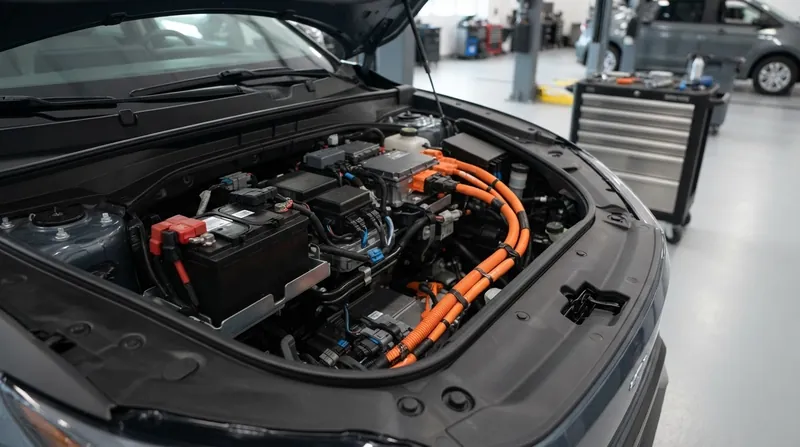
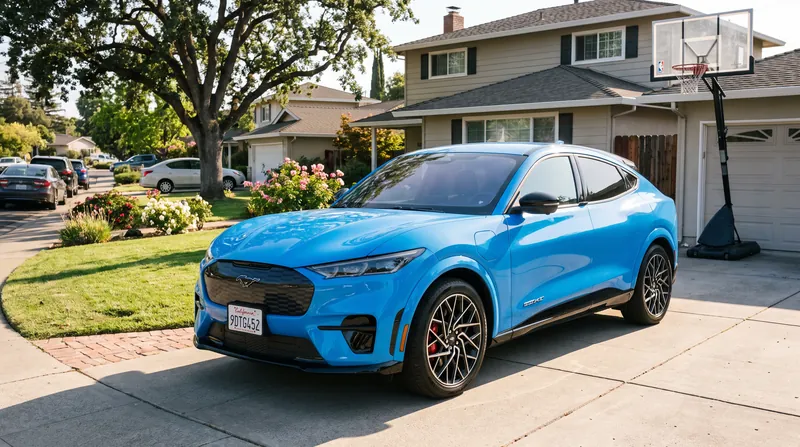
Ford Recalls 86 Mustang Mach-E EVs Over Battery Software Fire Risk
6 sources
Engine Thermodynamics
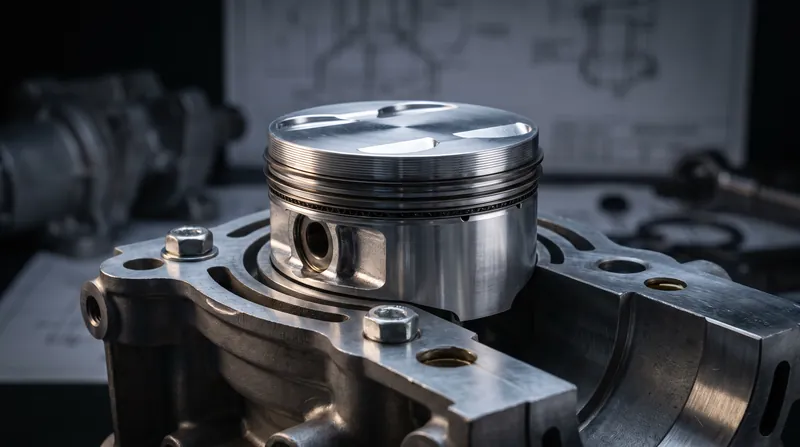
The Compression Ratio and the Gamma Term: How the Otto Cycle Defines the Maximum Theoretical Efficiency of a Gasoline Engine
7 sources
Engine Tech
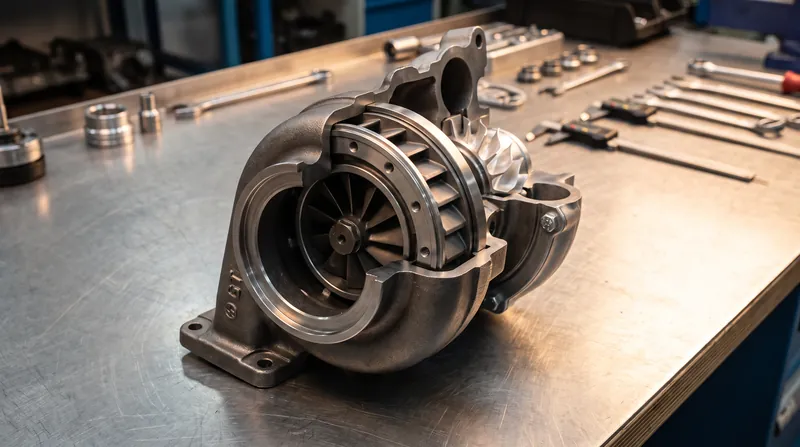
How a VGT's Variable Vanes Eliminate Turbo Lag and Broaden the Torque Curve
6 sources
Marine Tech
How Lithium Iron Phosphate (LiFePO4) House Banks Are Replacing Marine Diesel Generators
2 sources

Comments
Every angle. Every day.
Get Automotive & Transportation stories with full source coverage and perspective breakdowns, free every day.