
Bubby Upton Completes Historic Comeback at Bramham as Equestrian Sport Rethinks Injury Recovery
British event rider Bubby Upton secured an emotional back-to-back victory at the Bramham Horse Trials following multiple spinal surgeries, highlighting a broader shift in how equestrian sports manage rider rehabilitation.

- Recovering Athletes
- Riders navigating the physical and psychological challenges of returning to elite competition.
- Medical & Safety Officials
- Governing bodies and doctors advocating for structured, science-backed rehabilitation protocols.
- Equestrian Fans & Analysts
- Spectators and commentators tracking the emotional and competitive impact of rider injuries.
When British event rider Bubby Upton crossed the finish line at the 2026 Defender Bramham Horse Trials, the tears were immediate and fully justified. Riding her trusted grey gelding, Its Cooley Time, the 27-year-old secured a wire-to-wire victory in the prestigious CCI4*-L division. The win was not just a testament to her tactical brilliance in the saddle, but the culmination of a grueling, multi-year medical battle that nearly ended her career.
Upton finished the weekend on a spectacular penalty score of 27.8, holding off a fierce field to claim back-to-back titles at the Yorkshire venue. In doing so, she emulated the legendary William Fox-Pitt, who achieved the same feat over a decade ago. Yet, the historical milestone was entirely secondary to the personal victory of simply being physically capable of competing at the sport's elite level.
In August 2023, a freak accident away from competition left Upton with severe spinal injuries. The initial prognosis was grim, with doctors focusing on whether she would walk again, let alone ride. Over the next two years, she endured three separate spinal surgeries, the most recent taking place in late 2024. That final procedure proved transformative, finally allowing her to ride pain-free for the first time since the crash.
Her return to the top of the podium was not without its dramatic hurdles. During Saturday's grueling cross-country phase, Upton's martingale snapped at the third fence. With her horse naturally carrying a high head carriage, the malfunction could have been disastrous. Relying on sheer adrenaline and muscle memory, she managed to lean down mid-gallop, grab the loose leather, and tie it to her breastplate to prevent it from tangling in the horse's legs, ultimately finishing the course with just 3.6 time penalties.
Upton's triumphant weekend stands in stark contrast to the ever-present dangers that define elite equestrian competition. Just days before Bramham, French showjumper and former world number one Simon Delestre suffered a devastating fall at the Longines Global Champions Tour in Cannes.[1]
Upton's triumphant weekend stands in stark contrast to the ever-present dangers that define elite equestrian competition.
Riding Gatsby Du Tillard, Delestre went down heavily during the five-star Grand Prix. While his horse escaped unharmed, Delestre was rushed to the hospital with a dislocated clavicle, torn ligaments, and severe hematomas to his head. He underwent immediate surgery to stabilize his shoulder and now faces weeks of complete immobilization, abruptly halting his momentum just months ahead of the World Championships.[1]
The juxtaposition of Upton's comeback and Delestre's sudden sidelining highlights why equestrian governing bodies are fundamentally overhauling how they handle rider injuries. US Equestrian (USEF) recently released data revealing an average of 151 rider falls per week across its licensed competitions, prompting a massive push for standardized safety nets.
Historically, the equestrian world celebrated a "dust yourself off and get back on" mentality, often at the expense of long-term athlete health. Today, federations are implementing strict Return to Sport (RTS) strategies. Equestrian Canada, for example, now mandates that any rider involved in a fall where a concussion is even reasonably suspected must receive onsite medical clearance before they are legally allowed to remount.[2]
The medical approach to these recoveries has also evolved dramatically. Sports medicine specialists have abandoned the outdated advice of confining concussed athletes to dark rooms. Instead, doctors advocate for active rehabilitation, treating brain systems with the same progressive physical therapy used for a sprained ankle or a surgically repaired spine.
Under the new guidelines, riders progress through carefully monitored phases. After an initial 48 hours of minimal activity, athletes are encouraged to engage in light aerobic exercise to stimulate blood flow and aid neurological recovery. Only when they are entirely symptom-free can they begin integrating unmounted barn chores, eventually working their way back into the saddle.[2]
For riders navigating this daunting pathway, the mental toll often matches the physical pain. Upton noted that during her darkest months, it was the subconscious faith in her horses that kept her focused on rehabilitation. The fear of losing the delicate, years-in-the-making connection with an equine partner drives many athletes to rush their recovery, making mandatory federation protocols a crucial safeguard.
As the sport continues to balance its inherent risks with modern medical science, comebacks like Upton's serve as the ultimate proof of concept. Her victory at Bramham proves that with patience, elite surgical intervention, and structured rehabilitation, riders can return from the brink of career-ending trauma to perform better than ever.
Key points
- Bubby Upton won the CCI4*-L at the 2026 Bramham Horse Trials, successfully defending her title.
- The victory marks a historic comeback following a severe 2023 spinal injury and three subsequent surgeries.
- French showjumper Simon Delestre's recent severe fall at LGCT Cannes underscores the sport's ongoing physical risks.
- Governing bodies like USEF and Equestrian Canada are implementing strict, active-rehabilitation 'Return to Sport' protocols to better protect riders.
How we got here
August 2023
Bubby Upton suffers a severe spinal injury in a freak accident away from competition.
Late 2024
Upton undergoes her third back surgery, finally achieving pain-free riding.
June 6, 2026
French showjumper Simon Delestre suffers a severe fall at LGCT Cannes, requiring surgery.
June 14, 2026
Upton wins the CCI4*-L at Bramham Horse Trials, securing back-to-back titles.
Sources
Source coverage
2 outlets
3 viewpoints surfaced


- [1]World of ShowjumpingEquestrian Fans & Analysts
Simon Delestre sidelined after a fall during LGCT Cannes
Read on World of Showjumping → - [2]Equestrian CanadaMedical & Safety Officials
Accidents & Return to Sport Rule
Read on Equestrian Canada →
Comments

More in sports
See all →African Soccer
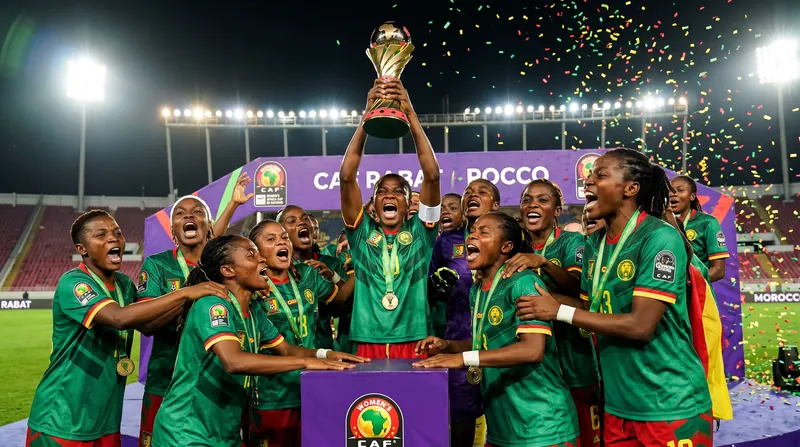
Cameroon Captures First WAFCON Title as Nigeria Cleans House After Historic World Cup Miss
5 sources
Driver Market
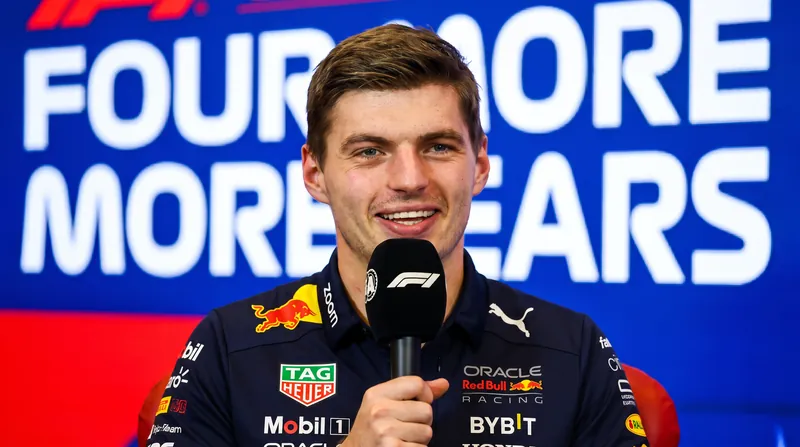
Max Verstappen Signs Red Bull Contract Extension Through 2030
8 sources
Sports Tech
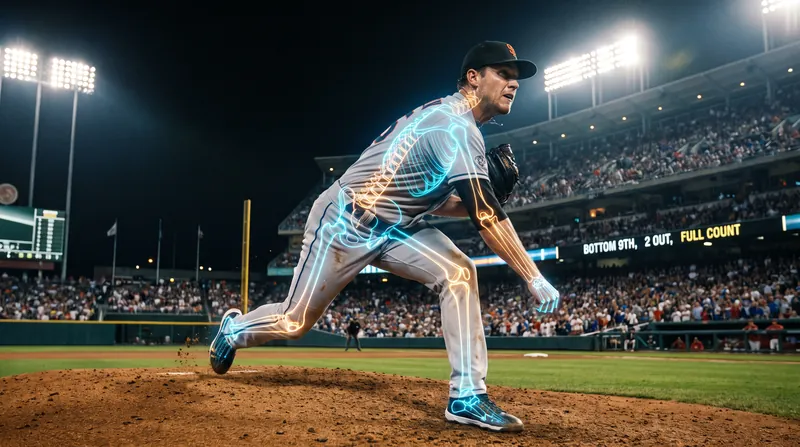
How Markerless Biomechanics and Skeletal Tracking Are Rewriting the Rules of Athlete Longevity
7 sources
Transfer Saga
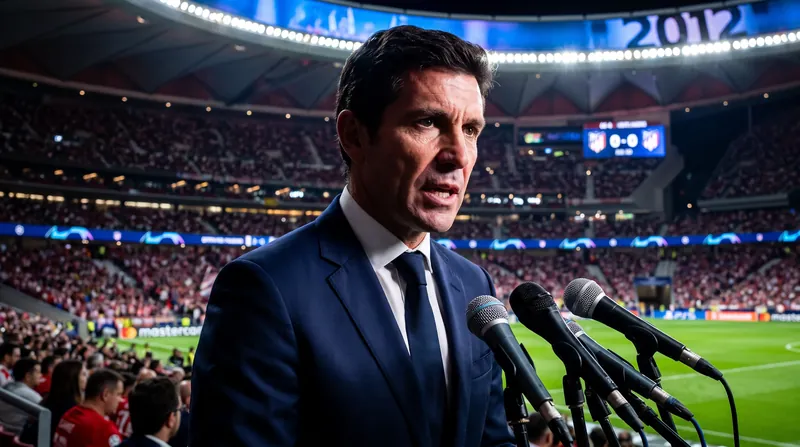
Atlético Madrid CEO Gil Marín Rebukes Barcelona and 'Friendly Media' Over Julián Álvarez Pursuit
6 sources
Every angle. Every day.
Get sports stories with full source coverage and perspective breakdowns delivered to your inbox.