
World Triathlon Injury Report: McCullough's Triumphant Return Highlights a Season of High-Profile Comebacks
As the 2026 triathlon season heats up, athletes like Dylan McCullough and Lucy Charles-Barclay are proving that patience pays off in the grueling journey back from severe injuries.
By Factlen Editorial Team
- Rehabilitating Athletes
- Focuses on the psychological challenge of patience, the loss of identity during time off, and the relief of returning to competition.
- Medical & Coaching Staff
- Prioritizes structural healing and long-term career longevity over rushing back to the start line for immediate points.
- Neutral Analysts
- Tracks how high-profile absences and late-season returns reshape the championship standings and Olympic qualification math.
What's not represented
- · Amateur Triathletes
- · Race Organizers
Why this matters
Injuries are the hidden variable in professional triathlon, capable of derailing Olympic dreams and reshaping world championship standings overnight. Tracking who is returning to the pontoon—and how their bodies hold up—is crucial for understanding the competitive landscape of the 2026 season.
Key points
- New Zealand's Dylan McCullough won his comeback race in China after being sidelined for 574 days with spine and Achilles injuries.
- Olympic medalist Hayden Wilde remains out of action, withdrawing from WTCS Quiberon due to a lingering virus.
- Lucy Charles-Barclay has resumed run-walk training following January surgery to remove a plantaris tendon.
- USA's Reese Vannerson completed a miraculous six-week turnaround to race in Chengdu after breaking his collarbone.
- Beth Potter successfully returned to the WTCS circuit after spending the winter in a boot for a torn plantar fascia.
The 2026 elite triathlon season has become a testament to human resilience. While the podiums at the World Triathlon Championship Series (WTCS) and T100 events capture the headlines, the most compelling narratives are unfolding behind the scenes in physical therapy clinics and quiet training blocks. Across both short-course and Ironman distances, a wave of top-tier athletes are navigating the grueling journey from severe injury back to the start line.[1][3]
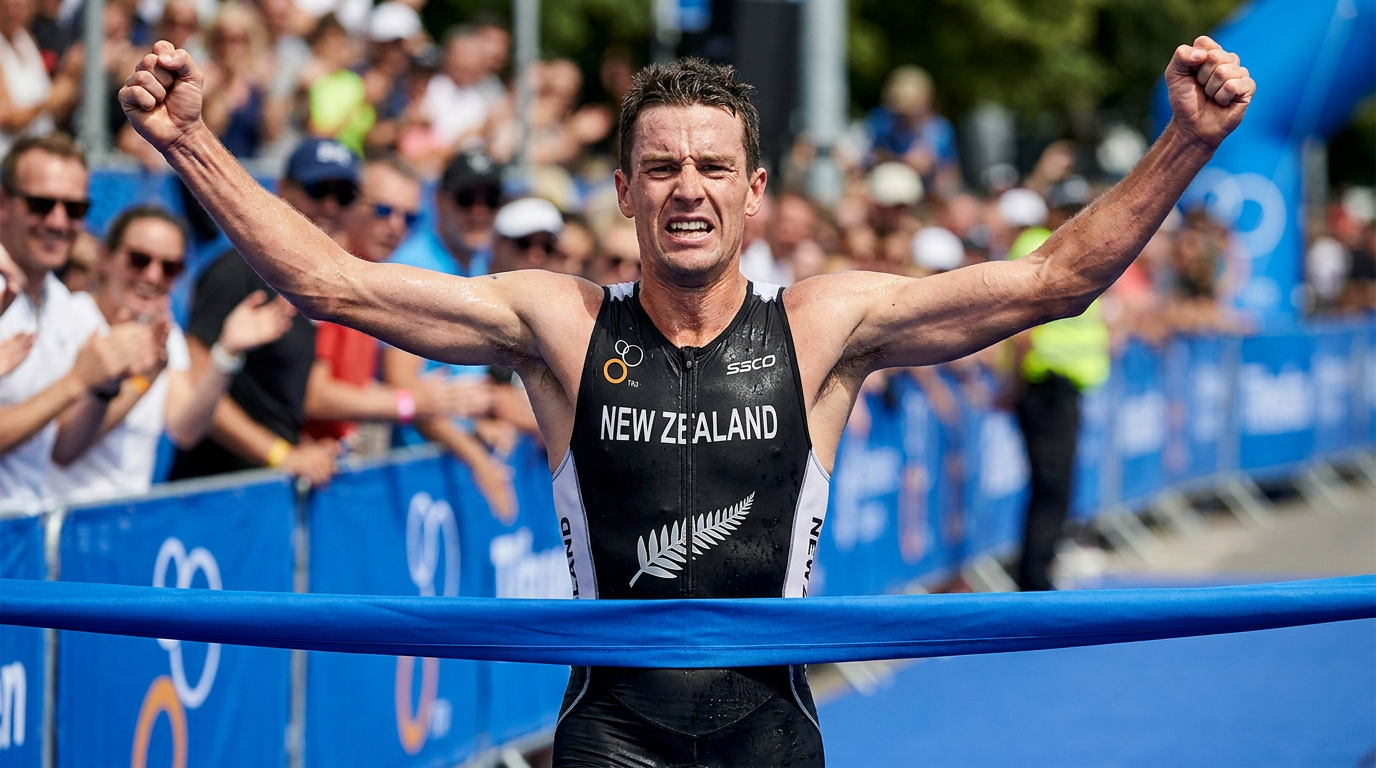
The standout comeback of the year belongs to New Zealand’s Dylan McCullough. Following his breakthrough World Triathlon Cup win in Tongyeong in October 2024, McCullough’s body gave out. He suffered an almost complete stress fracture in his spine, compounded by a severe Achilles tear. The dual injuries forced him into an agonizingly long rehabilitation process, sidelining the Paris Olympian for a staggering 574 days.[1]
That agonizing wait ended in late May 2026 at the Asia Triathlon Cup in Lianyungang, China. McCullough didn't just return; he dominated. Executing a wire-to-wire solo effort from the swim through a grueling bike course and the final run, he claimed a 10-second victory over the field. He noted that the effort was a shock to the system, but an essential and deeply relieving step toward his Los Angeles 2028 ambitions.[1]

While McCullough celebrates his return, his compatriot and Olympic medalist Hayden Wilde is still battling to get his season on track. Wilde has faced a frustrating string of setbacks in 2026, most recently pulling out of the WTCS race in Quiberon, France. A debilitating virus previously forced him out of the Alghero event, and despite a gritty podium finish at the T100 in San Francisco, he admitted he was far from fully fit.[2]
Wilde’s ongoing recovery complicates his defense of the T100 title and his WTCS ambitions. With the calendar advancing, analysts note he will likely need to heavily backload his late-summer schedule—including stops in Hamburg, London, and Weihai—to accumulate the necessary points before the Championship Finals in Spain. For now, his coaching team is prioritizing a full return to health over rushing back to the pontoon.[2]
Wilde’s ongoing recovery complicates his defense of the T100 title and his WTCS ambitions.
In the long-course arena, reigning IRONMAN 70.3 World Champion Lucy Charles-Barclay is taking a similarly measured approach. The British star opted for surgery in January 2026 to remove a troublesome plantaris tendon that had plagued her lower leg during speed work. Rather than rushing her run rehab, she pivoted her competitive drive toward the pool, remarkably attempting to qualify for the Commonwealth Games in the 1,500-meter freestyle to maintain her elite fitness.[3]
That patience is paying dividends. Charles-Barclay recently confirmed she has progressed to run-walk sessions and is finally back to training across all three disciplines. She shared that she no longer feels like an injured athlete, though she remains adamant about not forcing her timeline. Her primary goal is to complete a late-season Ironman simply to validate her slot for the World Championship in Kona, saving her peak performance for Hawaii.[3]

The psychological burden of racing while compromised is something double Olympic medalist Beth Potter knows intimately. At the end of last season, Potter suffered a torn plantar fascia and a bone spur, yet pushed through the pain to secure overall WTCS bronze at the Grand Final in Australia. She later described the experience as the most frustrating of her career, highlighting the immense mental toll of lining up as a favorite while secretly managing structural damage.[5]
Potter spent the winter in a protective boot—even wearing bespoke trainers to her own wedding—to ensure proper healing. Her disciplined recovery allowed her to return fully healthy for the 2026 WTCS opener in Samarkand, proving that respecting the body's healing timeline ultimately extends an athlete's window of dominance.[5]
Occasionally, however, an athlete defies standard recovery timelines entirely. USA Triathlon National Team member Reese Vannerson provided one of the most astonishing turnarounds of the spring. During a race in Haikou, China, a violent bike crash left Vannerson in an ambulance with a broken collarbone—an injury that typically derails a triathlete's season due to the overhead mobility required for swimming.[4]

Vannerson and his medical team executed an aggressive but carefully monitored rehabilitation protocol. He regained his running stride first, followed by cycling, and finally reintroduced the pool. Just six weeks after the crash, Vannerson stepped onto the pontoon at the World Triathlon Cup in Chengdu. While his 29th-place finish wasn't his career best, simply finishing the race was hailed by his coach as nothing short of incredible.[4]
These contrasting journeys—from McCullough’s 18-month exile to Vannerson’s six-week sprint, and Charles-Barclay’s strategic pivot—highlight the unique demands of triathlon. Recovering from injury in a three-discipline sport requires not just physical healing, but immense psychological fortitude. As the 2026 season heats up, the athletes returning from the medical tent are proving to be just as compelling as those standing on the podium.[1][3][4]
How we got here
October 2024
Dylan McCullough wins the Tongyeong World Cup before suffering a severe spine and Achilles injury.
Late 2025
Beth Potter pushes through a torn plantar fascia to secure WTCS bronze, subsequently spending the winter in a protective boot.
January 2026
Lucy Charles-Barclay undergoes surgery to remove a troublesome plantaris tendon, pausing her run training.
April 2026
Reese Vannerson suffers a broken collarbone in a high-speed bike crash in Haikou, China.
May 2026
McCullough makes a triumphant return, winning the Asia Triathlon Cup after 574 days away from racing.
June 2026
Hayden Wilde withdraws from the WTCS Quiberon race as he continues to battle a lingering virus.
Viewpoints in depth
The Athlete's View
The psychological battle of stepping away from the sport to heal.
For elite triathletes, whose daily routines are consumed by three distinct disciplines, a severe injury often triggers a profound loss of identity. Athletes like Lucy Charles-Barclay and Beth Potter have spoken candidly about the 'FOMO' (fear of missing out) and the anxiety of watching rivals accumulate points while they are sidelined. To cope, many pivot to adjacent goals—such as Charles-Barclay's temporary focus on competitive swimming—to maintain their competitive drive and mental health while their bodies repair.
The Coaching View
Balancing the urge to compete with the necessity of long-term structural recovery.
Coaches and medical teams act as the crucial brakes on highly driven athletes. Their primary objective is preventing the premature returns that often lead to chronic, career-ending damage. In cases like Dylan McCullough's 574-day absence for a spine fracture, the coaching staff had to enforce strict rest periods, prioritizing his Los Angeles 2028 Olympic ceiling over immediate World Cup results. Even in accelerated recoveries like Reese Vannerson's collarbone rehab, the return to the pontoon is dictated by objective medical milestones rather than the race calendar.
The Tour View
How injuries reshape the competitive landscape of the WTCS and T100 circuits.
From a macro perspective, the absence of heavyweights like Hayden Wilde fundamentally alters the math of the season. When a top-tier contender misses early-season events, the points distribution flattens, allowing emerging athletes to secure podiums and Olympic qualification points. For the injured stars, it forces a high-stakes, backloaded schedule where they must perform flawlessly in the late-summer races to defend their titles, adding intense pressure to their eventual comebacks.
What we don't know
- It remains unclear exactly when Hayden Wilde will be fully fit to return and how his absence will impact his ability to defend his T100 title.
- While Lucy Charles-Barclay is back to running, her exact timeline for completing her required Ironman validation race is not yet set.
Key terms
- Plantaris Tendon
- A small, thin muscle and tendon in the lower leg that can cause severe irritation during high-speed running, sometimes requiring surgical removal.
- Plantar Fascia
- A thick band of tissue connecting the heel bone to the toes; tearing it causes intense foot pain, especially during the run leg of a triathlon.
- WTCS
- The World Triathlon Championship Series, the premier short-course racing circuit that crowns the annual world champion.
- T100 Triathlon World Tour
- A professional 100-kilometer distance racing series featuring a 2km swim, 80km bike, and 18km run.
- Validation
- The requirement for a reigning world champion to complete a race of a specific distance within the season to secure their automatic starting slot for the World Championship.
Frequently asked
How long was Dylan McCullough out with his injury?
McCullough was sidelined for exactly 574 days due to an almost complete stress fracture in his spine and an Achilles tear.
Why did Hayden Wilde pull out of the Quiberon race?
Wilde withdrew from the WTCS Quiberon event to recover from a debilitating virus that had already forced him to miss a previous race in Alghero.
What surgery did Lucy Charles-Barclay have in 2026?
In January 2026, she underwent surgery to remove a plantaris tendon in her lower leg that was causing severe irritation during speed work.
How fast did Reese Vannerson return from his broken collarbone?
Vannerson returned to the World Triathlon Cup start line in Chengdu just six weeks after breaking his collarbone in a high-speed bike crash.
Sources
Source coverage
5 outlets
3 viewpoints surfaced




[1]SBR-TriNeutral Analysts
574 days later: Dylan McCullough's long road back from injury finally leads to China
Read on SBR-Tri →[2]Tri247Rehabilitating Athletes
Kiwi Hayden Wilde faces a potential rejig of his calendar after missing WTCS race
Read on Tri247 →Lucy Charles-Barclay says she doesn't feel like 'an injured athlete' anymore
Read on Tri247 →[4]USA TriathlonMedical & Coaching Staff
Six weeks after breaking his collarbone, Reese Vannerson returns to World Triathlon start line
Read on USA Triathlon →[5]Olympics.comRehabilitating Athletes
Beth Potter on the mental toll of her injury layoff and her aims for this season
Read on Olympics.com →
More in sports
See all 11 stories →Standings
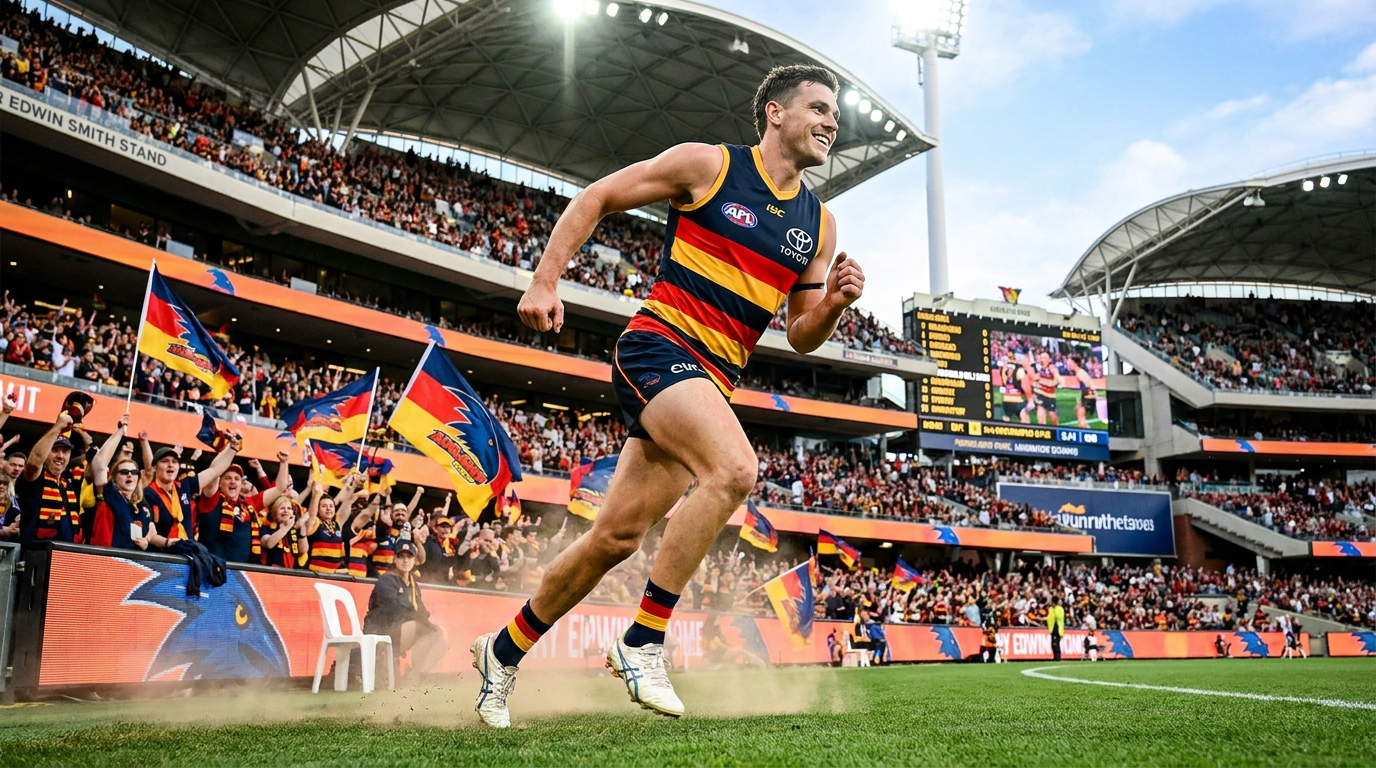
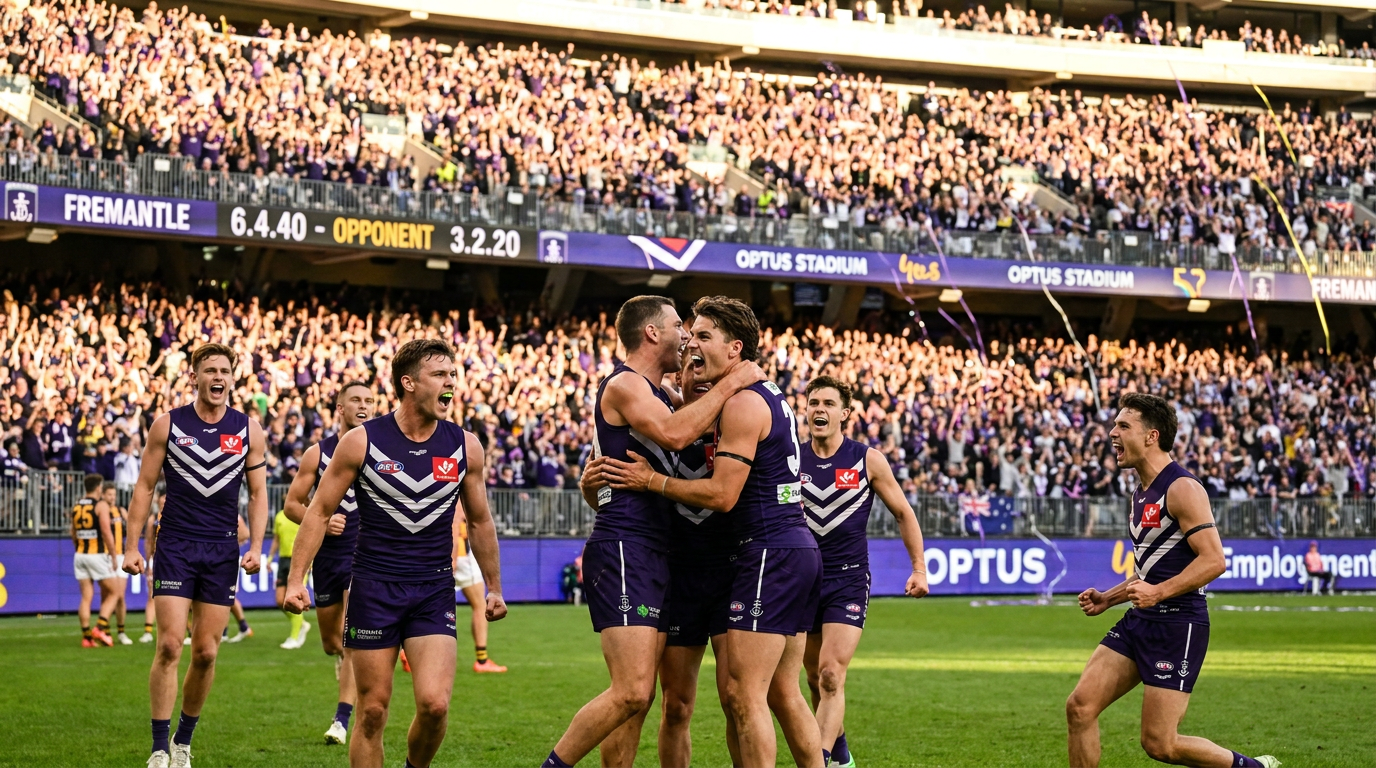
Fremantle and Sydney Dominate as New Wildcard Format Upends 2026 AFL Mid-Season Standings
7 sources
NWSL Transfers
Angel City FC Acquires USWNT Star Ally Sentnor in Blockbuster $850,000 Transfer
6 sources
New York Knicks
New York City Prepares for Historic Knicks Championship Parade as 53-Year Drought Ends
8 sources

Injury
PLL Injury Report: Xander Dickson and Zed Williams Return as Teams Navigate Key Absences
6 sources
Every angle. Every day.
Get sports stories with full source coverage and perspective breakdowns delivered to your inbox.