
US and Iran Sign Historic Ceasefire MOU, Ending 15-Week War Amid Regional Backlash
The United States and Iran have signed a landmark memorandum of understanding to end their 15-week military conflict, lifting blockades and launching a 60-day window for nuclear negotiations. However, the fragile truce faces immediate hurdles as Vice President JD Vance delays a trip to Switzerland for follow-up talks and critics warn the deal leaves the U.S. worse off.
By Factlen Editorial Team
- The Trump Administration
- Argues the deal averts a forever war, reopens the Strait of Hormuz, and forces Iran to the negotiating table.
- Domestic Critics
- Argue the war was a costly failure and the resulting MOU leaves the U.S. in a worse position than the 2015 JCPOA.
- Iranian Leadership
- Frames the ceasefire and the lifting of the U.S. naval blockade as a strategic victory and a defeat for American dominance.
- Israeli & Regional Allies
- Express deep concern that the deal abandons the goal of dismantling Iran's nuclear infrastructure and ignores its proxy networks.
What's not represented
- · Lebanese Civilians
- · Global Shipping Companies
Why this matters
The agreement halts a devastating regional war and reopens the critical Strait of Hormuz to global shipping, easing global energy markets. Yet the terms of the deal—and the unresolved status of Iran's nuclear program and proxy network—threaten to reshape Middle Eastern alliances and isolate Israel.
Key points
- The US and Iran signed a 14-point memorandum of understanding to end their 15-week war.
- The agreement requires the U.S. to lift its naval blockade within 30 days and Iran to reopen the Strait of Hormuz.
- A 60-day window has been established for technical negotiations in Switzerland regarding Iran's nuclear program.
- Vice President JD Vance delayed his scheduled trip to Geneva for the talks, citing logistical issues.
- The deal has faced intense criticism from domestic opponents and regional allies who argue it fails to address Iran's proxy network.
The United States and Iran have signed the "Islamabad Memorandum of Understanding," officially pausing a devastating 15-week war that threatened to permanently reshape the Middle East. Signed remotely by U.S. President Donald Trump and Iranian President Masoud Pezeshkian, the landmark agreement mandates an immediate and permanent termination of military operations on all fronts, explicitly including the volatile border in Lebanon.[2][4]
The conflict, which began in late February under the U.S.-Israeli banner of "Operation Epic Fury," saw unprecedented direct military exchanges, the assassination of high-ranking Iranian officials, and a crippling disruption of global trade. The new 14-point preliminary agreement seeks to unwind that escalation, primarily by addressing the immediate economic and military chokeholds both nations had applied to one another over the past three months.[4][5]
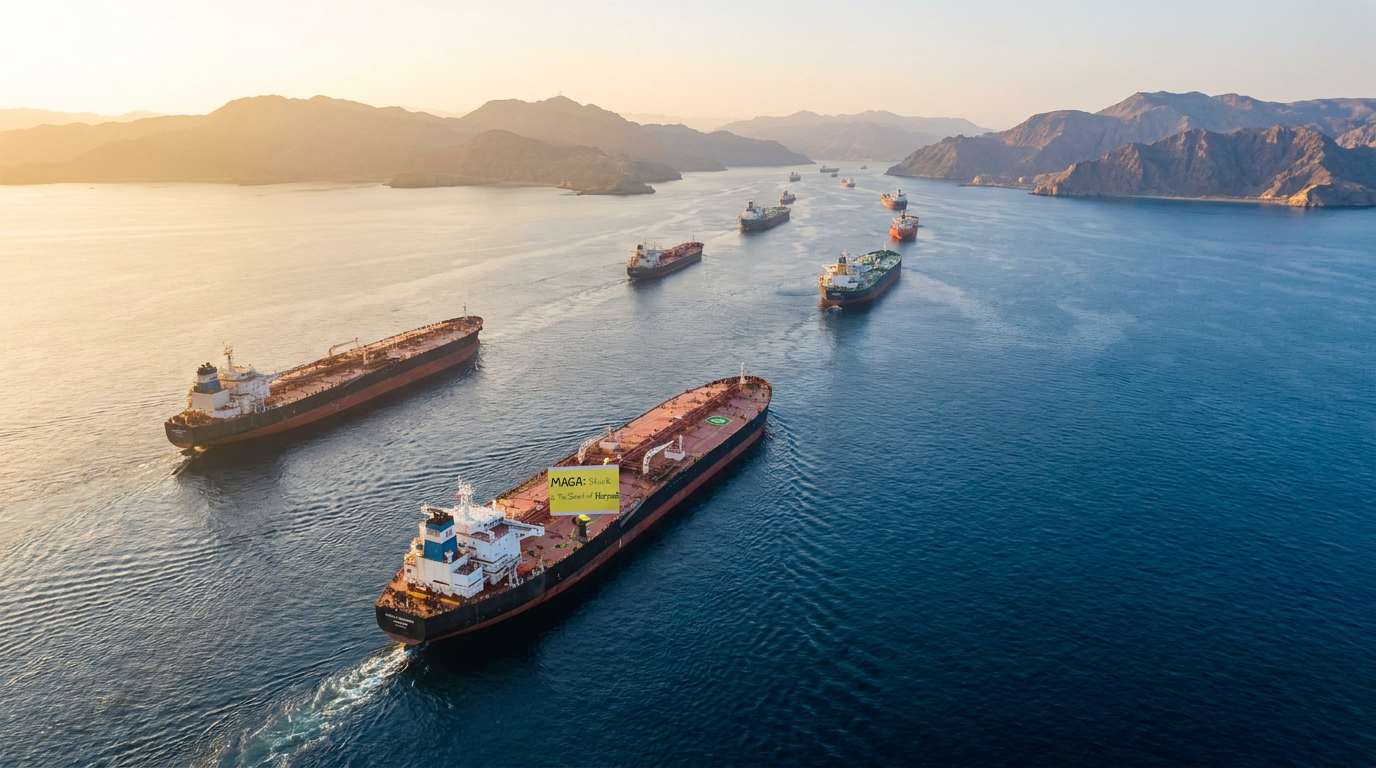
Under the terms of the memorandum, the United States has committed to fully lifting its naval blockade of Iranian ports within 30 days. In exchange, Tehran has agreed to immediately reopen the Strait of Hormuz to commercial shipping "toll-free." The closure of the strait—a vital artery for global oil supplies—had sent energy markets into a tailspin and fueled worldwide inflation, making its reopening a primary objective for the U.S. administration.[4][5]

Beyond immediate military de-escalation, the agreement outlines a highly controversial $300 billion reconstruction and economic development fund for Iran. This financial mechanism, to be supported by regional partners, is contingent on the successful conclusion of a final, comprehensive treaty. The U.S. has agreed to grant all necessary licenses and waivers to facilitate these financial transactions if a final deal is reached.[4]
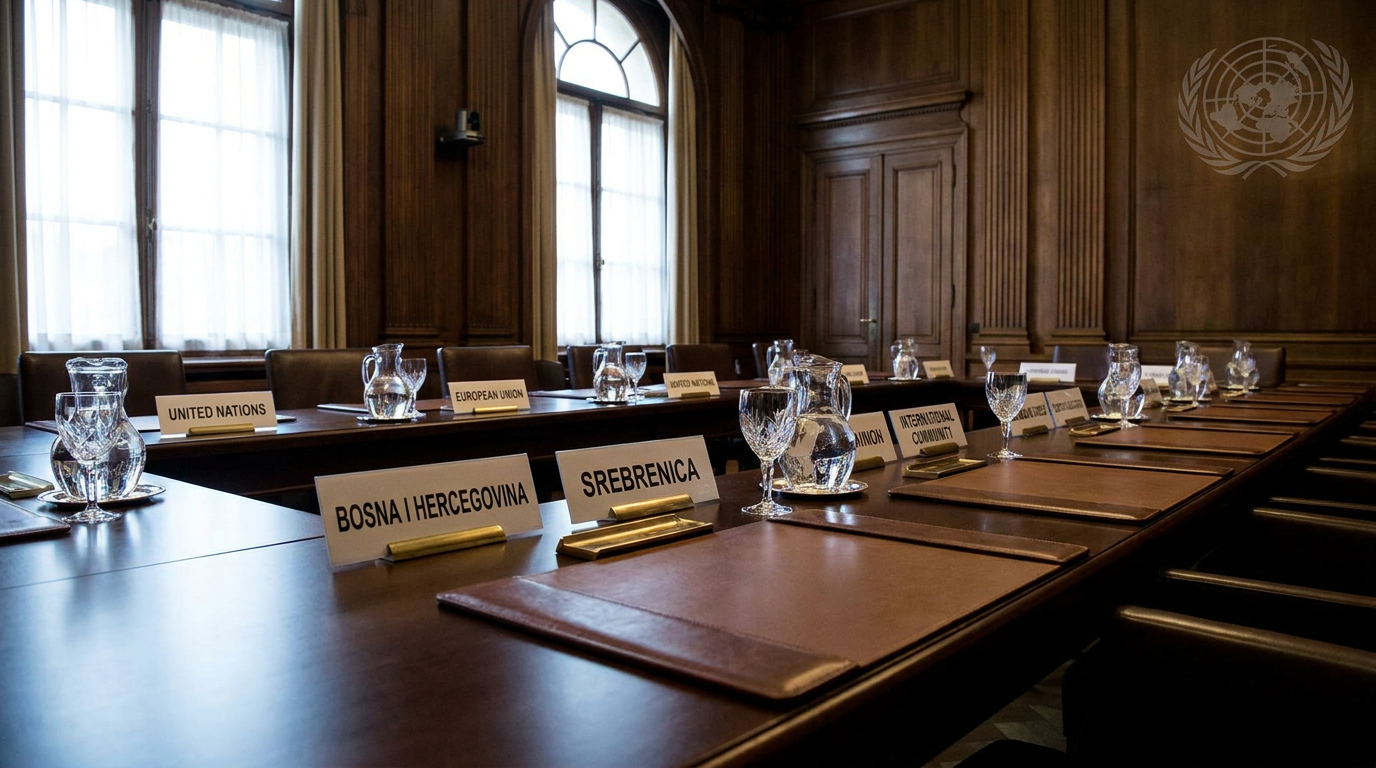
The memorandum is designed to trigger a 60-day window for technical negotiations in Switzerland, aimed at permanently resolving the status of Iran's nuclear program. However, this diplomatic off-ramp hit an immediate snag on Thursday when the White House announced that Vice President JD Vance had delayed his scheduled trip to Geneva. While the administration cited "logistics," the delay cast an immediate pall over the viability of the talks.[6][7]
The memorandum is designed to trigger a 60-day window for technical negotiations in Switzerland, aimed at permanently resolving the status of Iran's nuclear program.
Compounding the diplomatic stall, Iranian media reported that Tehran's delegation was also holding back. Iranian officials are reportedly demanding concrete proof that the ceasefire is actually holding in Lebanon before committing to face-to-face negotiations. The inclusion of Lebanon in the bilateral ceasefire has proven highly contentious, as the Lebanese government was largely sidelined during the Pakistan-brokered negotiations.[2][7]
The fragility of that specific provision was exposed almost immediately, as Israeli forces and Hezbollah exchanged deadly fire in southern Lebanon overnight. Israel, which launched the initial February strikes alongside the U.S., feels increasingly isolated by the Washington-Tehran pact. Israeli officials have expressed deep concern that the agreement allows Iran to retain some enriched uranium and completely omits its ballistic missile program and proxy network.[5][7]

Within the United States, the agreement has drawn fierce criticism from former officials and foreign policy analysts. Former President Barack Obama publicly stated that after spending billions of dollars and suffering significant casualties, the U.S. is "worse off" than before the conflict began. Critics argue that the U.S. essentially waged a costly war only to retreat to terms that are demonstrably weaker than the 2015 Joint Comprehensive Plan of Action (JCPOA).[1][3]
The Trump administration has forcefully defended the pact against these domestic and international critiques, framing the memorandum as a massive diplomatic victory that successfully averts a "forever war." Administration officials emphasize that the deal achieves the immediate goal of reopening vital global shipping lanes and forces Iran to the negotiating table without requiring a prolonged and bloody American ground presence in the region.[2][5]
In Tehran, the narrative is one of unmitigated triumph. Iranian officials, including chief negotiator Mohammad Bagher Ghalibaf, have framed the U.S. concessions—particularly the lifting of the naval blockade and the promise of reconstruction funds—as a strategic victory that shattered American dominance. Ghalibaf publicly warned that any American breach of the treaty's terms would be met with a "crushing response."[2]

The coming days will serve as a critical stress test for the Islamabad Memorandum. The international community is watching closely to see whether the fragile truce can hold amid ongoing skirmishes in the Levant and deep-seated distrust between Washington and Tehran. If Vance and the Iranian delegation fail to convene in Switzerland, the 60-day window for a comprehensive nuclear deal could collapse, plunging the region back into active conflict.[6][7]
How we got here
Feb 28, 2026
The U.S. and Israel launch "Operation Epic Fury," initiating a 15-week war with Iran.
April 8, 2026
The U.S. and Iran agree to an initial two-week ceasefire brokered by Pakistan.
April 13, 2026
Following failed talks, the U.S. imposes a naval blockade on Iranian ports.
June 17, 2026
President Trump and Iranian President Pezeshkian officially sign the Islamabad MOU.
June 18, 2026
Vice President JD Vance delays his trip to Switzerland for follow-up nuclear negotiations.
Viewpoints in depth
The Trump Administration's View
The agreement averts a forever war and achieves key strategic objectives.
Administration officials argue that the 15-week conflict successfully demonstrated American military resolve and brought Iran to the negotiating table. By securing the reopening of the Strait of Hormuz and establishing a 60-day window for nuclear talks, they contend the U.S. achieved its primary goals without committing to a prolonged, bloody ground war in the Middle East.
Domestic Critics' View
The war was a costly failure that resulted in a weak diplomatic settlement.
Former officials, including Barack Obama, and various foreign policy analysts argue that the U.S. spent billions and suffered casualties only to retreat to a position weaker than the 2015 JCPOA. They point out that the memorandum allows Iran to retain enriched uranium and completely ignores its ballistic missile program, effectively rewarding Tehran with sanctions relief and a reconstruction fund.
Iranian Leadership's View
The ceasefire is a strategic victory that broke the U.S. naval blockade.
Iranian officials frame the agreement as a triumph of national resistance. By forcing the U.S. to lift its naval blockade and securing a promise of a $300 billion reconstruction fund, Tehran claims it shattered American dominance in the region. Leaders have warned that any deviation from the agreed terms by Washington will be met with immediate military retaliation.
Israel's View
The pact abandons the goal of dismantling Iran's nuclear and proxy infrastructure.
Israeli officials feel deeply sidelined by the bilateral agreement, which they view as a capitulation. They are particularly alarmed that the deal leaves Iran's nuclear enrichment capabilities partially intact and fails to address the threat posed by Hezbollah and other regional proxies, leaving Israel to face these heavily armed militias alone.
What we don't know
- Whether the fragile ceasefire will hold in Lebanon amid ongoing exchanges of fire between Israel and Hezbollah.
- When Vice President JD Vance and the Iranian delegation will actually travel to Switzerland to begin technical talks.
- How the proposed $300 billion reconstruction fund for Iran will be financed and structured by regional partners.
- Whether Israel will independently continue military operations against Iranian proxies despite the U.S.-brokered truce.
Key terms
- Islamabad Memorandum of Understanding
- The 14-point preliminary peace agreement brokered by Pakistan to end the 2026 US-Iran war.
- Strait of Hormuz
- A critical shipping chokepoint between the Persian Gulf and the Gulf of Oman, through which a significant portion of the world's oil passes.
- Operation Epic Fury
- The U.S. code name for the joint military operations with Israel against Iran that began in February 2026.
- Naval Blockade
- A military operation in which the U.S. Navy prevented ships from entering or leaving Iranian ports.
Frequently asked
What is the Islamabad MOU?
It is a 14-point preliminary agreement brokered by Pakistan to end the 15-week war between the U.S. and Iran and launch nuclear negotiations.
Why did JD Vance delay his trip to Switzerland?
The White House cited "logistics," though reports indicate ongoing violence in Lebanon and Iranian hesitation also contributed to the delay.
What happens to the Strait of Hormuz?
Under the agreement, Iran will reopen the strait to commercial shipping toll-free, while the U.S. lifts its naval blockade of Iranian ports.
Does this deal address Iran's proxy groups?
No, the current memorandum defers or omits issues like Iran's ballistic missiles and its support for regional militias like Hezbollah.
Sources
Source coverage
7 outlets
4 viewpoints surfaced







[1]The GuardianDomestic Critics
Barack Obama says US is 'worse off' than before war with Iran
Read on The Guardian →[2]Al JazeeraIranian Leadership
Vance backs US-Iran deal as Washington ends blockade and Iran hails wartime gains
Read on Al Jazeera →[3]Washington PostDomestic Critics
Iran was worse off before, domestically and internationally
Read on Washington Post →[4]Channel News AsiaIranian Leadership
Snap Insight: US-Iran MOU is not yet a deal to end the war
Read on Channel News Asia →[5]Council on Foreign RelationsIsraeli & Regional Allies
Trump's Iran Deal Reopens the Strait. Much Remains to Be Done.
Read on Council on Foreign Relations →[6]Radio Free Europe/Radio LibertyThe Trump Administration
Vance Delays Trip To Switzerland For Iran Talks -- 'Logistics' Cited
Read on Radio Free Europe/Radio Liberty →[7]The HinduIsraeli & Regional Allies
Talks between the U.S. and Iran called off after intense fighting in Lebanon
Read on The Hindu →

More in news politics
See all 8 stories →Middle East Truce
Israel-Hezbollah Ceasefire Takes Effect as Fragile U.S.-Iran Truce Faces Immediate Tests
8 sources
U.S.-Iran Deal
Israel and Hezbollah Agree to Ceasefire as U.S.-Iran Swiss Talks Face Delays
8 sources
Middle East Diplomacy
U.S.-Iran Talks Stall as Israel-Hezbollah Ceasefire Faces Immediate Violations
8 sources
U.S.-Iran Deal
U.S. and Iran Sign 60-Day Truce to Reopen Strait of Hormuz, but Israel Defies Lebanon Ceasefire
7 sources
Every angle. Every day.
Get news politics stories with full source coverage and perspective breakdowns delivered to your inbox.