
US and Iran Hold High-Stakes Talks in Switzerland as Strait of Hormuz Closure Halts Shipping
Vice President JD Vance is leading tense negotiations with Iranian officials in Switzerland, even as President Trump threatens military action over Tehran's closure of the Strait of Hormuz. The talks face major hurdles over billions in frozen Iranian assets and escalating regional military postures.
By Factlen Editorial Team
- US Administration
- Balancing diplomatic outreach led by Vice President Vance with hardline military threats from President Trump to force Iranian concessions.
- Iranian Government
- Demanding the release of frozen assets and using the closure of the Strait of Hormuz as leverage against Western economic pressure and Israeli regional actions.
- Global Markets & Shippers
- Focused on the immediate economic fallout, urging a swift resolution to reopen the Strait of Hormuz and stabilize global energy prices.
What's not represented
- · Allied European nations reliant on Gulf oil
- · Civilian populations in Lebanon affected by the strikes triggering the standoff
Why this matters
The Strait of Hormuz is a critical chokepoint for global oil supplies; its closure threatens to spike energy prices and trigger a broader military conflict that could draw in US forces and severely disrupt the global economy.
Key points
- VP JD Vance and Iranian officials held 'tense but constructive' talks in Switzerland.
- Iran declared the Strait of Hormuz shut in retaliation for Israeli strikes in Lebanon.
- President Trump threatened to resume military attacks if the waterway remains blocked.
- The fate of billions in frozen Iranian assets remains a major sticking point in negotiations.
- Global shipping has stalled in the region, threatening to spike worldwide energy prices.
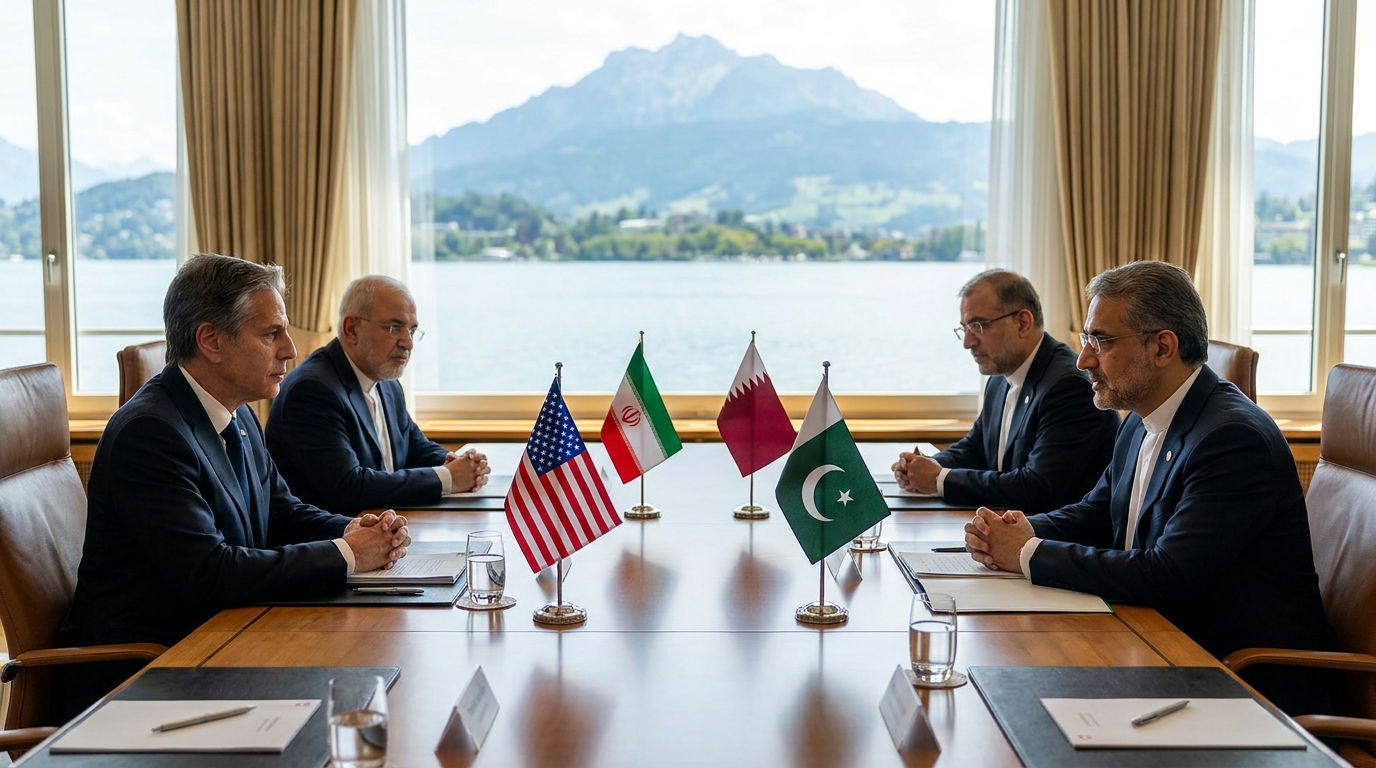
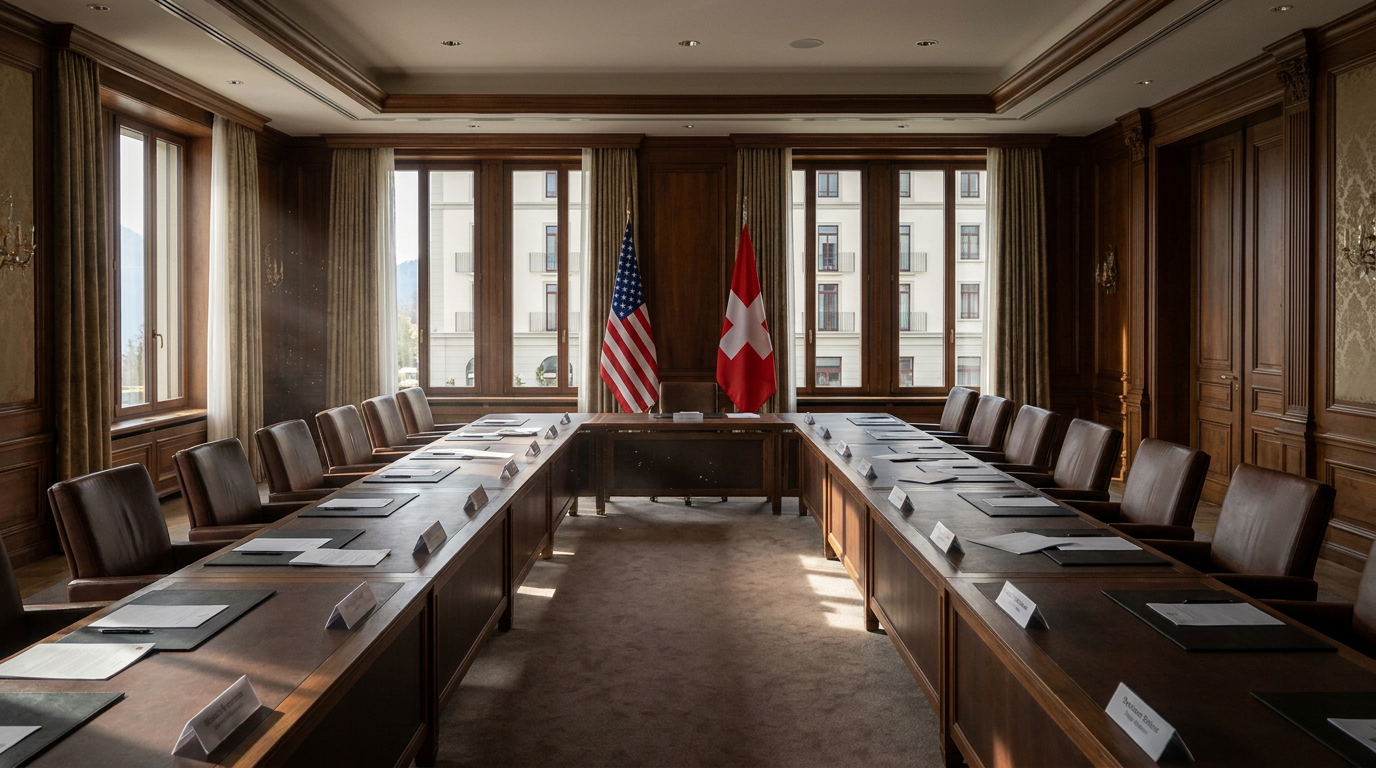
US and Iranian negotiators have wrapped up a critical day of high-stakes talks in Bürgenstock, Switzerland, attempting to forge a fragile peace framework amid rapidly escalating tensions in the Middle East. Vice President JD Vance, leading the American delegation, described the initial meetings as "tense but constructive," signaling an administration effort to turn over a new leaf with Tehran after months of indirect posturing. The diplomatic push represents a significant gamble for the White House, aiming to stabilize a region that has been teetering on the brink of a wider conflict.[1][3][6]
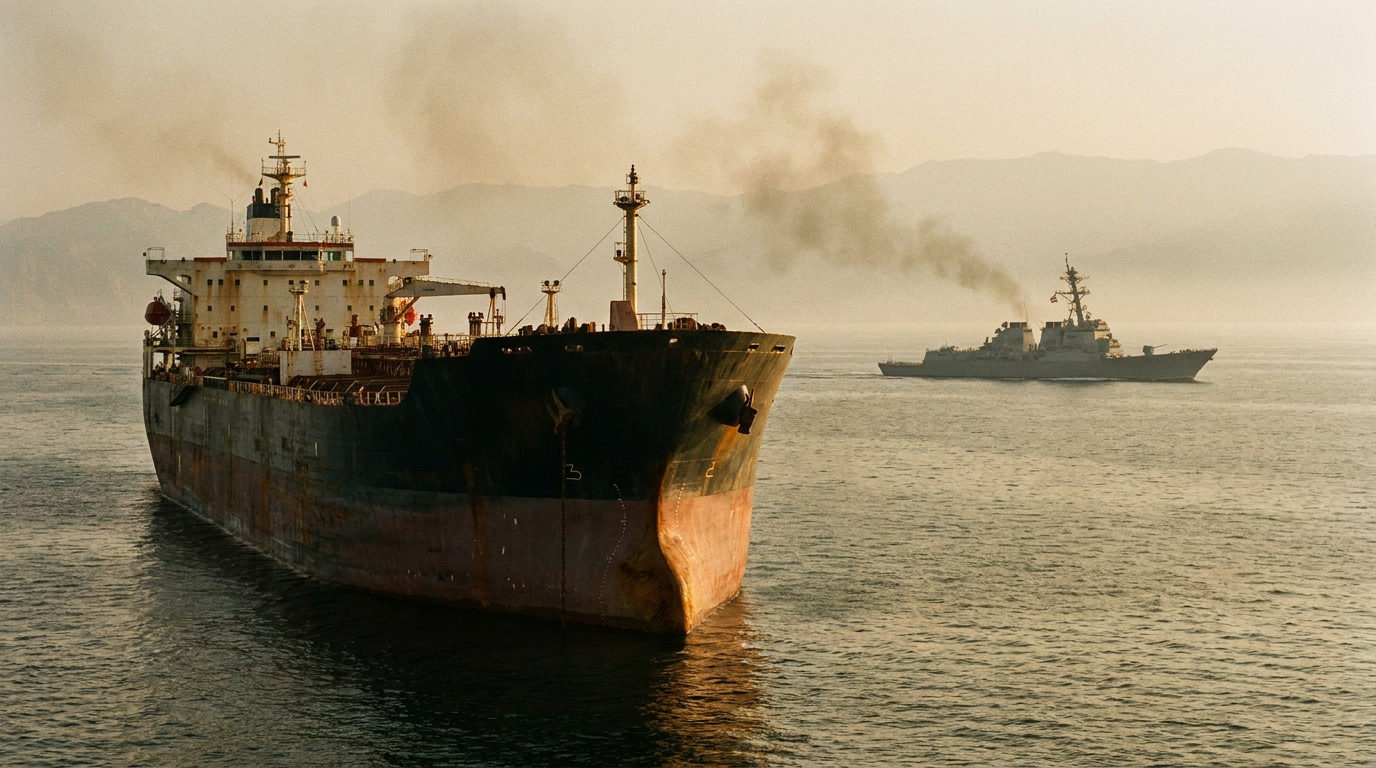
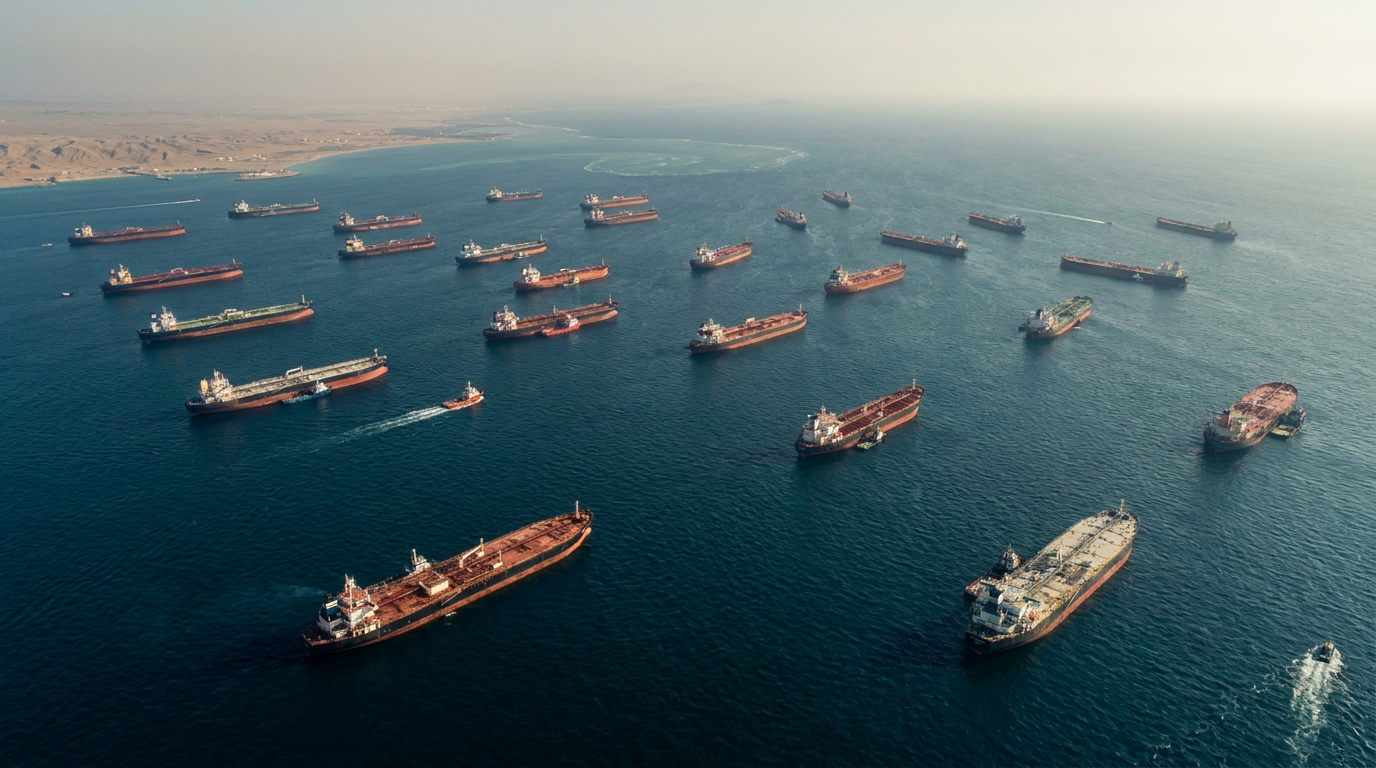
However, these diplomatic efforts are being severely overshadowed by rapid and aggressive developments on the ground. Iranian authorities announced they have effectively closed the Strait of Hormuz—a critical maritime chokepoint connecting the Persian Gulf to the open ocean—in direct retaliation for ongoing Israeli military strikes in southern Lebanon. Ship tracking data already shows a sharp and immediate decline in commercial transits through the waterway, effectively stalling a massive portion of global energy shipping and leaving dozens of massive crude carriers idling in the Gulf of Oman.[4][5][8]
The sudden closure prompted an immediate and severe response from Washington, highlighting a stark contrast in the administration's messaging. President Donald Trump issued a blunt ultimatum from the United States, threatening to resume direct military attacks on Iranian targets and warning that the nation "won't have a country" if the strait remains blocked. This aggressive, existential rhetoric from the Oval Office stands in sharp juxtaposition to the measured, diplomatic tone struck by Vice President Vance at the negotiating table in Switzerland.[1][6]

Foreign policy analysts note the apparent dual-track strategy being deployed by the administration—wielding the threat of overwhelming military force while simultaneously empowering the Vice President to negotiate terms in Europe. Some diplomatic observers suggest this "good cop, bad cop" dynamic is a calculated maneuver intended to maximize American leverage and force Iranian concessions. However, critics warn that such mixed messaging risks a catastrophic miscalculation by either side, particularly when military assets in the region are already operating on high alert.[1][6][7]
Some diplomatic observers suggest this "good cop, bad cop" dynamic is a calculated maneuver intended to maximize American leverage and force Iranian concessions.
Beyond the immediate maritime crisis in the Gulf, the talks in Switzerland face a significant structural hurdle: the fate of billions of dollars in frozen Iranian assets. Experts warn that determining who controls these funds, and under what specific conditions they might be released, represents the first major test of any potential long-term agreement. These assets, locked in international accounts due to layers of US and international sanctions, have long been a primary target for Iranian negotiators seeking economic relief.[2][7]
Iranian officials have reportedly made the unfreezing of these assets a non-negotiable precondition for any broader de-escalation framework. State-aligned media in Tehran argues forcefully that the funds are rightfully Iran's and that their continued seizure by Western financial institutions constitutes an ongoing act of economic warfare. From Tehran's perspective, this financial embargo justifies asymmetric responses, including the disruption of international shipping lanes, to force the international community to address their economic grievances and bring the United States to the negotiating table with tangible concessions.[8]

The economic stakes of this standoff are immense and immediate. With roughly a fifth of the world's daily oil consumption typically passing through the narrow Strait of Hormuz, global energy markets are bracing for severe supply shocks. Financial analysts warn that a prolonged closure could send Brent crude prices skyrocketing well past recent highs, exacerbating global inflation, driving up costs at the pump for American consumers, and threatening the stability of an already fragile global economy just as central banks attempt to manage interest rates.[4][5][7]
The current crisis is deeply intertwined with the broader, highly volatile regional conflict. Tehran explicitly linked its closure of the strait to Israeli military operations in Lebanon, framing its maritime blockade as an act of solidarity with its regional allies and a necessary measure to deter further strikes. This linkage severely complicates the US negotiating position, as Washington attempts to compartmentalize the bilateral Iran talks from the wider, deeply entrenched Middle Eastern security environment over which it has limited direct control.[1][4][8]

As negotiations continue behind closed doors in Switzerland, the international community is watching closely to see which track—diplomacy or military escalation—will ultimately prevail. The immediate priority for US negotiators is securing the safe reopening of the Strait of Hormuz to stabilize markets, a move that may require complex compromises on the frozen assets. Any such concessions, however, are likely to face fierce opposition from domestic critics in Washington who view the release of funds as rewarding hostile state behavior.[2][3][6]
How we got here
Late 2025
Regional conflicts escalate involving Israel and various Iran-aligned groups across the Middle East.
June 20, 2026
Vice President JD Vance arrives in Switzerland to begin direct peace talks with Iranian officials.
June 21, 2026
Iran announces the closure of the Strait of Hormuz, citing ongoing strikes in southern Lebanon.
June 21, 2026
President Trump issues an ultimatum, threatening military action if the strait is not immediately reopened.
Viewpoints in depth
The US Administration's Strategy
Washington is employing a dual-track approach of diplomatic engagement and military threats.
The US approach appears highly bifurcated. On one hand, Vice President JD Vance is actively engaging in face-to-face diplomacy in Switzerland, attempting to build a framework for long-term de-escalation. On the other hand, President Trump is utilizing the Oval Office to project overwhelming military strength, threatening existential consequences for Iran if it continues to block international shipping. Analysts suggest this 'good cop, bad cop' routine is designed to maximize pressure on Tehran, though it carries a severe risk of misinterpretation that could accidentally trigger the very war the diplomats are trying to prevent.
Tehran's Leverage
Iran is using its control over vital shipping lanes to force economic concessions.
For Iranian leadership, the closure of the Strait of Hormuz is a calculated asymmetric response to what they view as Western economic warfare. By choking off 20% of the world's oil supply, Tehran aims to inflict enough economic pain on global markets to force the US and its allies to unfreeze billions of dollars in sanctioned assets. Furthermore, linking the closure to Israeli actions in Lebanon allows Iran to project strength to its regional proxies, demonstrating that it can and will disrupt global commerce in defense of its allies.
The Economic Fallout
Global markets are bracing for severe inflation if the waterway remains closed.
Energy analysts and global shippers are sounding the alarm over the immediate consequences of the standoff. The Strait of Hormuz is arguably the most important energy chokepoint in the world; a prolonged closure cannot be easily bypassed by pipelines or alternative routes. If the diplomatic talks in Switzerland fail to yield a swift reopening, the resulting spike in crude oil prices could reverse recent progress on global inflation, forcing central banks to maintain or raise interest rates and potentially tipping fragile economies into recession.
What we don't know
- Whether the US is willing to unfreeze Iranian assets in exchange for reopening the Strait of Hormuz.
- How long global energy markets can absorb the shipping delays before prices spike dramatically.
- If President Trump will follow through on his military threats if negotiations stall.
Key terms
- Strait of Hormuz
- A narrow, strategically vital waterway between the Persian Gulf and the Gulf of Oman, through which approximately 20% of the world's oil consumption passes.
- Frozen Assets
- Financial reserves belonging to a country that are blocked from being accessed or transferred due to international economic sanctions.
Frequently asked
Why did Iran close the Strait of Hormuz?
Iran stated the closure is in retaliation for ongoing Israeli military strikes in southern Lebanon, using the waterway as leverage in its standoff with the West.
What is JD Vance doing in Switzerland?
Vice President JD Vance is leading the US delegation in direct negotiations with Iranian officials to establish a peace framework and de-escalate regional tensions.
What are the frozen funds being discussed?
Billions of dollars in Iranian assets are currently locked in international accounts due to US and international sanctions, and Tehran is demanding their release as a condition for peace.
Sources
Source coverage
8 outlets
3 viewpoints surfaced







[1]The GuardianUS Administration
Trump news at a glance: President threatens to restart attacks on Iran even as Vance cites progress in talks
Read on The Guardian →[2]Fox NewsUS Administration
Major dispute to threaten Trump's Iran deal over billions in frozen Tehran funds: expert
Read on Fox News →[3]Al JazeeraIranian Government
US and Iran meet for 'tense' but 'constructive' ceasefire talks
Read on Al Jazeera →Shipping stalls in Strait of Hormuz after Iran declares key waterway shut
Read on Al Jazeera →[5]ReutersGlobal Markets & Shippers
Oil prices surge as Iran shuts Strait of Hormuz amid US talks
Read on Reuters →[6]The New York TimesUS Administration
Vance Seeks Diplomatic Breakthrough in Switzerland as Trump Issues Ultimatum to Tehran
Read on The New York Times →[7]The Wall Street JournalGlobal Markets & Shippers
Frozen Funds Emerge as Sticking Point in US-Iran Negotiations
Read on The Wall Street Journal →[8]IRNAIranian Government
Tehran Demands Release of Assets as Hormuz Closure Halts Western Shipping
Read on IRNA →

More in news politics
See all 6 stories →Strait of Hormuz
US and Iran Open Direct Peace Talks in Switzerland Amid Renewed Strait of Hormuz Blockade
7 sources
Public Health Guidelines
Fact Check: Do 'Weekend Warrior' Workouts Actually Provide the Same Benefits as Daily Exercise?
7 sources

Strait of Hormuz
Global Shipping Halts in Strait of Hormuz as U.S. and Iran Open High-Stakes Peace Talks
8 sources
US-Iran Relations
U.S. and Iran Open Ceasefire Talks in Switzerland as Strait of Hormuz Closure Halts Shipping
7 sources
Every angle. Every day.
Get news politics stories with full source coverage and perspective breakdowns delivered to your inbox.