
The Rise of 'Slow Content': Why Creators Are Abandoning the Hyper-Edited Meta
After years of chasing the algorithm with overstimulating, fast-paced videos, top internet creators are embracing 'slow content.' This shift toward long-form, authentic storytelling is rewarding creators with deeper audience connection and better mental health.
By Factlen Editorial Team
- Slow Content Advocates
- Creators and strategists who believe slower pacing is essential for artistic integrity and mental health.
- Algorithmic Pragmatists
- Industry analysts who view the shift primarily through the lens of platform economics and data.
- The Audience
- Viewers experiencing content fatigue who are actively seeking out depth, authenticity, and long-form video essays.
What's not represented
- · Short-form platform executives (e.g., TikTok, Shorts)
- · Creators who still rely on high-volume daily uploads
Why this matters
The media you consume shapes your attention span and mental health. The industry-wide shift toward 'Slow Content' means your feeds will increasingly feature deeper, more thoughtful storytelling rather than exhausting, hyper-stimulating clickbait.
Key points
- The 'retention editing' era of hyper-fast cuts and loud sound effects is rapidly falling out of favor.
- Top creators are pivoting to 'Slow Content,' prioritizing deep research and deliberate pacing over daily uploads.
- The YouTube algorithm heavily rewards total 'Watch Time,' making longer videos mathematically advantageous.
- Videos over 10 minutes qualify for multiple mid-roll ads, significantly increasing revenue for long-form creators.
- Audiences experiencing content fatigue are driving a massive surge in the popularity of long-form video essays.
- The slower production schedule is helping creators combat industry-wide burnout and build deeper parasocial trust.
For the better part of a decade, the blueprint for internet stardom was written in milliseconds. The reigning philosophy of the creator economy was "retention editing"—a hyper-caffeinated visual style characterized by jump cuts every three seconds, blaring sound effects, flashing graphics, and a relentless, shouting delivery. Pioneered by mega-creators and quickly adopted by millions of hopefuls, this aesthetic was designed to hijack the human attention span. The goal was simple: never give the viewer a single second of visual silence to click away. It became known as the "Beastification" of YouTube, a race to the bottom of the brain stem that transformed the platform into a chaotic, overstimulating arcade.[2]
But the architect of that very aesthetic has recently become its most prominent critic. Jimmy Donaldson, known universally as MrBeast, shocked the creator ecosystem when he publicly disavowed the ultra-fast-paced era of content he helped create. In a message to his peers, he revealed a dramatic pivot in his own production strategy: he had intentionally slowed his videos down, focused on narrative storytelling, allowed scenes to breathe, and significantly reduced the yelling. The result, he noted, was that his viewership actually skyrocketed.[1][2]
This reversal at the very top of the platform's hierarchy signaled a seismic shift in the digital landscape. A comparative analysis of Donaldson’s own catalog illustrates the change perfectly. In a flagship video from early 2023, editors packed 38 jarring cuts into a single 60-second window. Just a year later, a similar one-minute segment in a newer release featured only 23 cuts, utilizing lingering, zoomed-out shots and normal conversational volumes. This deliberate deceleration is the vanguard of a broader industry movement that strategists are calling "Slow Content."[1][5]

The Slow Content movement is a conscious rejection of the digital assembly line. Instead of churning out three superficial, trend-chasing videos a week, creators are pivoting to publishing one meticulously researched, deeply crafted piece a month. The philosophy champions depth over breadth, evergreen relevance over fleeting virality, and genuine substance over clickbait packaging. It is a return to the fundamentals of filmmaking and storytelling, prioritizing the creator's unique voice and perspective over algorithmic pandering.[5]
This shift is largely driven by a phenomenon known as "Content Fatigue." With over 500 hours of video uploaded to YouTube every single minute, audiences are drowning in a sea of identical, hyper-optimized media. Viewers have become desensitized to the flashing lights and manufactured stakes of retention editing. They are scrolling faster, skipping more frequently, and trusting creators less. The sheer volume of overstimulating content has created a vacuum for authenticity, making quiet, thoughtful media stand out simply by virtue of its restraint.[5]
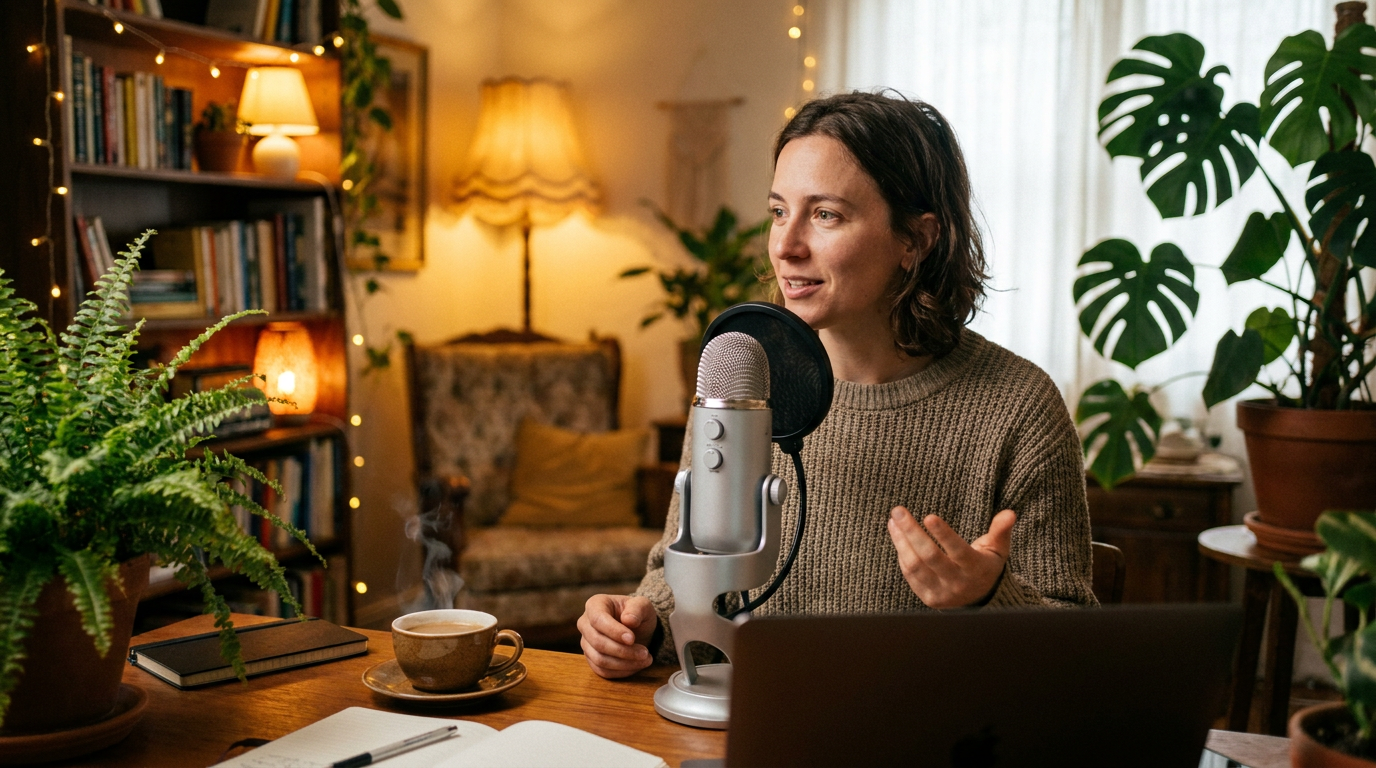
Nowhere is this appetite for substance more apparent than in the renaissance of the long-form video essay. Once considered a niche academic format, the video essay has exploded into mainstream popularity, particularly among Gen Z audiences. These deep-dive explorations—which can range from a snappy 20-minute cultural critique to a sprawling, five-hour retrospective on a single television show—combine rigorous research with immersive storytelling. They offer a stark contrast to the bite-sized, ephemeral nature of TikTok, proving that younger demographics do not inherently lack attention spans; they simply demand content worthy of their attention.[4]

Nowhere is this appetite for substance more apparent than in the renaissance of the long-form video essay.
The economic and algorithmic realities of modern platforms are actually accelerating this transition away from hyper-stimulation. While conventional wisdom long held that short, punchy videos were the absolute key to algorithmic favor, the underlying mechanics of recommendation engines tell a much different story. YouTube's primary goal as a platform is not necessarily to maximize the percentage of a single video a user watches, but rather to maximize the total time that user spends on the platform in a given session—a crucial metric known internally as "Watch Time."[3]
The mathematics of Watch Time heavily favor long-form creators. Consider a creator who publishes a frantic, highly optimized five-minute video that achieves an incredible 80 percent retention rate. That video generates four minutes of total watch time per viewer. Conversely, a creator who publishes a slower, 40-minute documentary that only retains 30 percent of its audience still generates 12 minutes of watch time per viewer. From the platform's perspective, the slower, longer video is three times more valuable in keeping the user engaged within the ecosystem.[3]
Beyond algorithmic preference, longer videos unlock significantly better monetization opportunities. Videos that cross the 10-minute threshold become eligible for multiple mid-roll advertisements. For creators, this means that even if a smaller percentage of the audience reaches the end of a video, the sheer volume of ad impressions generated by those who stay makes the longer format vastly more profitable. This financial incentive provides creators with the necessary runway to invest weeks or months into a single project, rather than racing to meet a daily upload quota.[3]

The pivot to Slow Content is also fundamentally reshaping the parasocial relationship between creators and their audiences. High-speed retention editing often masks a lack of genuine personality; when the screen is constantly exploding, the viewer never actually gets to know the person on camera. By letting scenes breathe and speaking conversationally, creators are fostering a deeper, more authentic trust with their viewers. This trust is the ultimate currency in the modern creator economy, leading to stronger community loyalty, higher merchandise sales, and more successful crowdfunding campaigns.[1][5]
This emphasis on trust has also birthed adjacent trends like "de-influencing," where creators actively advise their audiences against purchasing overhyped products. By occasionally saying "no" and prioritizing honest communication over lucrative sponsorships, these creators cement their credibility. In a digital environment saturated with empty promises and hidden advertisements, a creator who demonstrates integrity and thoughtful restraint becomes a rare and highly valued commodity.[5]
Perhaps the most profound impact of the Slow Content movement, however, is on the mental health and longevity of the creators themselves. The retention editing era forced digital artists onto an unforgiving, high-speed treadmill, demanding a constant escalation in both production value and upload frequency just to maintain baseline relevance. This high-pressure environment led to widespread, highly publicized burnout across the industry, with many of the platform's top creators stepping away from their channels entirely to preserve their psychological well-being and escape the algorithm's demands.[6]

Embracing a slower, more deliberate production schedule offers a highly sustainable alternative to that grueling grind. By focusing on meticulous craft rather than sheer volume, creators can reclaim their artistic agency and establish much healthier boundaries with their daily work. They are actively trading the anxiety of the daily algorithm chase for the deep satisfaction of producing meaningful, enduring media. This structural shift not only prolongs their professional careers but fundamentally improves the quality of the art they are able to share with the world.[5][6]
As the creator economy matures into its next decade, the frantic noise of its adolescence is beginning to quiet. The realization that audiences crave depth, that algorithms reward substance, and that creators require sustainability has aligned to forge a healthier digital ecosystem. The era of the hyper-edited, overstimulating spectacle is not entirely dead, but it is no longer the undisputed king of the internet. In its place, a more thoughtful, deliberate, and profoundly human era of storytelling is taking root.[6]
How we got here
2012
YouTube updates its algorithm to prioritize total 'Watch Time' over raw view counts.
2018-2022
The 'retention editing' meta dominates, with creators using hyper-fast cuts to maximize engagement.
Early 2024
Top creator MrBeast publicly disavows the ultra-fast-paced era, revealing his slower videos are performing better.
2025-2026
The 'Slow Content' movement goes mainstream, marked by a surge in long-form video essays and relaxed pacing.
Viewpoints in depth
Slow Content Advocates
Creators and strategists who believe slower pacing is essential for artistic integrity and mental health.
This camp argues that the 'assembly line' model of daily uploads has broken the creator economy, leading to widespread burnout and a sea of disposable, identical content. By intentionally slowing down, creators can reclaim their voice, conduct actual research, and produce evergreen media that viewers will return to for years. They view the reduction in jump-cuts and screaming not just as an aesthetic choice, but as a fundamental respect for the audience's intelligence.
Algorithmic Pragmatists
Industry analysts who view the shift primarily through the lens of platform economics and data.
For this group, the pivot to longer, slower content isn't a moral awakening—it's just good math. They point out that recommendation engines are designed to keep users on the platform for as long as possible. A 40-minute video inherently generates more total watch time than a 5-minute video, even if viewer retention drops off earlier. Combined with the ability to place multiple mid-roll ads in videos over 10 minutes, this camp sees 'Slow Content' as the most lucrative optimization strategy available to modern creators.
The Audience Perspective
Viewers who are experiencing content fatigue and actively seeking out depth.
Audiences, particularly Gen Z, are increasingly vocal about their exhaustion with the overstimulating, hyper-edited meta. Facing a daily barrage of 500 hours of video uploaded every minute, viewers are experiencing profound content fatigue. This camp is driving the massive surge in popularity for long-form video essays and deep-dive documentaries, proving that modern audiences still crave nuance, authenticity, and intellectual engagement when they log online.
What we don't know
- Whether short-form platforms like TikTok and Instagram Reels will successfully adapt their algorithms to reward slower, long-form content.
- How the integration of generative AI editing tools will impact the perceived authenticity of the Slow Content movement.
- If the financial incentives for long-form content will eventually lead to a bloat of unnecessarily stretched videos.
Key terms
- Retention Editing
- A fast-paced video editing style featuring constant jump cuts, loud sound effects, and zero pauses, designed to maximize viewer attention spans.
- Slow Content
- A media movement prioritizing high-quality, deeply researched, and deliberately paced content over frequent, trend-chasing uploads.
- Watch Time
- The total accumulated amount of time viewers spend watching a video, which is a primary metric used by recommendation algorithms.
- Video Essay
- A long-form, thesis-driven video that uses narration, clips, and editing to deeply analyze a specific cultural, political, or artistic topic.
- Parasocial Trust
- The one-sided sense of connection and reliability that a viewer feels toward a digital creator they watch regularly.
Frequently asked
Does the YouTube algorithm punish short videos?
No, the algorithm doesn't punish short videos, but it heavily rewards total 'Watch Time.' A longer video with a lower completion percentage can still generate significantly more total watch time than a short video watched all the way through.
Why are creators suddenly making longer videos?
Longer videos allow creators to tell better stories, build deeper trust with their audience, and qualify for multiple mid-roll advertisements, which increases their revenue per view.
What is retention editing?
Retention editing is a hyper-stimulating style of video production that uses constant cuts, flashing graphics, and loud noises to keep viewers from clicking away. It is currently falling out of favor.
Sources
Source coverage
6 outlets
3 viewpoints surfaced






[1]TubefilterSlow Content Advocates
MrBeast tells creators to stop using his fast-paced editing style
Read on Tubefilter →[2]The Washington PostAlgorithmic Pragmatists
The 'retention editing' wave is subsiding
Read on The Washington Post →[3]HootsuiteAlgorithmic Pragmatists
How the YouTube algorithm works in 2025
Read on Hootsuite →[4]Her CampusThe Audience
Gen Z might have the attention span of a goldfish, but when it comes to video essays, we're swimming in deeper waters
Read on Her Campus →[5]Davies MeyerSlow Content Advocates
Content Fatigue Is Real: Why Slow Content Performs
Read on Davies Meyer →[6]Factlen Editorial TeamThe Audience
Synthesis by Factlen editorial team
Read on Factlen Editorial Team →
Every angle. Every day.
Get entertainment stories with full source coverage and perspective breakdowns delivered to your inbox.