
US Women's Soccer Leagues Align Calendars in Major Step Toward Unified Domestic Growth
The USL Super League will shift to a spring-to-fall schedule in 2027 to align with the NWSL, creating a cohesive domestic calendar as women's soccer experiences record-breaking attendance.
By Factlen Editorial Team
- USL Super League Executives
- League leadership prioritizes domestic alignment and collaboration to strengthen the American soccer ecosystem.
- NWSL Leadership
- The established top-flight league focuses on leveraging broader soccer cultural moments to expand its fanbase.
- Local Club Management
- Technical staffs and front offices must navigate the immediate logistical hurdles of a shifting calendar.
What's not represented
- · European club executives
- · Players' union representatives
Why this matters
A unified domestic calendar eliminates direct competition for offseason resources and fan attention, strengthening the US market's ability to develop talent and attract global stars ahead of the 2031 Women's World Cup.
Key points
- The USL Super League will switch to a spring-to-fall calendar in 2027 to align with the NWSL.
- A transitional 14-match season will be played in the fall of 2026 to bridge the scheduling gap.
- League executives cite the upcoming 2031 Women's World Cup as a catalyst for domestic collaboration.
- The NWSL opened its 2026 season with record-breaking attendance, drawing nearly 130,000 fans.
- A record 138 NWSL players were called up for international duty during the June FIFA window.
The landscape of professional women's soccer in the United States is undergoing a structural unification designed to elevate the sport's domestic commercial power. The USL Super League, a newly minted Division One professional women's soccer league, announced it will abandon its initial fall-to-spring schedule to adopt a spring-to-fall calendar beginning in 2027. The pivot marks a significant strategic shift for the upstart organization, which originally launched with a schedule designed to mirror the traditional European club calendar. By choosing to synchronize its season with the established National Women's Soccer League (NWSL), the USL Super League is signaling a commitment to building a cohesive North American soccer ecosystem rather than fragmenting the market. The move eliminates direct competition for offseason resources and ensures that the sport commands a concentrated, unified spotlight throughout the warmer months.[1][2][3]
The decision to reverse the scheduling philosophy was driven heavily by the long-term horizon of international soccer, specifically the 2031 FIFA Women's World Cup, which the United States is bidding to host. League executives recognized that a fragmented domestic calendar could hinder the collective growth required to maximize the impact of a home World Cup. Instead of framing the fall-to-spring format as an alignment with the global game, the USL Super League has now stated that alignment with the domestic game is its ultimate priority. This collaborative approach is intended to strengthen the infrastructure of American women's soccer, making it easier for broadcasters, sponsors, and fans to engage with the sport without navigating overlapping or conflicting league schedules.[1][2][6]
"As we look ahead to the 2031 FIFA Women's World Cup and the momentum it can create, we believe it is important for the USL and the Gainbridge Super League to be active participants in those conversations," said USL Super League President Amanda Vandervort. She emphasized that aligning the calendar with the broader domestic game positions the league to be a stronger partner while supporting the continued advancement of women's soccer across the continent. The sentiment reflects a growing consensus among American soccer executives that a rising tide lifts all boats, and that structural harmony is a prerequisite for competing with the rapidly growing European women's leagues for global talent and investment.[6]

To bridge the gap between its current operations and the new 2027 calendar, the USL Super League will execute a condensed, standalone season in the fall of 2026. The league's eight inaugural clubs, including Dallas Trinity FC and Brooklyn FC, will kick off a 14-match sprint on August 15. Each team will play seven home and seven away matches before the regular season concludes on November 28. The top four sides will then advance to the playoffs, with semifinal matches scheduled for December 5 and the championship final set for December 12. The transitional season is designed to maintain competitive momentum while resetting the league's operational clock for the following spring.[3][6]
For local club management, the sudden calendar shift introduces immediate logistical hurdles, even as it promises long-term stability. Technical staffs and front offices are now tasked with navigating a highly compressed offseason to build their rosters for the August kickoff. The 14-match format offers virtually no margin for error, meaning a slow start could easily eliminate a club from playoff contention. Coaches must rapidly integrate new signings and establish tactical cohesion, knowing that the race for the Players' Shield will be a relentless sprint rather than a marathon. Despite these short-term challenges, clubs are adapting to the new reality, recognizing that the eventual alignment will simplify future player transfers and international duty releases.[3]
For local club management, the sudden calendar shift introduces immediate logistical hurdles, even as it promises long-term stability.
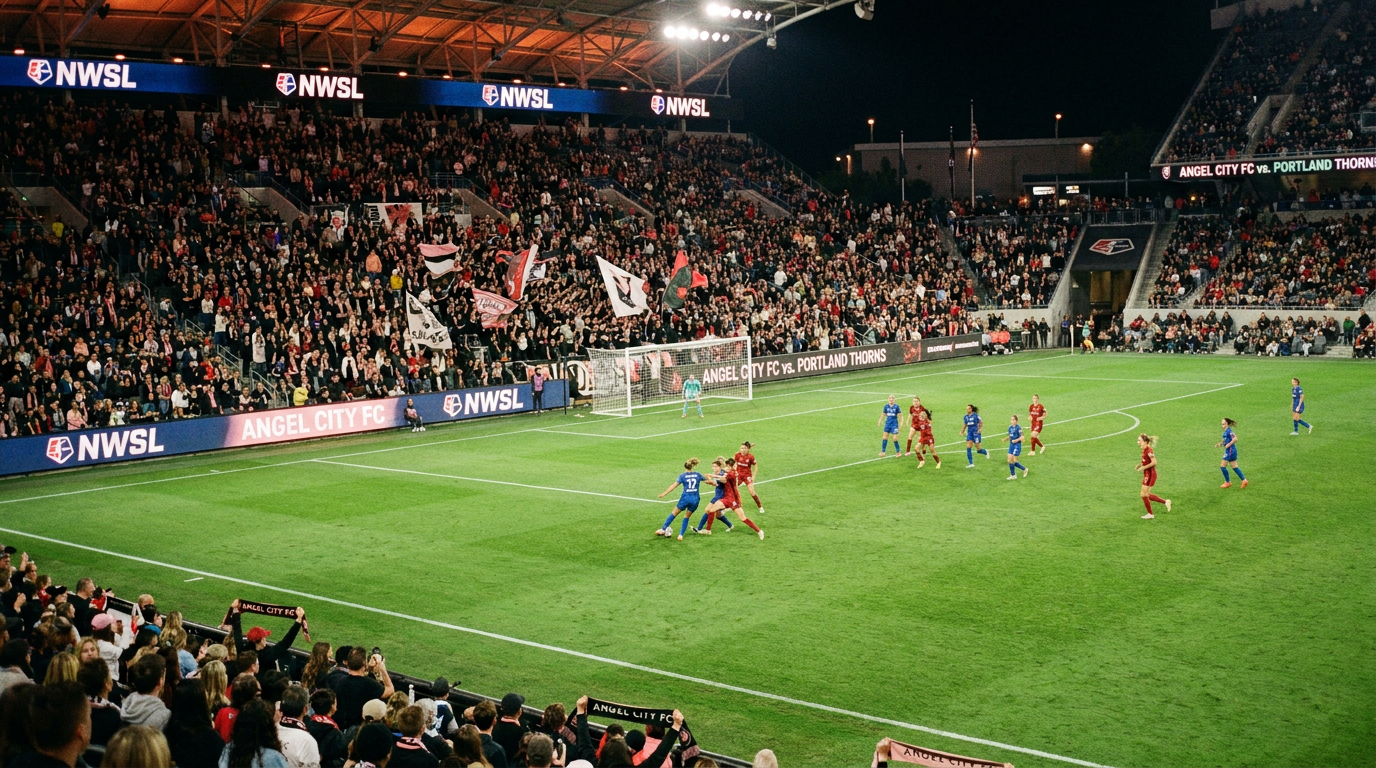
The consolidation of the American soccer calendar arrives during a period of unprecedented momentum and commercial success for the women's game. The NWSL kicked off its 2026 campaign by shattering its own attendance records, drawing nearly 130,000 fans across its opening weekend. The league averaged over 16,000 spectators per match, with seven of its eight opening fixtures welcoming crowds of more than 10,000 fans. Expansion franchise Boston Legacy FC set a historic benchmark by drawing 30,207 fans for its inaugural match, the largest crowd ever for a club's first game in NWSL history. These metrics underscore a surging domestic appetite for live women's soccer that both leagues are now positioned to capture.[4]

Beyond domestic ticket sales, the NWSL's global footprint is expanding at a record pace, further validating the strength of the American spring-to-fall model. During the June 2026 FIFA international window, an astonishing 138 NWSL players were called up to represent 34 different countries on the international stage. This figure represents the highest number of international call-ups in a single window in the league's history, highlighting the NWSL's status as a premier destination for elite global talent. The synchronized domestic calendar ensures that these international stars can compete in the United States without the severe schedule disruptions that would occur if the leagues operated on conflicting timelines.[4]
The NWSL is also proactively capitalizing on the broader cultural phenomenon generated by the 2026 Men's World Cup currently taking place across North America. Rather than retreating from the crowded sports landscape, the league has adjusted its summer schedule to capture the attention of newly converted soccer enthusiasts. The NWSL launched a nationwide branded bus tour and scheduled high-profile exhibition matches in major World Cup host cities, including New York, Los Angeles, and Seattle. The initiative is designed to seamlessly transition fans from the global spectacle of the men's tournament into regular consumers of domestic women's club soccer.[5]

"Our specific focus for the 2026 season is to make sure that our games and our product are in front of people who love elite soccer, agnostic to whether it is men or women," NWSL Commissioner Jessica Berman noted regarding the league's ambitious summer marketing push. By actively courting the massive audiences drawn to the World Cup, the NWSL is attempting to permanently elevate its baseline viewership. The strategy relies on the quality of the on-field product, trusting that fans exposed to the league's high-tempo, technically advanced style of play will remain engaged long after the international tournament concludes.[5]
As the USL Super League navigates its transitional fall sprint and the NWSL continues its record-setting campaign, the American women's soccer ecosystem is presenting a united, formidable front. The structural harmony achieved by aligning the domestic calendars eliminates internal friction and sets a robust foundation for the sport's next era of commercial and athletic growth. With attendance surging, international integration at an all-time high, and a collaborative vision guiding the top leagues, women's professional soccer in the United States is uniquely positioned to dominate the global landscape in the years leading up to the 2031 World Cup.[1][2][4][6]
How we got here
March 2026
The NWSL opens its season with record-breaking attendance, averaging over 16,000 fans per match.
June 5, 2026
The USL Super League announces it will abandon its fall-to-spring format to align with the NWSL's calendar in 2027.
June 2026
A record 138 NWSL players are called up to represent 34 countries during the FIFA international window.
August 15, 2026
The USL Super League will kick off its transitional 14-match fall season.
Viewpoints in depth
USL Super League Executives
League leadership prioritizes domestic alignment and collaboration to strengthen the American soccer ecosystem.
Super League officials argue that mirroring the European fall-to-spring calendar, while globally minded, created unnecessary friction within the United States. By pivoting to a spring-to-fall schedule, they aim to build a cohesive domestic market that can collectively capitalize on the momentum leading up to the 2031 Women's World Cup, ensuring that the leagues are partners in growth rather than direct competitors for offseason attention.
NWSL Leadership
The established top-flight league focuses on leveraging broader soccer cultural moments to expand its fanbase.
NWSL executives view the current landscape as an unprecedented opportunity for audience acquisition. Rather than viewing the men's World Cup or emerging domestic leagues as threats, they are actively adjusting schedules and launching nationwide marketing tours to capture newly engaged soccer fans. Their strategy relies on the belief that exposing more people to elite soccer—regardless of gender—will inevitably drive growth for the NWSL.
Local Club Management
Technical staffs and front offices must navigate the immediate logistical hurdles of a shifting calendar.
For the individual clubs within the USL Super League, the calendar pivot introduces short-term friction. Coaches and sporting directors are forced to build rosters and prepare for a highly compressed 14-match transitional season with little margin for error. The sudden shift complicates offseason planning and player recruitment, requiring front offices to adapt quickly before the stabilized 2027 schedule takes effect.
What we don't know
- How the newly aligned calendar will impact the ability of US clubs to participate in international club competitions against European teams.
- Whether the USL Super League will eventually seek a formal merger or partnership with the NWSL.
Key terms
- USL Super League
- A newly established Division One professional women's soccer league in the United States, designed to expand the footprint of the women's game.
- NWSL
- The National Women's Soccer League, the longest-running top-tier professional women's soccer league in the United States.
- FIFA International Window
- Designated periods in the global soccer calendar when clubs are required to release their players for national team duty.
- Players' Shield
- The trophy awarded to the team that finishes at the top of the regular-season standings in the USL Super League.
Frequently asked
Why is the USL Super League changing its schedule?
The league is shifting to a spring-to-fall calendar to better align with the NWSL and the broader North American soccer ecosystem ahead of the 2031 Women's World Cup.
When does the new schedule take effect?
The full spring-to-fall calendar will begin in 2027. To bridge the gap, the USL Super League will play a condensed 14-match season in the fall of 2026.
How is the NWSL performing this season?
The NWSL is experiencing record growth, drawing nearly 130,000 fans during its 2026 opening weekend and seeing a league-record 138 players called up for international duty in June.
Sources
Source coverage
6 outlets
3 viewpoints surfaced





[1]ESPNLocal Club Management
USL Super League to flip calendar to align with NWSL
Read on ESPN →[2]Equalizer SoccerUSL Super League Executives
USL Super League switching to spring-fall calendar in 2027
Read on Equalizer Soccer →[3]3rd DegreeLocal Club Management
USL Super League moving to Spring/Fall calendar, will play standalone season in Fall 2026
Read on 3rd Degree →[4]NWSL OfficialNWSL Leadership
138 NWSL Players Called Up to National Teams – June 2026
Read on NWSL Official →[5]The GuardianNWSL Leadership
NWSL plans to gain growth through men's World Cup pandemonium
Read on The Guardian →[6]Brooklyn FCUSL Super League Executives
Gainbridge Super League Announces 2026 Fall Season Format, Transition to Spring-to-Fall Calendar in 2027
Read on Brooklyn FC →

More in sports
See all 10 stories →NWSL Expansion
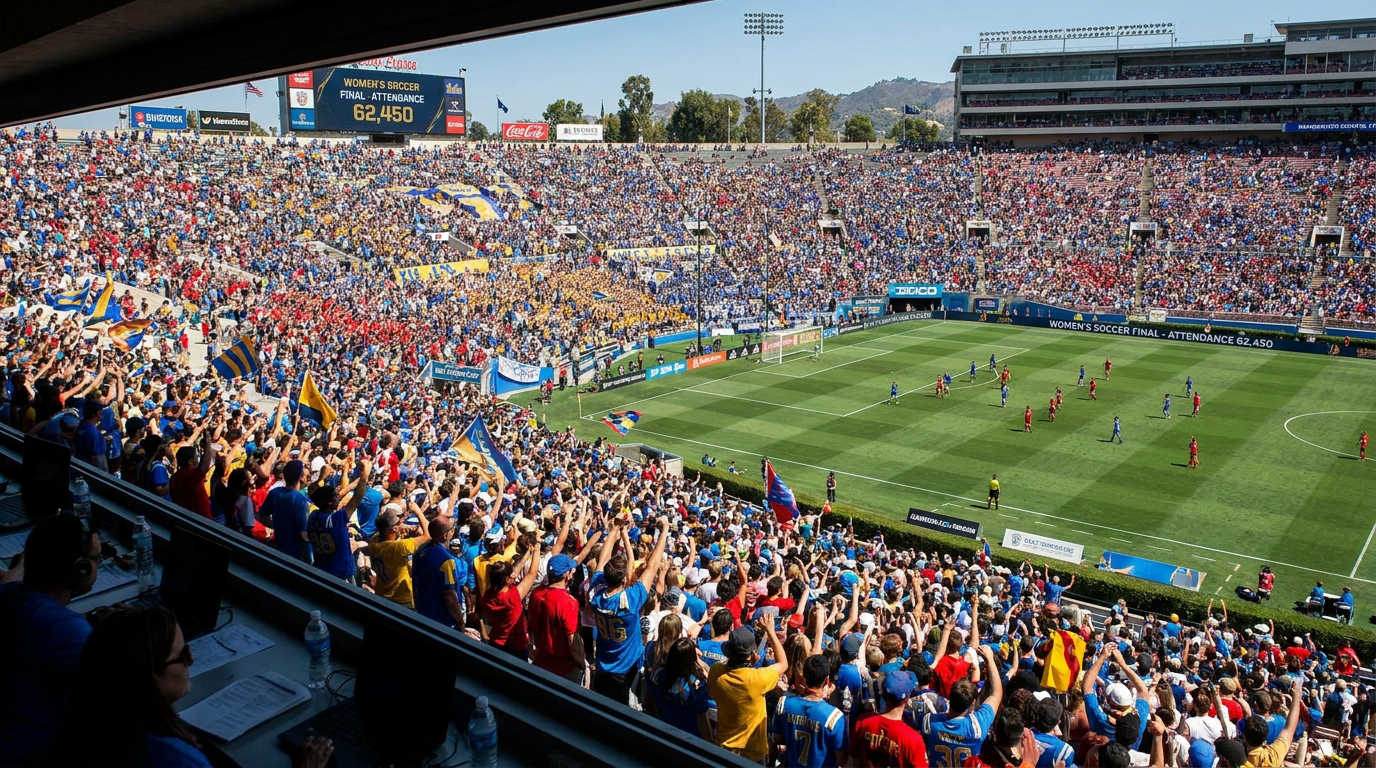
NWSL Shatters Attendance Records as Utah Royals Mount Historic 10-Game Unbeaten Streak
7 sources
Injury
Ilia Topuria Avoids Surgery for Orbital Fractures Following UFC Freedom 250 Title Bout
9 sources

Standings
UFC Championship Picture: Gaethje and Gane Claim Gold as Standings Reshuffle
8 sources

US Cricket
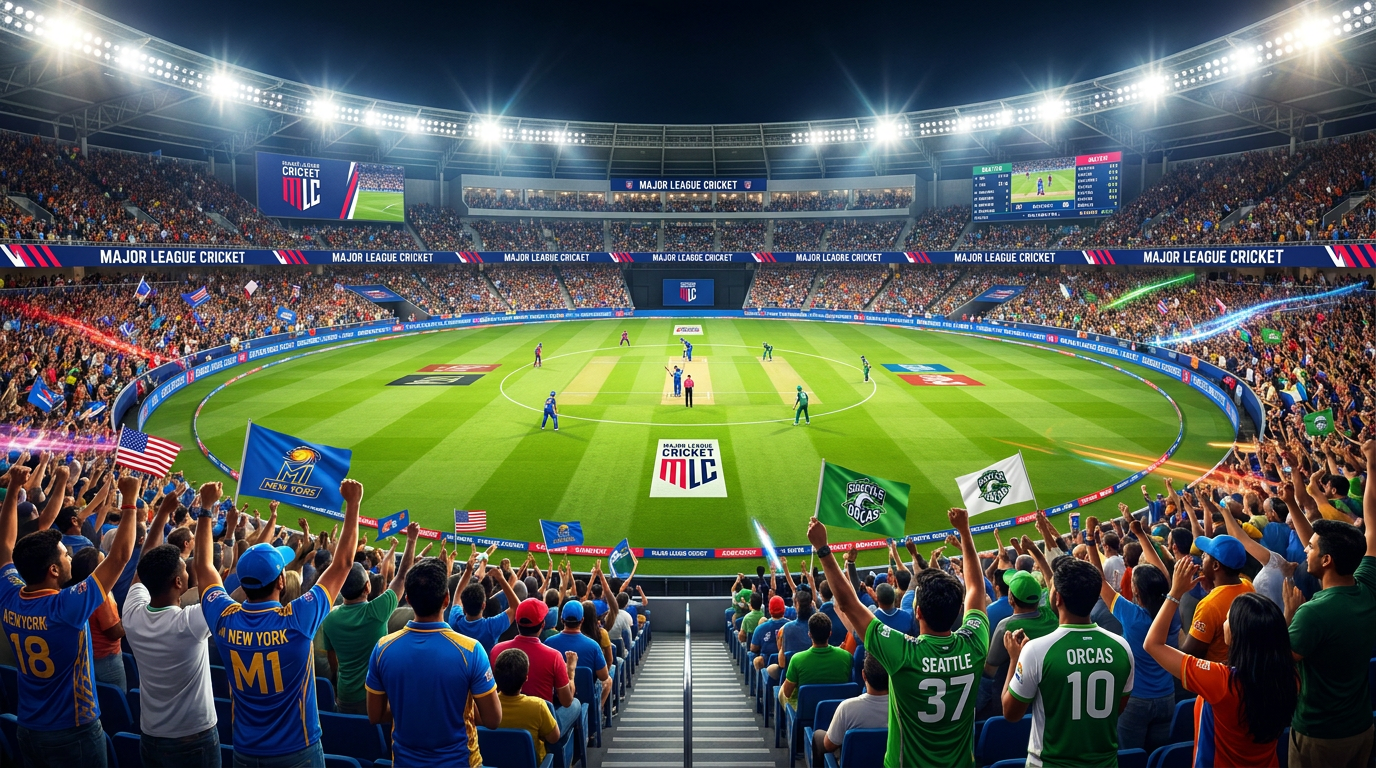
Major League Cricket Launches Season 4 as US Infrastructure Boom Accelerates
8 sources
Every angle. Every day.
Get sports stories with full source coverage and perspective breakdowns delivered to your inbox.