
New Federal Law Eliminates Chassis Requirement, Cutting Manufactured Home Costs by $10,000
The 21st Century ROAD to Housing Act removes a decades-old mandate requiring manufactured homes to be built on a permanent steel chassis, reducing construction costs by up to $10,000 per unit. The legislation also expands federal financing options and requires states to treat chassis-free manufactured homes with zoning parity.
By Noor Saidi

Share this story
Buyers purchasing a new manufactured home will see up to $10,000 shaved off the final price tag following the enactment of the 21st Century ROAD to Housing Act. The bipartisan legislation, which officially became law in July 2026, strips away a decades-old federal mandate that required every factory-built home to sit on a permanent steel chassis.
That heavy structural component was necessary for highway transport but became entirely redundant once the house was anchored to a permanent residential foundation. By eliminating the requirement, the federal government is fundamentally altering the economics of entry-level homeownership.[1]
The chassis requirement has long been a point of friction between the Department of Housing and Urban Development (HUD) and affordable housing developers. In its official rulemaking, the federal regulator noted that forcing builders to keep the steel frame on every section "would impose additional design and construction constraints not expressly required by the text and could increase costs in a manner not compelled by the statute."
According to federal estimates, the steel frame and brake-equipped axles add between $4,800 and $10,000 to the construction and transportation costs of a single unit. With the national average sales price of a new manufactured home sitting near $120,900, removing the chassis lowers the total cost by roughly 4 to 8 percent before the home ever leaves the factory floor.[1][4]
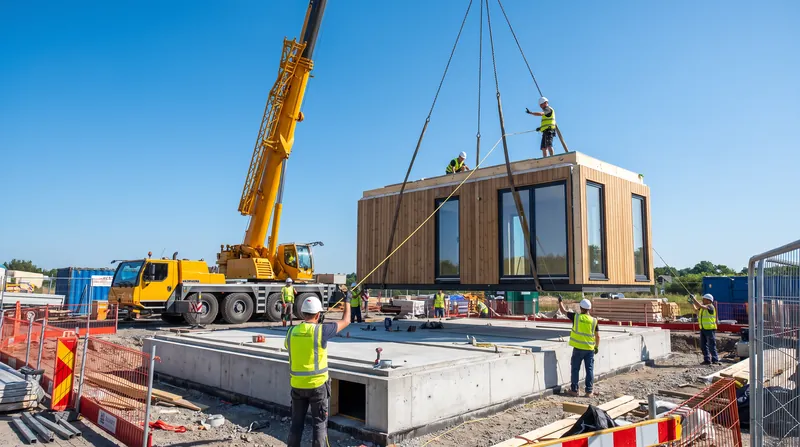
Under the new regulatory framework, only the lowest transportable level of a multistory manufactured home must be built on a permanent chassis. Upper-floor sections can now be transported and assembled without the heavy steel undercarriage.
This technical change allows manufacturers to stack units more easily, unlocking higher-density, multi-level manufactured housing in land-constrained urban and suburban markets where single-story footprints are no longer economically viable. Builders anticipate that the removal of the upper-floor chassis requirement will streamline mechanical, electrical, and plumbing designs, bridging the gap between traditional manufactured housing and modular construction.[2][4]
Beyond the factory floor, the law forces a significant shift in local zoning enforcement. Section 301 of the Act mandates that states certify they accord equal treatment to manufactured homes built without a chassis. Historically, municipalities have used the presence of a chassis to classify manufactured homes as mobile homes, restricting them to designated trailer parks or rural outskirts. By legally equating chassis-free manufactured homes with traditional site-built houses, the federal government is effectively overriding local bans and opening standard residential lots to factory-built construction.[1]
The legislation also rewires how buyers pay for these homes, addressing a long-standing barrier to entry. The Act significantly increases the loan limits for manufactured housing insured by the Federal Housing Administration (FHA) under the Title I program, and extends maximum loan terms to 30 years. It also allows FHA property improvement loans to cover the construction of accessory dwelling units (ADUs), making it easier for homeowners to place a secondary manufactured unit in their backyard to generate rental income or house aging relatives.[3]
The manufacturing sector is already retooling production lines to capitalize on the new rules. Industry leaders view the chassis removal as the exact catalyst needed to scale production and meet the severe national housing shortage, particularly in high-cost metropolitan areas.
To balance the rapid expansion of factory-built housing, the law also directs HUD to establish minimum energy efficiency standards for the newly defined homes. This ensures that the upfront construction cost savings generated by removing the steel frame are not subsequently lost to higher utility bills over the lifespan of the property.[2]
For existing manufactured home communities, the law reauthorizes the Preservation and Reinvestment Initiative for Community Enhancement (PRICE) grant program for seven years. This allows local governments, resident-owned communities, and nonprofits to access federal funds to repair aging homes, upgrade utility infrastructure, and replace units that are beyond saving. Nearly 49 million American homes require repairs, and the PRICE grants specifically target the deferred maintenance in older manufactured housing parks that have historically been excluded from traditional federal housing block grants.
The law also includes a sweeping provision that restricts large institutional investors from purchasing single-family homes at scale. Companies that already own 350 or more single-family homes are barred from acquiring additional properties, a measure designed to reduce competition for ordinary homebuyers who are routinely outbid by all-cash corporate offers. By pairing this restriction with the manufactured housing cost reductions, the legislation attempts to protect the newly affordable inventory from being immediately absorbed by private equity portfolios and converted into permanent rental stock.[5]
The immediate impact on the housing market now depends heavily on HUD's rulemaking pace. While the law is officially on the books, federal agencies have between 12 and 24 months to finalize the specific installation and transportation standards for chassis-free units. In the meantime, lenders are rolling out updated mortgage products to match the new FHA limits, and developers are actively acquiring infill lots that were previously off-limits to manufactured homes, signaling a rapid shift in how affordable housing will be built and financed.[2][3]
Perspectives explored
Housing Advocates
Focuses on the democratization of homeownership and the dismantling of exclusionary zoning.
By cutting up to $10,000 off the purchase price and extending loan terms to 30 years, advocates argue the law brings monthly payments within reach for working-class families who have been entirely priced out of the site-built market. They also champion the zoning parity provisions, which dismantle decades of exclusionary local policies that banished manufactured homes to the outskirts of towns and prevented lower-income buyers from accessing high-opportunity neighborhoods.
Manufacturing Industry
Centers on design flexibility, production efficiencies, and market expansion.
Builders emphasize that the chassis requirement was a bureaucratic relic that prevented manufactured housing from going vertical. With the ability to stack chassis-free upper floors, the industry can now compete in land-constrained urban markets where single-story footprints are unprofitable. Manufacturers view this regulatory shift as the key to blurring the line between manufactured and modular construction, allowing them to scale production rapidly.
Local Municipalities
Approaches the federal zoning override with caution regarding local infrastructure and aesthetics.
While acknowledging the severe need for affordable housing, many local zoning boards argue that forcing parity for chassis-free manufactured homes strips communities of their ability to regulate neighborhood aesthetics and density. Some municipal officials worry that a rapid influx of factory-built homes could strain local infrastructure—such as water, sewer, and school systems—that was originally planned and zoned for traditional, lower-density single-family development.
Key points
- The 21st Century ROAD to Housing Act eliminates the federal mandate requiring a permanent steel chassis on all manufactured homes.
- Removing the chassis reduces construction and transportation costs by $4,800 to $10,000 per unit.
- The law requires states to grant zoning parity to chassis-free manufactured homes, allowing them in standard residential neighborhoods.
- FHA Title I loan limits for manufactured housing have been increased, with maximum terms extended to 30 years.
Timeline
June 2026
HUD issues a proposed rule to revise the definition of a manufactured home, citing potential cost savings of up to $10,000 per unit.
July 2026
The 21st Century ROAD to Housing Act passes both chambers of Congress with overwhelming bipartisan majorities.
July 11, 2026
The legislation officially becomes law without presidential signature, triggering a 12-to-24-month implementation window for federal agencies.
August 2026
Lenders begin rolling out updated mortgage products to match the newly expanded FHA Title I loan limits for manufactured housing.
- Housing Advocates
- Argue that removing the chassis requirement and enforcing zoning parity are essential steps to solving the affordable housing crisis.
- Manufactured Housing Industry
- Focus on the production efficiencies, cost savings, and the new ability to build multi-story units in high-density markets.
- Local Zoning Authorities
- Express concern about the federal override of local land-use policies and the impact on existing neighborhood infrastructure.
- Financial Institutions
- View the expanded FHA loan limits and 30-year terms as a critical mechanism to reduce risk and increase lending volume.
Perspectives this story doesn't cover
- Existing Suburban Homeowners
- Modular Home Builders
Sources
Source coverage
5 outlets
4 viewpoints surfaced





- [1]The WeekHousing Advocates
Affordable housing law could open door to boom in manufactured homes
Read on The Week → - [2]MHNManufactured Housing Industry
Manufactured Housing's Mainstream Move
Read on MHN → - [3]MoneyFinancial Institutions
7 Best Mobile Home Loans of September 2026
Read on Money → - [4]Federal RegisterManufactured Housing Industry
Revising the Definition of “Manufactured Home” to Lower Housing Costs
Read on Federal Register → - [5]Factlen Editorial TeamLocal Zoning Authorities
Synthesis by Factlen editorial team
Read on Factlen Editorial Team →
More in Home
See all →Corporate Landlords
Federal Law Bans Institutional Investors from Buying Single-Family Homes if Portfolio Exceeds 350 Units
5 sources

Manufactured Housing
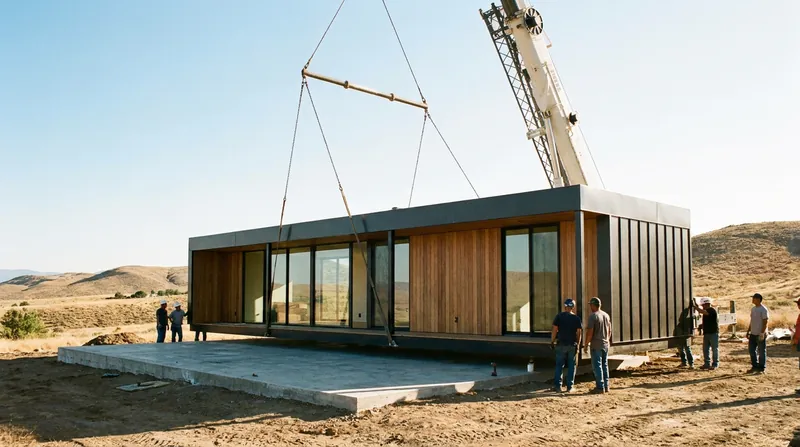
The $10,000 Chassis Cut: How the New Federal Housing Act Will Physically Redesign Manufactured Homes
2 sources
Accessibility Standards
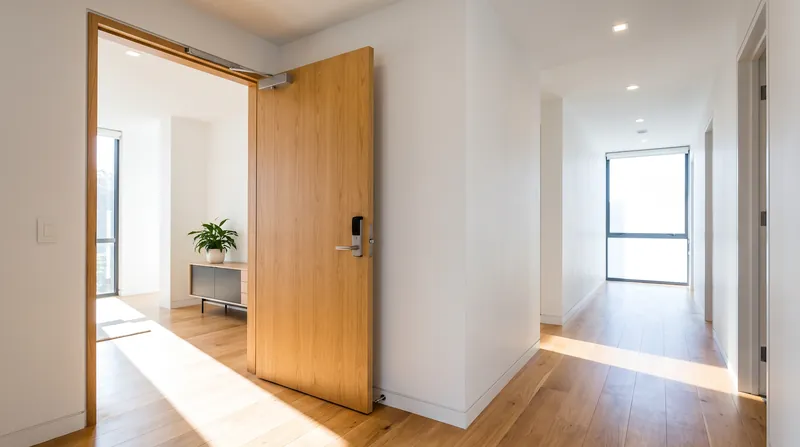
The 800 Millimeter Clear Opening: How International Accessibility Standards Dictate Doorway Width
4 sources
Building Science
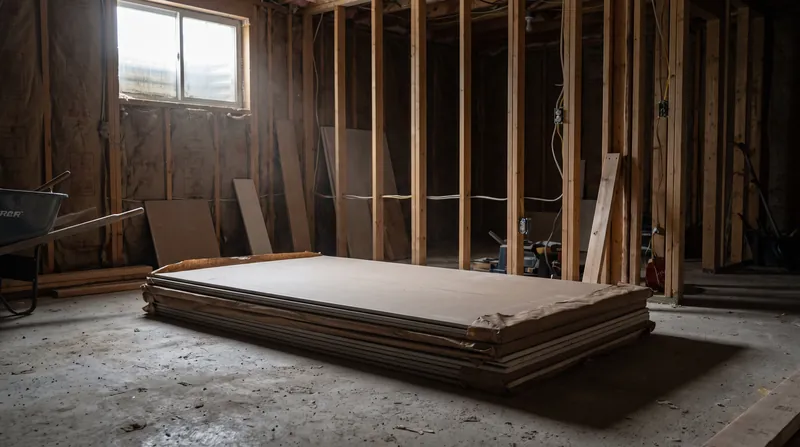
The 21% Chemically Bound Water: How Gypsum Drywall Resists Fire by Releasing Steam
9 sources
Comments
Every angle. Every day.
Get Home stories with full source coverage and perspective breakdowns, free every day.