
Iran Declares Strait of Hormuz Closed Over Lebanon Dispute, Threatening Fragile Peace Deal
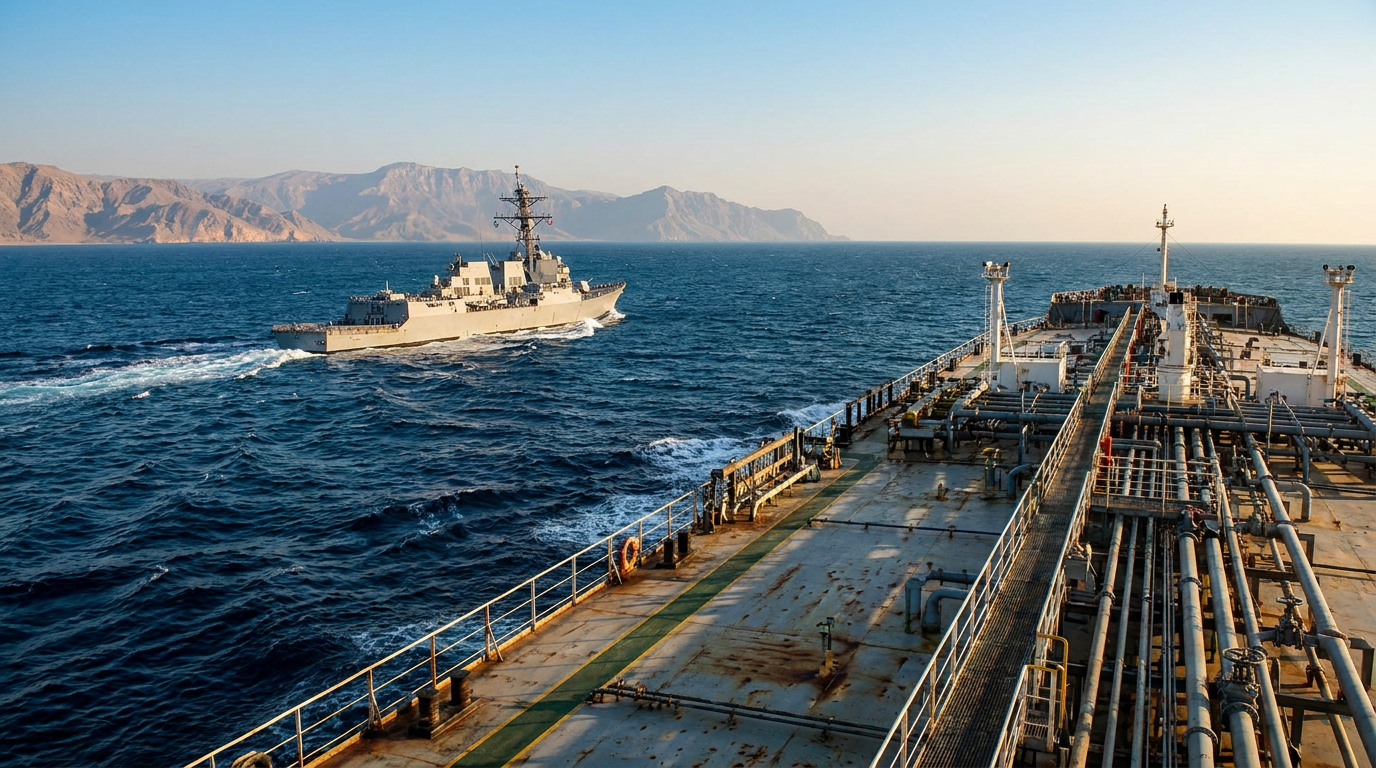
Just days after signing a historic peace agreement with the U.S., Iran announced it is closing the Strait of Hormuz, citing Israel's continued military presence in Lebanon. The U.S. military disputes the closure, reporting that millions of barrels of oil continue to flow through the critical chokepoint.
By Factlen Editorial Team
- U.S. & Western Military
- Emphasizes freedom of navigation and actively disputes Iran's ability to control the strait.
- Iranian State Command
- Argues that the MOU requires a full Israeli withdrawal from Lebanon, justifying the strait's closure.
- Regional Arab States
- Rejects Iran's attempts to impose new fees and management structures on the waterway.
- Global Energy Markets
- Focused on the uninterrupted flow of oil and the avoidance of geopolitical risk premiums.
What's not represented
- · Commercial shipping companies and maritime insurers facing immediate operational risks.
- · Lebanese civilians caught in the crossfire of the ongoing border dispute.
Why this matters
The Strait of Hormuz is the world's most critical energy chokepoint, handling roughly 20% of global petroleum consumption. Any sustained disruption—or the imposition of new Iranian transit fees—would immediately spike global oil prices, driving up inflation and threatening a fragile diplomatic effort to end months of regional war.
Key points
- Iran announced the closure of the Strait of Hormuz, citing Israeli troops in Lebanon as a violation of a newly signed peace agreement.
- U.S. Central Command disputed the closure, reporting that 55 merchant ships and 17 million barrels of oil transited the strait on Saturday.
- The dispute threatens to derail a historic memorandum of understanding signed by the U.S. and Iran just three days prior.
- Iran is attempting to establish a new regulatory authority to levy maritime fees on vessels passing through the strait.
- Delegations from both nations are proceeding with scheduled technical-level talks in Switzerland despite the standoff.
The fragile peace in the Middle East is already fracturing. Just three days after the United States and Iran signed a historic memorandum of understanding (MOU) to end months of regional conflict, Tehran announced on Saturday that it is re-closing the Strait of Hormuz to commercial traffic.[1][4]
The abrupt reversal threatens to unravel a diplomatic breakthrough that had only just begun to ease global energy anxieties. The Iranian military command cited "bad faith" by the United States and Israel's failure to withdraw troops from southern Lebanon as a direct violation of the MOU's first clause, which mandated a ceasefire on all fronts.[1]
But the reality on the water remains fiercely contested. The U.S. Central Command (CENTCOM) swiftly disputed Tehran's declaration, asserting that the critical maritime chokepoint remains open. "Iran does not control the Strait of Hormuz," a CENTCOM spokesperson stated, noting that U.S. forces are actively monitoring the area and that 55 merchant ships carrying over 17 million barrels of oil successfully transited the strait on Saturday.[4]
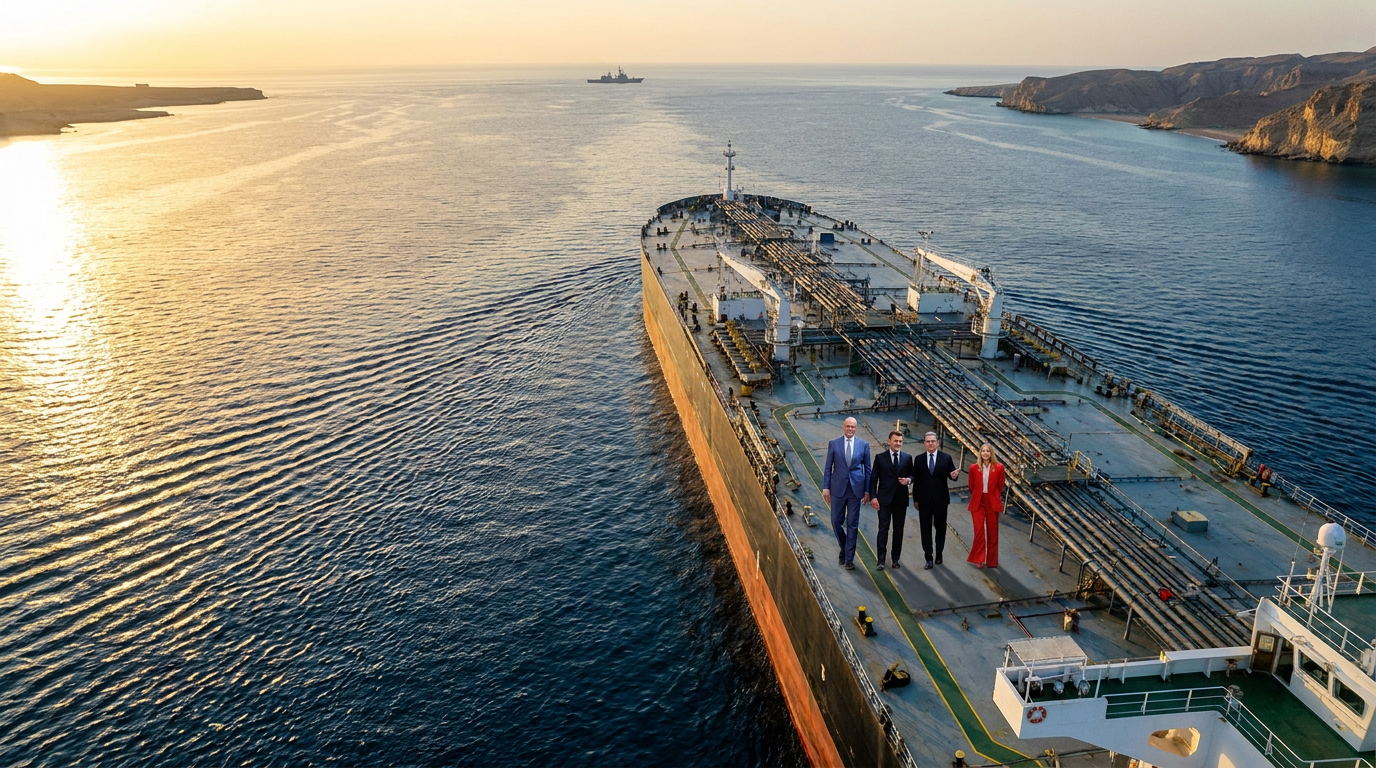
The standoff centers on the interpretation of the Versailles MOU, signed on June 17 by U.S. President Donald Trump and Iranian President Masoud Pezeshkian following the G7 summit. The agreement was designed to halt hostilities and lift the U.S. naval blockade on Iranian ports, initiating a 60-day negotiation period.[6]

However, the linkage between the Gulf and the Levant has proven volatile. Iran insists that the MOU requires a complete Israeli withdrawal from Lebanese territory. Israeli Prime Minister Benjamin Netanyahu, however, has maintained that Israeli forces will remain in a security zone in southern Lebanon as long as necessary to prevent Hezbollah attacks.[2][6]
For Tehran, the continued Israeli presence is a dealbreaker. Iranian state television broadcast statements from the military command warning that commercial vessels approaching the strait could face security risks. A Hezbollah official, speaking anonymously, confirmed that Iran informed the militant group the strait would remain closed until Israel publicly commits to a comprehensive withdrawal.[1][4]
Beyond the immediate military posturing, Iran is attempting to fundamentally alter the governance of the Strait of Hormuz. Rather than returning to the pre-war status quo of unimpeded international navigation, Iran's Supreme National Security Council has established a new "Persian Gulf Strait Authority" (PGSA).[3]
Beyond the immediate military posturing, Iran is attempting to fundamentally alter the governance of the Strait of Hormuz.
Under this new framework, Iran claims that commercial vessels must submit transit requests, adhere to assigned routes, and comply with Iranian safety protocols. Furthermore, Tehran announced plans to introduce maritime fees for "security, safety, and environmental services" after the 60-day negotiation window closes.[2][3]
This attempted paradigm shift has alarmed regional neighbors. Saudi Arabia's foreign minister publicly challenged the Iranian plan, arguing that the strait was managed perfectly well before the conflict and questioning the imposition of "novel arrangements" on international waters.[2]
Analysts note that Iran's strategy appears to be twofold: using the threat of a closed strait to force the U.S. to pressure Israel into leaving Lebanon, while simultaneously establishing a long-term mechanism to extract revenue and exert sovereignty over the waterway.[3]
The economic stakes are staggering. The Strait of Hormuz is the world's most important oil chokepoint, with roughly 20% of global petroleum consumption passing through its narrow lanes. Any sustained disruption—or the imposition of hefty Iranian insurance requirements—would immediately spike global energy prices.[3][6]

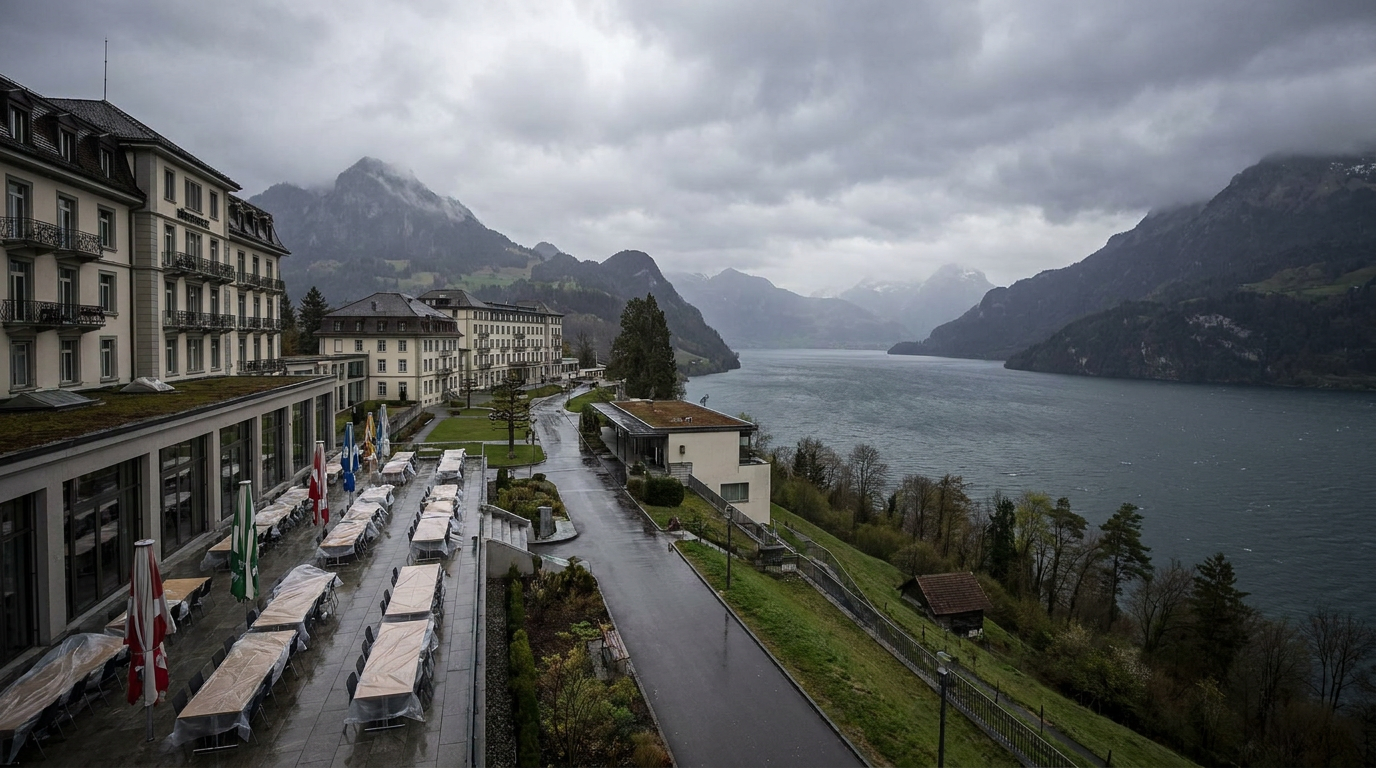
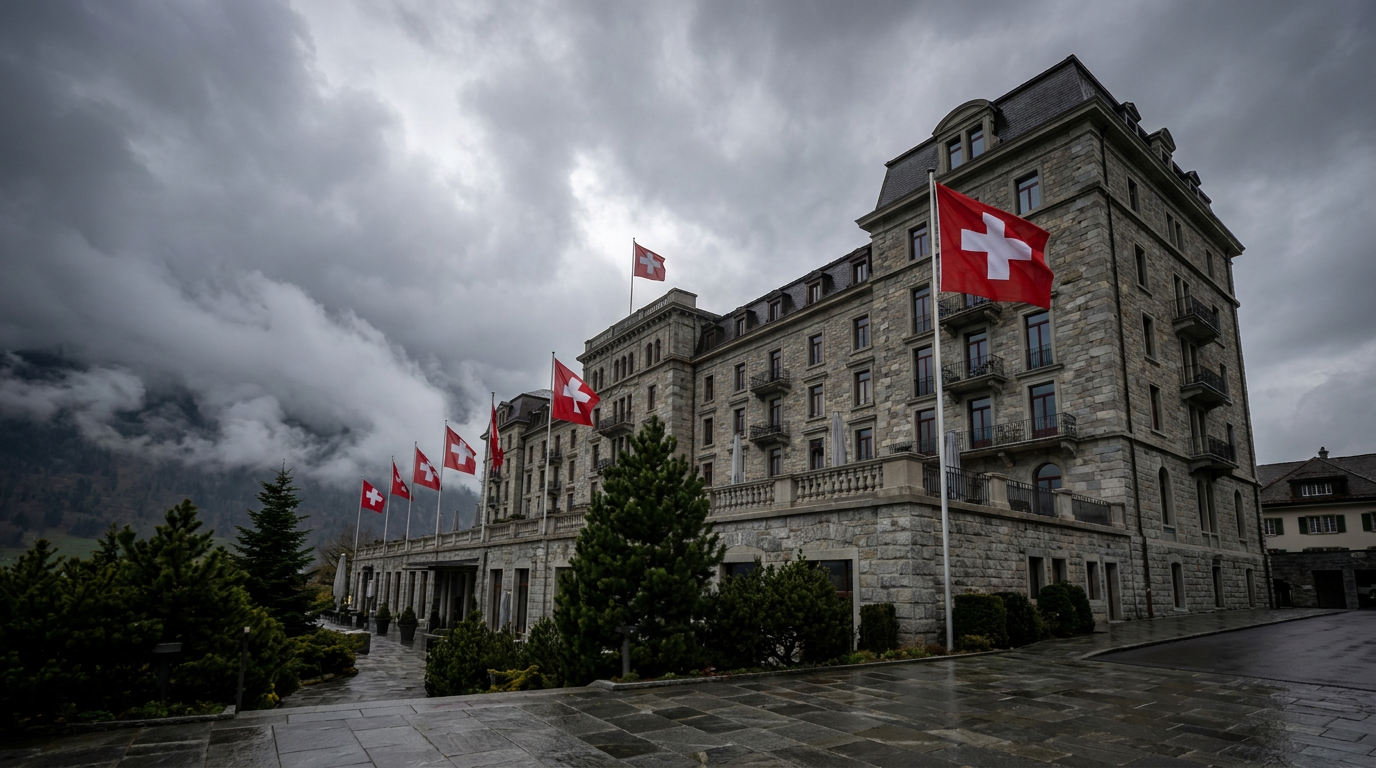
Despite the escalating rhetoric, diplomatic channels remain open, albeit strained. Technical-level talks between U.S. and Iranian delegations are scheduled to begin Sunday at the Bürgenstock resort in Switzerland. The Iranian delegation, which includes parliamentary Speaker Mohammad Bagher Ghalibaf and Foreign Minister Abbas Araghchi, departed for Geneva on Saturday.[4]
These talks were originally intended to focus on implementing the 14-clause MOU, lifting sanctions on Iranian oil exports, and establishing a planned $350 billion regional construction fund. Now, they will likely be consumed by crisis management over the Lebanon ceasefire and the status of the strait.[2]
The situation leaves global markets in a state of high uncertainty. While the U.S. Navy's "Operation Project Freedom" escorts have thus far ensured the flow of traffic, the risk of a miscalculation or a direct naval confrontation remains elevated.[6]

Observers warn that if Iran overplays its hand in the strait, it risks alienating the very international partners it needs to rebuild its sanctions-battered economy, potentially turning the nation back into a pariah state just as a diplomatic off-ramp appeared.[5]
Ultimately, the coming days in Switzerland will test whether the Versailles MOU was a genuine turning point or merely a brief pause in a wider regional war. Until the ambiguity over Lebanon is resolved, the Strait of Hormuz will remain a geopolitical flashpoint.
How we got here
June 17, 2026
The U.S. and Iran sign a memorandum of understanding (MOU) at Versailles to end regional hostilities.
June 18, 2026
The U.S. lifts its naval blockade on Iranian ports, and Iran announces plans for future maritime transit fees.
June 19, 2026
Israel and Hezbollah agree to a renewed ceasefire, though Israeli troops remain in southern Lebanon.
June 20, 2026
Iran declares the Strait of Hormuz closed over the Lebanon dispute; the U.S. military disputes the closure.
June 21, 2026
Technical-level talks between U.S. and Iranian delegations are scheduled to begin in Switzerland.
Viewpoints in depth
Iranian State Command
Views the continued Israeli presence in Lebanon as a breach of the MOU.
For Tehran, the memorandum of understanding is contingent on a comprehensive ceasefire across all fronts. Iranian military leaders argue that Israel's refusal to withdraw from southern Lebanon constitutes a direct violation by the U.S. and its allies. By threatening to close the Strait of Hormuz and establishing the Persian Gulf Strait Authority, Iran aims to leverage its geographic advantage to force an Israeli withdrawal and assert long-term sovereign control over the waterway's management and revenue.
U.S. and Western Military
Maintains that international waters remain open and denies Iranian control.
The U.S. Central Command and allied naval forces operate under the principle of freedom of navigation. They view Iran's declarations of closure and its attempts to impose maritime fees as illegitimate restrictions on international waters. By continuing to escort merchant vessels and publicly releasing transit data, the U.S. aims to demonstrate that Iran does not possess the operational capacity to unilaterally shut down the global economy's most vital energy artery.
Regional Arab States
Opposes new Iranian management structures in the Gulf.
Countries like Saudi Arabia rely heavily on the unimpeded flow of oil through the Strait of Hormuz. Regional diplomats have strongly pushed back against Iran's proposal to levy fees or require Iranian insurance for transit. They argue that the strait was managed safely and efficiently before the recent conflict, and they reject any 'novel arrangements' that would grant Tehran disproportionate leverage or financial windfalls from a shared international chokepoint.
What we don't know
- It remains unclear if Iran will attempt to physically intercept or attack commercial vessels under U.S. Navy escort.
- The extent to which Hezbollah will adhere to the ceasefire while Israeli troops remain in southern Lebanon is unknown.
- It is uncertain how global shipping insurance markets will react to Iran's demands for vessels to carry Iranian insurance.
Key terms
- Strait of Hormuz
- A narrow maritime chokepoint between the Persian Gulf and the Gulf of Oman, through which roughly 20% of the world's oil passes.
- Memorandum of Understanding (MOU)
- A formal agreement between two or more parties that establishes a framework for future negotiations, in this case between the U.S. and Iran.
- Persian Gulf Strait Authority (PGSA)
- A newly announced Iranian regulatory body intended to manage commercial transit and levy fees in the Strait of Hormuz.
- Operation Project Freedom
- A U.S. Navy mission designed to escort merchant ships safely through the Persian Gulf and the Strait of Hormuz.
Frequently asked
Is the Strait of Hormuz actually closed right now?
The U.S. military says no. While Iran announced a closure, U.S. Central Command reported that 55 merchant ships carrying 17 million barrels of oil successfully passed through the strait on Saturday.
Why is Iran threatening to close the strait?
Iran claims that Israel's refusal to withdraw troops from southern Lebanon violates the first clause of a recently signed U.S.-Iran peace agreement, which calls for a ceasefire on all fronts.
What is Iran's long-term plan for the waterway?
Iran has announced the creation of a new authority to manage the strait, with plans to require Iranian insurance and charge maritime fees for security and environmental services after a 60-day negotiation period.
Are peace talks still happening?
Yes. Despite the escalating rhetoric, Iranian and U.S. delegations are proceeding with scheduled technical-level talks in Switzerland to discuss the implementation of the peace agreement.
Sources
Source coverage
6 outlets
4 viewpoints surfaced






[1]CBS NewsU.S. & Western Military
Iran recloses Strait of Hormuz over alleged violations in Lebanon
Read on CBS News →[2]The GuardianRegional Arab States
As US lifts its blockade, Tehran says fees to cover cost of managing waterway will come into effect
Read on The Guardian →[3]Institute for the Study of WarIranian State Command
Iran Update Special Report, June 19, 2026
Read on Institute for the Study of War →[4]CTV NewsU.S. & Western Military
U.S.-Iran talks begin Sunday in Switzerland as Tehran closes the strait over Lebanon fighting
Read on CTV News →[5]Al JazeeraIranian State Command
Overplaying Strait of Hormuz card will turn Iran into a pariah state
Read on Al Jazeera →[6]WikipediaGlobal Energy Markets
2026 Strait of Hormuz crisis
Read on Wikipedia →
More in news politics
See all 6 stories →Strait of Hormuz
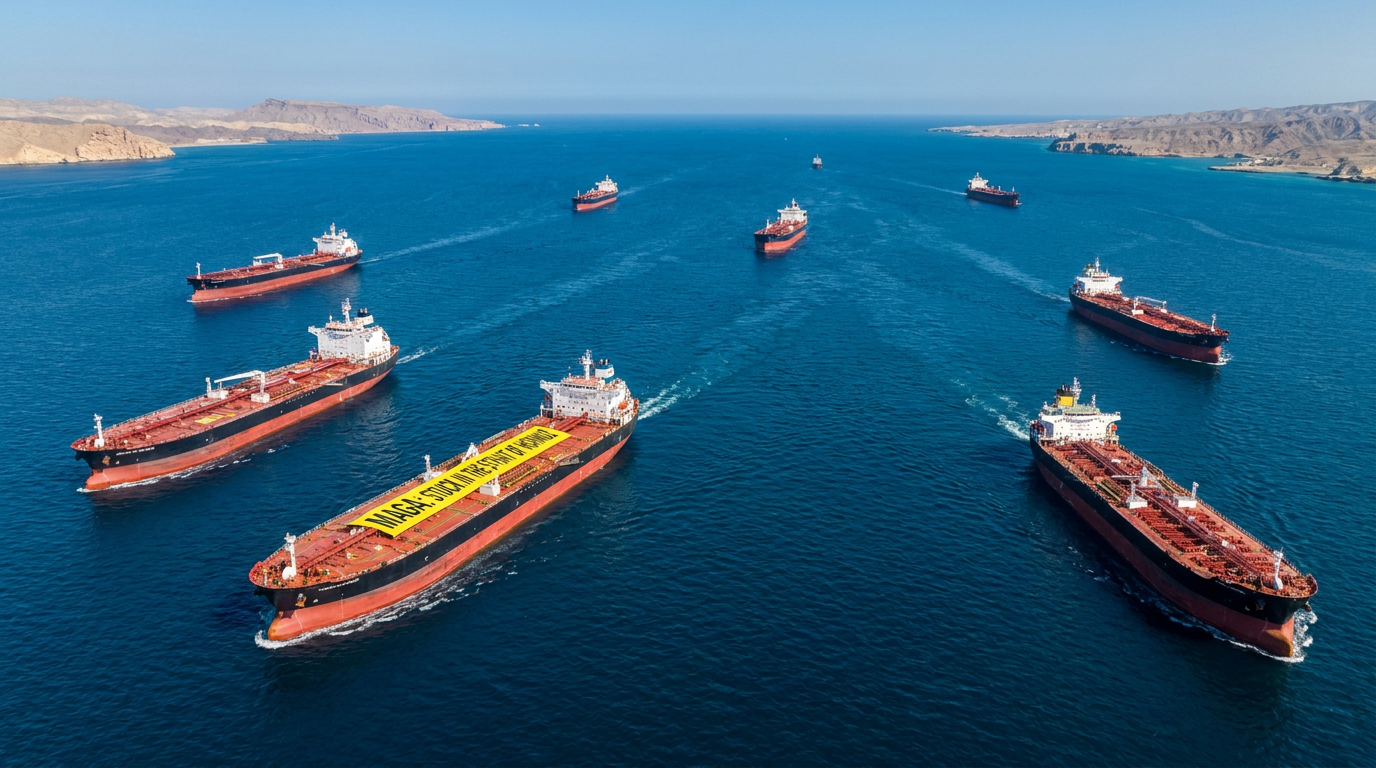
Iran Claims Strait of Hormuz Closure as US Denies Shutdown and Threatens Tolls Ahead of Swiss Talks
8 sources
U.S.-Iran Talks
Vance Arrives in Switzerland for Iran Nuclear Talks Amid Dispute Over Strait of Hormuz
10 sources
Nuclear Talks
US and Iran Open Nuclear Talks in Switzerland Amid Dispute Over Strait of Hormuz
8 sources
Disability Rights
DOJ Memo Reinterprets Landmark Disability Rights Precedent, Signaling Retreat on Community Care
8 sources
Every angle. Every day.
Get news politics stories with full source coverage and perspective breakdowns delivered to your inbox.