
How Anime Tourism is Revitalizing Rural Japan
The phenomenon of 'seichi junrei'—fans visiting real-world locations featured in anime—has transformed from a niche hobby into a multi-billion-dollar economic engine for Japanese municipalities.
By Factlen Editorial Team
- Local Municipalities
- Rural towns view anime tourism as a vital lifeline for economic revitalization.
- Anime Pilgrims
- Fans value the emotional connection and the ability to step into the physical world of their favorite stories.
- Tourism Researchers
- Academics emphasize the need for sustainable management to prevent overtourism and community friction.
What's not represented
- · Traditional residents in pilgrimage towns
- · Non-anime tourists affected by crowding
Why this matters
Anime tourism is transforming how millions of people travel, turning quiet rural towns into global destinations and providing a massive economic lifeline to regions struggling with population decline. Understanding this trend reveals how pop culture is reshaping global economies and physical infrastructure.
Key points
- "Seichi junrei," or anime pilgrimage, involves fans visiting real-world locations meticulously recreated in Japanese animation.
- Nearly 7.5% of inbound tourists to Japan now explicitly cite anime or film locations as a primary reason for their visit.
- The Anime Tourism Association officially recognizes 88 pilgrimage spots annually, helping municipalities capitalize on the influx of visitors.
- Rural towns like Hita City have successfully used anime branding to revitalize their economies and divert traffic from overcrowded hubs.
- While highly profitable, the sudden influx of tourists to quiet residential areas requires careful management to prevent overtourism.
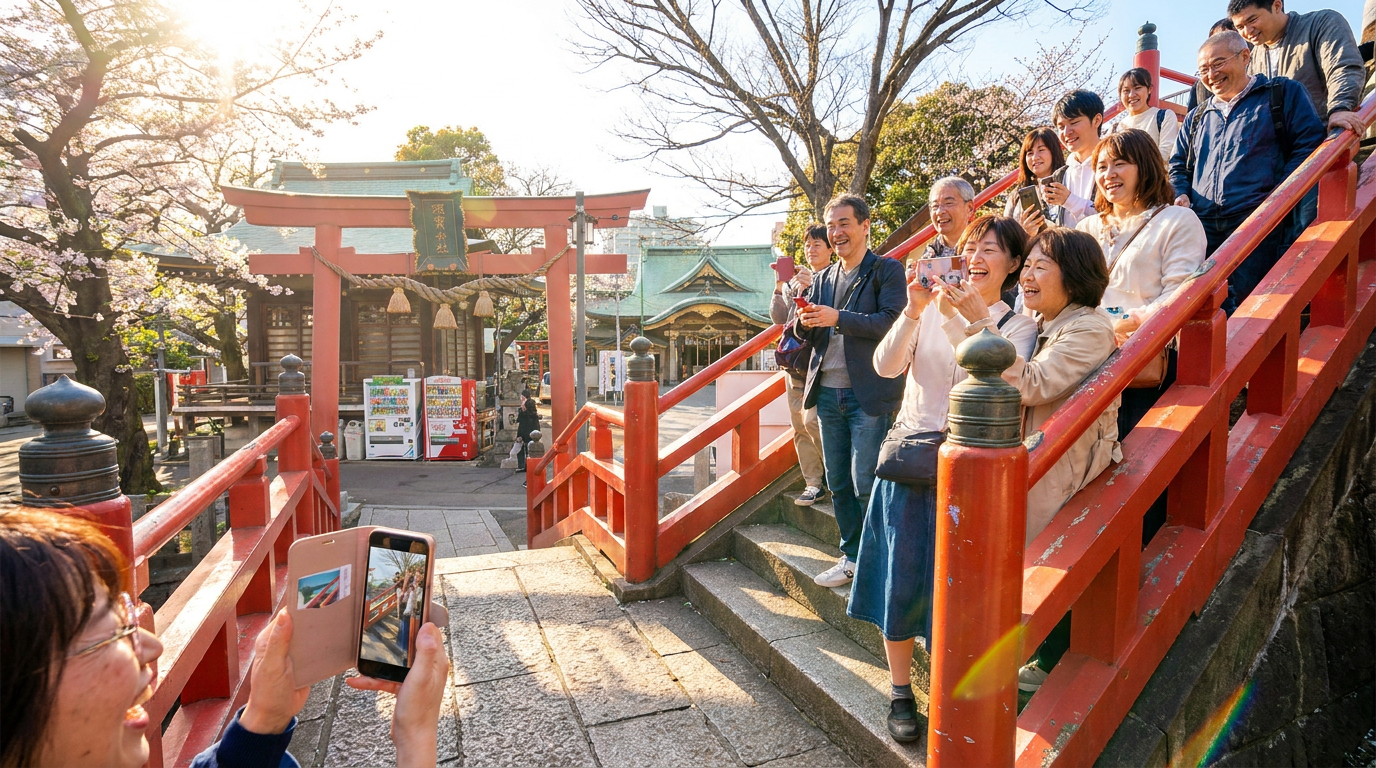
For decades, international tourism to Japan followed a predictable, well-worn path: the neon-lit scramble of Shibuya, the serene temples of Kyoto, and the historic resilience of Hiroshima. But a new generation of travelers is rewriting the itinerary. Armed with screenshots and GPS coordinates, they are bypassing traditional landmarks to visit ordinary rural train stations, quiet suburban staircases, and remote lakeside campsites. This is the world of "seichi junrei," or anime pilgrimage—a cultural phenomenon that has transformed from a niche fan hobby into a multi-billion-dollar engine for regional revitalization. As global interest in Japanese animation reaches unprecedented heights, the practice of visiting the real-world locations that inspired fictional settings is fundamentally reshaping the country's travel economy and breathing new life into struggling rural municipalities.[3][6]
The term seichi junrei translates literally to "sacred site pilgrimage," a nod to Japan's rich history of religious travel, such as the famous 88-temple Shikoku pilgrimage. Today, however, the "sacred sites" are real-world locations meticulously recreated in Japanese animation. When a popular anime airs, fans immediately begin identifying the real-life inspirations behind the background art. They travel to these locations to recreate scenes, take photos matching the exact camera angles of the show, and leave votive plaques (ema) decorated with character art at local shrines. What began as an underground otaku subculture has evolved into a highly organized, mainstream travel sector that bridges the gap between digital fandom and physical geography.[5]
The economic implications of this devotion are staggering. According to recent data from the Japan Tourism Agency, the percentage of international tourists explicitly visiting the country for anime and movie-related sites has jumped significantly to 7.5 percent. Furthermore, travel booking platforms have reported that searches for anime and comic-related travel experiences in Asia have exploded by an incredible 195 percent year-on-year. The broader anime industry, which generates tens of billions of dollars annually, has become a massive driver of inbound tourism. For rural towns facing severe population decline and economic stagnation, a sudden influx of passionate, respectful tourists can serve as a vital, unexpected economic lifeline.[3]

The mechanism of an anime pilgrimage begins long before a television show ever airs. During pre-production, anime directors and background artists conduct extensive location scouting in specific towns. They take thousands of reference photographs, capturing the exact placement of vending machines, the curve of a local river, and the typography on storefront signs. When these mundane elements are animated with photorealistic precision, the fictional story becomes anchored in a tangible, visitable reality. This dedication to geographical accuracy means that fans aren't just visiting a place that "looks like" the anime; they are standing in the exact spot the creators stood when they envisioned the scene.[4][6]
Once the show broadcasts, the fan community mobilizes with astonishing speed. Within hours of an episode airing, dedicated viewers cross-reference background details with satellite imagery and street-level maps to pinpoint the exact locations. These early adopters publish their findings online, creating unofficial guidebooks, digital maps, and side-by-side comparison photos. This grassroots discovery phase is crucial; it is driven entirely by the emotional resonance of the story, transforming an ordinary street corner or a quiet rural bus stop into a site of shared affection and immense cultural significance for the fandom.[5]
Recognizing the immense potential of this trend, the Japanese government and private sector have stepped in to formalize the experience. In 2016, a coalition of major publishers, travel companies, airlines, and animation studios established the Anime Tourism Association. Their mission is to bridge the gap between anime creators and local municipalities, ensuring that the sudden burst of pop-culture tourism translates into sustainable, long-term economic growth rather than a fleeting, unmanageable fad. By facilitating communication between copyright holders and city planners, the Association helps towns prepare for and capitalize on their newfound fame.[1][6]

The Association's flagship initiative is the annual publication of the "Japanese Anime 88-Spots" list. Modeled directly after the historic Shikoku pilgrimage, this program officially certifies locations featured in popular anime. Being designated an official spot brings national visibility and prestige. The Association installs official certification plaques and provides special pilgrimage passports, allowing fans to collect unique stamps at each location. This gamifies the travel experience, encouraging fans to visit multiple locations across the country and turning isolated trips into comprehensive, multi-prefecture journeys.[1]
The Association's flagship initiative is the annual publication of the "Japanese Anime 88-Spots" list.
The impact of this official recognition and deliberate planning is perhaps best illustrated by the rural city of Hita in Oita Prefecture. Facing a severe decline in traditional hot-spring tourism following the COVID-19 pandemic, the city pivoted to embrace its connection to Hajime Isayama, the creator of the global phenomenon Attack on Titan, who was born and raised there. Rather than waiting for fans to arrive organically, Hita implemented a comprehensive, proactive city branding strategy, erecting massive bronze statues of the characters at the local Oyama Dam and creating dedicated, officially sanctioned pilgrimage routes.[2]
This deliberate integration of pop culture into municipal planning yielded immediate, transformative results. Hita developed themed souvenir products, collaborated with travel agencies for dedicated tour packages, and opened a museum showcasing original manga manuscripts. By packaging the city's natural characteristics with the anime's massive global appeal, Hita successfully diverted international tourists away from overcrowded, traditional hubs like Tokyo and Kyoto. The city now serves as a premier blueprint for how rural areas can leverage content tourism to achieve sustainable regional revitalization.[2]

A different, yet equally successful, model of anime tourism occurred organically in Yamanashi Prefecture following the broadcast of Laid-Back Camp (Yuru Camp). The slice-of-life series, which follows a group of high school girls who enjoy winter camping, featured real-world campsites around Mount Fuji. The production team, including the series director, visited every campsite and cooked the exact meals shown in the anime onsite to ensure absolute authenticity. This meticulous attention to detail resonated deeply with viewers, inspiring them to replicate the characters' experiences down to the specific camping gear and recipes.[4]
The result was an unprecedented winter camping boom in the region. Campsites like Fumotoppara, which previously saw very few visitors during the freezing off-season, suddenly found themselves hosting dozens of solo campers inspired by the show's protagonist. Local businesses adapted quickly, selling the specific hot chai and pork buns featured in the episodes, and stocking official merchandise. The anime effectively created a new, highly profitable year-round tourism season for the region, proving that anime tourism can influence not just where people travel, but what activities they engage in when they arrive.[4]

The psychological driver behind this travel is what researchers term "homologous emotions" or shared affection. Unlike traditional sightseeing, where the destination itself—a grand waterfall or a historic castle—is the primary draw, anime pilgrims visit a location because of the narrative attached to it. Standing on the exact staircase in Tokyo where the protagonists of Makoto Shinkai's Your Name finally meet provides a profound sense of emotional closure. The physical space becomes a tangible bridge between the fictional world and reality, allowing fans to feel a lingering connection to characters they love.[5]
This deep emotional investment also dictates the behavior of the tourists. Anime pilgrims are generally known for being highly respectful of the locations they visit. Because they view these sites as "sacred," they are often meticulous about not disturbing local residents, adhering to noise ordinances, and supporting the local economy by purchasing goods from the specific shops featured in their favorite shows. They share their experiences on social media, creating a digital pilgrimage chain that reinforces the site's significance and encourages future generations of fans to make the journey.[5]
However, the sudden transformation of a quiet neighborhood into a global tourist destination is not without its uncertainties and challenges. The primary concern is overtourism. When thousands of fans descend upon a quiet residential area—such as the real-life suburban streets featured in Slam Dunk or the quiet intersections of Persona 5—it can severely strain local infrastructure. Traffic congestion, littering, and the invasion of privacy for residents whose private homes happen to appear in the background art are very real risks that can quickly turn a community against the influx of visitors.[2][5]

To mitigate these issues, successful anime tourism requires delicate, proactive management. Local governments must work closely with anime studios and fan communities to establish clear, enforceable guidelines. This includes setting up designated photo spots that do not block traffic, creating official parking areas away from residential zones, and ensuring that the economic benefits of the tourism are distributed fairly among the local population. When managed correctly, the friction between traditional residents and otaku tourists can be minimized, creating a symbiotic relationship that benefits everyone.[2][6]
Looking ahead, the continued globalization of the medium ensures that seichi junrei will only continue to grow in scale and economic importance. With international fans now accounting for nearly half of the votes for the Anime Spot 88 list, Japan is welcoming a massive new demographic of cultural ambassadors. These travelers are not just looking for a generic vacation; they are looking for a deeply personal connection to the stories that shaped them. By carefully nurturing this unique intersection of pop culture and regional heritage, Japan is proving that the most powerful tourism campaigns aren't built in boardrooms, but drawn frame by frame.[1][3]
How we got here
2016
The Anime Tourism Association is established to formalize and promote anime pilgrimage sites across Japan.
2018
The first official 'Japanese Anime 88-Spots' list is published, creating a structured route for pop-culture tourists.
2020-2022
During the pandemic, domestic anime consumption skyrockets, building pent-up demand for future location visits.
2024
Inbound tourism to Japan breaks records, with a significant surge in travelers explicitly citing anime locations as their motivation.
2025
International fans account for nearly half of all votes determining the official Anime Spot 88 list, highlighting the trend's global reach.
Viewpoints in depth
Local Municipalities
Rural towns view anime tourism as a vital, unexpected lifeline for economic revitalization.
For local governments facing aging populations and the decline of traditional industries, anime tourism offers a rare opportunity to attract young, international visitors. Municipalities like Hita City argue that proactive city branding—such as erecting statues and opening dedicated museums—can successfully divert tourist traffic away from overcrowded hubs like Kyoto. They view the collaboration with anime studios not just as a novelty, but as a crucial pillar of post-pandemic economic recovery and long-term regional sustainability.
Anime Pilgrims
Fans value the emotional connection and the ability to step into the physical world of their favorite stories.
For the tourists themselves, seichi junrei is fundamentally an emotional exercise rather than a standard sightseeing trip. Pilgrims argue that standing in the exact locations where beloved characters experienced pivotal narrative moments provides a profound sense of closure and connection. This demographic prioritizes geographical accuracy and authenticity, often going to great lengths to support the specific local businesses depicted in the shows, viewing their travel as an act of devotion to the creators and the art form.
Tourism Researchers
Academics emphasize the need for sustainable management to prevent overtourism and community friction.
While acknowledging the economic benefits, tourism researchers and sociologists caution against the unmanaged explosion of pop-culture travel. They point out that residential neighborhoods featured in anime are rarely equipped to handle sudden influxes of thousands of visitors. This camp advocates for strict, proactive management strategies—such as designated photo zones, official parking, and community profit-sharing—to ensure that the influx of otaku tourists does not degrade the quality of life for traditional residents or damage the local environment.
What we don't know
- Whether the economic boost to rural towns will remain sustainable long after a specific anime series stops airing.
- How local municipalities will balance the growing influx of international tourists with the daily needs of their aging populations.
Key terms
- Seichi Junrei
- The practice of visiting real-world locations featured in anime and manga, treating them as 'sacred sites' of fandom.
- Otaku
- A Japanese term for people with consuming interests, particularly in anime and manga, which drives a massive sector of the entertainment and tourism economy.
- Content Tourism
- Travel that is motivated by narratives, characters, and settings from popular media rather than traditional historical or natural attractions.
- Overtourism
- A phenomenon where an excessive number of visitors negatively impacts the local environment, infrastructure, and the quality of life for residents.
- Ema
- Small wooden plaques found at Japanese shrines where worshippers write prayers or wishes; anime pilgrims often decorate them with character art.
Frequently asked
What does 'seichi junrei' mean?
It literally translates to 'sacred site pilgrimage.' In modern pop culture, it refers to the practice of fans visiting real-world locations that were featured in anime, manga, or films.
How do fans find these exact locations?
Anime background artists often recreate real places with photorealistic accuracy. When a show airs, dedicated fans cross-reference the background details with online maps and satellite imagery to pinpoint the exact coordinates.
What is the 'Anime Spot 88' list?
It is an annual list published by the Anime Tourism Association that officially recognizes 88 anime pilgrimage destinations across Japan, modeled after the historic 88-temple Shikoku pilgrimage.
Does anime tourism actually help local economies?
Yes. Towns featured in popular anime often see massive spikes in visitation, which boosts local businesses, hotels, and restaurants. Some rural towns have entirely revitalized their economies by embracing their anime connections.
Sources
Source coverage
6 outlets
3 viewpoints surfaced






[1]Anime Tourism AssociationTourism Researchers
Anime Tourism Association Overview
Read on Anime Tourism Association →[2]Atlantis PressLocal Municipalities
Bridging the Tourism Gap: Hita's Rural Revitalization Strategies in Post-Pandemic Japan
Read on Atlantis Press →[3]Hospitality Asia MediaAnime Pilgrims
Anime Drive Massive Influx of International Travelers to Japan
Read on Hospitality Asia Media →[4]Crunchyroll NewsAnime Pilgrims
Anime vs. Real Life: Laid-Back Camping in Yamanashi
Read on Crunchyroll News →[5]National Center for Biotechnology InformationTourism Researchers
Anime tourists traveling to Japan: pilgrimage behaviors patterns and the formation of homologous emotions
Read on National Center for Biotechnology Information →[6]Factlen Editorial TeamTourism Researchers
Synthesis by Factlen editorial team
Read on Factlen Editorial Team →

More in entertainment
See all 5 stories →Streaming Tech
Streaming Platforms Solve the "Mumbled Dialogue" Problem With AI Audio Boosts
8 sources

Handheld Gaming
Steam Deck OLED vs. ASUS ROG Ally X: The Ultimate 2026 Handheld PC Comparison
7 sources

Youth Literacy
How Middle-Grade Graphic Novels Conquered Publishing and Boosted Child Literacy
7 sources

Every angle. Every day.
Get entertainment stories with full source coverage and perspective breakdowns delivered to your inbox.