
Honda Aircraft Backs Thrive Aviation's New Fractional Jet Program Featuring HondaJet and Challenger 3500
Thrive Aviation has launched a new fractional private jet ownership program backed by Honda Aircraft subsidiary Arulean Air. The initiative will offer travelers shared access to a fleet of HondaJet HA-420s and Bombardier Challenger 3500s, expanding options in the luxury aviation market.

Share this story
Imagine stepping onto the tarmac for a quick regional hop without the friction of a commercial terminal, knowing the aircraft waiting for you is guaranteed to be available, impeccably maintained, and financially scaled to your actual travel habits. For travelers who fly privately but cannot justify the outright purchase of a multi-million-dollar aircraft, the calculus of luxury travel is shifting. This week, the gap between ad-hoc charter flights and full ownership narrowed significantly with a major new entrant in the fractional jet market.[1][4]
Thrive Aviation has officially launched a new fractional ownership program, backed by Arulean Air, a newly formed subsidiary of the Honda Aircraft Company. The initiative introduces a structured, shared-ownership model that allows travelers to purchase a specific share of an aircraft, granting them a guaranteed allotment of flight hours each year. For the frequent flier, this means bypassing the operational headaches of staffing, maintenance, and hangar fees, while still enjoying the absolute certainty that a jet will be ready when the itinerary demands it.[2][5]
The program is built around a two-tier fleet designed to cater to vastly different travel profiles and sensory experiences. At the entry level, travelers will have access to the HondaJet HA-420, a very light jet celebrated for its signature over-the-wing engine mount.
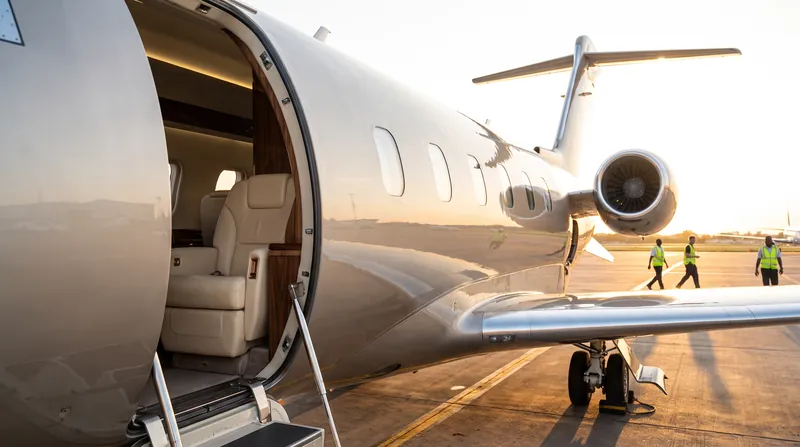
This unique design choice translates directly into a quieter, more serene cabin environment, allowing passengers to converse or work without the intrusive hum typical of smaller aircraft. It is an exceptionally fuel-efficient option tailored for short-haul routes like a weekend escape to Aspen or a quick business jump between coastal cities.[3][4]
For those needing transcontinental range and a more expansive physical footprint, the program includes the Bombardier Challenger 3500. This super-midsize aircraft is renowned for its refined interior, featuring a true stand-up cabin, deeply contoured seating, and advanced soundproofing that envelops passengers in quiet comfort.
When the journey stretches from New York to London or Miami to Seattle, the Challenger provides the necessary physical space to stretch out, dine comfortably on a properly set table, and arrive at the destination feeling entirely refreshed rather than fatigued by the rigors of a long-haul flight.[3][5]
What this means for the passenger is a seamless transition from the boardroom to the runway, wrapped in a consistent blanket of luxury. Instead of navigating the variable pricing and inconsistent aircraft quality often found in the open charter market, fractional owners step into a familiar, highly curated environment every single time they fly. The cabin finishes, the standard of personalized service, and the operational reliability are standardized, ensuring that the sensory experience remains consistently premium regardless of which specific tail number pulls up to the fixed-base operator.[1][5]
Honda Aircraft’s decision to back Thrive Aviation through Arulean Air marks a strategic pivot for the manufacturer, signaling a deeper integration into the operational side of private aviation. By supporting a fractional program, Honda is not just selling aircraft to fleet operators; it is actively cultivating a broader base of fliers who might eventually transition to whole ownership. It allows the manufacturer to put its flagship product directly into the hands of high-net-worth individuals, letting the quiet cabin and smooth ride serve as a rolling, high-altitude showroom.[2][3]
The demand for fractional ownership surged during the post-2020 travel boom and has since stabilized into a permanent, highly sought-after fixture of the luxury travel landscape. Travelers have grown accustomed to the privacy, health security, and sheer time-saving convenience of private terminals, and many are unwilling to return to commercial first class. Thrive’s entry into this space, bolstered by Honda's engineering pedigree and financial weight, provides a fresh alternative to legacy fractional operators, promising competitive pricing and a modernized fleet that appeals to a new generation of private fliers.[4][5]
As the program rolls out, prospective owners will be able to tailor their shares to match their anticipated annual flight hours, blending the agility of the HondaJet with the long-haul muscle of the Challenger 3500. For the luxury traveler mapping out their next year of business engagements and leisure escapes, the skies have just opened up. This partnership offers a more flexible, predictable, and refined way to fly, ensuring that the journey itself remains as compelling and comfortable as the destination waiting at the end of the runway.[1][3]
Viewpoints in depth
Luxury Travelers
Appreciate the guaranteed availability and consistent quality without the full burden of ownership.
For frequent fliers, the fractional model eliminates the friction of sourcing ad-hoc charters and the financial sinkhole of whole-aircraft maintenance. Having access to both a light jet for regional hops and a super-midsize jet for cross-country travel provides a tailored solution that directly matches their itinerary needs. It allows passengers to lock in their travel costs and guarantee aircraft availability, even during peak holiday travel periods.
Aviation Industry Analysts
View the manufacturer-backed fractional model as a strategic pipeline for future whole-aircraft sales.
Industry observers note that Honda Aircraft's creation of Arulean Air to back Thrive Aviation is a calculated move to capture market share. By introducing high-net-worth individuals to the HondaJet experience through fractional ownership, the manufacturer builds brand loyalty that often translates into direct aircraft purchases down the line. It also ensures a steady operational pipeline for their aircraft, keeping production lines moving while expanding their brand footprint on tarmacs globally.
Legacy Fractional Operators
Face new competition in a market that demands increasingly modern fleets and flexible terms.
Established players in the fractional space must now contend with a well-funded entrant offering brand-new aircraft. The combination of Thrive's operational expertise and Honda's direct backing creates a compelling alternative that could pressure legacy operators to refresh their own fleets and rethink their pricing structures. As travelers increasingly prioritize modern cabin amenities and fuel-efficient designs, older fleets may struggle to retain their premium clientele.
Key points
- Thrive Aviation launched a new fractional jet ownership program backed by Honda Aircraft subsidiary Arulean Air.
- The fleet will feature the light HondaJet HA-420 and the super-midsize Bombardier Challenger 3500.
- The program bridges the gap between on-demand charter flights and full aircraft ownership.
- Travelers can purchase shares that guarantee a set number of annual flight hours in a consistent, premium cabin.
- Luxury Travelers
- Appreciate the guaranteed availability and consistent quality without the full burden of ownership.
- Aviation Industry Analysts
- View the manufacturer-backed fractional model as a strategic pipeline for future whole-aircraft sales.
- Legacy Fractional Operators
- Face new competition in a market that demands increasingly modern fleets and flexible terms.
Perspectives this story doesn't cover
- Environmental advocates monitoring the carbon footprint of expanded private aviation.
- Commercial airline executives tracking the loss of premium first-class passengers to private aviation.
Sources
Source coverage
5 outlets
3 viewpoints surfaced





- [1]ForbesLuxury Travelers
Honda Backs Thrive Aviation In Fractional Private Jet Program Launch
Read on Forbes → - [2]Aviation WeekAviation Industry Analysts
Thrive Aviation, Honda Aircraft Subsidiary Form Fractional Program
Read on Aviation Week → - [3]Avi-GoLegacy Fractional Operators
Thrive Aviation Launches Fractional Ownership Program with Arulean Air Backing, to Feature HondaJet HA-420 and Bombardier Challenger 3500
Read on Avi-Go → - [4]Private Jet Card ComparisonsLuxury Travelers
Honda backs Thrive Aviation to launch new fractional program
Read on Private Jet Card Comparisons → - [5]Corporate Jet InvestorAviation Industry Analysts
Thrive Aviation to launch fractional ownership programme with Arulean Air
Read on Corporate Jet Investor →
More in Travel
See all →Private Aviation
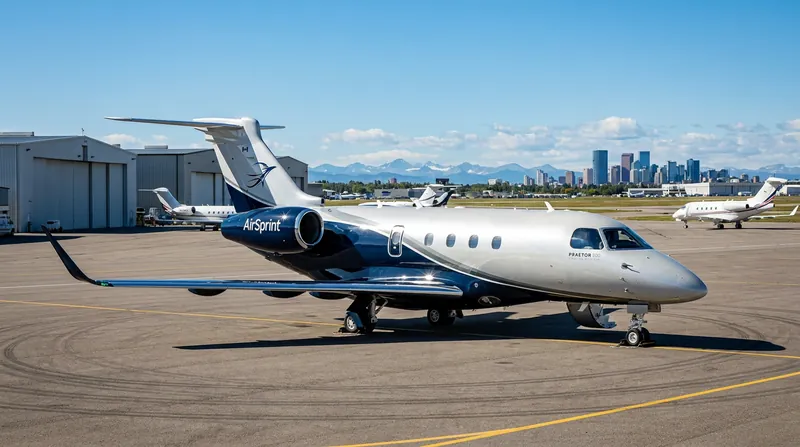
Private Equity Firms Acquire AirSprint, Signaling Major Investment Boom in Fractional Private Jet Travel
4 sources
Superyacht Regulation
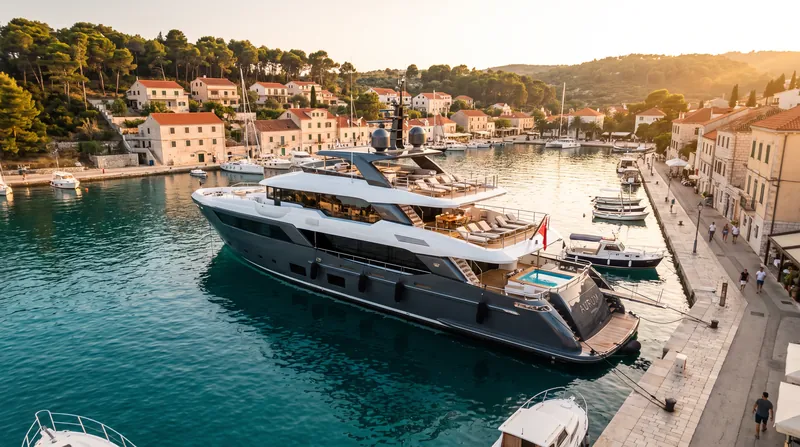
The 500-Tonnage Threshold: How the Red Ensign Group Yacht Code Dictates Superyacht Design and Tax Status
6 sources
Ras Malé Development
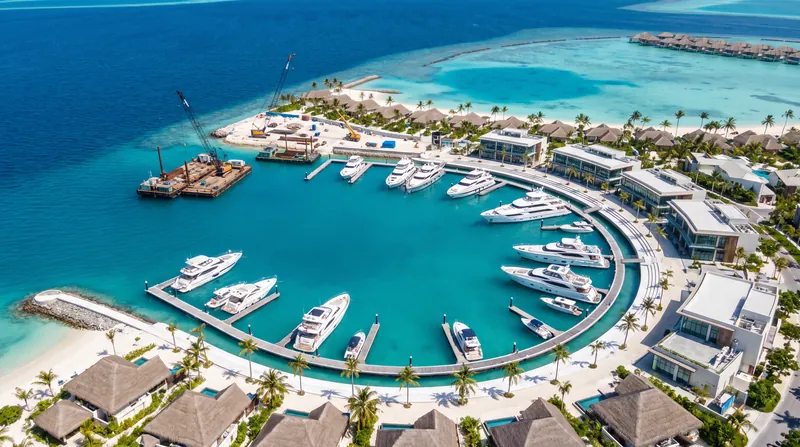
Eagle Hills Signs $12 Billion Deal for Maldives Luxury Waterfront and Marina Mega-Project
5 sources
Visa Wait Times
GAO Report Finds US Visitor Visa Interview Wait Time Surged to 201 Days, Costing Billions in Tourism Revenue
6 sources

Comments
Every angle. Every day.
Get Travel stories with full source coverage and perspective breakdowns, free every day.