
EPA Finalizes Deadline Extension for R-410A HVAC Systems, Mandating Shift to New A2L Refrigerants
The EPA has removed the January 2026 installation ban on legacy R-410A air conditioners, giving contractors time to clear inventory. However, the industry's shift to mildly flammable, high-efficiency A2L refrigerants remains the new standard for homeowners.
By Derya Kaplan

- Next-Gen HVAC Adopters
- Emphasizing the performance gains, efficiency, and long-term serviceability of the new A2L systems.
- Legacy Equipment Installers
- Focused on clearing stranded inventory and mitigating the financial losses of the rapid regulatory shift.
- Regulatory & Building Authorities
- Navigating the complex rollout of federal phasedowns and state-level building code compliance.
At a glance
- The EPA removed the January 1, 2026, installation ban on legacy R-410A HVAC systems, allowing existing stock to be sold.
- New York State retained the original deadline, meaning R-410A systems cannot be legally installed there.
- The industry is shifting to A2L refrigerants like R-454B and R-32, which cut Global Warming Potential by roughly 70 percent.
- A2L systems require new leak-detection sensors and specialized technician training due to mild flammability.
- While legacy systems may be cheaper upfront, their long-term service costs will rise as R-410A production is phased down.
Why it matters now
If you need to replace your home's air conditioner or heat pump, you now face a split market: buy a discounted, discontinued R-410A system that will become expensive to repair, or pay more upfront for a future-proofed A2L system.
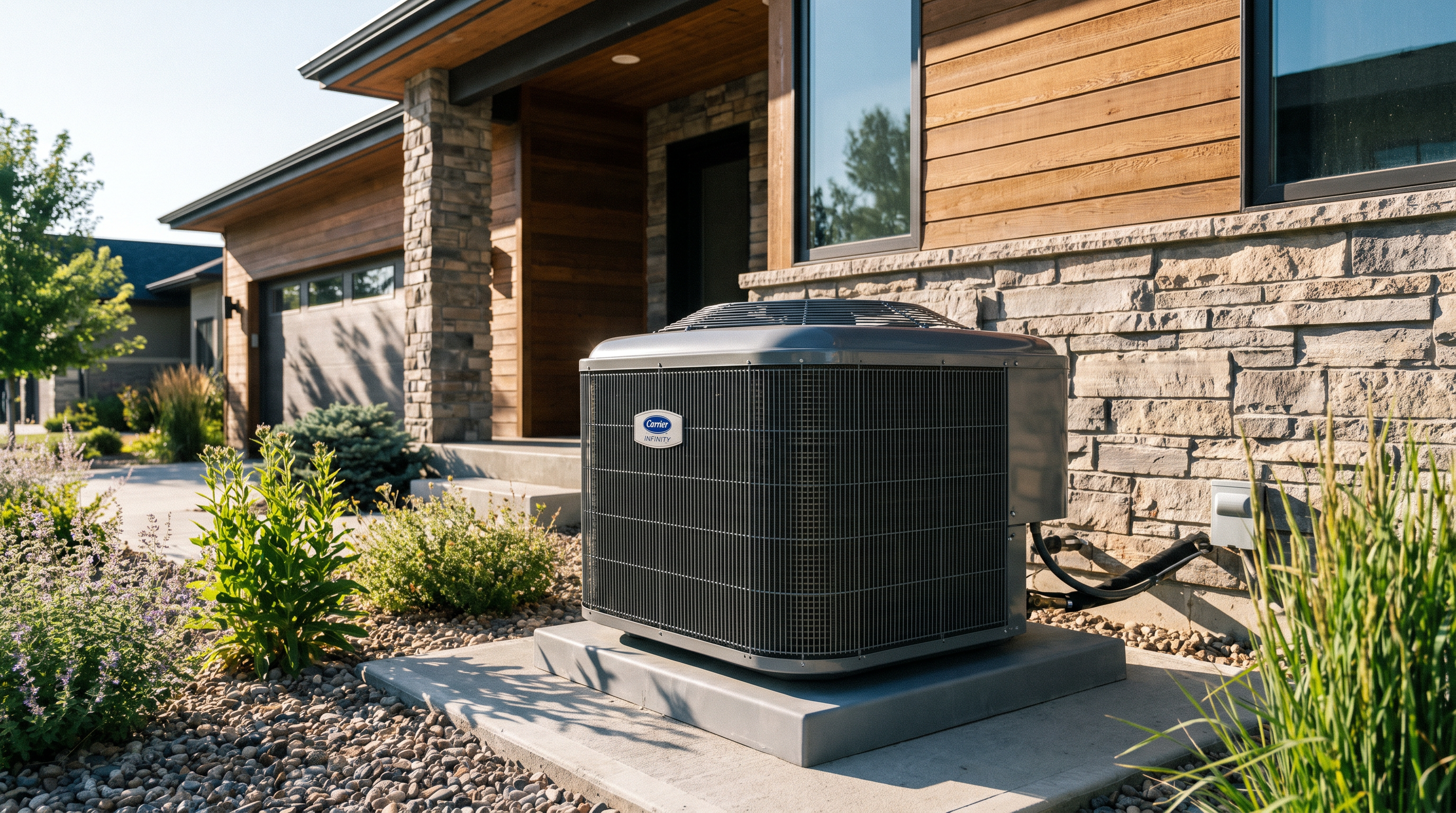
The short version stated plainly: The Environmental Protection Agency has officially scrapped its January 1, 2026, installation ban on older R-410A air conditioners, giving homeowners and builders a temporary reprieve to use up existing warehouse stock. But the broader regulatory shift to mildly flammable, climate-friendly A2L refrigerants is already the new reality. For anyone replacing a central air system or heat pump this year, the market now presents a split path. Buyers must choose between hunting down a discounted legacy unit before supplies vanish or adopting the new A2L standard that will define the next two decades of home cooling.[2][4]
The urgency stems from the American Innovation and Manufacturing (AIM) Act, a federal mandate designed to phase down hydrofluorocarbons (HFCs) due to their high Global Warming Potential (GWP). Under this framework, manufacturers were legally barred from producing or importing new residential R-410A condensing units as of January 1, 2025. The original EPA rule gave contractors exactly one year—until January 1, 2026—to install whatever pre-2025 inventory remained. After that date, installing a legacy split system would become a federal violation, forcing the industry into a hard cutoff.[4][7]
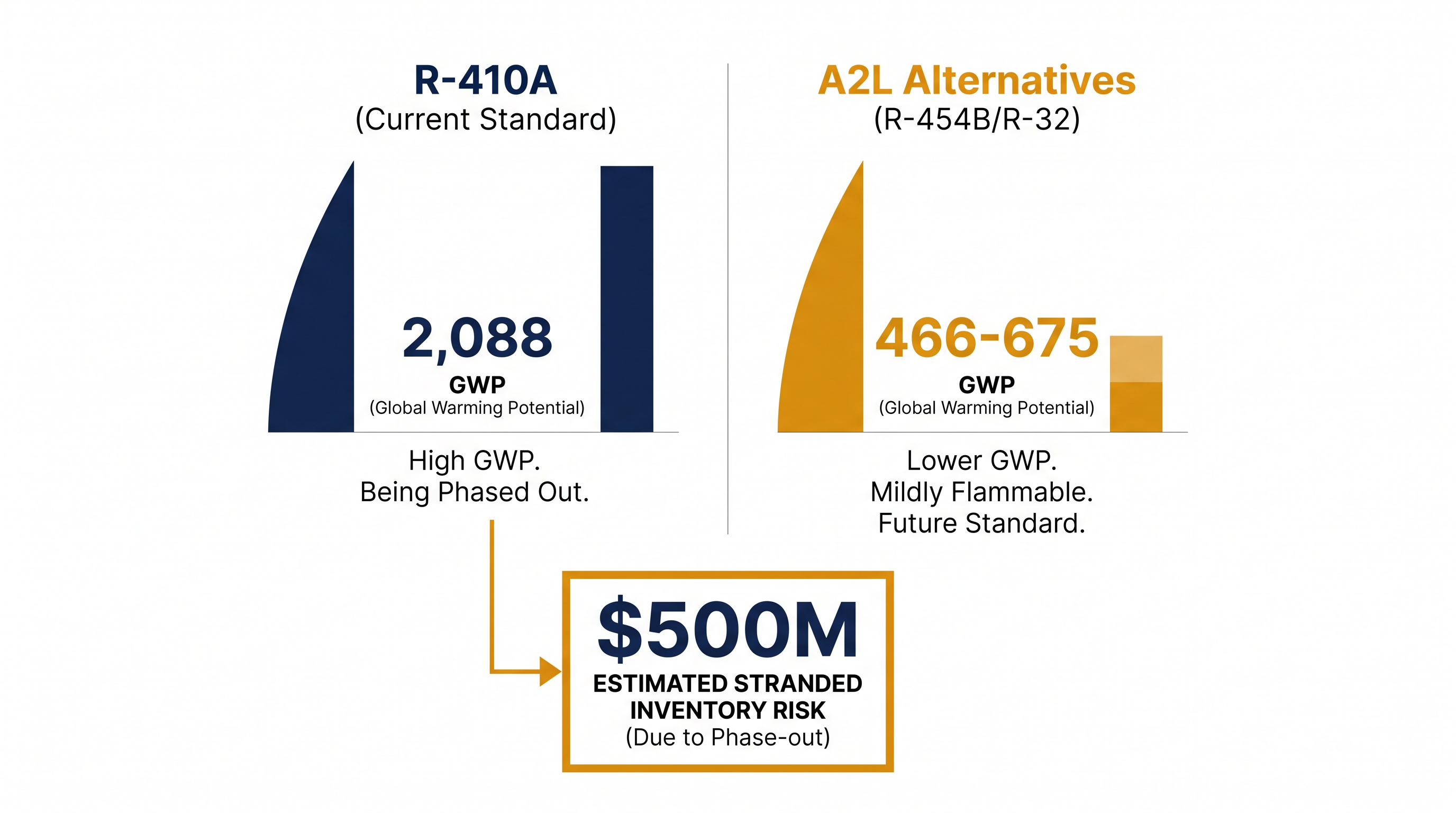
That hard cutoff quickly proved unworkable. As the market rapidly pivoted to the new A2L equipment, distributors found themselves sitting on larger stockpiles of legacy R-410A systems than the agency had anticipated. Industry groups, led by the Air Conditioning Contractors of America, warned that the deadline would create an estimated $500 million in stranded, unsellable equipment. In response, the EPA finalized an amended rule that took effect in late July 2026, removing the installation deadline entirely and allowing contractors to install eligible pre-2025 systems until supplies naturally run out.[1][3]
However, federal relief does not guarantee local compliance. Homeowners and builders must navigate a patchwork of state-level regulations that supersede the EPA's extension. New York, for example, codified the original January 1, 2026, deadline into its Part 494 environmental regulation. In that state, R-410A systems cannot be legally installed regardless of the federal change, leaving local contractors to absorb the loss or attempt to sell their stranded inventory across state lines. Other states with aggressive climate targets are weighing similar backstops, making local building codes the ultimate arbiter of what can sit on a concrete pad outside a home.[1][2]
However, federal relief does not guarantee local compliance.
For the vast majority of the country where the extension applies, the HVAC industry has already moved on. The new standard relies on A2L refrigerants—primarily R-454B and R-32—which meet the EPA's new requirement that residential systems have a GWP of 700 or less. By comparison, the outgoing R-410A has a GWP of 2,088, meaning a single pound leaked into the atmosphere traps more than two thousand times as much heat as carbon dioxide. The new A2L alternatives cut that climate impact by roughly 70 percent, aligning the United States with global phasedown treaties.[4][5]
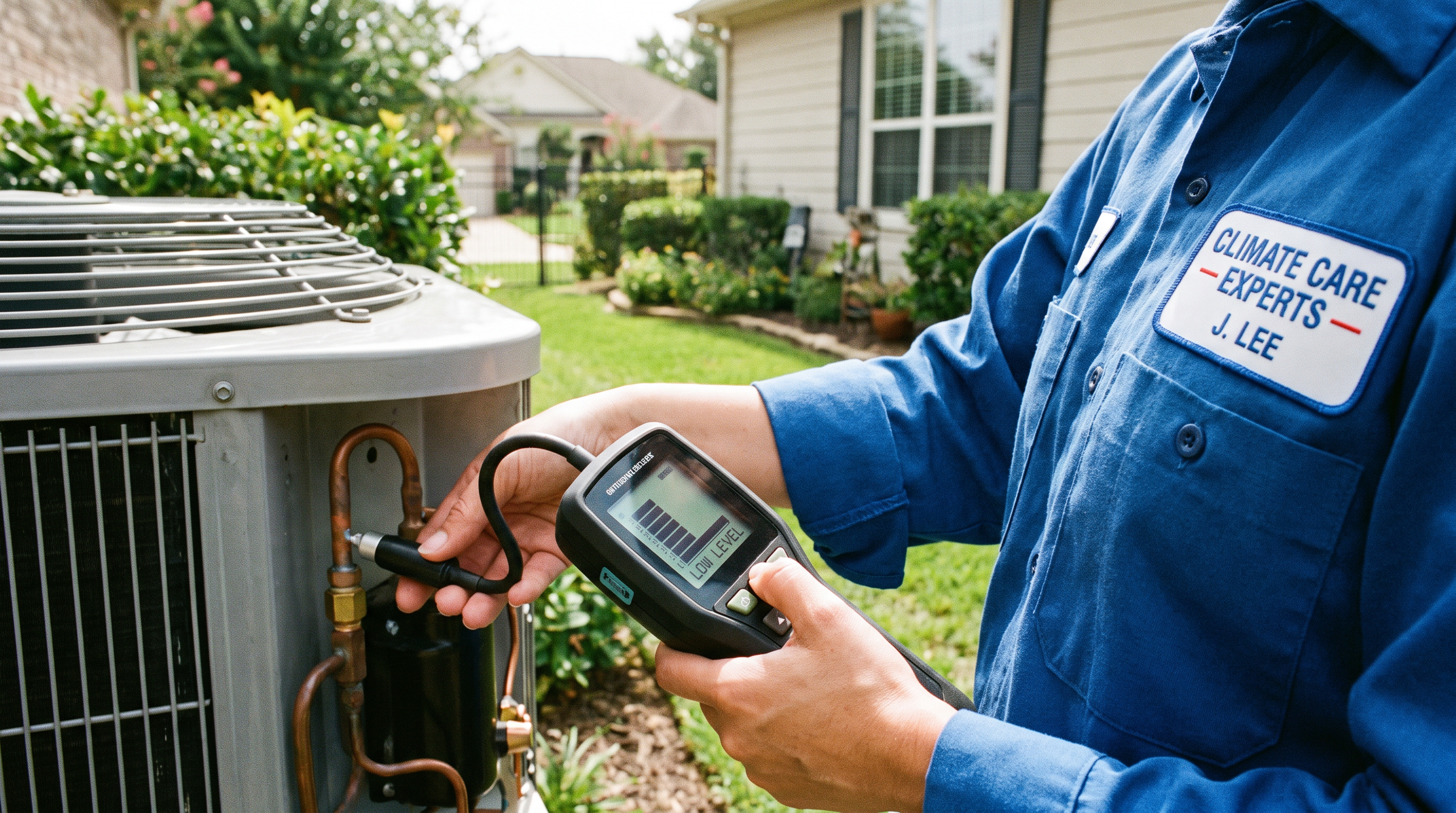
The transition requires a fundamental shift in how systems are installed and maintained. The "A" in A2L stands for low toxicity, while the "2L" designates the refrigerant as mildly flammable. In practical terms, these chemicals will not easily ignite under normal household conditions, but they require updated safety protocols. New A2L-compatible HVAC systems are equipped with mandatory leak-detection sensors, specialized ventilation mechanisms, and updated labeling. Technicians must use spark-proof tools and undergo specific certification to handle the new chemistry safely inside residential basements and attics.[5][6]
Beyond the environmental and safety updates, the new refrigerants alter the physical performance of the equipment. In high-heat markets like North Texas, where summer temperatures routinely exceed 100 degrees, contractors are finding that A2L refrigerants handle heat transfer differently than legacy systems. R-32, a single-component refrigerant, offers a 10 to 12 percent higher efficiency rate than R-410A and performs better under sustained extreme temperatures. This efficiency gain translates directly to lower monthly utility bills, offsetting some of the initial sticker shock of the new technology.[6]
The financial calculus for homeowners hinges on the difference between installation costs and long-term serviceability. While the EPA's extension makes it perfectly legal to install a leftover R-410A system today, maintaining it will become increasingly punitive. The AIM Act mandates an 85 percent reduction in HFC production by 2036. As the supply of virgin R-410A shrinks year by year, the cost to recharge a legacy system after a leak will inevitably spike. The industry saw this exact scenario play out during the previous phaseout of R-22 (Freon), where scarcity drove service prices to prohibitive levels.[3][4]
Ultimately, the EPA's deadline extension is a temporary pressure release valve for the supply chain, not a reversal of the industry's trajectory. Homeowners facing a catastrophic system failure must now act as energy market speculators, weighing the immediate discount of a discontinued product against the future-proofed reliability of the A2L standard. The decision requires looking past the initial quote and calculating the total cost of ownership over the 15-year lifespan of the equipment, factoring in both utility savings and the inevitable rise in legacy maintenance costs.[3][7]
Different angles
Option 1: Installing a Legacy R-410A System
Capitalizing on the EPA extension to install discounted pre-2025 inventory.
FOR: Lower upfront equipment costs as distributors clear out stranded inventory, and compatibility with existing uncertified technicians. AGAINST: Rapidly rising long-term service costs and the looming scarcity of replacement refrigerant. EVIDENCE: The AIM Act mandates an 85 percent phasedown of HFC production by 2036, which will choke the supply of virgin R-410A and drive up recharge prices, mirroring the historical R-22 phaseout. FITS WELL WHEN: You are flipping a property, operating on a strict emergency budget, or replacing a unit in a home you plan to sell within the next three years. DOES NOT FIT WHEN: You intend to stay in the property for the 15-year lifespan of the system and will bear the brunt of future maintenance spikes.
Option 2: Upgrading to a New A2L System (R-454B / R-32)
Adopting the new low-GWP standard with updated safety and efficiency features.
FOR: Future-proofed serviceability, compliance with all state and federal regulations, and a 10 to 12 percent gain in operating efficiency. AGAINST: Higher initial installation costs, mandatory leak-detection sensors that add mechanical complexity, and the need for specialized A2L-certified contractors. EVIDENCE: R-32 and R-454B operate with a Global Warming Potential below 700, ensuring they will remain the regulatory standard for decades, while offering superior heat transfer in extreme climates. FITS WELL WHEN: You are making a long-term investment in your primary residence, prioritizing monthly utility savings, or building new construction. DOES NOT FIT WHEN: You live in a state where A2L adoption is lagging, or you cannot absorb the higher upfront capital expenditure.
Still unresolved
- Whether more states will follow New York in enforcing the original 2026 installation ban.
- Exactly how high the price of virgin R-410A refrigerant will spike as the 2036 phasedown approaches.
- How the mild flammability of A2L refrigerants will impact long-term residential insurance premiums.
Sources
Source coverage
7 outlets
3 viewpoints surfaced





[1]ACCALegacy Equipment Installers
R-410A installation update: EPA's deadline extension heads to final review
Read on ACCA →[2]NAHBRegulatory & Building Authorities
EPA Finalizes Rule Extending Installation of R-410A HVAC Systems
Read on NAHB →[3]Contractor PlusLegacy Equipment Installers
EPA Lifts the R-410A Installation Deadline but Refrigerant Prices May Rise
Read on Contractor Plus →[4]HVAC Pro SalesRegulatory & Building Authorities
R410A Phaseout Timeline Explained: 2026 HVAC Compliance Guide
Read on HVAC Pro Sales →[5]Howe IncRegulatory & Building Authorities
2026 HVAC Refrigerant Changes Explained
Read on Howe Inc →[6]Too Cool AirNext-Gen HVAC Adopters
The 2026 A2L Refrigerant Transition: What Does It Mean for Your Next Install?
Read on Too Cool Air →[7]KeleNext-Gen HVAC Adopters
The refrigerant transition has entered a new phase
Read on Kele →
Comments
Every angle. Every day.
Get home stories with full source coverage and perspective breakdowns delivered to your inbox.