
Japan Declares 'Double Disaster' as M7.1 Earthquake Strikes Kumamoto Amid Record Heatwave
A magnitude 7.1 earthquake in Japan's Kumamoto Prefecture has collided with a record-breaking heatwave, leaving tens of thousands without water and shifting the primary threat from structural collapse to thermal exposure.
By Marina Lopez

- Emergency Management
- Prioritizes immediate logistical solutions, water distribution, and cooling infrastructure for the displaced.
- Climate & Infrastructure Analysts
- Focuses on the systemic vulnerabilities exposed by overlapping environmental and seismic shocks.
- Displaced Residents
- Highlights the grueling daily reality of surviving in compromised shelters and vehicles amid extreme heat.
- Information Integrity Monitors
- Tracks and counters the spread of online misinformation compounding the crisis.
Perspectives this story doesn't cover
- Rural agricultural communities facing crop losses from the heatwave and water shutoffs
- Medical personnel managing the surge in heatstroke cases
The immediate assumption following a major seismic event is that the ground shaking itself presents the greatest threat to life. But in Japan's Kumamoto Prefecture, the aftermath of a magnitude 7.1 earthquake has revealed a different reality: the most acute danger is now meteorological. A record-breaking heatwave is compounding the structural damage, creating what officials are calling a "double disaster" as displaced residents face temperatures exceeding 40 degrees Celsius without access to running water or reliable cooling infrastructure.[2]
The earthquake, which struck on July 28, 2026, collapsed buildings, buckled roads, and triggered a secondary explosion at a major commercial center, claiming 38 lives. Yet as the immediate search and rescue operations conclude, the focus has shifted to the survival of the nearly 7,000 residents remaining in evacuation centers. With over 37,000 households still lacking running water, the intersection of seismic infrastructure failure and extreme heat has fundamentally altered the recovery timeline.[1][3]
The thermal threat is not theoretical. At least one fatality—a woman in her 70s who was sheltering in her vehicle—has already been attributed to heatstroke. Authorities are now distributing warnings to those sleeping in cars, urging them to run air conditioning despite fuel shortages, or to relocate to designated cooling centers to avoid both thermal exhaustion and blood clotting risks. The Japan Meteorological Agency recently confirmed that several cities set all-time temperature records, pushing the heat stress index to critical levels across the Kyushu region.[2][4][7]
The mechanics of this dual crisis expose a critical gap in traditional disaster planning. While Japan's world-leading earthquake engineering prevented far greater casualties from the initial tremor, the cascading failure of municipal water grids leaves populations highly exposed to climate extremes. When underground pipes rupture, the loss of water pressure not only halts basic sanitation but eliminates the primary mechanism for cooling in makeshift shelters, forcing reliance on overtaxed electrical grids and portable generators.[1][3]
The mechanics of this dual crisis expose a critical gap in traditional disaster planning.
Prime Minister Sanae Takaichi toured the affected zones this week, surveying the damage from the air before visiting well-equipped shelters in the town of Hikawa. The government's response has highlighted the logistical friction of managing concurrent emergencies. Chief Cabinet Secretary Minoru Kihara has pledged accelerated federal support to secure air-conditioning units for temporary shelters, acknowledging that standard relief protocols were not designed for environments where ambient temperatures routinely exceed human survivability thresholds.[1][2][8]
The epicenter of the structural damage remains the Aeon Mall Kumamoto, where a gas leak triggered a massive explosion roughly 80 minutes after the initial quake. While the swift evacuation of approximately 3,000 shoppers prevented a mass-casualty event, the blast complicated early rescue efforts and underscored the fragility of secondary infrastructure. The chaotic aftermath has also been marred by the viral spread of online misinformation claiming the earthquake was artificially induced, forcing authorities to divert resources to counter the rumors. Volunteer teams and the Self-Defense Forces have since pivoted from rubble clearance to the distribution of hydration supplies, treating the heatwave as an active, ongoing hazard rather than a mere environmental backdrop.[1][4][5][6]
The situation in Kumamoto serves as a live stress test for future disaster preparedness across the archipelago. Experts warn that the current logistical bottlenecks—particularly the struggle to maintain potable water and cooling for tens of thousands of displaced individuals—foreshadow the challenges of a potential Nankai Trough megathrust earthquake. If a larger seismic event were to strike during the peak of summer, the resulting displacement could overwhelm the national capacity to prevent mass heat casualties.[3]
As construction begins on temporary housing in towns like Uki and Hikawa, the immediate priority remains stabilizing the displaced population before the sustained heat claims further casualties. The recovery effort is no longer just about rebuilding physical structures; it is about engineering resilience against concurrent, overlapping shocks. For the residents of Kumamoto, the earthquake was only the catalyst; the true test of survival is navigating the grueling, sweltering weeks that follow.[1][3]
The stakes
The compounding crises in Kumamoto expose a critical vulnerability in modern disaster planning: infrastructure designed to withstand seismic shocks is failing under the simultaneous pressure of extreme climate events. This 'double disaster' serves as a live stress test for how nations must adapt emergency response protocols for an era of overlapping environmental threats.
The essentials
- A magnitude 7.1 earthquake in Kumamoto has left 38 dead and displaced thousands.
- A concurrent record-breaking heatwave is severely complicating recovery efforts.
- Over 37,000 households remain without running water, eliminating basic cooling options.
- Authorities are rushing to install portable air conditioning in sweltering evacuation centers.
- Experts warn the crisis exposes vulnerabilities to overlapping climate and seismic shocks.
Perspectives explored
Emergency Management Officials
Focusing on the immediate logistical hurdles of sustaining life in a compromised environment.
For local authorities and the Self-Defense Forces, the primary mission has shifted from structural rescue to thermal management. Officials point out that standard earthquake protocols assume the environment itself is survivable once the shaking stops. The concurrent heatwave has forced a rapid rewrite of these procedures, requiring the emergency deployment of portable air conditioning units and the constant refueling of vehicles used as makeshift shelters. Their immediate concern is preventing a secondary wave of casualties driven entirely by heatstroke and dehydration among the displaced.
Infrastructure & Climate Analysts
Viewing the disaster as a warning sign for future compounding climate and seismic events.
Disaster preparedness experts argue that Kumamoto exposes a blind spot in Japan's world-renowned resilience engineering. While buildings are designed to sway rather than shatter, the underground networks—specifically water mains and power conduits—remain highly vulnerable to rupture. Analysts warn that as climate change increases the frequency of extreme heat events, the likelihood of these 'double disasters' grows. They advocate for decentralizing water and power grids so that a localized seismic failure does not leave tens of thousands entirely defenseless against lethal ambient temperatures.
Sources
Source coverage
8 outlets
4 viewpoints surfaced







- [1]The GuardianEmergency Management
Japan's prime minister visits Kumamoto as heat and water shortages hamper earthquake recovery
Read on The Guardian → - [2]Carbon BriefClimate & Infrastructure Analysts
Japan reels from heatwave and earthquake 'double-disaster'
Read on Carbon Brief → - [3]The Japan TimesClimate & Infrastructure Analysts
What Kumamoto revealed about Japan's earthquake readiness
Read on The Japan Times → - [4]Channel News AsiaDisplaced Residents
Displaced Japan earthquake survivors face extreme heat
Read on Channel News Asia → - [5]Japan TodayInformation Integrity Monitors
Claims of manmade quake spread online after southwestern Japan disaster
Read on Japan Today → - [6]Vertex NewsDisplaced Residents
Japan faces worsening humanitarian crisis after Kumamoto earthquake
Read on Vertex News → - [7]NHK WorldEmergency Management
Elderly woman found dead in car amid Kumamoto heatwave
Read on NHK World → - [8]Associated PressEmergency Management
Japan's prime minister tours quake-hit Kumamoto as heatwave deepens crisis
Read on Associated Press →
Comments
More in Environment
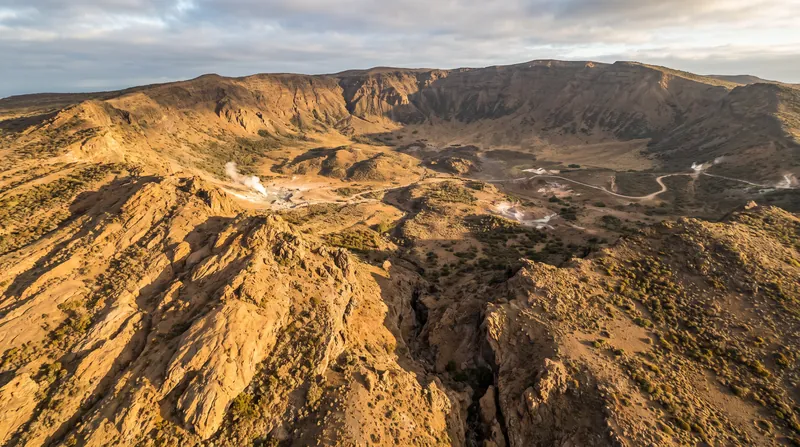
See all →Nile Basin Hydropolitics
Egyptian PM Calls Nile Water Security an 'Existential Issue' at UN, Rejecting GERD 'Fait Accompli'
5 sources
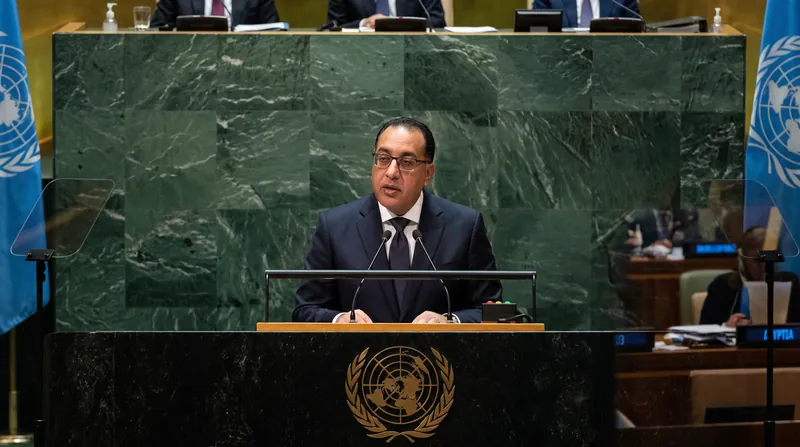
Statehood Law
UN General Assembly Adopts First Declaration Affirming Statehood for Island Nations Facing Sea Level Rise
6 sources
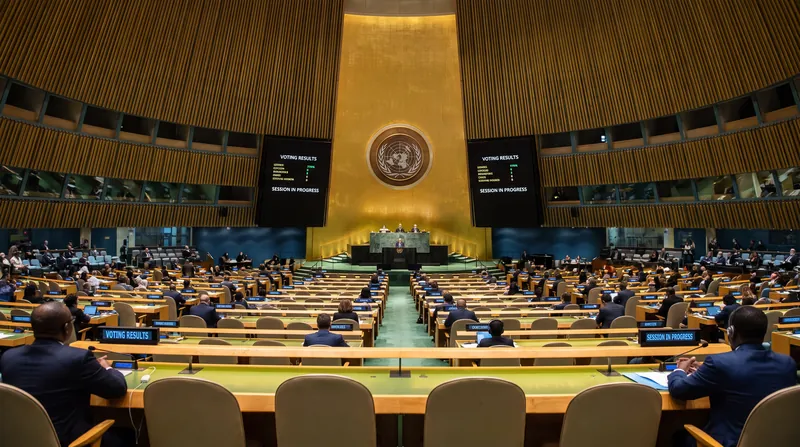
High Seas Treaty
High Seas Treaty Reaches 100 Ratifications, Cementing Global Momentum for Ocean Protection
4 sources
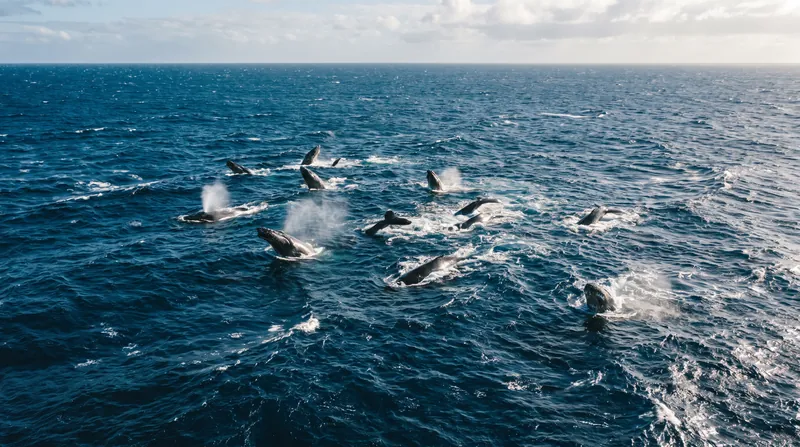
Biodiversity Target
Global 30x30 Goal Remains Achievable, But Ocean Protection Lags Severely With Commitments Only Reaching 12%
4 sources
Every angle. Every day.
Get Environment stories with full source coverage and perspective breakdowns delivered to your inbox.