full timeline
Chinese stock market rout
Follow Chinese stock market rout in the Factlen app and get an alert when there is news. Get the app
Share this story
Latest
By 06:54 UTC on November 3, Chinese regulators informally instructed banks to pause domestic initial public offerings and large share sales by existing shareholders. The move aims to restrict the supply of new shares on the market.
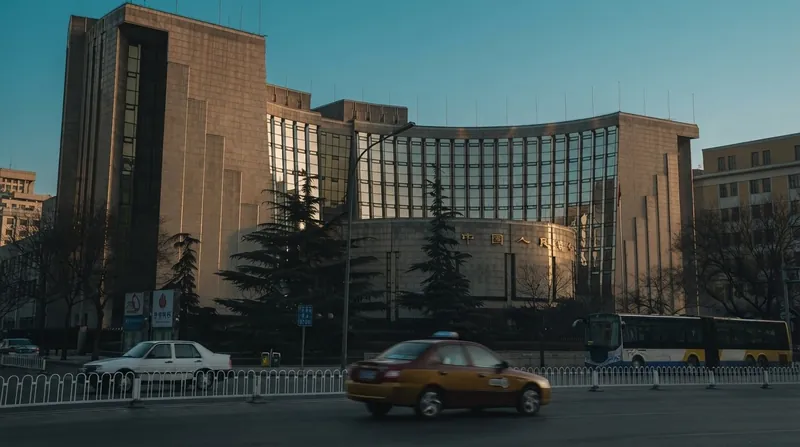
The freeze on new offerings followed coordinated intervention by the People's Bank of China on November 2. By 17:02 UTC, the central bank activated a 100 billion yuan, or $15 billion, swap facility for institutional investors. Simultaneously, the borrowing rate for corporate stock buybacks was cut by 25 basis points to 1 percent. Thirty-one financial institutions applied to utilize the one-year liquidity program.
These dual measures to restrict share supply and inject state-backed capital were implemented after the benchmark CSI 300 index dropped 8.5 percent during October, marking its worst monthly performance in more than a decade.
How the story developed
The benchmark CSI 300 index reached a peak in June before beginning a sustained decline. Over the following months, a massive selloff concentrated in artificial intelligence and technology shares took hold.
The market faced mounting structural economic headwinds, including concerns over deflation and a third-quarter gross domestic product growth rate of 4.5 percent.
Amid these economic indicators, foreign institutional outflows accelerated for eight consecutive weeks.
By October 22, the 10-week rout had erased $2.4 trillion in market capitalization. The CSI 300 index officially entered a bear market, having fallen 20 percent from its June high.
During the initial stages of the market crash, state-backed funds largely refrained from aggressive intervention. This approach allowed equity valuations to reset naturally without immediate government support.
Charts, maps and images
Show 1 moreShow fewer
Timeline
November 2026
China Freezes Domestic IPOs to Stem Steepest Equity Slump in Decade
China Deploys $15 Billion Swap Facility and Cuts Buyback Rates After CSI 300 Slumps 8.5%

October 2026
China's CSI 300 Enters Bear Market as $2.4 Trillion Tech Rout Deepens