
full timeline
European energy and inflation crisis
Follow European energy and inflation crisis in the Factlen app and get an alert when there is news. Get the app
Share this story
Latest
On October 28, European natural gas prices surpassed €100 per megawatt hour for the first time since the 2022 energy crisis. The surge comes as the winter heating season approaches, driven by mounting fears over winter supplies exacerbated by the ongoing war involving Iran. By 22:50 UTC, officials warned households to prepare for a difficult season ahead, as both consumers and industrial sectors began to feel the financial strain of elevated energy costs.
Despite the price crossing this psychological threshold, the European Union maintains that it is not worried about overall supplies. However, European gas storage facilities were reported to be only 72 percent full on October 28.
How the story developed
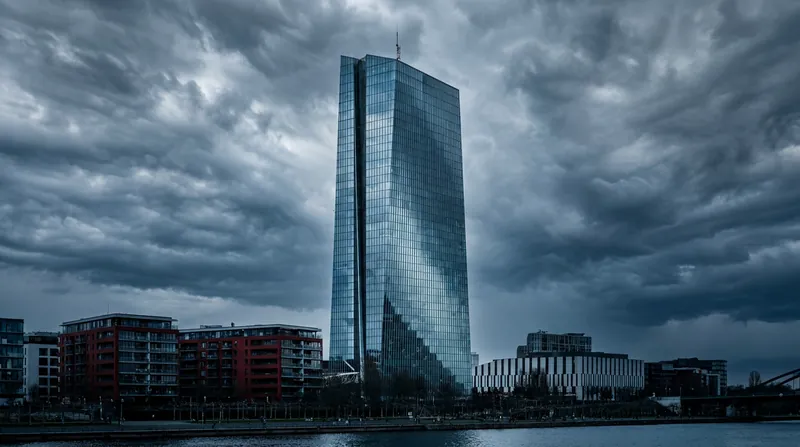
The current phase of the crisis escalated in late summer as renewed conflict in the Middle East pushed Brent crude oil briefly above $105 per barrel. In response to eurozone inflation accelerating to 3.3 percent in August amid these surging energy costs, the European Central Bank raised its benchmark deposit rate by 25 basis points to 2.50 percent on September 11.
During the September 11 rate hike, the ECB upgraded its long-term inflation forecasts, expecting prices to average 2.5 percent in 2027 and 2.1 percent in 2028. ECB President Christine Lagarde committed to a data-dependent, meeting-by-meeting approach for future rate decisions.
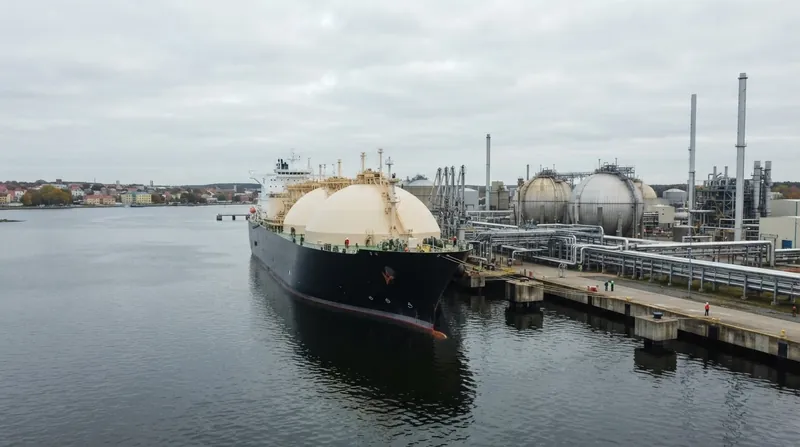
By mid-October, escalating maritime attacks in the Strait of Hormuz caused liquefied natural gas deliveries from the Persian Gulf to fall 80 percent year-over-year. On October 19, the Dutch TTF natural gas benchmark reached €88.1 per megawatt-hour. European Union gas storage facilities were 74.1 percent full, trailing the 83.04 percent capacity recorded at the same time the previous year.
Following the mid-October price surges, Lagarde warned that the energy price spike remained the predominant driver of eurozone inflation. This prompted the ECB to monitor wage negotiations to prevent structural inflation.
On October 20, the Dutch TTF wholesale benchmark surpassed €90 per megawatt-hour. The shipping disruptions in the Strait of Hormuz constrained LNG exports from the Middle East, forcing European buyers into a bidding war with Asia. Analysts noted, however, that the affected seaborne LNG represents only a small fraction of total global natural gas supplies.
The price increases throughout October were compounded by winter storage deficits ahead of forecasted cold weather. By October 20, storage was operating at 74 percent capacity, significantly below the 92 percent historical norm for late October, setting the stage for the continued price surges later in the month.
What to watch
- The European Central Bank is monitoring wage negotiations to prevent the commodity spike from triggering structural inflation.
- ECB President Christine Lagarde will use a data-dependent, meeting-by-meeting approach for future rate decisions.
Where things stand
European Natural Gas Surpasses €100 per Megawatt Hour
Key point: European natural gas prices have topped €100 per megawatt hour for the first time since 2022 amid winter supply fears and geopolitical tensions.
European natural gas prices have surpassed €100 per megawatt hour, marking the first time the benchmark has reached this level since the 2022 energy crisis. The price crossed this psychological threshold as the winter heating season approaches.
The surge is driven by mounting fears over winter supplies, which have been exacerbated by the ongoing war involving Iran. While the European Union maintains it is not worried about overall supplies, its gas storage facilities are currently only 72% full.
Officials have warned households to prepare for a difficult season ahead. Both consumers and industrial sectors are beginning to feel the financial strain of the elevated energy costs.
Charts, maps and images
Timeline
October 2026
European Natural Gas Surpasses €100 per Megawatt Hour
- European Natural Gas Surpasses €100 per Megawatt HourKey point: European natural gas prices have topped €100 per megawatt hour for the first time since 2022 amid winter supply fears and geopolitical tensions.
European Natural Gas Tops €90 per Megawatt-Hour Amid Persistent Supply Threats
European Gas Surges Near 2022 Peaks as ECB Warns of Energy Price Spillovers
September 2026
European Central Bank Raises Key Rates by 25 Basis Points as Geopolitical Tensions Fuel Inflation
