
Catastrophic Flooding in East Africa Displaces Over 240,000, Kills Hundreds Across Kenya, Tanzania, and Burundi
Weeks of relentless rainfall exacerbated by El Niño have triggered devastating floods across East Africa, displacing hundreds of thousands and prompting urgent humanitarian interventions.

Share this story
The immediate reality of rising floodwaters across East Africa is colliding with the long-term vulnerability of the region's infrastructure, as weeks of relentless rainfall plunge Kenya, Tanzania, and Burundi into a state of emergency. Over 240,000 people have been forced from their homes, and hundreds have been killed in what humanitarian agencies are calling the worst flooding seen in decades.[1][4]
The deluge, exacerbated by a strengthening El Niño climate pattern and a positive Indian Ocean Dipole, has overwhelmed urban drainage systems and caused major rivers to burst their banks. In Kenya alone, flash floods have swept through the capital, Nairobi, and surrounding counties, leaving over 100 people dead and inundating informal settlements where resilient water and sanitation infrastructure is virtually nonexistent.[3]
Tanzania has faced similarly catastrophic impacts, with the government reporting at least 155 fatalities as heavy rains trigger landslides in the coastal regions and the capital, Dar es Salaam. Entire neighborhoods have been buried under mud, and critical transport arteries—including roads, bridges, and railways—have been severed, severely complicating rescue and relief operations.[1]
In Burundi, the relentless precipitation has steadily pushed up the water levels of Lake Tanganyika, causing it to overflow into the port of Bujumbura, the country's economic hub. The rising waters have displaced thousands of families along the shoreline, forcing them into squalid, overcrowded temporary camps where the risk of waterborne diseases is escalating rapidly.[3][4]
The human toll of the disaster is staggering. The United Nations Children's Fund (UNICEF) estimates that almost one million people across the broader region are affected, with women and children bearing the brunt of the crisis. Schools have been closed for weeks, and the destruction of agricultural land and livestock threatens to plunge already vulnerable communities deeper into food insecurity.[3]
Humanitarian organizations are scrambling to respond to the escalating crisis. The International Organization for Migration (IOM) has launched emergency interventions, targeting hundreds of thousands of displaced individuals with shelter materials, hygiene kits, and essential medical care. However, the sheer scale of the disaster is stretching international aid resources to their limits.[1][4]
The immediate flooding is compounding an already precarious situation in the Horn of Africa, a region that has spent recent years shuttling between extreme droughts and intense precipitation. This whiplash effect degrades the soil's ability to absorb water, meaning that when the rains do arrive, they quickly turn into destructive surface runoff rather than replenishing groundwater reserves.[1][5]
Forecasters warn that the situation may deteriorate further before it improves. Regional climate centers and the World Meteorological Organization have issued alerts indicating that the current El Niño event is expected to intensify, bringing above-average rainfall to much of East Africa through the end of the year.[2][5]
In response to the dire forecasts, regional governments are attempting to pivot from reactive disaster management to proactive preparedness. In Rwanda and Kenya, authorities are stepping up efforts to clear drainage channels, reinforce critical infrastructure, and strengthen early warning systems in a bid to mitigate the human and economic toll of future storms.[2]
Yet, the structural challenges remain immense. Rapid urbanization, unregulated development on floodplains, and the degradation of natural catchment areas have systematically eroded the region's natural defenses against extreme weather. Until these systemic vulnerabilities are addressed, climate scientists warn that East Africa will remain trapped in a cycle of devastating, climate-driven emergencies.[4]
Viewpoints in depth
Humanitarian Agencies
International aid organizations emphasize the urgent need for sustained funding and resources to address the immediate survival needs of displaced populations.
Groups like the IOM and UNICEF argue that the scale of the disaster requires an unprecedented international response. They highlight that beyond the immediate threat of drowning and exposure, the secondary risks of waterborne diseases, such as cholera, and acute malnutrition are skyrocketing. These agencies stress that emergency relief must be coupled with long-term investments in climate resilience, as the region's vulnerability to extreme weather is only deepening.
Regional Governments
National authorities focus on the logistical and infrastructural challenges of managing the crisis while attempting to prepare for future extreme weather events.
Governments in Kenya, Tanzania, and Rwanda are grappling with the dual burden of conducting immediate search-and-rescue operations and rebuilding shattered infrastructure. Officials point to the overwhelming force of the El Niño-driven rains as the primary culprit, though some acknowledge that rapid urban expansion and inadequate drainage systems have exacerbated the damage. Their focus is increasingly shifting toward strengthening early warning systems and enforcing land-use regulations to prevent future development in high-risk floodplains.
Climate Forecasters
Meteorologists and climate scientists view the floods as a predictable consequence of shifting global climate patterns interacting with local vulnerabilities.
Experts from institutions like ICPAC and the World Meteorological Organization emphasize that the current devastation is the result of a potent combination of a strengthening El Niño and a positive Indian Ocean Dipole. They argue that the region's "climate whiplash"—swinging from severe drought to intense rainfall—is a hallmark of a warming planet. Forecasters are urging policymakers to use probabilistic seasonal outlooks not just as warnings, but as mandatory triggers for anticipatory action and infrastructure reinforcement.
Key points
- Weeks of relentless rainfall have triggered catastrophic flooding and landslides across Kenya, Tanzania, and Burundi.
- The disaster has claimed hundreds of lives and forced over 240,000 people to flee their homes.
- Humanitarian agencies are warning of a secondary crisis as the risk of waterborne diseases like cholera escalates in overcrowded displacement camps.
- Climate forecasters anticipate the situation may worsen, with a strengthening El Niño expected to bring further heavy rains later in the year.
How we got here
Late 2025
A prolonged period of severe drought across the Horn of Africa leaves soil degraded and highly vulnerable to surface runoff.
March 2026
The 'long rains' season begins with unprecedented intensity, triggering initial flash floods and localized landslides in Kenya and Tanzania.
April 2026
Rising water levels in Lake Tanganyika begin inundating coastal communities in Burundi, displacing thousands from the economic capital, Bujumbura.
May 2026
The death toll surpasses 200 across the region as major rivers burst their banks and urban drainage systems fail in major cities like Nairobi and Dar es Salaam.
August 2026
With over 240,000 people displaced, regional governments and international agencies issue urgent preparedness alerts ahead of an expected intensification of El Niño later in the year.
- Humanitarian Agencies
- Emphasize the urgent need for international aid to address immediate survival needs and prevent secondary health crises.
- Regional Governments
- Focus on managing the immediate logistical response while attempting to upgrade infrastructure and early warning systems.
- Climate Forecasters
- View the disaster as a predictable outcome of El Niño and urge the use of seasonal outlooks to trigger anticipatory action.
Perspectives this story doesn't cover
- Local displaced residents
- Urban planning authorities
Sources
Source coverage
5 outlets
3 viewpoints surfaced




- [1]HumAngleHumanitarian Agencies
Devastating Floods Across East Africa Displace Hundreds Of Thousands
Read on HumAngle → - [2]AllAfricaRegional Governments
Rwanda: Govt Steps Up Flood Preparedness As Strong El Niño Looms
Read on AllAfrica → - [3]UNICEFHumanitarian Agencies
Almost 1 Million People in Kenya, Burundi, Tanzania, and Somalia Affected as Unprecedented Heavy Rains Continue to Wreak Havoc in Eastern Africa
Read on UNICEF → - [4]International Organization for MigrationHumanitarian Agencies
Floods Displace Thousands in East Africa; IOM Calls for Sustained Efforts to Address Climate Mobility
Read on International Organization for Migration → - [5]ReliefWebHumanitarian Agencies
Eastern Africa: El Niño Preparedness Alert - August 2026
Read on ReliefWeb →

More in Environment
See all →Hurricane Lowell
Hurricane Lowell Damage Assessment Confirms 74 Homes Destroyed on Kauaʻi as Recovery Centers Open
4 sources
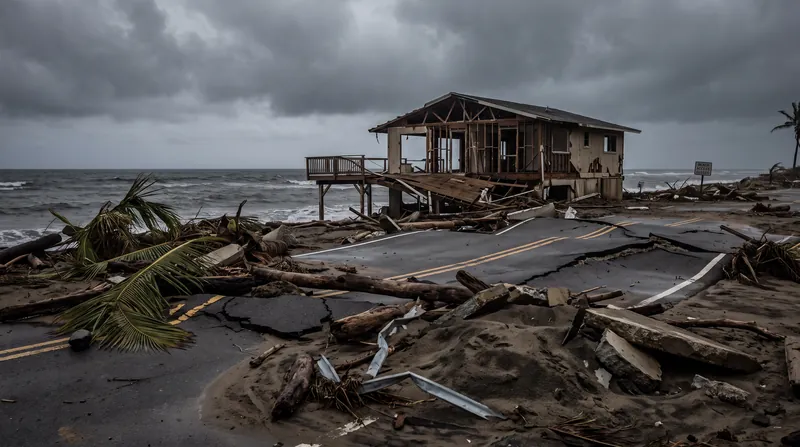
Hurricane Watch
Atlantic Hurricane Season Sets Modern Record for Latest First Hurricane
2 sources

Volcanic Alert
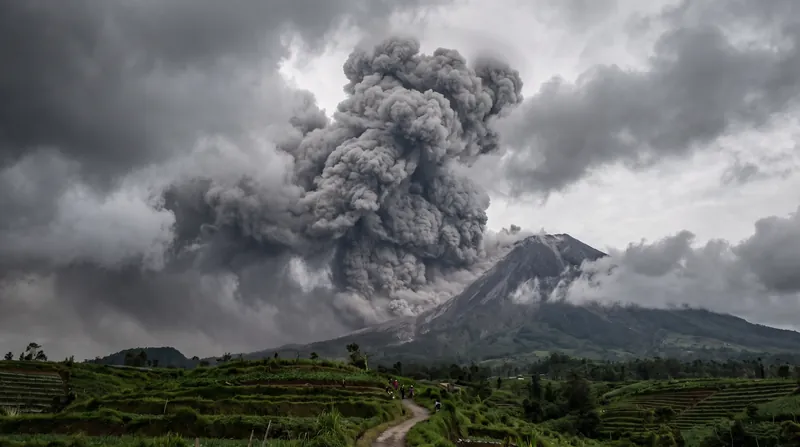
Mount Semeru Erupts Three Times as Heavy Rains Trigger Dangerous Lahar Threats in East Java
5 sources
Adriatic Wildfires
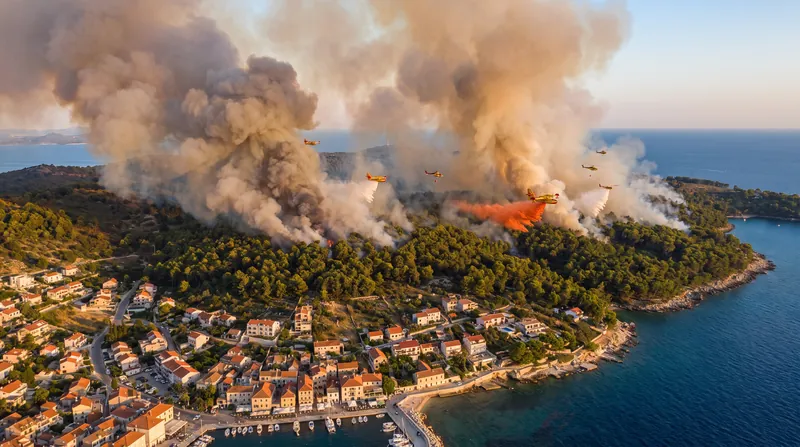
Brac Island Wildfire Burns 5,600 Hectares, Forces 700 Evacuations in Croatia
5 sources
Comments
Every angle. Every day.
Get Environment stories with full source coverage and perspective breakdowns, free every day.