
Atlantic Hurricane Season Sets Modern Record for Latest First Hurricane
The Atlantic basin has passed its climatological peak without producing a single hurricane, breaking a satellite-era record set in 2002. A strong El Niño pattern and high wind shear have continually suppressed storm development despite five named tropical storms forming this year.

- Meteorological Consensus
- Atmospheric scientists point to a strong El Niño as the primary mechanism suppressing Atlantic development.
- Emergency Management
- Emergency planners stress that a quiet season does not guarantee safety.
Perspectives this story doesn't cover
- Insurance and Reinsurance Markets
- Coastal Property Owners
Why it matters
A historically quiet Atlantic season provides a rare reprieve for coastal communities and insurance markets, but forecasters warn that a single late-season storm can still cause catastrophic damage.
In 2002 and again in 2013, the Atlantic basin waited until September 11 to produce its first hurricane of the season. The 2026 season has now surpassed that benchmark, but unlike those years—which eventually saw Hurricane Gustav and Hurricane Humberto spin up to end the drought—the current Atlantic map remains entirely devoid of hurricane activity.[1][2]
As of September 15, the basin has generated five named tropical storms, but none have reached the 74 mph sustained wind threshold required for hurricane status. The National Hurricane Center's seven-day outlook anticipates no tropical cyclone development, pushing the record further into uncharted territory for the modern satellite era, which began in 1966.[2][3]
The primary driver of this atmospheric suppression is a robust El Niño pattern in the Pacific Ocean. El Niño typically strengthens upper-level winds across the Caribbean and tropical Atlantic, creating high vertical wind shear.
This shear acts as a structural barrier in the atmosphere. It tilts developing systems and pulls thunderstorms away from their low-level centers before they can organize into mature hurricanes. Combined with plumes of dry Saharan dust moving off the coast of Africa, the environment has remained persistently hostile to tropical cyclone formation.
It tilts developing systems and pulls thunderstorms away from their low-level centers before they can organize into mature hurricanes.
The suppression is reflected starkly in the basin's Accumulated Cyclone Energy (ACE), a metric that accounts for both storm intensity and duration. "Right now, we have 4.4 ACE which is the lowest on record for this date in the satellite era," noted meteorologist Alex DaSilva. "The average ACE for this date is 67.1."[1]
To find a lower ACE value, forecasters have to look back more than a century. The lowest ACE in all time for a season is 2.5, recorded in 1914, followed by 7.3 in 1925. Only two seasons in the entire historical record—1907 and 1914—have finished without a single hurricane forming.[1]
The Atlantic's dormancy stands in sharp contrast to the Pacific Ocean, which has operated as a "storm factory" under the same El Niño conditions. Earlier this month, the Pacific hosted three simultaneous hurricanes—Lowell, Karina, and Marie—highlighting how the climate pattern shifts extreme weather risk across hemispheres.
While the September 10 climatological peak has passed, meteorologists caution against complacency. The official season runs through November 30, and historical precedent shows that inactive years can still produce devastating landfalls. A quiet season only requires one late-forming storm to strike a populated coast to become a catastrophic year.[1]
What to know
- The 2026 Atlantic season has passed September 11 without a hurricane, breaking a satellite-era record.
- Five named tropical storms have formed this year, but none reached the 74 mph hurricane threshold.
- A strong El Niño pattern is generating high vertical wind shear, suppressing storm development.
- The basin's Accumulated Cyclone Energy (ACE) is currently 4.4, compared to a historical average of 67.1.
Where opinion splits
Meteorological Consensus
Atmospheric scientists point to a strong El Niño as the primary mechanism suppressing Atlantic development.
Forecasters and climate scientists attribute the historic lack of hurricane activity to a textbook El Niño pattern. By warming the central and eastern Pacific, El Niño alters global atmospheric circulation, specifically by increasing westerly winds high in the atmosphere over the tropical Atlantic. This creates vertical wind shear that decapitates developing tropical waves. Researchers note that while sea surface temperatures in the Atlantic remain warm enough to support storms, the hostile atmospheric mechanics have consistently prevented any of the five named storms from consolidating a strong inner core.
Emergency Management
Emergency planners stress that a quiet season does not guarantee safety.
For coastal officials and disaster response agencies, the record-breaking quiet is a double-edged sword. While it provides a reprieve from immediate destruction, it risks breeding public complacency. Emergency managers frequently cite the 1992 season, which was remarkably quiet until late August when Category 5 Hurricane Andrew devastated South Florida. Their core message remains that seasonal statistics describe the ocean basin as a whole, but it only takes one landfalling hurricane to create a localized catastrophe, meaning preparedness protocols must remain fully active through November 30.
Sources
Source coverage
3 outlets
2 viewpoints surfaced



- [1]St. Thomas SourceEmergency Management
Atlantic Hurricane Season Reaches Historic Record as Quiet Pattern Continues
Read on St. Thomas Source → - [2]WeatherBugMeteorological Consensus
This Hurricane Season Breaks a Record
Read on WeatherBug → - [3]National Hurricane CenterMeteorological Consensus
Atlantic Tropical Weather Outlook
Read on National Hurricane Center →
Comments

More in Environment
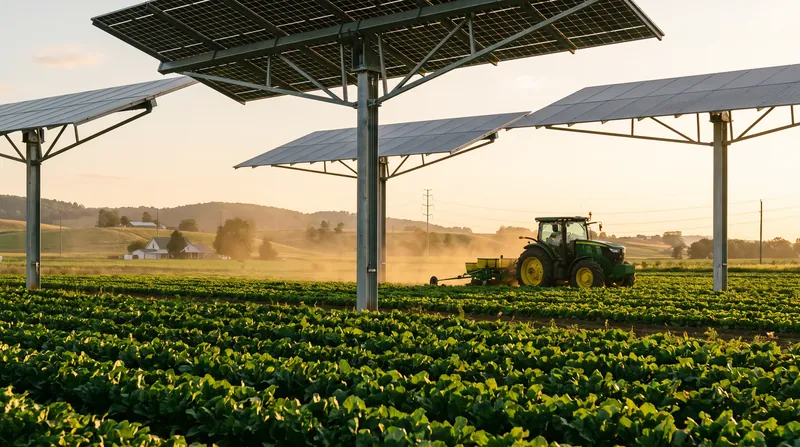
See all →Agrivoltaics
How Agrivoltaics Reconciles the Conflict Between Solar Expansion and Food Security
2 sources
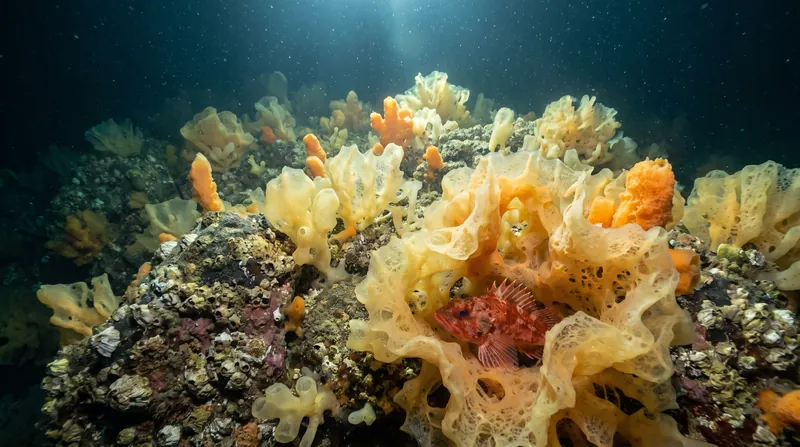
Deep-Sea Biodiversity
NOAA Discovers Nine New Deep-Sea Sponge Species Off the Alaskan Coast
6 sources
Trophic Cascades
How the Mesopredator Release Hypothesis Explains the Ecological Cost of Removing Apex Predators
7 sources

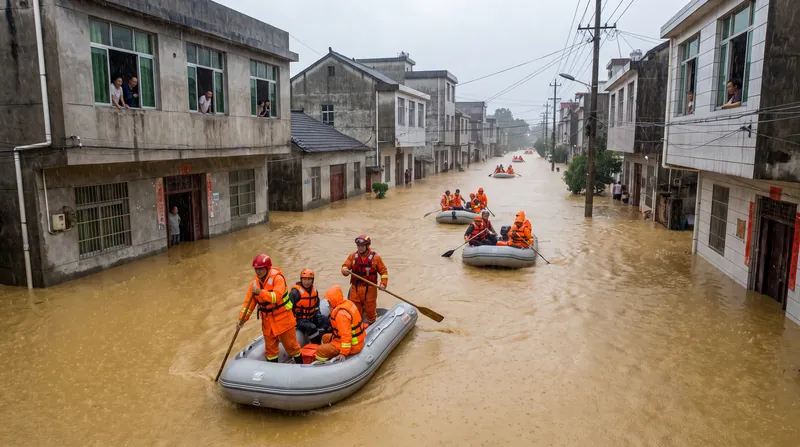
Typhoon Saudel
Typhoon Saudel Floods Fujian and Triggers Deadly Landslide in Jiangxi
6 sources
Every angle. Every day.
Get Environment stories with full source coverage and perspective breakdowns delivered to your inbox.