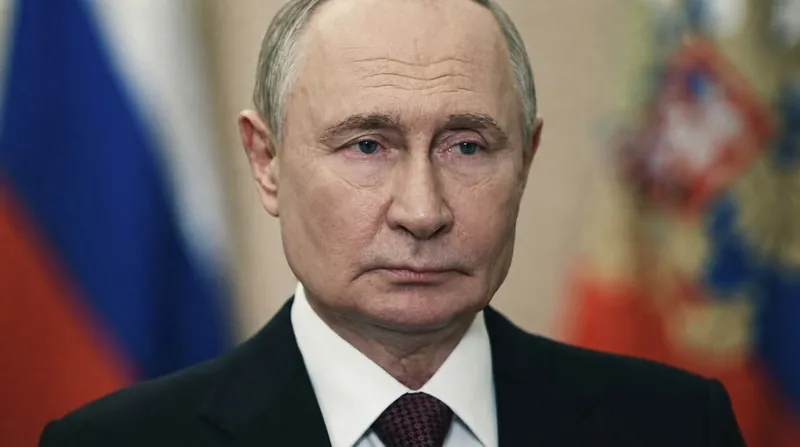
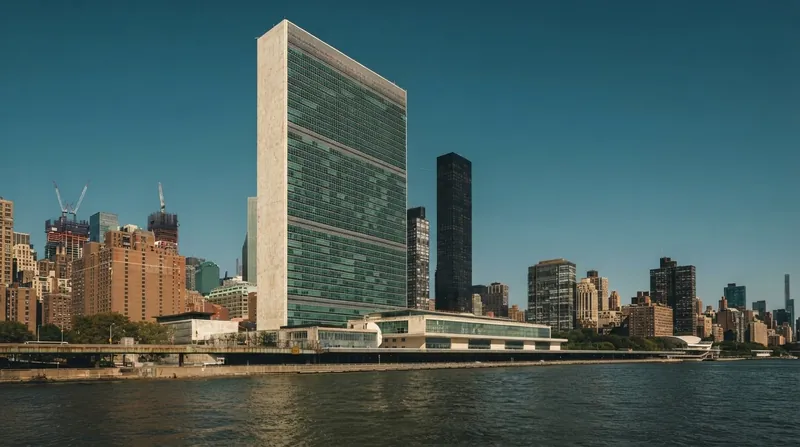
Why this matters
The termination of $4 billion in annual military aid would fundamentally alter the U.S.-Israel security relationship and force a restructuring of Israel's defense procurement, which relies heavily on American subsidies for advanced weaponry and missile defense systems. It would also significantly impact the revenue pipelines of major American defense contractors tied to these guaranteed foreign military sales agreements. The proposed policy shift marks a significant departure from decades of bipartisan consensus on Middle East security funding. The termination of $4 billion in annual military aid would fundamentally alter the U.S.-Israel security relationship and force a restructuring of Israel's defense procurement, which relies heavily on American subsidies for advanced weaponry and missile defense systems. It would also significantly impact the revenue pipelines of major American defense contractors tied to these guaranteed foreign military sales agreements. The proposed policy shift marks a significant departure from decades of bipartisan consensus on Middle East security funding. The termination of $4 billion in annual military aid would fundamentally alter the U.S.-Israel security relationship and force a restructuring of Israel's defense procurement, which relies heavily on American subsidies for advanced weaponry and missile defense systems. It would also significantly impact the revenue pipelines of major American defense contractors tied to these guaranteed foreign military sales agreements. The proposed policy shift marks a significant departure from decades of bipartisan consensus on Middle East security funding. The termination of $4 billion in annual military aid would fundamentally alter the U.S.-Israel security relationship and force a restructuring of Israel's defense procurement, which relies heavily on American subsidies for advanced weaponry and missile defense systems. It would also significantly impact the revenue pipelines of major American defense contractors tied to these guaranteed foreign military sales agreements. The proposed policy shift marks a significant departure from decades of bipartisan consensus on Middle East security funding. The termination of $4 billion in annual military aid would fundamentally alter the U.S.-Israel security relationship and force a restructuring of Israel's defense procurement, which relies heavily on American subsidies for advanced weaponry and missile defense systems. It would also significantly impact the revenue pipelines of major American defense contractors tied to these guaranteed foreign military sales agreements. The proposed policy shift marks a significant departure from decades of bipartisan consensus on Middle East security funding. The termination of $4 billion in annual military aid would fundamentally alter the U.S.-Israel security relationship and force a restructuring of Israel's defense procurement, which relies heavily on American subsidies for advanced weaponry and missile defense systems. It would also significantly impact the revenue pipelines of major American defense contractors tied to these guaranteed foreign military sales agreements. The proposed policy shift marks a significant departure from decades of bipartisan consensus on Middle East security funding. The termination of $4 billion in annual military aid would fundamentally alter the U.S.-Israel security relationship and force a restructuring of Israel's defense procurement, which relies heavily on American subsidies for advanced weaponry and missile defense systems. It would also significantly impact the revenue pipelines of major American defense contractors tied to these guaranteed foreign military sales agreements. The proposed policy shift marks a significant departure from decades of bipartisan consensus on Middle East security funding. The termination of $4 billion in annual military aid would fundamentally alter the U.S.-Israel security relationship and force a restructuring of Israel's defense procurement, which relies heavily on American subsidies for advanced weaponry and missile defense systems. It would also significantly impact the revenue pipelines of major American defense contractors tied to these guaranteed foreign military sales agreements. The proposed policy shift marks a significant departure from decades of bipartisan consensus on Middle East security funding. The termination of $4 billion in annual military aid would fundamentally alter the U.S.-Israel security relationship and force a restructuring of Israel's defense procurement, which relies heavily on American subsidies for advanced weaponry and missile defense systems. It would also significantly impact the revenue pipelines of major American defense contractors tied to these guaranteed foreign military sales agreements. The proposed policy shift marks a significant departure from decades of bipartisan consensus on Middle East security funding. The termination of $4 billion in annual military aid would fundamentally alter the U.S.-Israel security relationship and force a restructuring of Israel's defense procurement, which relies heavily on American subsidies for advanced weaponry and missile defense systems. It would also significantly impact the revenue pipelines of major American defense contractors tied to these guaranteed foreign military sales agreements. The proposed policy shift marks a significant departure from decades of bipartisan consensus on Middle East security funding. The termination of $4 billion in annual military aid would fundamentally alter the U.S.-Israel security relationship and force a restructuring of Israel's defense procurement, which relies heavily on American subsidies for advanced weaponry and missile defense systems. It would also significantly impact the revenue pipelines of major American defense contractors tied to these guaranteed foreign military sales agreements. The proposed policy shift marks a significant departure from decades of bipartisan consensus on Middle East security funding. The termination of $4 billion in annual military aid would fundamentally alter the U.S.-Israel security relationship and force a restructuring of Israel's defense procurement, which relies heavily on American subsidies for advanced weaponry and missile defense systems. It would also significantly impact the revenue pipelines of major American defense contractors tied to these guaranteed foreign military sales agreements. The proposed policy shift marks a significant departure from decades of bipartisan consensus on Middle East security funding. The termination of $4 billion in annual military aid would fundamentally alter the U.S.-Israel security relationship and force a restructuring of Israel's defense procurement, which relies heavily on American subsidies for advanced weaponry and missile defense systems. It would also significantly impact the revenue pipelines of major American defense contractors tied to these guaranteed foreign military sales agreements. The proposed policy shift marks a significant departure from decades of bipartisan consensus on Middle East security funding. The termination of $4 billion in annual military aid would fundamentally alter the U.S.-Israel security relationship and force a restructuring of Israel's defense procurement, which relies heavily on American subsidies for advanced weaponry and missile defense systems. It would also significantly impact the revenue pipelines of major American defense contractors tied to these guaranteed foreign military sales agreements. The proposed policy shift marks a significant departure from decades of bipartisan consensus on Middle East security funding. The termination of $4 billion in annual military aid would fundamentally alter the U.S.-Israel security relationship and force a restructuring of Israel's defense procurement, which relies heavily on American subsidies for advanced weaponry and missile defense systems. It would also significantly impact the revenue pipelines of major American defense contractors tied to these guaranteed foreign military sales agreements. The proposed policy shift marks a significant departure from decades of bipartisan consensus on Middle East security funding. The termination of $4 billion in annual military aid would fundamentally alter the U.S.-Israel security relationship and force a restructuring of Israel's defense procurement, which relies heavily on American subsidies for advanced weaponry and missile defense systems. It would also significantly impact the revenue pipelines of major American defense contractors tied to these guaranteed foreign military sales agreements. The proposed policy shift marks a significant departure from decades of bipartisan consensus on Middle East security funding. The termination of $4 billion in annual military aid would fundamentally alter the U.S.-Israel security relationship and force a restructuring of Israel's defense procurement, which relies heavily on American subsidies for advanced weaponry and missile defense systems. It would also significantly impact the revenue pipelines of major American defense contractors tied to these guaranteed foreign military sales agreements. The proposed policy shift marks a significant departure from decades of bipartisan consensus on Middle East security funding. The termination of $4 billion in annual military aid would fundamentally alter the U.S.-Israel security relationship and force a restructuring of Israel's defense procurement, which relies heavily on American subsidies for advanced weaponry and missile defense systems. It would also significantly impact the revenue pipelines of major American defense contractors tied to these guaranteed foreign military sales agreements. The proposed policy shift marks a significant departure from decades of bipartisan consensus on Middle East security funding. The termination of $4 billion in annual military aid would fundamentally alter the U.S.-Israel security relationship and force a restructuring of Israel's defense procurement, which relies heavily on American subsidies for advanced weaponry and missile defense systems. It would also significantly impact the revenue pipelines of major American defense contractors tied to these guaranteed foreign military sales agreements. The proposed policy shift marks a significant departure from decades of bipartisan consensus on Middle East security funding. The termination of $4 billion in annual military aid would fundamentally alter the U.S.-Israel security relationship and force a restructuring of Israel's defense procurement, which relies heavily on American subsidies for advanced weaponry and missile defense systems. It would also significantly impact the revenue pipelines of major American defense contractors tied to these guaranteed foreign military sales agreements. The proposed policy shift marks a significant departure from decades of bipartisan consensus on Middle East security funding. The termination of $4 billion in annual military aid would fundamentally alter the U.S.-Israel security relationship and force a restructuring of Israel's defense procurement, which relies heavily on American subsidies for advanced weaponry and missile defense systems. It would also significantly impact the revenue pipelines of major American defense contractors tied to these guaranteed foreign military sales agreements. The proposed policy shift marks a significant departure from decades of bipartisan consensus on Middle East security funding. The termination of $4 billion in annual military aid would fundamentally alter the U.S.-Israel security relationship and force a restructuring of Israel's defense procurement, which relies heavily on American subsidies for advanced weaponry and missile defense systems. It would also significantly impact the revenue pipelines of major American defense contractors tied to these guaranteed foreign military sales agreements. The proposed policy shift marks a significant departure from decades of bipartisan consensus on Middle East security funding. The termination of $4 billion in annual military aid would fundamentally alter the U.S.-Israel security relationship and force a restructuring of Israel's defense procurement, which relies heavily on American subsidies for advanced weaponry and missile defense systems. It would also significantly impact the revenue pipelines of major American defense contractors tied to these guaranteed foreign military sales agreements. The proposed policy shift marks a significant departure from decades of bipartisan consensus on Middle East security funding. The termination of $4 billion in annual military aid would fundamentally alter the U.S.-Israel security relationship and force a restructuring of Israel's defense procurement, which relies heavily on American subsidies for advanced weaponry and missile defense systems. It would also significantly impact the revenue pipelines of major American defense contractors tied to these guaranteed foreign military sales agreements. The proposed policy shift marks a significant departure from decades of bipartisan consensus on Middle East security funding. The termination of $4 billion in annual military aid would fundamentally alter the U.S.-Israel security relationship and force a restructuring of Israel's defense procurement, which relies heavily on American subsidies for advanced weaponry and missile defense systems. It would also significantly impact the revenue pipelines of major American defense contractors tied to these guaranteed foreign military sales agreements. The proposed policy shift marks a significant departure from decades of bipartisan consensus on Middle East security funding. The termination of $4 billion in annual military aid would fundamentally alter the U.S.-Israel security relationship and force a restructuring of Israel's defense procurement, which relies heavily on American subsidies for advanced weaponry and missile defense systems. It would also significantly impact the revenue pipelines of major American defense contractors tied to these guaranteed foreign military sales agreements. The proposed policy shift marks a significant departure from decades of bipartisan consensus on Middle East security funding. The termination of $4 billion in annual military aid would fundamentally alter the U.S.-Israel security relationship and force a restructuring of Israel's defense procurement, which relies heavily on American subsidies for advanced weaponry and missile defense systems. It would also significantly impact the revenue pipelines of major American defense contractors tied to these guaranteed foreign military sales agreements. The proposed policy shift marks a significant departure from decades of bipartisan consensus on Middle East security funding. The termination of $4 billion in annual military aid would fundamentally alter the U.S.-Israel security relationship and force a restructuring of Israel's defense procurement, which relies heavily on American subsidies for advanced weaponry and missile defense systems. It would also significantly impact the revenue pipelines of major American defense contractors tied to these guaranteed foreign military sales agreements. The proposed policy shift marks a significant departure from decades of bipartisan consensus on Middle East security funding. The termination of $4 billion in annual military aid would fundamentally alter the U.S.-Israel security relationship and force a restructuring of Israel's defense procurement, which relies heavily on American subsidies for advanced weaponry and missile defense systems. It would also significantly impact the revenue pipelines of major American defense contractors tied to these guaranteed foreign military sales agreements. The proposed policy shift marks a significant departure from decades of bipartisan consensus on Middle East security funding. The termination of $4 billion in annual military aid would fundamentally alter the U.S.-Israel security relationship and force a restructuring of Israel's defense procurement, which relies heavily on American subsidies for advanced weaponry and missile defense systems. It would also significantly impact the revenue pipelines of major American defense contractors tied to these guaranteed foreign military sales agreements. The proposed policy shift marks a significant departure from decades of bipartisan consensus on Middle East security funding. The termination of $4 billion in annual military aid would fundamentally alter the U.S.-Israel security relationship and force a restructuring of Israel's defense procurement, which relies heavily on American subsidies for advanced weaponry and missile defense systems. It would also significantly impact the revenue pipelines of major American defense contractors tied to these guaranteed foreign military sales agreements. The proposed policy shift marks a significant departure from decades of bipartisan consensus on Middle East security funding. The termination of $4 billion in annual military aid would fundamentally alter the U.S.-Israel security relationship and force a restructuring of Israel's defense procurement, which relies heavily on American subsidies for advanced weaponry and missile defense systems. It would also significantly impact the revenue pipelines of major American defense contractors tied to these guaranteed foreign military sales agreements. The proposed policy shift marks a significant departure from decades of bipartisan consensus on Middle East security funding. The termination of $4 billion in annual military aid would fundamentally alter the U.S.-Israel security relationship and force a restructuring of Israel's defense procurement, which relies heavily on American subsidies for advanced weaponry and missile defense systems. It would also significantly impact the revenue pipelines of major American defense contractors tied to these guaranteed foreign military sales agreements. The proposed policy shift marks a significant departure from decades of bipartisan consensus on Middle East security funding. The termination of $4 billion in annual military aid would fundamentally alter the U.S.-Israel security relationship and force a restructuring of Israel's defense procurement, which relies heavily on American subsidies for advanced weaponry and missile defense systems. It would also significantly impact the revenue pipelines of major American defense contractors tied to these guaranteed foreign military sales agreements. The proposed policy shift marks a significant departure from decades of bipartisan consensus on Middle East security funding. The termination of $4 billion in annual military aid would fundamentally alter the U.S.-Israel security relationship and force a restructuring of Israel's defense procurement, which relies heavily on American subsidies for advanced weaponry and missile defense systems. It would also significantly impact the revenue pipelines of major American defense contractors tied to these guaranteed foreign military sales agreements. The proposed policy shift marks a significant departure from decades of bipartisan consensus on Middle East security funding. The termination of $4 billion in annual military aid would fundamentally alter the U.S.-Israel security relationship and force a restructuring of Israel's defense procurement, which relies heavily on American subsidies for advanced weaponry and missile defense systems. It would also significantly impact the revenue pipelines of major American defense contractors tied to these guaranteed foreign military sales agreements. The proposed policy shift marks a significant departure from decades of bipartisan consensus on Middle East security funding. The termination of $4 billion in annual military aid would fundamentally alter the U.S.-Israel security relationship and force a restructuring of Israel's defense procurement, which relies heavily on American subsidies for advanced weaponry and missile defense systems. It would also significantly impact the revenue pipelines of major American defense contractors tied to these guaranteed foreign military sales agreements. The proposed policy shift marks a significant departure from decades of bipartisan consensus on Middle East security funding. The termination of $4 billion in annual military aid would fundamentally alter the U.S.-Israel security relationship and force a restructuring of Israel's defense procurement, which relies heavily on American subsidies for advanced weaponry and missile defense systems. It would also significantly impact the revenue pipelines of major American defense contractors tied to these guaranteed foreign military sales agreements. The proposed policy shift marks a significant departure from decades of bipartisan consensus on Middle East security funding. The termination of $4 billion in annual military aid would fundamentally alter the U.S.-Israel security relationship and force a restructuring of Israel's defense procurement, which relies heavily on American subsidies for advanced weaponry and missile defense systems. It would also significantly impact the revenue pipelines of major American defense contractors tied to these guaranteed foreign military sales agreements. The proposed policy shift marks a significant departure from decades of bipartisan consensus on Middle East security funding. The termination of $4 billion in annual military aid would fundamentally alter the U.S.-Israel security relationship and force a restructuring of Israel's defense procurement, which relies heavily on American subsidies for advanced weaponry and missile defense systems. It would also significantly impact the revenue pipelines of major American defense contractors tied to these guaranteed foreign military sales agreements. The proposed policy shift marks a significant departure from decades of bipartisan consensus on Middle East security funding. The termination of $4 billion in annual military aid would fundamentally alter the U.S.-Israel security relationship and force a restructuring of Israel's defense procurement, which relies heavily on American subsidies for advanced weaponry and missile defense systems. It would also significantly impact the revenue pipelines of major American defense contractors tied to these guaranteed foreign military sales agreements. The proposed policy shift marks a significant departure from decades of bipartisan consensus on Middle East security funding. The termination of $4 billion in annual military aid would fundamentally alter the U.S.-Israel security relationship and force a restructuring of Israel's defense procurement, which relies heavily on American subsidies for advanced weaponry and missile defense systems. It would also significantly impact the revenue pipelines of major American defense contractors tied to these guaranteed foreign military sales agreements. The proposed policy shift marks a significant departure from decades of bipartisan consensus on Middle East security funding. The termination of $4 billion in annual military aid would fundamentally alter the U.S.-Israel security relationship and force a restructuring of Israel's defense procurement, which relies heavily on American subsidies for advanced weaponry and missile defense systems. It would also significantly impact the revenue pipelines of major American defense contractors tied to these guaranteed foreign military sales agreements. The proposed policy shift marks a significant departure from decades of bipartisan consensus on Middle East security funding. The termination of $4 billion in annual military aid would fundamentally alter the U.S.-Israel security relationship and force a restructuring of Israel's defense procurement, which relies heavily on American subsidies for advanced weaponry and missile defense systems. It would also significantly impact the revenue pipelines of major American defense contractors tied to these guaranteed foreign military sales agreements. The proposed policy shift marks a significant departure from decades of bipartisan consensus on Middle East security funding. The termination of $4 billion in annual military aid would fundamentally alter the U.S.-Israel security relationship and force a restructuring of Israel's defense procurement, which relies heavily on American subsidies for advanced weaponry and missile defense systems. It would also significantly impact the revenue pipelines of major American defense contractors tied to these guaranteed foreign military sales agreements. The proposed policy shift marks a significant departure from decades of bipartisan consensus on Middle East security funding. The termination of $4 billion in annual military aid would fundamentally alter the U.S.-Israel security relationship and force a restructuring of Israel's defense procurement, which relies heavily on American subsidies for advanced weaponry and missile defense systems. It would also significantly impact the revenue pipelines of major American defense contractors tied to these guaranteed foreign military sales agreements. The proposed policy shift marks a significant departure from decades of bipartisan consensus on Middle East security funding. The termination of $4 billion in annual military aid would fundamentally alter the U.S.-Israel security relationship and force a restructuring of Israel's defense procurement, which relies heavily on American subsidies for advanced weaponry and missile defense systems. It would also significantly impact the revenue pipelines of major American defense contractors tied to these guaranteed foreign military sales agreements. The proposed policy shift marks a significant departure from decades of bipartisan consensus on Middle East security funding. The termination of $4 billion in annual military aid would fundamentally alter the U.S.-Israel security relationship and force a restructuring of Israel's defense procurement, which relies heavily on American subsidies for advanced weaponry and missile defense systems. It would also significantly impact the revenue pipelines of major American defense contractors tied to these guaranteed foreign military sales agreements. The proposed policy shift marks a significant departure from decades of bipartisan consensus on Middle East security funding. The termination of $4 billion in annual military aid would fundamentally alter the U.S.-Israel security relationship and force a restructuring of Israel's defense procurement, which relies heavily on American subsidies for advanced weaponry and missile defense systems. It would also significantly impact the revenue pipelines of major American defense contractors tied to these guaranteed foreign military sales agreements. The proposed policy shift marks a significant departure from decades of bipartisan consensus on Middle East security funding. The termination of $4 billion in annual military aid would fundamentally alter the U.S.-Israel security relationship and force a restructuring of Israel's defense procurement, which relies heavily on American subsidies for advanced weaponry and missile defense systems. It would also significantly impact the revenue pipelines of major American defense contractors tied to these guaranteed foreign military sales agreements. The proposed policy shift marks a significant departure from decades of bipartisan consensus on Middle East security funding. The termination of $4 billion in annual military aid would fundamentally alter the U.S.-Israel security relationship and force a restructuring of Israel's defense procurement, which relies heavily on American subsidies for advanced weaponry and missile defense systems. It would also significantly impact the revenue pipelines of major American defense contractors tied to these guaranteed foreign military sales agreements. The proposed policy shift marks a significant departure from decades of bipartisan consensus on Middle East security funding. The termination of $4 billion in annual military aid would fundamentally alter the U.S.-Israel security relationship and force a restructuring of Israel's defense procurement, which relies heavily on American subsidies for advanced weaponry and missile defense systems. It would also significantly impact the revenue pipelines of major American defense contractors tied to these guaranteed foreign military sales agreements. The proposed policy shift marks a significant departure from decades of bipartisan consensus on Middle East security funding. The termination of $4 billion in annual military aid would fundamentally alter the U.S.-Israel security relationship and force a restructuring of Israel's defense procurement, which relies heavily on American subsidies for advanced weaponry and missile defense systems. It would also significantly impact the revenue pipelines of major American defense contractors tied to these guaranteed foreign military sales agreements. The proposed policy shift marks a significant departure from decades of bipartisan consensus on Middle East security funding. The termination of $4 billion in annual military aid would fundamentally alter the U.S.-Israel security relationship and force a restructuring of Israel's defense procurement, which relies heavily on American subsidies for advanced weaponry and missile defense systems. It would also significantly impact the revenue pipelines of major American defense contractors tied to these guaranteed foreign military sales agreements. The proposed policy shift marks a significant departure from decades of bipartisan consensus on Middle East security funding. The termination of $4 billion in annual military aid would fundamentally alter the U.S.-Israel security relationship and force a restructuring of Israel's defense procurement, which relies heavily on American subsidies for advanced weaponry and missile defense systems. It would also significantly impact the revenue pipelines of major American defense contractors tied to these guaranteed foreign military sales agreements. The proposed policy shift marks a significant departure from decades of bipartisan consensus on Middle East security funding. The termination of $4 billion in annual military aid would fundamentally alter the U.S.-Israel security relationship and force a restructuring of Israel's defense procurement, which relies heavily on American subsidies for advanced weaponry and missile defense systems. It would also significantly impact the revenue pipelines of major American defense contractors tied to these guaranteed foreign military sales agreements. The proposed policy shift marks a significant departure from decades of bipartisan consensus on Middle East security funding. The termination of $4 billion in annual military aid would fundamentally alter the U.S.-Israel security relationship and force a restructuring of Israel's defense procurement, which relies heavily on American subsidies for advanced weaponry and missile defense systems. It would also significantly impact the revenue pipelines of major American defense contractors tied to these guaranteed foreign military sales agreements. The proposed policy shift marks a significant departure from decades of bipartisan consensus on Middle East security funding. The termination of $4 billion in annual military aid would fundamentally alter the U.S.-Israel security relationship and force a restructuring of Israel's defense procurement, which relies heavily on American subsidies for advanced weaponry and missile defense systems. It would also significantly impact the revenue pipelines of major American defense contractors tied to these guaranteed foreign military sales agreements. The proposed policy shift marks a significant departure from decades of bipartisan consensus on Middle East security funding. The termination of $4 billion in annual military aid would fundamentally alter the U.S.-Israel security relationship and force a restructuring of Israel's defense procurement, which relies heavily on American subsidies for advanced weaponry and missile defense systems. It would also significantly impact the revenue pipelines of major American defense contractors tied to these guaranteed foreign military sales agreements. The proposed policy shift marks a significant departure from decades of bipartisan consensus on Middle East security funding. The termination of $4 billion in annual military aid would fundamentally alter the U.S.-Israel security relationship and force a restructuring of Israel's defense procurement, which relies heavily on American subsidies for advanced weaponry and missile defense systems. It would also significantly impact the revenue pipelines of major American defense contractors tied to these guaranteed foreign military sales agreements. The proposed policy shift marks a significant departure from decades of bipartisan consensus on Middle East security funding. The termination of $4 billion in annual military aid would fundamentally alter the U.S.-Israel security relationship and force a restructuring of Israel's defense procurement, which relies heavily on American subsidies for advanced weaponry and missile defense systems. It would also significantly impact the revenue pipelines of major American defense contractors tied to these guaranteed foreign military sales agreements. The proposed policy shift marks a significant departure from decades of bipartisan consensus on Middle East security funding. The termination of $4 billion in annual military aid would fundamentally alter the U.S.-Israel security relationship and force a restructuring of Israel's defense procurement, which relies heavily on American subsidies for advanced weaponry and missile defense systems. It would also significantly impact the revenue pipelines of major American defense contractors tied to these guaranteed foreign military sales agreements. The proposed policy shift marks a significant departure from decades of bipartisan consensus on Middle East security funding. The termination of $4 billion in annual military aid would fundamentally alter the U.S.-Israel security relationship and force a restructuring of Israel's defense procurement, which relies heavily on American subsidies for advanced weaponry and missile defense systems. It would also significantly impact the revenue pipelines of major American defense contractors tied to these guaranteed foreign military sales agreements. The proposed policy shift marks a significant departure from decades of bipartisan consensus on Middle East security funding. The termination of $4 billion in annual military aid would fundamentally alter the U.S.-Israel security relationship and force a restructuring of Israel's defense procurement, which relies heavily on American subsidies for advanced weaponry and missile defense systems. It would also significantly impact the revenue pipelines of major American defense contractors tied to these guaranteed foreign military sales agreements. The proposed policy shift marks a significant departure from decades of bipartisan consensus on Middle East security funding. The termination of $4 billion in annual military aid would fundamentally alter the U.S.-Israel security relationship and force a restructuring of Israel's defense procurement, which relies heavily on American subsidies for advanced weaponry and missile defense systems. It would also significantly impact the revenue pipelines of major American defense contractors tied to these guaranteed foreign military sales agreements. The proposed policy shift marks a significant departure from decades of bipartisan consensus on Middle East security funding. The termination of $4 billion in annual military aid would fundamentally alter the U.S.-Israel security relationship and force a restructuring of Israel's defense procurement, which relies heavily on American subsidies for advanced weaponry and missile defense systems. It would also significantly impact the revenue pipelines of major American defense contractors tied to these guaranteed foreign military sales agreements. The proposed policy shift marks a significant departure from decades of bipartisan consensus on Middle East security funding. The termination of $4 billion in annual military aid would fundamentally alter the U.S.-Israel security relationship and force a restructuring of Israel's defense procurement, which relies heavily on American subsidies for advanced weaponry and missile defense systems. It would also significantly impact the revenue pipelines of major American defense contractors tied to these guaranteed foreign military sales agreements. The proposed policy shift marks a significant departure from decades of bipartisan consensus on Middle East security funding. The termination of $4 billion in annual military aid would fundamentally alter the U.S.-Israel security relationship and force a restructuring of Israel's defense procurement, which relies heavily on American subsidies for advanced weaponry and missile defense systems. It would also significantly impact the revenue pipelines of major American defense contractors tied to these guaranteed foreign military sales agreements. The proposed policy shift marks a significant departure from decades of bipartisan consensus on Middle East security funding. The termination of $4 billion in annual military aid would fundamentally alter the U.S.-Israel security relationship and force a restructuring of Israel's defense procurement, which relies heavily on American subsidies for advanced weaponry and missile defense systems. It would also significantly impact the revenue pipelines of major American defense contractors tied to these guaranteed foreign military sales agreements. The proposed policy shift marks a significant departure from decades of bipartisan consensus on Middle East security funding. The termination of $4 billion in annual military aid would fundamentally alter the U.S.-Israel security relationship and force a restructuring of Israel's defense procurement, which relies heavily on American subsidies for advanced weaponry and missile defense systems. It would also significantly impact the revenue pipelines of major American defense contractors tied to these guaranteed foreign military sales agreements. The proposed policy shift marks a significant departure from decades of bipartisan consensus on Middle East security funding. The termination of $4 billion in annual military aid would fundamentally alter the U.S.-Israel security relationship and force a restructuring of Israel's defense procurement, which relies heavily on American subsidies for advanced weaponry and missile defense systems. It would also significantly impact the revenue pipelines of major American defense contractors tied to these guaranteed foreign military sales agreements. The proposed policy shift marks a significant departure from decades of bipartisan consensus on Middle East security funding. The termination of $4 billion in annual military aid would fundamentally alter the U.S.-Israel security relationship and force a restructuring of Israel's defense procurement, which relies heavily on American subsidies for advanced weaponry and missile defense systems. It would also significantly impact the revenue pipelines of major American defense contractors tied to these guaranteed foreign military sales agreements. The proposed policy shift marks a significant departure from decades of bipartisan consensus on Middle East security funding. The termination of $4 billion in annual military aid would fundamentally alter the U.S.-Israel security relationship and force a restructuring of Israel's defense procurement, which relies heavily on American subsidies for advanced weaponry and missile defense systems. It would also significantly impact the revenue pipelines of major American defense contractors tied to these guaranteed foreign military sales agreements. The proposed policy shift marks a significant departure from decades of bipartisan consensus on Middle East security funding. The termination of $4 billion in annual military aid would fundamentally alter the U.S.-Israel security relationship and force a restructuring of Israel's defense procurement, which relies heavily on American subsidies for advanced weaponry and missile defense systems. It would also significantly impact the revenue pipelines of major American defense contractors tied to these guaranteed foreign military sales agreements. The proposed policy shift marks a significant departure from decades of bipartisan consensus on Middle East security funding. The termination of $4 billion in annual military aid would fundamentally alter the U.S.-Israel security relationship and force a restructuring of Israel's defense procurement, which relies heavily on American subsidies for advanced weaponry and missile defense systems. It would also significantly impact the revenue pipelines of major American defense contractors tied to these guaranteed foreign military sales agreements. The proposed policy shift marks a significant departure from decades of bipartisan consensus on Middle East security funding. The termination of $4 billion in annual military aid would fundamentally alter the U.S.-Israel security relationship and force a restructuring of Israel's defense procurement, which relies heavily on American subsidies for advanced weaponry and missile defense systems. It would also significantly impact the revenue pipelines of major American defense contractors tied to these guaranteed foreign military sales agreements. The proposed policy shift marks a significant departure from decades of bipartisan consensus on Middle East security funding. The termination of $4 billion in annual military aid would fundamentally alter the U.S.-Israel security relationship and force a restructuring of Israel's defense procurement, which relies heavily on American subsidies for advanced weaponry and missile defense systems. It would also significantly impact the revenue pipelines of major American defense contractors tied to these guaranteed foreign military sales agreements. The proposed policy shift marks a significant departure from decades of bipartisan consensus on Middle East security funding. The termination of $4 billion in annual military aid would fundamentally alter the U.S.-Israel security relationship and force a restructuring of Israel's defense procurement, which relies heavily on American subsidies for advanced weaponry and missile defense systems. It would also significantly impact the revenue pipelines of major American defense contractors tied to these guaranteed foreign military sales agreements. The proposed policy shift marks a significant departure from decades of bipartisan consensus on Middle East security funding. The termination of $4 billion in annual military aid would fundamentally alter the U.S.-Israel security relationship and force a restructuring of Israel's defense procurement, which relies heavily on American subsidies for advanced weaponry and missile defense systems. It would also significantly impact the revenue pipelines of major American defense contractors tied to these guaranteed foreign military sales agreements. The proposed policy shift marks a significant departure from decades of bipartisan consensus on Middle East security funding. The termination of $4 billion in annual military aid would fundamentally alter the U.S.-Israel security relationship and force a restructuring of Israel's defense procurement, which relies heavily on American subsidies for advanced weaponry and missile defense systems. It would also significantly impact the revenue pipelines of major American defense contractors tied to these guaranteed foreign military sales agreements. The proposed policy shift marks a significant departure from decades of bipartisan consensus on Middle East security funding. The termination of $4 billion in annual military aid would fundamentally alter the U.S.-Israel security relationship and force a restructuring of Israel's defense procurement, which relies heavily on American subsidies for advanced weaponry and missile defense systems. It would also significantly impact the revenue pipelines of major American defense contractors tied to these guaranteed foreign military sales agreements. The proposed policy shift marks a significant departure from decades of bipartisan consensus on Middle East security funding. The termination of $4 billion in annual military aid would fundamentally alter the U.S.-Israel security relationship and force a restructuring of Israel's defense procurement, which relies heavily on American subsidies for advanced weaponry and missile defense systems. It would also significantly impact the revenue pipelines of major American defense contractors tied to these guaranteed foreign military sales agreements. The proposed policy shift marks a significant departure from decades of bipartisan consensus on Middle East security funding. The termination of $4 billion in annual military aid would fundamentally alter the U.S.-Israel security relationship and force a restructuring of Israel's defense procurement, which relies heavily on American subsidies for advanced weaponry and missile defense systems. It would also significantly impact the revenue pipelines of major American defense contractors tied to these guaranteed foreign military sales agreements. The proposed policy shift marks a significant departure from decades of bipartisan consensus on Middle East security funding. The termination of $4 billion in annual military aid would fundamentally alter the U.S.-Israel security relationship and force a restructuring of Israel's defense procurement, which relies heavily on American subsidies for advanced weaponry and missile defense systems. It would also significantly impact the revenue pipelines of major American defense contractors tied to these guaranteed foreign military sales agreements. The proposed policy shift marks a significant departure from decades of bipartisan consensus on Middle East security funding. The termination of $4 billion in annual military aid would fundamentally alter the U.S.-Israel security relationship and force a restructuring of Israel's defense procurement, which relies heavily on American subsidies for advanced weaponry and missile defense systems. It would also significantly impact the revenue pipelines of major American defense contractors tied to these guaranteed foreign military sales agreements. The proposed policy shift marks a significant departure from decades of bipartisan consensus on Middle East security funding. The termination of $4 billion in annual military aid would fundamentally alter the U.S.-Israel security relationship and force a restructuring of Israel's defense procurement, which relies heavily on American subsidies for advanced weaponry and missile defense systems. It would also significantly impact the revenue pipelines of major American defense contractors tied to these guaranteed foreign military sales agreements. The proposed policy shift marks a significant departure from decades of bipartisan consensus on Middle East security funding. The termination of $4 billion in annual military aid would fundamentally alter the U.S.-Israel security relationship and force a restructuring of Israel's defense procurement, which relies heavily on American subsidies for advanced weaponry and missile defense systems. It would also significantly impact the revenue pipelines of major American defense contractors tied to these guaranteed foreign military sales agreements. The proposed policy shift marks a significant departure from decades of bipartisan consensus on Middle East security funding. The termination of $4 billion in annual military aid would fundamentally alter the U.S.-Israel security relationship and force a restructuring of Israel's defense procurement, which relies heavily on American subsidies for advanced weaponry and missile defense systems. It would also significantly impact the revenue pipelines of major American defense contractors tied to these guaranteed foreign military sales agreements. The proposed policy shift marks a significant departure from decades of bipartisan consensus on Middle East security funding. The termination of $4 billion in annual military aid would fundamentally alter the U.S.-Israel security relationship and force a restructuring of Israel's defense procurement, which relies heavily on American subsidies for advanced weaponry and missile defense systems. It would also significantly impact the revenue pipelines of major American defense contractors tied to these guaranteed foreign military sales agreements. The proposed policy shift marks a significant departure from decades of bipartisan consensus on Middle East security funding. The termination of $4 billion in annual military aid would fundamentally alter the U.S.-Israel security relationship and force a restructuring of Israel's defense procurement, which relies heavily on American subsidies for advanced weaponry and missile defense systems. It would also significantly impact the revenue pipelines of major American defense contractors tied to these guaranteed foreign military sales agreements. The proposed policy shift marks a significant departure from decades of bipartisan consensus on Middle East security funding. The termination of $4 billion in annual military aid would fundamentally alter the U.S.-Israel security relationship and force a restructuring of Israel's defense procurement, which relies heavily on American subsidies for advanced weaponry and missile defense systems. It would also significantly impact the revenue pipelines of major American defense contractors tied to these guaranteed foreign military sales agreements. The proposed policy shift marks a significant departure from decades of bipartisan consensus on Middle East security funding. The termination of $4 billion in annual military aid would fundamentally alter the U.S.-Israel security relationship and force a restructuring of Israel's defense procurement, which relies heavily on American subsidies for advanced weaponry and missile defense systems. It would also significantly impact the revenue pipelines of major American defense contractors tied to these guaranteed foreign military sales agreements. The proposed policy shift marks a significant departure from decades of bipartisan consensus on Middle East security funding. The termination of $4 billion in annual military aid would fundamentally alter the U.S.-Israel security relationship and force a restructuring of Israel's defense procurement, which relies heavily on American subsidies for advanced weaponry and missile defense systems. It would also significantly impact the revenue pipelines of major American defense contractors tied to these guaranteed foreign military sales agreements. The proposed policy shift marks a significant departure from decades of bipartisan consensus on Middle East security funding. The termination of $4 billion in annual military aid would fundamentally alter the U.S.-Israel security relationship and force a restructuring of Israel's defense procurement, which relies heavily on American subsidies for advanced weaponry and missile defense systems. It would also significantly impact the revenue pipelines of major American defense contractors tied to these guaranteed foreign military sales agreements. The proposed policy shift marks a significant departure from decades of bipartisan consensus on Middle East security funding. The termination of $4 billion in annual military aid would fundamentally alter the U.S.-Israel security relationship and force a restructuring of Israel's defense procurement, which relies heavily on American subsidies for advanced weaponry and missile defense systems. It would also significantly impact the revenue pipelines of major American defense contractors tied to these guaranteed foreign military sales agreements. The proposed policy shift marks a significant departure from decades of bipartisan consensus on Middle East security funding. The termination of $4 billion in annual military aid would fundamentally alter the U.S.-Israel security relationship and force a restructuring of Israel's defense procurement, which relies heavily on American subsidies for advanced weaponry and missile defense systems. It would also significantly impact the revenue pipelines of major American defense contractors tied to these guaranteed foreign military sales agreements. The proposed policy shift marks a significant departure from decades of bipartisan consensus on Middle East security funding. The termination of $4 billion in annual military aid would fundamentally alter the U.S.-Israel security relationship and force a restructuring of Israel's defense procurement, which relies heavily on American subsidies for advanced weaponry and missile defense systems. It would also significantly impact the revenue pipelines of major American defense contractors tied to these guaranteed foreign military sales agreements. The proposed policy shift marks a significant departure from decades of bipartisan consensus on Middle East security funding. The termination of $4 billion in annual military aid would fundamentally alter the U.S.-Israel security relationship and force a restructuring of Israel's defense procurement, which relies heavily on American subsidies for advanced weaponry and missile defense systems. It would also significantly impact the revenue pipelines of major American defense contractors tied to these guaranteed foreign military sales agreements. The proposed policy shift marks a significant departure from decades of bipartisan consensus on Middle East security funding. The termination of $4 billion in annual military aid would fundamentally alter the U.S.-Israel security relationship and force a restructuring of Israel's defense procurement, which relies heavily on American subsidies for advanced weaponry and missile defense systems. It would also significantly impact the revenue pipelines of major American defense contractors tied to these guaranteed foreign military sales agreements. The proposed policy shift marks a significant departure from decades of bipartisan consensus on Middle East security funding. The termination of $4 billion in annual military aid would fundamentally alter the U.S.-Israel security relationship and force a restructuring of Israel's defense procurement, which relies heavily on American subsidies for advanced weaponry and missile defense systems. It would also significantly impact the revenue pipelines of major American defense contractors tied to these guaranteed foreign military sales agreements. The proposed policy shift marks a significant departure from decades of bipartisan consensus on Middle East security funding. The termination of $4 billion in annual military aid would fundamentally alter the U.S.-Israel security relationship and force a restructuring of Israel's defense procurement, which relies heavily on American subsidies for advanced weaponry and missile defense systems. It would also significantly impact the revenue pipelines of major American defense contractors tied to these guaranteed foreign military sales agreements. The proposed policy shift marks a significant departure from decades of bipartisan consensus on Middle East security funding. The termination of $4 billion in annual military aid would fundamentally alter the U.S.-Israel security relationship and force a restructuring of Israel's defense procurement, which relies heavily on American subsidies for advanced weaponry and missile defense systems. It would also significantly impact the revenue pipelines of major American defense contractors tied to these guaranteed foreign military sales agreements. The proposed policy shift marks a significant departure from decades of bipartisan consensus on Middle East security funding. The termination of $4 billion in annual military aid would fundamentally alter the U.S.-Israel security relationship and force a restructuring of Israel's defense procurement, which relies heavily on American subsidies for advanced weaponry and missile defense systems. It would also significantly impact the revenue pipelines of major American defense contractors tied to these guaranteed foreign military sales agreements. The proposed policy shift marks a significant departure from decades of bipartisan consensus on Middle East security funding. The termination of $4 billion in annual military aid would fundamentally alter the U.S.-Israel security relationship and force a restructuring of Israel's defense procurement, which relies heavily on American subsidies for advanced weaponry and missile defense systems. It would also significantly impact the revenue pipelines of major American defense contractors tied to these guaranteed foreign military sales agreements. The proposed policy shift marks a significant departure from decades of bipartisan consensus on Middle East security funding. The termination of $4 billion in annual military aid would fundamentally alter the U.S.-Israel security relationship and force a restructuring of Israel's defense procurement, which relies heavily on American subsidies for advanced weaponry and missile defense systems. It would also significantly impact the revenue pipelines of major American defense contractors tied to these guaranteed foreign military sales agreements. The proposed policy shift marks a significant departure from decades of bipartisan consensus on Middle East security funding. The termination of $4 billion in annual military aid would fundamentally alter the U.S.-Israel security relationship and force a restructuring of Israel's defense procurement, which relies heavily on American subsidies for advanced weaponry and missile defense systems. It would also significantly impact the revenue pipelines of major American defense contractors tied to these guaranteed foreign military sales agreements. The proposed policy shift marks a significant departure from decades of bipartisan consensus on Middle East security funding. The termination of $4 billion in annual military aid would fundamentally alter the U.S.-Israel security relationship and force a restructuring of Israel's defense procurement, which relies heavily on American subsidies for advanced weaponry and missile defense systems. It would also significantly impact the revenue pipelines of major American defense contractors tied to these guaranteed foreign military sales agreements. The proposed policy shift marks a significant departure from decades of bipartisan consensus on Middle East security funding. The termination of $4 billion in annual military aid would fundamentally alter the U.S.-Israel security relationship and force a restructuring of Israel's defense procurement, which relies heavily on American subsidies for advanced weaponry and missile defense systems. It would also significantly impact the revenue pipelines of major American defense contractors tied to these guaranteed foreign military sales agreements. The proposed policy shift marks a significant departure from decades of bipartisan consensus on Middle East security funding. The termination of $4 billion in annual military aid would fundamentally alter the U.S.-Israel security relationship and force a restructuring of Israel's defense procurement, which relies heavily on American subsidies for advanced weaponry and missile defense systems. It would also significantly impact the revenue pipelines of major American defense contractors tied to these guaranteed foreign military sales agreements. The proposed policy shift marks a significant departure from decades of bipartisan consensus on Middle East security funding. The termination of $4 billion in annual military aid would fundamentally alter the U.S.-Israel security relationship and force a restructuring of Israel's defense procurement, which relies heavily on American subsidies for advanced weaponry and missile defense systems. It would also significantly impact the revenue pipelines of major American defense contractors tied to these guaranteed foreign military sales agreements. The proposed policy shift marks a significant departure from decades of bipartisan consensus on Middle East security funding. The termination of $4 billion in annual military aid would fundamentally alter the U.S.-Israel security relationship and force a restructuring of Israel's defense procurement, which relies heavily on American subsidies for advanced weaponry and missile defense systems. It would also significantly impact the revenue pipelines of major American defense contractors tied to these guaranteed foreign military sales agreements. The proposed policy shift marks a significant departure from decades of bipartisan consensus on Middle East security funding. The termination of $4 billion in annual military aid would fundamentally alter the U.S.-Israel security relationship and force a restructuring of Israel's defense procurement, which relies heavily on American subsidies for advanced weaponry and missile defense systems. It would also significantly impact the revenue pipelines of major American defense contractors tied to these guaranteed foreign military sales agreements. The proposed policy shift marks a significant departure from decades of bipartisan consensus on Middle East security funding. The termination of $4 billion in annual military aid would fundamentally alter the U.S.-Israel security relationship and force a restructuring of Israel's defense procurement, which relies heavily on American subsidies for advanced weaponry and missile defense systems. It would also significantly impact the revenue pipelines of major American defense contractors tied to these guaranteed foreign military sales agreements. The proposed policy shift marks a significant departure from decades of bipartisan consensus on Middle East security funding. The termination of $4 billion in annual military aid would fundamentally alter the U.S.-Israel security relationship and force a restructuring of Israel's defense procurement, which relies heavily on American subsidies for advanced weaponry and missile defense systems. It would also significantly impact the revenue pipelines of major American defense contractors tied to these guaranteed foreign military sales agreements. The proposed policy shift marks a significant departure from decades of bipartisan consensus on Middle East security funding. The termination of $4 billion in annual military aid would fundamentally alter the U.S.-Israel security relationship and force a restructuring of Israel's defense procurement, which relies heavily on American subsidies for advanced weaponry and missile defense systems. It would also significantly impact the revenue pipelines of major American defense contractors tied to these guaranteed foreign military sales agreements. The proposed policy shift marks a significant departure from decades of bipartisan consensus on Middle East security funding. The termination of $4 billion in annual military aid would fundamentally alter the U.S.-Israel security relationship and force a restructuring of Israel's defense procurement, which relies heavily on American subsidies for advanced weaponry and missile defense systems. It would also significantly impact the revenue pipelines of major American defense contractors tied to these guaranteed foreign military sales agreements. The proposed policy shift marks a significant departure from decades of bipartisan consensus on Middle East security funding. The termination of $4 billion in annual military aid would fundamentally alter the U.S.-Israel security relationship and force a restructuring of Israel's defense procurement, which relies heavily on American subsidies for advanced weaponry and missile defense systems. It would also significantly impact the revenue pipelines of major American defense contractors tied to these guaranteed foreign military sales agreements. The proposed policy shift marks a significant departure from decades of bipartisan consensus on Middle East security funding. The termination of $4 billion in annual military aid would fundamentally alter the U.S.-Israel security relationship and force a restructuring of Israel's defense procurement, which relies heavily on American subsidies for advanced weaponry and missile defense systems. It would also significantly impact the revenue pipelines of major American defense contractors tied to these guaranteed foreign military sales agreements. The proposed policy shift marks a significant departure from decades of bipartisan consensus on Middle East security funding. The termination of $4 billion in annual military aid would fundamentally alter the U.S.-Israel security relationship and force a restructuring of Israel's defense procurement, which relies heavily on American subsidies for advanced weaponry and missile defense systems. It would also significantly impact the revenue pipelines of major American defense contractors tied to these guaranteed foreign military sales agreements. The proposed policy shift marks a significant departure from decades of bipartisan consensus on Middle East security funding. The termination of $4 billion in annual military aid would fundamentally alter the U.S.-Israel security relationship and force a restructuring of Israel's defense procurement, which relies heavily on American subsidies for advanced weaponry and missile defense systems. It would also significantly impact the revenue pipelines of major American defense contractors tied to these guaranteed foreign military sales agreements. The proposed policy shift marks a significant departure from decades of bipartisan consensus on Middle East security funding. The termination of $4 billion in annual military aid would fundamentally alter the U.S.-Israel security relationship and force a restructuring of Israel's defense procurement, which relies heavily on American subsidies for advanced weaponry and missile defense systems. It would also significantly impact the revenue pipelines of major American defense contractors tied to these guaranteed foreign military sales agreements. The proposed policy shift marks a significant departure from decades of bipartisan consensus on Middle East security funding. The termination of $4 billion in annual military aid would fundamentally alter the U.S.-Israel security relationship and force a restructuring of Israel's defense procurement, which relies heavily on American subsidies for advanced weaponry and missile defense systems. It would also significantly impact the revenue pipelines of major American defense contractors tied to these guaranteed foreign military sales agreements. The proposed policy shift marks a significant departure from decades of bipartisan consensus on Middle East security funding. The termination of $4 billion in annual military aid would fundamentally alter the U.S.-Israel security relationship and force a restructuring of Israel's defense procurement, which relies heavily on American subsidies for advanced weaponry and missile defense systems. It would also significantly impact the revenue pipelines of major American defense contractors tied to these guaranteed foreign military sales agreements. The proposed policy shift marks a significant departure from decades of bipartisan consensus on Middle East security funding. The termination of $4 billion in annual military aid would fundamentally alter the U.S.-Israel security relationship and force a restructuring of Israel's defense procurement, which relies heavily on American subsidies for advanced weaponry and missile defense systems. It would also significantly impact the revenue pipelines of major American defense contractors tied to these guaranteed foreign military sales agreements. The proposed policy shift marks a significant departure from decades of bipartisan consensus on Middle East security funding. The termination of $4 billion in annual military aid would fundamentally alter the U.S.-Israel security relationship and force a restructuring of Israel's defense procurement, which relies heavily on American subsidies for advanced weaponry and missile defense systems. It would also significantly impact the revenue pipelines of major American defense contractors tied to these guaranteed foreign military sales agreements. The proposed policy shift marks a significant departure from decades of bipartisan consensus on Middle East security funding. The termination of $4 billion in annual military aid would fundamentally alter the U.S.-Israel security relationship and force a restructuring of Israel's defense procurement, which relies heavily on American subsidies for advanced weaponry and missile defense systems. It would also significantly impact the revenue pipelines of major American defense contractors tied to these guaranteed foreign military sales agreements. The proposed policy shift marks a significant departure from decades of bipartisan consensus on Middle East security funding. The termination of $4 billion in annual military aid would fundamentally alter the U.S.-Israel security relationship and force a restructuring of Israel's defense procurement, which relies heavily on American subsidies for advanced weaponry and missile defense systems. It would also significantly impact the revenue pipelines of major American defense contractors tied to these guaranteed foreign military sales agreements. The proposed policy shift marks a significant departure from decades of bipartisan consensus on Middle East security funding. The termination of $4 billion in annual military aid would fundamentally alter the U.S.-Israel security relationship and force a restructuring of Israel's defense procurement, which relies heavily on American subsidies for advanced weaponry and missile defense systems. It would also significantly impact the revenue pipelines of major American defense contractors tied to these guaranteed foreign military sales agreements. The proposed policy shift marks a significant departure from decades of bipartisan consensus on Middle East security funding. The termination of $4 billion in annual military aid would fundamentally alter the U.S.-Israel security relationship and force a restructuring of Israel's defense procurement, which relies heavily on American subsidies for advanced weaponry and missile defense systems. It would also significantly impact the revenue pipelines of major American defense contractors tied to these guaranteed foreign military sales agreements. The proposed policy shift marks a significant departure from decades of bipartisan consensus on Middle East security funding. The termination of $4 billion in annual military aid would fundamentally alter the U.S.-Israel security relationship and force a restructuring of Israel's defense procurement, which relies heavily on American subsidies for advanced weaponry and missile defense systems. It would also significantly impact the revenue pipelines of major American defense contractors tied to these guaranteed foreign military sales agreements. The proposed policy shift marks a significant departure from decades of bipartisan consensus on Middle East security funding. The termination of $4 billion in annual military aid would fundamentally alter the U.S.-Israel security relationship and force a restructuring of Israel's defense procurement, which relies heavily on American subsidies for advanced weaponry and missile defense systems. It would also significantly impact the revenue pipelines of major American defense contractors tied to these guaranteed foreign military sales agreements. The proposed policy shift marks a significant departure from decades of bipartisan consensus on Middle East security funding. The termination of $4 billion in annual military aid would fundamentally alter the U.S.-Israel security relationship and force a restructuring of Israel's defense procurement, which relies heavily on American subsidies for advanced weaponry and missile defense systems. It would also significantly impact the revenue pipelines of major American defense contractors tied to these guaranteed foreign military sales agreements. The proposed policy shift marks a significant departure from decades of bipartisan consensus on Middle East security funding. The termination of $4 billion in annual military aid would fundamentally alter the U.S.-Israel security relationship and force a restructuring of Israel's defense procurement, which relies heavily on American subsidies for advanced weaponry and missile defense systems. It would also significantly impact the revenue pipelines of major American defense contractors tied to these guaranteed foreign military sales agreements. The proposed policy shift marks a significant departure from decades of bipartisan consensus on Middle East security funding. The termination of $4 billion in annual military aid would fundamentally alter the U.S.-Israel security relationship and force a restructuring of Israel's defense procurement, which relies heavily on American subsidies for advanced weaponry and missile defense systems. It would also significantly impact the revenue pipelines of major American defense contractors tied to these guaranteed foreign military sales agreements. The proposed policy shift marks a significant departure from decades of bipartisan consensus on Middle East security funding. The termination of $4 billion in annual military aid would fundamentally alter the U.S.-Israel security relationship and force a restructuring of Israel's defense procurement, which relies heavily on American subsidies for advanced weaponry and missile defense systems. It would also significantly impact the revenue pipelines of major American defense contractors tied to these guaranteed foreign military sales agreements. The proposed policy shift marks a significant departure from decades of bipartisan consensus on Middle East security funding. The termination of $4 billion in annual military aid would fundamentally alter the U.S.-Israel security relationship and force a restructuring of Israel's defense procurement, which relies heavily on American subsidies for advanced weaponry and missile defense systems. It would also significantly impact the revenue pipelines of major American defense contractors tied to these guaranteed foreign military sales agreements. The proposed policy shift marks a significant departure from decades of bipartisan consensus on Middle East security funding. The termination of $4 billion in annual military aid would fundamentally alter the U.S.-Israel security relationship and force a restructuring of Israel's defense procurement, which relies heavily on American subsidies for advanced weaponry and missile defense systems. It would also significantly impact the revenue pipelines of major American defense contractors tied to these guaranteed foreign military sales agreements. The proposed policy shift marks a significant departure from decades of bipartisan consensus on Middle East security funding. The termination of $4 billion in annual military aid would fundamentally alter the U.S.-Israel security relationship and force a restructuring of Israel's defense procurement, which relies heavily on American subsidies for advanced weaponry and missile defense systems. It would also significantly impact the revenue pipelines of major American defense contractors tied to these guaranteed foreign military sales agreements. The proposed policy shift marks a significant departure from decades of bipartisan consensus on Middle East security funding. The termination of $4 billion in annual military aid would fundamentally alter the U.S.-Israel security relationship and force a restructuring of Israel's defense procurement, which relies heavily on American subsidies for advanced weaponry and missile defense systems. It would also significantly impact the revenue pipelines of major American defense contractors tied to these guaranteed foreign military sales agreements. The proposed policy shift marks a significant departure from decades of bipartisan consensus on Middle East security funding. The termination of $4 billion in annual military aid would fundamentally alter the U.S.-Israel security relationship and force a restructuring of Israel's defense procurement, which relies heavily on American subsidies for advanced weaponry and missile defense systems. It would also significantly impact the revenue pipelines of major American defense contractors tied to these guaranteed foreign military sales agreements. The proposed policy shift marks a significant departure from decades of bipartisan consensus on Middle East security funding. The termination of $4 billion in annual military aid would fundamentally alter the U.S.-Israel security relationship and force a restructuring of Israel's defense procurement, which relies heavily on American subsidies for advanced weaponry and missile defense systems. It would also significantly impact the revenue pipelines of major American defense contractors tied to these guaranteed foreign military sales agreements. The proposed policy shift marks a significant departure from decades of bipartisan consensus on Middle East security funding. The termination of $4 billion in annual military aid would fundamentally alter the U.S.-Israel security relationship and force a restructuring of Israel's defense procurement, which relies heavily on American subsidies for advanced weaponry and missile defense systems. It would also significantly impact the revenue pipelines of major American defense contractors tied to these guaranteed foreign military sales agreements. The proposed policy shift marks a significant departure from decades of bipartisan consensus on Middle East security funding. The termination of $4 billion in annual military aid would fundamentally alter the U.S.-Israel security relationship and force a restructuring of Israel's defense procurement, which relies heavily on American subsidies for advanced weaponry and missile defense systems. It would also significantly impact the revenue pipelines of major American defense contractors tied to these guaranteed foreign military sales agreements. The proposed policy shift marks a significant departure from decades of bipartisan consensus on Middle East security funding. The termination of $4 billion in annual military aid would fundamentally alter the U.S.-Israel security relationship and force a restructuring of Israel's defense procurement, which relies heavily on American subsidies for advanced weaponry and missile defense systems. It would also significantly impact the revenue pipelines of major American defense contractors tied to these guaranteed foreign military sales agreements. The proposed policy shift marks a significant departure from decades of bipartisan consensus on Middle East security funding. The termination of $4 billion in annual military aid would fundamentally alter the U.S.-Israel security relationship and force a restructuring of Israel's defense procurement, which relies heavily on American subsidies for advanced weaponry and missile defense systems. It would also significantly impact the revenue pipelines of major American defense contractors tied to these guaranteed foreign military sales agreements. The proposed policy shift marks a significant departure from decades of bipartisan consensus on Middle East security funding. The termination of $4 billion in annual military aid would fundamentally alter the U.S.-Israel security relationship and force a restructuring of Israel's defense procurement, which relies heavily on American subsidies for advanced weaponry and missile defense systems. It would also significantly impact the revenue pipelines of major American defense contractors tied to these guaranteed foreign military sales agreements. The proposed policy shift marks a significant departure from decades of bipartisan consensus on Middle East security funding. The termination of $4 billion in annual military aid would fundamentally alter the U.S.-Israel security relationship and force a restructuring of Israel's defense procurement, which relies heavily on American subsidies for advanced weaponry and missile defense systems. It would also significantly impact the revenue pipelines of major American defense contractors tied to these guaranteed foreign military sales agreements. The proposed policy shift marks a significant departure from decades of bipartisan consensus on Middle East security funding. The termination of $4 billion in annual military aid would fundamentally alter the U.S.-Israel security relationship and force a restructuring of Israel's defense procurement, which relies heavily on American subsidies for advanced weaponry and missile defense systems. It would also significantly impact the revenue pipelines of major American defense contractors tied to these guaranteed foreign military sales agreements. The proposed policy shift marks a significant departure from decades of bipartisan consensus on Middle East security funding. The termination of $4 billion in annual military aid would fundamentally alter the U.S.-Israel security relationship and force a restructuring of Israel's defense procurement, which relies heavily on American subsidies for advanced weaponry and missile defense systems. It would also significantly impact the revenue pipelines of major American defense contractors tied to these guaranteed foreign military sales agreements. The proposed policy shift marks a significant departure from decades of bipartisan consensus on Middle East security funding. The termination of $4 billion in annual military aid would fundamentally alter the U.S.-Israel security relationship and force a restructuring of Israel's defense procurement, which relies heavily on American subsidies for advanced weaponry and missile defense systems. It would also significantly impact the revenue pipelines of major American defense contractors tied to these guaranteed foreign military sales agreements. The proposed policy shift marks a significant departure from decades of bipartisan consensus on Middle East security funding. The termination of $4 billion in annual military aid would fundamentally alter the U.S.-Israel security relationship and force a restructuring of Israel's defense procurement, which relies heavily on American subsidies for advanced weaponry and missile defense systems. It would also significantly impact the revenue pipelines of major American defense contractors tied to these guaranteed foreign military sales agreements. The proposed policy shift marks a significant departure from decades of bipartisan consensus on Middle East security funding. The termination of $4 billion in annual military aid would fundamentally alter the U.S.-Israel security relationship and force a restructuring of Israel's defense procurement, which relies heavily on American subsidies for advanced weaponry and missile defense systems. It would also significantly impact the revenue pipelines of major American defense contractors tied to these guaranteed foreign military sales agreements. The proposed policy shift marks a significant departure from decades of bipartisan consensus on Middle East security funding. The termination of $4 billion in annual military aid would fundamentally alter the U.S.-Israel security relationship and force a restructuring of Israel's defense procurement, which relies heavily on American subsidies for advanced weaponry and missile defense systems. It would also significantly impact the revenue pipelines of major American defense contractors tied to these guaranteed foreign military sales agreements. The proposed policy shift marks a significant departure from decades of bipartisan consensus on Middle East security funding. The termination of $4 billion in annual military aid would fundamentally alter the U.S.-Israel security relationship and force a restructuring of Israel's defense procurement, which relies heavily on American subsidies for advanced weaponry and missile defense systems. It would also significantly impact the revenue pipelines of major American defense contractors tied to these guaranteed foreign military sales agreements. The proposed policy shift marks a significant departure from decades of bipartisan consensus on Middle East security funding. The termination of $4 billion in annual military aid would fundamentally alter the U.S.-Israel security relationship and force a restructuring of Israel's defense procurement, which relies heavily on American subsidies for advanced weaponry and missile defense systems. It would also significantly impact the revenue pipelines of major American defense contractors tied to these guaranteed foreign military sales agreements. The proposed policy shift marks a significant departure from decades of bipartisan consensus on Middle East security funding. The termination of $4 billion in annual military aid would fundamentally alter the U.S.-Israel security relationship and force a restructuring of Israel's defense procurement, which relies heavily on American subsidies for advanced weaponry and missile defense systems. It would also significantly impact the revenue pipelines of major American defense contractors tied to these guaranteed foreign military sales agreements. The proposed policy shift marks a significant departure from decades of bipartisan consensus on Middle East security funding. The termination of $4 billion in annual military aid would fundamentally alter the U.S.-Israel security relationship and force a restructuring of Israel's defense procurement, which relies heavily on American subsidies for advanced weaponry and missile defense systems. It would also significantly impact the revenue pipelines of major American defense contractors tied to these guaranteed foreign military sales agreements. The proposed policy shift marks a significant departure from decades of bipartisan consensus on Middle East security funding. The termination of $4 billion in annual military aid would fundamentally alter the U.S.-Israel security relationship and force a restructuring of Israel's defense procurement, which relies heavily on American subsidies for advanced weaponry and missile defense systems. It would also significantly impact the revenue pipelines of major American defense contractors tied to these guaranteed foreign military sales agreements. The proposed policy shift marks a significant departure from decades of bipartisan consensus on Middle East security funding. The termination of $4 billion in annual military aid would fundamentally alter the U.S.-Israel security relationship and force a restructuring of Israel's defense procurement, which relies heavily on American subsidies for advanced weaponry and missile defense systems. It would also significantly impact the revenue pipelines of major American defense contractors tied to these guaranteed foreign military sales agreements. The proposed policy shift marks a significant departure from decades of bipartisan consensus on Middle East security funding. The termination of $4 billion in annual military aid would fundamentally alter the U.S.-Israel security relationship and force a restructuring of Israel's defense procurement, which relies heavily on American subsidies for advanced weaponry and missile defense systems. It would also significantly impact the revenue pipelines of major American defense contractors tied to these guaranteed foreign military sales agreements. The proposed policy shift marks a significant departure from decades of bipartisan consensus on Middle East security funding. The termination of $4 billion in annual military aid would fundamentally alter the U.S.-Israel security relationship and force a restructuring of Israel's defense procurement, which relies heavily on American subsidies for advanced weaponry and missile defense systems. It would also significantly impact the revenue pipelines of major American defense contractors tied to these guaranteed foreign military sales agreements. The proposed policy shift marks a significant departure from decades of bipartisan consensus on Middle East security funding. The termination of $4 billion in annual military aid would fundamentally alter the U.S.-Israel security relationship and force a restructuring of Israel's defense procurement, which relies heavily on American subsidies for advanced weaponry and missile defense systems. It would also significantly impact the revenue pipelines of major American defense contractors tied to these guaranteed foreign military sales agreements. The proposed policy shift marks a significant departure from decades of bipartisan consensus on Middle East security funding. The termination of $4 billion in annual military aid would fundamentally alter the U.S.-Israel security relationship and force a restructuring of Israel's defense procurement, which relies heavily on American subsidies for advanced weaponry and missile defense systems. It would also significantly impact the revenue pipelines of major American defense contractors tied to these guaranteed foreign military sales agreements. The proposed policy shift marks a significant departure from decades of bipartisan consensus on Middle East security funding. The termination of $4 billion in annual military aid would fundamentally alter the U.S.-Israel security relationship and force a restructuring of Israel's defense procurement, which relies heavily on American subsidies for advanced weaponry and missile defense systems. It would also significantly impact the revenue pipelines of major American defense contractors tied to these guaranteed foreign military sales agreements. The proposed policy shift marks a significant departure from decades of bipartisan consensus on Middle East security funding. The termination of $4 billion in annual military aid would fundamentally alter the U.S.-Israel security relationship and force a restructuring of Israel's defense procurement, which relies heavily on American subsidies for advanced weaponry and missile defense systems. It would also significantly impact the revenue pipelines of major American defense contractors tied to these guaranteed foreign military sales agreements. The proposed policy shift marks a significant departure from decades of bipartisan consensus on Middle East security funding. The termination of $4 billion in annual military aid would fundamentally alter the U.S.-Israel security relationship and force a restructuring of Israel's defense procurement, which relies heavily on American subsidies for advanced weaponry and missile defense systems. It would also significantly impact the revenue pipelines of major American defense contractors tied to these guaranteed foreign military sales agreements. The proposed policy shift marks a significant departure from decades of bipartisan consensus on Middle East security funding. The termination of $4 billion in annual military aid would fundamentally alter the U.S.-Israel security relationship and force a restructuring of Israel's defense procurement, which relies heavily on American subsidies for advanced weaponry and missile defense systems. It would also significantly impact the revenue pipelines of major American defense contractors tied to these guaranteed foreign military sales agreements. The proposed policy shift marks a significant departure from decades of bipartisan consensus on Middle East security funding. The termination of $4 billion in annual military aid would fundamentally alter the U.S.-Israel security relationship and force a restructuring of Israel's defense procurement, which relies heavily on American subsidies for advanced weaponry and missile defense systems. It would also significantly impact the revenue pipelines of major American defense contractors tied to these guaranteed foreign military sales agreements. The proposed policy shift marks a significant departure from decades of bipartisan consensus on Middle East security funding. The termination of $4 billion in annual military aid would fundamentally alter the U.S.-Israel security relationship and force a restructuring of Israel's defense procurement, which relies heavily on American subsidies for advanced weaponry and missile defense systems. It would also significantly impact the revenue pipelines of major American defense contractors tied to these guaranteed foreign military sales agreements. The proposed policy shift marks a significant departure from decades of bipartisan consensus on Middle East security funding. The termination of $4 billion in annual military aid would fundamentally alter the U.S.-Israel security relationship and force a restructuring of Israel's defense procurement, which relies heavily on American subsidies for advanced weaponry and missile defense systems. It would also significantly impact the revenue pipelines of major American defense contractors tied to these guaranteed foreign military sales agreements. The proposed policy shift marks a significant departure from decades of bipartisan consensus on Middle East security funding. The termination of $4 billion in annual military aid would fundamentally alter the U.S.-Israel security relationship and force a restructuring of Israel's defense procurement, which relies heavily on American subsidies for advanced weaponry and missile defense systems. It would also significantly impact the revenue pipelines of major American defense contractors tied to these guaranteed foreign military sales agreements. The proposed policy shift marks a significant departure from decades of bipartisan consensus on Middle East security funding. The termination of $4 billion in annual military aid would fundamentally alter the U.S.-Israel security relationship and force a restructuring of Israel's defense procurement, which relies heavily on American subsidies for advanced weaponry and missile defense systems. It would also significantly impact the revenue pipelines of major American defense contractors tied to these guaranteed foreign military sales agreements. The proposed policy shift marks a significant departure from decades of bipartisan consensus on Middle East security funding. The termination of $4 billion in annual military aid would fundamentally alter the U.S.-Israel security relationship and force a restructuring of Israel's defense procurement, which relies heavily on American subsidies for advanced weaponry and missile defense systems. It would also significantly impact the revenue pipelines of major American defense contractors tied to these guaranteed foreign military sales agreements. The proposed policy shift marks a significant departure from decades of bipartisan consensus on Middle East security funding. The termination of $4 billion in annual military aid would fundamentally alter the U.S.-Israel security relationship and force a restructuring of Israel's defense procurement, which relies heavily on American subsidies for advanced weaponry and missile defense systems. It would also significantly impact the revenue pipelines of major American defense contractors tied to these guaranteed foreign military sales agreements. The proposed policy shift marks a significant departure from decades of bipartisan consensus on Middle East security funding. The termination of $4 billion in annual military aid would fundamentally alter the U.S.-Israel security relationship and force a restructuring of Israel's defense procurement, which relies heavily on American subsidies for advanced weaponry and missile defense systems. It would also significantly impact the revenue pipelines of major American defense contractors tied to these guaranteed foreign military sales agreements. The proposed policy shift marks a significant departure from decades of bipartisan consensus on Middle East security funding. The termination of $4 billion in annual military aid would fundamentally alter the U.S.-Israel security relationship and force a restructuring of Israel's defense procurement, which relies heavily on American subsidies for advanced weaponry and missile defense systems. It would also significantly impact the revenue pipelines of major American defense contractors tied to these guaranteed foreign military sales agreements. The proposed policy shift marks a significant departure from decades of bipartisan consensus on Middle East security funding. The termination of $4 billion in annual military aid would fundamentally alter the U.S.-Israel security relationship and force a restructuring of Israel's defense procurement, which relies heavily on American subsidies for advanced weaponry and missile defense systems. It would also significantly impact the revenue pipelines of major American defense contractors tied to these guaranteed foreign military sales agreements. The proposed policy shift marks a significant departure from decades of bipartisan consensus on Middle East security funding. The termination of $4 billion in annual military aid would fundamentally alter the U.S.-Israel security relationship and force a restructuring of Israel's defense procurement, which relies heavily on American subsidies for advanced weaponry and missile defense systems. It would also significantly impact the revenue pipelines of major American defense contractors tied to these guaranteed foreign military sales agreements. The proposed policy shift marks a significant departure from decades of bipartisan consensus on Middle East security funding. The termination of $4 billion in annual military aid would fundamentally alter the U.S.-Israel security relationship and force a restructuring of Israel's defense procurement, which relies heavily on American subsidies for advanced weaponry and missile defense systems. It would also significantly impact the revenue pipelines of major American defense contractors tied to these guaranteed foreign military sales agreements. The proposed policy shift marks a significant departure from decades of bipartisan consensus on Middle East security funding. The termination of $4 billion in annual military aid would fundamentally alter the U.S.-Israel security relationship and force a restructuring of Israel's defense procurement, which relies heavily on American subsidies for advanced weaponry and missile defense systems. It would also significantly impact the revenue pipelines of major American defense contractors tied to these guaranteed foreign military sales agreements. The proposed policy shift marks a significant departure from decades of bipartisan consensus on Middle East security funding. The termination of $4 billion in annual military aid would fundamentally alter the U.S.-Israel security relationship and force a restructuring of Israel's defense procurement, which relies heavily on American subsidies for advanced weaponry and missile defense systems. It would also significantly impact the revenue pipelines of major American defense contractors tied to these guaranteed foreign military sales agreements. The proposed policy shift marks a significant departure from decades of bipartisan consensus on Middle East security funding. The termination of $4 billion in annual military aid would fundamentally alter the U.S.-Israel security relationship and force a restructuring of Israel's defense procurement, which relies heavily on American subsidies for advanced weaponry and missile defense systems. It would also significantly impact the revenue pipelines of major American defense contractors tied to these guaranteed foreign military sales agreements. The proposed policy shift marks a significant departure from decades of bipartisan consensus on Middle East security funding. The termination of $4 billion in annual military aid would fundamentally alter the U.S.-Israel security relationship and force a restructuring of Israel's defense procurement, which relies heavily on American subsidies for advanced weaponry and missile defense systems. It would also significantly impact the revenue pipelines of major American defense contractors tied to these guaranteed foreign military sales agreements. The proposed policy shift marks a significant departure from decades of bipartisan consensus on Middle East security funding. The termination of $4 billion in annual military aid would fundamentally alter the U.S.-Israel security relationship and force a restructuring of Israel's defense procurement, which relies heavily on American subsidies for advanced weaponry and missile defense systems. It would also significantly impact the revenue pipelines of major American defense contractors tied to these guaranteed foreign military sales agreements. The proposed policy shift marks a significant departure from decades of bipartisan consensus on Middle East security funding. The termination of $4 billion in annual military aid would fundamentally alter the U.S.-Israel security relationship and force a restructuring of Israel's defense procurement, which relies heavily on American subsidies for advanced weaponry and missile defense systems. It would also significantly impact the revenue pipelines of major American defense contractors tied to these guaranteed foreign military sales agreements. The proposed policy shift marks a significant departure from decades of bipartisan consensus on Middle East security funding. The termination of $4 billion in annual military aid would fundamentally alter the U.S.-Israel security relationship and force a restructuring of Israel's defense procurement, which relies heavily on American subsidies for advanced weaponry and missile defense systems. It would also significantly impact the revenue pipelines of major American defense contractors tied to these guaranteed foreign military sales agreements. The proposed policy shift marks a significant departure from decades of bipartisan consensus on Middle East security funding. The termination of $4 billion in annual military aid would fundamentally alter the U.S.-Israel security relationship and force a restructuring of Israel's defense procurement, which relies heavily on American subsidies for advanced weaponry and missile defense systems. It would also significantly impact the revenue pipelines of major American defense contractors tied to these guaranteed foreign military sales agreements. The proposed policy shift marks a significant departure from decades of bipartisan consensus on Middle East security funding. The termination of $4 billion in annual military aid would fundamentally alter the U.S.-Israel security relationship and force a restructuring of Israel's defense procurement, which relies heavily on American subsidies for advanced weaponry and missile defense systems. It would also significantly impact the revenue pipelines of major American defense contractors tied to these guaranteed foreign military sales agreements. The proposed policy shift marks a significant departure from decades of bipartisan consensus on Middle East security funding. The termination of $4 billion in annual military aid would fundamentally alter the U.S.-Israel security relationship and force a restructuring of Israel's defense procurement, which relies heavily on American subsidies for advanced weaponry and missile defense systems. It would also significantly impact the revenue pipelines of major American defense contractors tied to these guaranteed foreign military sales agreements. The proposed policy shift marks a significant departure from decades of bipartisan consensus on Middle East security funding. The termination of $4 billion in annual military aid would fundamentally alter the U.S.-Israel security relationship and force a restructuring of Israel's defense procurement, which relies heavily on American subsidies for advanced weaponry and missile defense systems. It would also significantly impact the revenue pipelines of major American defense contractors tied to these guaranteed foreign military sales agreements. The proposed policy shift marks a significant departure from decades of bipartisan consensus on Middle East security funding. The termination of $4 billion in annual military aid would fundamentally alter the U.S.-Israel security relationship and force a restructuring of Israel's defense procurement, which relies heavily on American subsidies for advanced weaponry and missile defense systems. It would also significantly impact the revenue pipelines of major American defense contractors tied to these guaranteed foreign military sales agreements. The proposed policy shift marks a significant departure from decades of bipartisan consensus on Middle East security funding. The termination of $4 billion in annual military aid would fundamentally alter the U.S.-Israel security relationship and force a restructuring of Israel's defense procurement, which relies heavily on American subsidies for advanced weaponry and missile defense systems. It would also significantly impact the revenue pipelines of major American defense contractors tied to these guaranteed foreign military sales agreements. The proposed policy shift marks a significant departure from decades of bipartisan consensus on Middle East security funding. The termination of $4 billion in annual military aid would fundamentally alter the U.S.-Israel security relationship and force a restructuring of Israel's defense procurement, which relies heavily on American subsidies for advanced weaponry and missile defense systems. It would also significantly impact the revenue pipelines of major American defense contractors tied to these guaranteed foreign military sales agreements. The proposed policy shift marks a significant departure from decades of bipartisan consensus on Middle East security funding. The termination of $4 billion in annual military aid would fundamentally alter the U.S.-Israel security relationship and force a restructuring of Israel's defense procurement, which relies heavily on American subsidies for advanced weaponry and missile defense systems. It would also significantly impact the revenue pipelines of major American defense contractors tied to these guaranteed foreign military sales agreements. The proposed policy shift marks a significant departure from decades of bipartisan consensus on Middle East security funding. The termination of $4 billion in annual military aid would fundamentally alter the U.S.-Israel security relationship and force a restructuring of Israel's defense procurement, which relies heavily on American subsidies for advanced weaponry and missile defense systems. It would also significantly impact the revenue pipelines of major American defense contractors tied to these guaranteed foreign military sales agreements. The proposed policy shift marks a significant departure from decades of bipartisan consensus on Middle East security funding. The termination of $4 billion in annual military aid would fundamentally alter the U.S.-Israel security relationship and force a restructuring of Israel's defense procurement, which relies heavily on American subsidies for advanced weaponry and missile defense systems. It would also significantly impact the revenue pipelines of major American defense contractors tied to these guaranteed foreign military sales agreements. The proposed policy shift marks a significant departure from decades of bipartisan consensus on Middle East security funding. The termination of $4 billion in annual military aid would fundamentally alter the U.S.-Israel security relationship and force a restructuring of Israel's defense procurement, which relies heavily on American subsidies for advanced weaponry and missile defense systems. It would also significantly impact the revenue pipelines of major American defense contractors tied to these guaranteed foreign military sales agreements. The proposed policy shift marks a significant departure from decades of bipartisan consensus on Middle East security funding. The termination of $4 billion in annual military aid would fundamentally alter the U.S.-Israel security relationship and force a restructuring of Israel's defense procurement, which relies heavily on American subsidies for advanced weaponry and missile defense systems. It would also significantly impact the revenue pipelines of major American defense contractors tied to these guaranteed foreign military sales agreements. The proposed policy shift marks a significant departure from decades of bipartisan consensus on Middle East security funding. The termination of $4 billion in annual military aid would fundamentally alter the U.S.-Israel security relationship and force a restructuring of Israel's defense procurement, which relies heavily on American subsidies for advanced weaponry and missile defense systems. It would also significantly impact the revenue pipelines of major American defense contractors tied to these guaranteed foreign military sales agreements. The proposed policy shift marks a significant departure from decades of bipartisan consensus on Middle East security funding. The termination of $4 billion in annual military aid would fundamentally alter the U.S.-Israel security relationship and force a restructuring of Israel's defense procurement, which relies heavily on American subsidies for advanced weaponry and missile defense systems. It would also significantly impact the revenue pipelines of major American defense contractors tied to these guaranteed foreign military sales agreements. The proposed policy shift marks a significant departure from decades of bipartisan consensus on Middle East security funding. The termination of $4 billion in annual military aid would fundamentally alter the U.S.-Israel security relationship and force a restructuring of Israel's defense procurement, which relies heavily on American subsidies for advanced weaponry and missile defense systems. It would also significantly impact the revenue pipelines of major American defense contractors tied to these guaranteed foreign military sales agreements. The proposed policy shift marks a significant departure from decades of bipartisan consensus on Middle East security funding. The termination of $4 billion in annual military aid would fundamentally alter the U.S.-Israel security relationship and force a restructuring of Israel's defense procurement, which relies heavily on American subsidies for advanced weaponry and missile defense systems. It would also significantly impact the revenue pipelines of major American defense contractors tied to these guaranteed foreign military sales agreements. The proposed policy shift marks a significant departure from decades of bipartisan consensus on Middle East security funding. The termination of $4 billion in annual military aid would fundamentally alter the U.S.-Israel security relationship and force a restructuring of Israel's defense procurement, which relies heavily on American subsidies for advanced weaponry and missile defense systems. It would also significantly impact the revenue pipelines of major American defense contractors tied to these guaranteed foreign military sales agreements. The proposed policy shift marks a significant departure from decades of bipartisan consensus on Middle East security funding. The termination of $4 billion in annual military aid would fundamentally alter the U.S.-Israel security relationship and force a restructuring of Israel's defense procurement, which relies heavily on American subsidies for advanced weaponry and missile defense systems. It would also significantly impact the revenue pipelines of major American defense contractors tied to these guaranteed foreign military sales agreements. The proposed policy shift marks a significant departure from decades of bipartisan consensus on Middle East security funding. The termination of $4 billion in annual military aid would fundamentally alter the U.S.-Israel security relationship and force a restructuring of Israel's defense procurement, which relies heavily on American subsidies for advanced weaponry and missile defense systems. It would also significantly impact the revenue pipelines of major American defense contractors tied to these guaranteed foreign military sales agreements. The proposed policy shift marks a significant departure from decades of bipartisan consensus on Middle East security funding. The termination of $4 billion in annual military aid would fundamentally alter the U.S.-Israel security relationship and force a restructuring of Israel's defense procurement, which relies heavily on American subsidies for advanced weaponry and missile defense systems. It would also significantly impact the revenue pipelines of major American defense contractors tied to these guaranteed foreign military sales agreements. The proposed policy shift marks a significant departure from decades of bipartisan consensus on Middle East security funding. The termination of $4 billion in annual military aid would fundamentally alter the U.S.-Israel security relationship and force a restructuring of Israel's defense procurement, which relies heavily on American subsidies for advanced weaponry and missile defense systems. It would also significantly impact the revenue pipelines of major American defense contractors tied to these guaranteed foreign military sales agreements. The proposed policy shift marks a significant departure from decades of bipartisan consensus on Middle East security funding. The termination of $4 billion in annual military aid would fundamentally alter the U.S.-Israel security relationship and force a restructuring of Israel's defense procurement, which relies heavily on American subsidies for advanced weaponry and missile defense systems. It would also significantly impact the revenue pipelines of major American defense contractors tied to these guaranteed foreign military sales agreements. The proposed policy shift marks a significant departure from decades of bipartisan consensus on Middle East security funding. The termination of $4 billion in annual military aid would fundamentally alter the U.S.-Israel security relationship and force a restructuring of Israel's defense procurement, which relies heavily on American subsidies for advanced weaponry and missile defense systems. It would also significantly impact the revenue pipelines of major American defense contractors tied to these guaranteed foreign military sales agreements. The proposed policy shift marks a significant departure from decades of bipartisan consensus on Middle East security funding. The termination of $4 billion in annual military aid would fundamentally alter the U.S.-Israel security relationship and force a restructuring of Israel's defense procurement, which relies heavily on American subsidies for advanced weaponry and missile defense systems. It would also significantly impact the revenue pipelines of major American defense contractors tied to these guaranteed foreign military sales agreements. The proposed policy shift marks a significant departure from decades of bipartisan consensus on Middle East security funding. The termination of $4 billion in annual military aid would fundamentally alter the U.S.-Israel security relationship and force a restructuring of Israel's defense procurement, which relies heavily on American subsidies for advanced weaponry and missile defense systems. It would also significantly impact the revenue pipelines of major American defense contractors tied to these guaranteed foreign military sales agreements. The proposed policy shift marks a significant departure from decades of bipartisan consensus on Middle East security funding. The termination of $4 billion in annual military aid would fundamentally alter the U.S.-Israel security relationship and force a restructuring of Israel's defense procurement, which relies heavily on American subsidies for advanced weaponry and missile defense systems. It would also significantly impact the revenue pipelines of major American defense contractors tied to these guaranteed foreign military sales agreements. The proposed policy shift marks a significant departure from decades of bipartisan consensus on Middle East security funding. The termination of $4 billion in annual military aid would fundamentally alter the U.S.-Israel security relationship and force a restructuring of Israel's defense procurement, which relies heavily on American subsidies for advanced weaponry and missile defense systems. It would also significantly impact the revenue pipelines of major American defense contractors tied to these guaranteed foreign military sales agreements. The proposed policy shift marks a significant departure from decades of bipartisan consensus on Middle East security funding. The termination of $4 billion in annual military aid would fundamentally alter the U.S.-Israel security relationship and force a restructuring of Israel's defense procurement, which relies heavily on American subsidies for advanced weaponry and missile defense systems. It would also significantly impact the revenue pipelines of major American defense contractors tied to these guaranteed foreign military sales agreements. The proposed policy shift marks a significant departure from decades of bipartisan consensus on Middle East security funding. The termination of $4 billion in annual military aid would fundamentally alter the U.S.-Israel security relationship and force a restructuring of Israel's defense procurement, which relies heavily on American subsidies for advanced weaponry and missile defense systems. It would also significantly impact the revenue pipelines of major American defense contractors tied to these guaranteed foreign military sales agreements. The proposed policy shift marks a significant departure from decades of bipartisan consensus on Middle East security funding. The termination of $4 billion in annual military aid would fundamentally alter the U.S.-Israel security relationship and force a restructuring of Israel's defense procurement, which relies heavily on American subsidies for advanced weaponry and missile defense systems. It would also significantly impact the revenue pipelines of major American defense contractors tied to these guaranteed foreign military sales agreements. The proposed policy shift marks a significant departure from decades of bipartisan consensus on Middle East security funding. The termination of $4 billion in annual military aid would fundamentally alter the U.S.-Israel security relationship and force a restructuring of Israel's defense procurement, which relies heavily on American subsidies for advanced weaponry and missile defense systems. It would also significantly impact the revenue pipelines of major American defense contractors tied to these guaranteed foreign military sales agreements. The proposed policy shift marks a significant departure from decades of bipartisan consensus on Middle East security funding. The termination of $4 billion in annual military aid would fundamentally alter the U.S.-Israel security relationship and force a restructuring of Israel's defense procurement, which relies heavily on American subsidies for advanced weaponry and missile defense systems. It would also significantly impact the revenue pipelines of major American defense contractors tied to these guaranteed foreign military sales agreements. The proposed policy shift marks a significant departure from decades of bipartisan consensus on Middle East security funding. The termination of $4 billion in annual military aid would fundamentally alter the U.S.-Israel security relationship and force a restructuring of Israel's defense procurement, which relies heavily on American subsidies for advanced weaponry and missile defense systems. It would also significantly impact the revenue pipelines of major American defense contractors tied to these guaranteed foreign military sales agreements. The proposed policy shift marks a significant departure from decades of bipartisan consensus on Middle East security funding. The termination of $4 billion in annual military aid would fundamentally alter the U.S.-Israel security relationship and force a restructuring of Israel's defense procurement, which relies heavily on American subsidies for advanced weaponry and missile defense systems. It would also significantly impact the revenue pipelines of major American defense contractors tied to these guaranteed foreign military sales agreements. The proposed policy shift marks a significant departure from decades of bipartisan consensus on Middle East security funding. The termination of $4 billion in annual military aid would fundamentally alter the U.S.-Israel security relationship and force a restructuring of Israel's defense procurement, which relies heavily on American subsidies for advanced weaponry and missile defense systems. It would also significantly impact the revenue pipelines of major American defense contractors tied to these guaranteed foreign military sales agreements. The proposed policy shift marks a significant departure from decades of bipartisan consensus on Middle East security funding. The termination of $4 billion in annual military aid would fundamentally alter the U.S.-Israel security relationship and force a restructuring of Israel's defense procurement, which relies heavily on American subsidies for advanced weaponry and missile defense systems. It would also significantly impact the revenue pipelines of major American defense contractors tied to these guaranteed foreign military sales agreements. The proposed policy shift marks a significant departure from decades of bipartisan consensus on Middle East security funding. The termination of $4 billion in annual military aid would fundamentally alter the U.S.-Israel security relationship and force a restructuring of Israel's defense procurement, which relies heavily on American subsidies for advanced weaponry and missile defense systems. It would also significantly impact the revenue pipelines of major American defense contractors tied to these guaranteed foreign military sales agreements. The proposed policy shift marks a significant departure from decades of bipartisan consensus on Middle East security funding. The termination of $4 billion in annual military aid would fundamentally alter the U.S.-Israel security relationship and force a restructuring of Israel's defense procurement, which relies heavily on American subsidies for advanced weaponry and missile defense systems. It would also significantly impact the revenue pipelines of major American defense contractors tied to these guaranteed foreign military sales agreements. The proposed policy shift marks a significant departure from decades of bipartisan consensus on Middle East security funding. The termination of $4 billion in annual military aid would fundamentally alter the U.S.-Israel security relationship and force a restructuring of Israel's defense procurement, which relies heavily on American subsidies for advanced weaponry and missile defense systems. It would also significantly impact the revenue pipelines of major American defense contractors tied to these guaranteed foreign military sales agreements. The proposed policy shift marks a significant departure from decades of bipartisan consensus on Middle East security funding. The termination of $4 billion in annual military aid would fundamentally alter the U.S.-Israel security relationship and force a restructuring of Israel's defense procurement, which relies heavily on American subsidies for advanced weaponry and missile defense systems. It would also significantly impact the revenue pipelines of major American defense contractors tied to these guaranteed foreign military sales agreements. The proposed policy shift marks a significant departure from decades of bipartisan consensus on Middle East security funding. The termination of $4 billion in annual military aid would fundamentally alter the U.S.-Israel security relationship and force a restructuring of Israel's defense procurement, which relies heavily on American subsidies for advanced weaponry and missile defense systems. It would also significantly impact the revenue pipelines of major American defense contractors tied to these guaranteed foreign military sales agreements. The proposed policy shift marks a significant departure from decades of bipartisan consensus on Middle East security funding. The termination of $4 billion in annual military aid would fundamentally alter the U.S.-Israel security relationship and force a restructuring of Israel's defense procurement, which relies heavily on American subsidies for advanced weaponry and missile defense systems. It would also significantly impact the revenue pipelines of major American defense contractors tied to these guaranteed foreign military sales agreements. The proposed policy shift marks a significant departure from decades of bipartisan consensus on Middle East security funding. The termination of $4 billion in annual military aid would fundamentally alter the U.S.-Israel security relationship and force a restructuring of Israel's defense procurement, which relies heavily on American subsidies for advanced weaponry and missile defense systems. It would also significantly impact the revenue pipelines of major American defense contractors tied to these guaranteed foreign military sales agreements. The proposed policy shift marks a significant departure from decades of bipartisan consensus on Middle East security funding. The termination of $4 billion in annual military aid would fundamentally alter the U.S.-Israel security relationship and force a restructuring of Israel's defense procurement, which relies heavily on American subsidies for advanced weaponry and missile defense systems. It would also significantly impact the revenue pipelines of major American defense contractors tied to these guaranteed foreign military sales agreements. The proposed policy shift marks a significant departure from decades of bipartisan consensus on Middle East security funding. The termination of $4 billion in annual military aid would fundamentally alter the U.S.-Israel security relationship and force a restructuring of Israel's defense procurement, which relies heavily on American subsidies for advanced weaponry and missile defense systems. It would also significantly impact the revenue pipelines of major American defense contractors tied to these guaranteed foreign military sales agreements. The proposed policy shift marks a significant departure from decades of bipartisan consensus on Middle East security funding. The termination of $4 billion in annual military aid would fundamentally alter the U.S.-Israel security relationship and force a restructuring of Israel's defense procurement, which relies heavily on American subsidies for advanced weaponry and missile defense systems. It would also significantly impact the revenue pipelines of major American defense contractors tied to these guaranteed foreign military sales agreements. The proposed policy shift marks a significant departure from decades of bipartisan consensus on Middle East security funding. The termination of $4 billion in annual military aid would fundamentally alter the U.S.-Israel security relationship and force a restructuring of Israel's defense procurement, which relies heavily on American subsidies for advanced weaponry and missile defense systems. It would also significantly impact the revenue pipelines of major American defense contractors tied to these guaranteed foreign military sales agreements. The proposed policy shift marks a significant departure from decades of bipartisan consensus on Middle East security funding. The termination of $4 billion in annual military aid would fundamentally alter the U.S.-Israel security relationship and force a restructuring of Israel's defense procurement, which relies heavily on American subsidies for advanced weaponry and missile defense systems. It would also significantly impact the revenue pipelines of major American defense contractors tied to these guaranteed foreign military sales agreements. The proposed policy shift marks a significant departure from decades of bipartisan consensus on Middle East security funding. The termination of $4 billion in annual military aid would fundamentally alter the U.S.-Israel security relationship and force a restructuring of Israel's defense procurement, which relies heavily on American subsidies for advanced weaponry and missile defense systems. It would also significantly impact the revenue pipelines of major American defense contractors tied to these guaranteed foreign military sales agreements. The proposed policy shift marks a significant departure from decades of bipartisan consensus on Middle East security funding. The termination of $4 billion in annual military aid would fundamentally alter the U.S.-Israel security relationship and force a restructuring of Israel's defense procurement, which relies heavily on American subsidies for advanced weaponry and missile defense systems. It would also significantly impact the revenue pipelines of major American defense contractors tied to these guaranteed foreign military sales agreements. The proposed policy shift marks a significant departure from decades of bipartisan consensus on Middle East security funding. The termination of $4 billion in annual military aid would fundamentally alter the U.S.-Israel security relationship and force a restructuring of Israel's defense procurement, which relies heavily on American subsidies for advanced weaponry and missile defense systems. It would also significantly impact the revenue pipelines of major American defense contractors tied to these guaranteed foreign military sales agreements. The proposed policy shift marks a significant departure from decades of bipartisan consensus on Middle East security funding. The termination of $4 billion in annual military aid would fundamentally alter the U.S.-Israel security relationship and force a restructuring of Israel's defense procurement, which relies heavily on American subsidies for advanced weaponry and missile defense systems. It would also significantly impact the revenue pipelines of major American defense contractors tied to these guaranteed foreign military sales agreements. The proposed policy shift marks a significant departure from decades of bipartisan consensus on Middle East security funding. The termination of $4 billion in annual military aid would fundamentally alter the U.S.-Israel security relationship and force a restructuring of Israel's defense procurement, which relies heavily on American subsidies for advanced weaponry and missile defense systems. It would also significantly impact the revenue pipelines of major American defense contractors tied to these guaranteed foreign military sales agreements. The proposed policy shift marks a significant departure from decades of bipartisan consensus on Middle East security funding. The termination of $4 billion in annual military aid would fundamentally alter the U.S.-Israel security relationship and force a restructuring of Israel's defense procurement, which relies heavily on American subsidies for advanced weaponry and missile defense systems. It would also significantly impact the revenue pipelines of major American defense contractors tied to these guaranteed foreign military sales agreements. The proposed policy shift marks a significant departure from decades of bipartisan consensus on Middle East security funding. The termination of $4 billion in annual military aid would fundamentally alter the U.S.-Israel security relationship and force a restructuring of Israel's defense procurement, which relies heavily on American subsidies for advanced weaponry and missile defense systems. It would also significantly impact the revenue pipelines of major American defense contractors tied to these guaranteed foreign military sales agreements. The proposed policy shift marks a significant departure from decades of bipartisan consensus on Middle East security funding. The termination of $4 billion in annual military aid would fundamentally alter the U.S.-Israel security relationship and force a restructuring of Israel's defense procurement, which relies heavily on American subsidies for advanced weaponry and missile defense systems. It would also significantly impact the revenue pipelines of major American defense contractors tied to these guaranteed foreign military sales agreements. The proposed policy shift marks a significant departure from decades of bipartisan consensus on Middle East security funding. The termination of $4 billion in annual military aid would fundamentally alter the U.S.-Israel security relationship and force a restructuring of Israel's defense procurement, which relies heavily on American subsidies for advanced weaponry and missile defense systems. It would also significantly impact the revenue pipelines of major American defense contractors tied to these guaranteed foreign military sales agreements. The proposed policy shift marks a significant departure from decades of bipartisan consensus on Middle East security funding. The termination of $4 billion in annual military aid would fundamentally alter the U.S.-Israel security relationship and force a restructuring of Israel's defense procurement, which relies heavily on American subsidies for advanced weaponry and missile defense systems. It would also significantly impact the revenue pipelines of major American defense contractors tied to these guaranteed foreign military sales agreements. The proposed policy shift marks a significant departure from decades of bipartisan consensus on Middle East security funding. The termination of $4 billion in annual military aid would fundamentally alter the U.S.-Israel security relationship and force a restructuring of Israel's defense procurement, which relies heavily on American subsidies for advanced weaponry and missile defense systems. It would also significantly impact the revenue pipelines of major American defense contractors tied to these guaranteed foreign military sales agreements. The proposed policy shift marks a significant departure from decades of bipartisan consensus on Middle East security funding. The termination of $4 billion in annual military aid would fundamentally alter the U.S.-Israel security relationship and force a restructuring of Israel's defense procurement, which relies heavily on American subsidies for advanced weaponry and missile defense systems. It would also significantly impact the revenue pipelines of major American defense contractors tied to these guaranteed foreign military sales agreements. The proposed policy shift marks a significant departure from decades of bipartisan consensus on Middle East security funding. The termination of $4 billion in annual military aid would fundamentally alter the U.S.-Israel security relationship and force a restructuring of Israel's defense procurement, which relies heavily on American subsidies for advanced weaponry and missile defense systems. It would also significantly impact the revenue pipelines of major American defense contractors tied to these guaranteed foreign military sales agreements. The proposed policy shift marks a significant departure from decades of bipartisan consensus on Middle East security funding. The termination of $4 billion in annual military aid would fundamentally alter the U.S.-Israel security relationship and force a restructuring of Israel's defense procurement, which relies heavily on American subsidies for advanced weaponry and missile defense systems. It would also significantly impact the revenue pipelines of major American defense contractors tied to these guaranteed foreign military sales agreements. The proposed policy shift marks a significant departure from decades of bipartisan consensus on Middle East security funding. The termination of $4 billion in annual military aid would fundamentally alter the U.S.-Israel security relationship and force a restructuring of Israel's defense procurement, which relies heavily on American subsidies for advanced weaponry and missile defense systems. It would also significantly impact the revenue pipelines of major American defense contractors tied to these guaranteed foreign military sales agreements. The proposed policy shift marks a significant departure from decades of bipartisan consensus on Middle East security funding. The termination of $4 billion in annual military aid would fundamentally alter the U.S.-Israel security relationship and force a restructuring of Israel's defense procurement, which relies heavily on American subsidies for advanced weaponry and missile defense systems. It would also significantly impact the revenue pipelines of major American defense contractors tied to these guaranteed foreign military sales agreements. The proposed policy shift marks a significant departure from decades of bipartisan consensus on Middle East security funding. The termination of $4 billion in annual military aid would fundamentally alter the U.S.-Israel security relationship and force a restructuring of Israel's defense procurement, which relies heavily on American subsidies for advanced weaponry and missile defense systems. It would also significantly impact the revenue pipelines of major American defense contractors tied to these guaranteed foreign military sales agreements. The proposed policy shift marks a significant departure from decades of bipartisan consensus on Middle East security funding. The termination of $4 billion in annual military aid would fundamentally alter the U.S.-Israel security relationship and force a restructuring of Israel's defense procurement, which relies heavily on American subsidies for advanced weaponry and missile defense systems. It would also significantly impact the revenue pipelines of major American defense contractors tied to these guaranteed foreign military sales agreements. The proposed policy shift marks a significant departure from decades of bipartisan consensus on Middle East security funding. The termination of $4 billion in annual military aid would fundamentally alter the U.S.-Israel security relationship and force a restructuring of Israel's defense procurement, which relies heavily on American subsidies for advanced weaponry and missile defense systems. It would also significantly impact the revenue pipelines of major American defense contractors tied to these guaranteed foreign military sales agreements. The proposed policy shift marks a significant departure from decades of bipartisan consensus on Middle East security funding. The termination of $4 billion in annual military aid would fundamentally alter the U.S.-Israel security relationship and force a restructuring of Israel's defense procurement, which relies heavily on American subsidies for advanced weaponry and missile defense systems. It would also significantly impact the revenue pipelines of major American defense contractors tied to these guaranteed foreign military sales agreements. The proposed policy shift marks a significant departure from decades of bipartisan consensus on Middle East security funding. The termination of $4 billion in annual military aid would fundamentally alter the U.S.-Israel security relationship and force a restructuring of Israel's defense procurement, which relies heavily on American subsidies for advanced weaponry and missile defense systems. It would also significantly impact the revenue pipelines of major American defense contractors tied to these guaranteed foreign military sales agreements. The proposed policy shift marks a significant departure from decades of bipartisan consensus on Middle East security funding. The termination of $4 billion in annual military aid would fundamentally alter the U.S.-Israel security relationship and force a restructuring of Israel's defense procurement, which relies heavily on American subsidies for advanced weaponry and missile defense systems. It would also significantly impact the revenue pipelines of major American defense contractors tied to these guaranteed foreign military sales agreements. The proposed policy shift marks a significant departure from decades of bipartisan consensus on Middle East security funding. The termination of $4 billion in annual military aid would fundamentally alter the U.S.-Israel security relationship and force a restructuring of Israel's defense procurement, which relies heavily on American subsidies for advanced weaponry and missile defense systems. It would also significantly impact the revenue pipelines of major American defense contractors tied to these guaranteed foreign military sales agreements. The proposed policy shift marks a significant departure from decades of bipartisan consensus on Middle East security funding. The termination of $4 billion in annual military aid would fundamentally alter the U.S.-Israel security relationship and force a restructuring of Israel's defense procurement, which relies heavily on American subsidies for advanced weaponry and missile defense systems. It would also significantly impact the revenue pipelines of major American defense contractors tied to these guaranteed foreign military sales agreements. The proposed policy shift marks a significant departure from decades of bipartisan consensus on Middle East security funding. The termination of $4 billion in annual military aid would fundamentally alter the U.S.-Israel security relationship and force a restructuring of Israel's defense procurement, which relies heavily on American subsidies for advanced weaponry and missile defense systems. It would also significantly impact the revenue pipelines of major American defense contractors tied to these guaranteed foreign military sales agreements. The proposed policy shift marks a significant departure from decades of bipartisan consensus on Middle East security funding. The termination of $4 billion in annual military aid would fundamentally alter the U.S.-Israel security relationship and force a restructuring of Israel's defense procurement, which relies heavily on American subsidies for advanced weaponry and missile defense systems. It would also significantly impact the revenue pipelines of major American defense contractors tied to these guaranteed foreign military sales agreements. The proposed policy shift marks a significant departure from decades of bipartisan consensus on Middle East security funding. The termination of $4 billion in annual military aid would fundamentally alter the U.S.-Israel security relationship and force a restructuring of Israel's defense procurement, which relies heavily on American subsidies for advanced weaponry and missile defense systems. It would also significantly impact the revenue pipelines of major American defense contractors tied to these guaranteed foreign military sales agreements. The proposed policy shift marks a significant departure from decades of bipartisan consensus on Middle East security funding. The termination of $4 billion in annual military aid would fundamentally alter the U.S.-Israel security relationship and force a restructuring of Israel's defense procurement, which relies heavily on American subsidies for advanced weaponry and missile defense systems. It would also significantly impact the revenue pipelines of major American defense contractors tied to these guaranteed foreign military sales agreements. The proposed policy shift marks a significant departure from decades of bipartisan consensus on Middle East security funding. The termination of $4 billion in annual military aid would fundamentally alter the U.S.-Israel security relationship and force a restructuring of Israel's defense procurement, which relies heavily on American subsidies for advanced weaponry and missile defense systems. It would also significantly impact the revenue pipelines of major American defense contractors tied to these guaranteed foreign military sales agreements. The proposed policy shift marks a significant departure from decades of bipartisan consensus on Middle East security funding. The termination of $4 billion in annual military aid would fundamentally alter the U.S.-Israel security relationship and force a restructuring of Israel's defense procurement, which relies heavily on American subsidies for advanced weaponry and missile defense systems. It would also significantly impact the revenue pipelines of major American defense contractors tied to these guaranteed foreign military sales agreements. The proposed policy shift marks a significant departure from decades of bipartisan consensus on Middle East security funding. The termination of $4 billion in annual military aid would fundamentally alter the U.S.-Israel security relationship and force a restructuring of Israel's defense procurement, which relies heavily on American subsidies for advanced weaponry and missile defense systems. It would also significantly impact the revenue pipelines of major American defense contractors tied to these guaranteed foreign military sales agreements. The proposed policy shift marks a significant departure from decades of bipartisan consensus on Middle East security funding. The termination of $4 billion in annual military aid would fundamentally alter the U.S.-Israel security relationship and force a restructuring of Israel's defense procurement, which relies heavily on American subsidies for advanced weaponry and missile defense systems. It would also significantly impact the revenue pipelines of major American defense contractors tied to these guaranteed foreign military sales agreements. The proposed policy shift marks a significant departure from decades of bipartisan consensus on Middle East security funding. The termination of $4 billion in annual military aid would fundamentally alter the U.S.-Israel security relationship and force a restructuring of Israel's defense procurement, which relies heavily on American subsidies for advanced weaponry and missile defense systems. It would also significantly impact the revenue pipelines of major American defense contractors tied to these guaranteed foreign military sales agreements. The proposed policy shift marks a significant departure from decades of bipartisan consensus on Middle East security funding. The termination of $4 billion in annual military aid would fundamentally alter the U.S.-Israel security relationship and force a restructuring of Israel's defense procurement, which relies heavily on American subsidies for advanced weaponry and missile defense systems. It would also significantly impact the revenue pipelines of major American defense contractors tied to these guaranteed foreign military sales agreements. The proposed policy shift marks a significant departure from decades of bipartisan consensus on Middle East security funding. The termination of $4 billion in annual military aid would fundamentally alter the U.S.-Israel security relationship and force a restructuring of Israel's defense procurement, which relies heavily on American subsidies for advanced weaponry and missile defense systems. It would also significantly impact the revenue pipelines of major American defense contractors tied to these guaranteed foreign military sales agreements. The proposed policy shift marks a significant departure from decades of bipartisan consensus on Middle East security funding. The termination of $4 billion in annual military aid would fundamentally alter the U.S.-Israel security relationship and force a restructuring of Israel's defense procurement, which relies heavily on American subsidies for advanced weaponry and missile defense systems. It would also significantly impact the revenue pipelines of major American defense contractors tied to these guaranteed foreign military sales agreements. The proposed policy shift marks a significant departure from decades of bipartisan consensus on Middle East security funding. The termination of $4 billion in annual military aid would fundamentally alter the U.S.-Israel security relationship and force a restructuring of Israel's defense procurement, which relies heavily on American subsidies for advanced weaponry and missile defense systems. It would also significantly impact the revenue pipelines of major American defense contractors tied to these guaranteed foreign military sales agreements. The proposed policy shift marks a significant departure from decades of bipartisan consensus on Middle East security funding. The termination of $4 billion in annual military aid would fundamentally alter the U.S.-Israel security relationship and force a restructuring of Israel's defense procurement, which relies heavily on American subsidies for advanced weaponry and missile defense systems. It would also significantly impact the revenue pipelines of major American defense contractors tied to these guaranteed foreign military sales agreements. The proposed policy shift marks a significant departure from decades of bipartisan consensus on Middle East security funding. The termination of $4 billion in annual military aid would fundamentally alter the U.S.-Israel security relationship and force a restructuring of Israel's defense procurement, which relies heavily on American subsidies for advanced weaponry and missile defense systems. It would also significantly impact the revenue pipelines of major American defense contractors tied to these guaranteed foreign military sales agreements. The proposed policy shift marks a significant departure from decades of bipartisan consensus on Middle East security funding. The termination of $4 billion in annual military aid would fundamentally alter the U.S.-Israel security relationship and force a restructuring of Israel's defense procurement, which relies heavily on American subsidies for advanced weaponry and missile defense systems. It would also significantly impact the revenue pipelines of major American defense contractors tied to these guaranteed foreign military sales agreements. The proposed policy shift marks a significant departure from decades of bipartisan consensus on Middle East security funding. The termination of $4 billion in annual military aid would fundamentally alter the U.S.-Israel security relationship and force a restructuring of Israel's defense procurement, which relies heavily on American subsidies for advanced weaponry and missile defense systems. It would also significantly impact the revenue pipelines of major American defense contractors tied to these guaranteed foreign military sales agreements. The proposed policy shift marks a significant departure from decades of bipartisan consensus on Middle East security funding. The termination of $4 billion in annual military aid would fundamentally alter the U.S.-Israel security relationship and force a restructuring of Israel's defense procurement, which relies heavily on American subsidies for advanced weaponry and missile defense systems. It would also significantly impact the revenue pipelines of major American defense contractors tied to these guaranteed foreign military sales agreements. The proposed policy shift marks a significant departure from decades of bipartisan consensus on Middle East security funding. The termination of $4 billion in annual military aid would fundamentally alter the U.S.-Israel security relationship and force a restructuring of Israel's defense procurement, which relies heavily on American subsidies for advanced weaponry and missile defense systems. It would also significantly impact the revenue pipelines of major American defense contractors tied to these guaranteed foreign military sales agreements. The proposed policy shift marks a significant departure from decades of bipartisan consensus on Middle East security funding. The termination of $4 billion in annual military aid would fundamentally alter the U.S.-Israel security relationship and force a restructuring of Israel's defense procurement, which relies heavily on American subsidies for advanced weaponry and missile defense systems. It would also significantly impact the revenue pipelines of major American defense contractors tied to these guaranteed foreign military sales agreements. The proposed policy shift marks a significant departure from decades of bipartisan consensus on Middle East security funding. The termination of $4 billion in annual military aid would fundamentally alter the U.S.-Israel security relationship and force a restructuring of Israel's defense procurement, which relies heavily on American subsidies for advanced weaponry and missile defense systems. It would also significantly impact the revenue pipelines of major American defense contractors tied to these guaranteed foreign military sales agreements. The proposed policy shift marks a significant departure from decades of bipartisan consensus on Middle East security funding. The termination of $4 billion in annual military aid would fundamentally alter the U.S.-Israel security relationship and force a restructuring of Israel's defense procurement, which relies heavily on American subsidies for advanced weaponry and missile defense systems. It would also significantly impact the revenue pipelines of major American defense contractors tied to these guaranteed foreign military sales agreements. The proposed policy shift marks a significant departure from decades of bipartisan consensus on Middle East security funding. The termination of $4 billion in annual military aid would fundamentally alter the U.S.-Israel security relationship and force a restructuring of Israel's defense procurement, which relies heavily on American subsidies for advanced weaponry and missile defense systems. It would also significantly impact the revenue pipelines of major American defense contractors tied to these guaranteed foreign military sales agreements. The proposed policy shift marks a significant departure from decades of bipartisan consensus on Middle East security funding. The termination of $4 billion in annual military aid would fundamentally alter the U.S.-Israel security relationship and force a restructuring of Israel's defense procurement, which relies heavily on American subsidies for advanced weaponry and missile defense systems. It would also significantly impact the revenue pipelines of major American defense contractors tied to these guaranteed foreign military sales agreements. The proposed policy shift marks a significant departure from decades of bipartisan consensus on Middle East security funding. The termination of $4 billion in annual military aid would fundamentally alter the U.S.-Israel security relationship and force a restructuring of Israel's defense procurement, which relies heavily on American subsidies for advanced weaponry and missile defense systems. It would also significantly impact the revenue pipelines of major American defense contractors tied to these guaranteed foreign military sales agreements. The proposed policy shift marks a significant departure from decades of bipartisan consensus on Middle East security funding. The termination of $4 billion in annual military aid would fundamentally alter the U.S.-Israel security relationship and force a restructuring of Israel's defense procurement, which relies heavily on American subsidies for advanced weaponry and missile defense systems. It would also significantly impact the revenue pipelines of major American defense contractors tied to these guaranteed foreign military sales agreements. The proposed policy shift marks a significant departure from decades of bipartisan consensus on Middle East security funding. The termination of $4 billion in annual military aid would fundamentally alter the U.S.-Israel security relationship and force a restructuring of Israel's defense procurement, which relies heavily on American subsidies for advanced weaponry and missile defense systems. It would also significantly impact the revenue pipelines of major American defense contractors tied to these guaranteed foreign military sales agreements. The proposed policy shift marks a significant departure from decades of bipartisan consensus on Middle East security funding. The termination of $4 billion in annual military aid would fundamentally alter the U.S.-Israel security relationship and force a restructuring of Israel's defense procurement, which relies heavily on American subsidies for advanced weaponry and missile defense systems. It would also significantly impact the revenue pipelines of major American defense contractors tied to these guaranteed foreign military sales agreements. The proposed policy shift marks a significant departure from decades of bipartisan consensus on Middle East security funding. The termination of $4 billion in annual military aid would fundamentally alter the U.S.-Israel security relationship and force a restructuring of Israel's defense procurement, which relies heavily on American subsidies for advanced weaponry and missile defense systems. It would also significantly impact the revenue pipelines of major American defense contractors tied to these guaranteed foreign military sales agreements. The proposed policy shift marks a significant departure from decades of bipartisan consensus on Middle East security funding. The termination of $4 billion in annual military aid would fundamentally alter the U.S.-Israel security relationship and force a restructuring of Israel's defense procurement, which relies heavily on American subsidies for advanced weaponry and missile defense systems. It would also significantly impact the revenue pipelines of major American defense contractors tied to these guaranteed foreign military sales agreements. The proposed policy shift marks a significant departure from decades of bipartisan consensus on Middle East security funding. The termination of $4 billion in annual military aid would fundamentally alter the U.S.-Israel security relationship and force a restructuring of Israel's defense procurement, which relies heavily on American subsidies for advanced weaponry and missile defense systems. It would also significantly impact the revenue pipelines of major American defense contractors tied to these guaranteed foreign military sales agreements. The proposed policy shift marks a significant departure from decades of bipartisan consensus on Middle East security funding. The termination of $4 billion in annual military aid would fundamentally alter the U.S.-Israel security relationship and force a restructuring of Israel's defense procurement, which relies heavily on American subsidies for advanced weaponry and missile defense systems. It would also significantly impact the revenue pipelines of major American defense contractors tied to these guaranteed foreign military sales agreements. The proposed policy shift marks a significant departure from decades of bipartisan consensus on Middle East security funding. The termination of $4 billion in annual military aid would fundamentally alter the U.S.-Israel security relationship and force a restructuring of Israel's defense procurement, which relies heavily on American subsidies for advanced weaponry and missile defense systems. It would also significantly impact the revenue pipelines of major American defense contractors tied to these guaranteed foreign military sales agreements. The proposed policy shift marks a significant departure from decades of bipartisan consensus on Middle East security funding. The termination of $4 billion in annual military aid would fundamentally alter the U.S.-Israel security relationship and force a restructuring of Israel's defense procurement, which relies heavily on American subsidies for advanced weaponry and missile defense systems. It would also significantly impact the revenue pipelines of major American defense contractors tied to these guaranteed foreign military sales agreements. The proposed policy shift marks a significant departure from decades of bipartisan consensus on Middle East security funding. The termination of $4 billion in annual military aid would fundamentally alter the U.S.-Israel security relationship and force a restructuring of Israel's defense procurement, which relies heavily on American subsidies for advanced weaponry and missile defense systems. It would also significantly impact the revenue pipelines of major American defense contractors tied to these guaranteed foreign military sales agreements. The proposed policy shift marks a significant departure from decades of bipartisan consensus on Middle East security funding. The termination of $4 billion in annual military aid would fundamentally alter the U.S.-Israel security relationship and force a restructuring of Israel's defense procurement, which relies heavily on American subsidies for advanced weaponry and missile defense systems. It would also significantly impact the revenue pipelines of major American defense contractors tied to these guaranteed foreign military sales agreements. The proposed policy shift marks a significant departure from decades of bipartisan consensus on Middle East security funding. The termination of $4 billion in annual military aid would fundamentally alter the U.S.-Israel security relationship and force a restructuring of Israel's defense procurement, which relies heavily on American subsidies for advanced weaponry and missile defense systems. It would also significantly impact the revenue pipelines of major American defense contractors tied to these guaranteed foreign military sales agreements. The proposed policy shift marks a significant departure from decades of bipartisan consensus on Middle East security funding. The termination of $4 billion in annual military aid would fundamentally alter the U.S.-Israel security relationship and force a restructuring of Israel's defense procurement, which relies heavily on American subsidies for advanced weaponry and missile defense systems. It would also significantly impact the revenue pipelines of major American defense contractors tied to these guaranteed foreign military sales agreements. The proposed policy shift marks a significant departure from decades of bipartisan consensus on Middle East security funding. The termination of $4 billion in annual military aid would fundamentally alter the U.S.-Israel security relationship and force a restructuring of Israel's defense procurement, which relies heavily on American subsidies for advanced weaponry and missile defense systems. It would also significantly impact the revenue pipelines of major American defense contractors tied to these guaranteed foreign military sales agreements. The proposed policy shift marks a significant departure from decades of bipartisan consensus on Middle East security funding. The termination of $4 billion in annual military aid would fundamentally alter the U.S.-Israel security relationship and force a restructuring of Israel's defense procurement, which relies heavily on American subsidies for advanced weaponry and missile defense systems. It would also significantly impact the revenue pipelines of major American defense contractors tied to these guaranteed foreign military sales agreements. The proposed policy shift marks a significant departure from decades of bipartisan consensus on Middle East security funding. The termination of $4 billion in annual military aid would fundamentally alter the U.S.-Israel security relationship and force a restructuring of Israel's defense procurement, which relies heavily on American subsidies for advanced weaponry and missile defense systems. It would also significantly impact the revenue pipelines of major American defense contractors tied to these guaranteed foreign military sales agreements. The proposed policy shift marks a significant departure from decades of bipartisan consensus on Middle East security funding. The termination of $4 billion in annual military aid would fundamentally alter the U.S.-Israel security relationship and force a restructuring of Israel's defense procurement, which relies heavily on American subsidies for advanced weaponry and missile defense systems. It would also significantly impact the revenue pipelines of major American defense contractors tied to these guaranteed foreign military sales agreements. The proposed policy shift marks a significant departure from decades of bipartisan consensus on Middle East security funding. The termination of $4 billion in annual military aid would fundamentally alter the U.S.-Israel security relationship and force a restructuring of Israel's defense procurement, which relies heavily on American subsidies for advanced weaponry and missile defense systems. It would also significantly impact the revenue pipelines of major American defense contractors tied to these guaranteed foreign military sales agreements. The proposed policy shift marks a significant departure from decades of bipartisan consensus on Middle East security funding. The termination of $4 billion in annual military aid would fundamentally alter the U.S.-Israel security relationship and force a restructuring of Israel's defense procurement, which relies heavily on American subsidies for advanced weaponry and missile defense systems. It would also significantly impact the revenue pipelines of major American defense contractors tied to these guaranteed foreign military sales agreements. The proposed policy shift marks a significant departure from decades of bipartisan consensus on Middle East security funding. The termination of $4 billion in annual military aid would fundamentally alter the U.S.-Israel security relationship and force a restructuring of Israel's defense procurement, which relies heavily on American subsidies for advanced weaponry and missile defense systems. It would also significantly impact the revenue pipelines of major American defense contractors tied to these guaranteed foreign military sales agreements. The proposed policy shift marks a significant departure from decades of bipartisan consensus on Middle East security funding. The termination of $4 billion in annual military aid would fundamentally alter the U.S.-Israel security relationship and force a restructuring of Israel's defense procurement, which relies heavily on American subsidies for advanced weaponry and missile defense systems. It would also significantly impact the revenue pipelines of major American defense contractors tied to these guaranteed foreign military sales agreements. The proposed policy shift marks a significant departure from decades of bipartisan consensus on Middle East security funding. The termination of $4 billion in annual military aid would fundamentally alter the U.S.-Israel security relationship and force a restructuring of Israel's defense procurement, which relies heavily on American subsidies for advanced weaponry and missile defense systems. It would also significantly impact the revenue pipelines of major American defense contractors tied to these guaranteed foreign military sales agreements. The proposed policy shift marks a significant departure from decades of bipartisan consensus on Middle East security funding. The termination of $4 billion in annual military aid would fundamentally alter the U.S.-Israel security relationship and force a restructuring of Israel's defense procurement, which relies heavily on American subsidies for advanced weaponry and missile defense systems. It would also significantly impact the revenue pipelines of major American defense contractors tied to these guaranteed foreign military sales agreements. The proposed policy shift marks a significant departure from decades of bipartisan consensus on Middle East security funding. The termination of $4 billion in annual military aid would fundamentally alter the U.S.-Israel security relationship and force a restructuring of Israel's defense procurement, which relies heavily on American subsidies for advanced weaponry and missile defense systems. It would also significantly impact the revenue pipelines of major American defense contractors tied to these guaranteed foreign military sales agreements. The proposed policy shift marks a significant departure from decades of bipartisan consensus on Middle East security funding. The termination of $4 billion in annual military aid would fundamentally alter the U.S.-Israel security relationship and force a restructuring of Israel's defense procurement, which relies heavily on American subsidies for advanced weaponry and missile defense systems. It would also significantly impact the revenue pipelines of major American defense contractors tied to these guaranteed foreign military sales agreements. The proposed policy shift marks a significant departure from decades of bipartisan consensus on Middle East security funding. The termination of $4 billion in annual military aid would fundamentally alter the U.S.-Israel security relationship and force a restructuring of Israel's defense procurement, which relies heavily on American subsidies for advanced weaponry and missile defense systems. It would also significantly impact the revenue pipelines of major American defense contractors tied to these guaranteed foreign military sales agreements. The proposed policy shift marks a significant departure from decades of bipartisan consensus on Middle East security funding. The termination of $4 billion in annual military aid would fundamentally alter the U.S.-Israel security relationship and force a restructuring of Israel's defense procurement, which relies heavily on American subsidies for advanced weaponry and missile defense systems. It would also significantly impact the revenue pipelines of major American defense contractors tied to these guaranteed foreign military sales agreements. The proposed policy shift marks a significant departure from decades of bipartisan consensus on Middle East security funding. The termination of $4 billion in annual military aid would fundamentally alter the U.S.-Israel security relationship and force a restructuring of Israel's defense procurement, which relies heavily on American subsidies for advanced weaponry and missile defense systems. It would also significantly impact the revenue pipelines of major American defense contractors tied to these guaranteed foreign military sales agreements. The proposed policy shift marks a significant departure from decades of bipartisan consensus on Middle East security funding. The termination of $4 billion in annual military aid would fundamentally alter the U.S.-Israel security relationship and force a restructuring of Israel's defense procurement, which relies heavily on American subsidies for advanced weaponry and missile defense systems. It would also significantly impact the revenue pipelines of major American defense contractors tied to these guaranteed foreign military sales agreements. The proposed policy shift marks a significant departure from decades of bipartisan consensus on Middle East security funding. The termination of $4 billion in annual military aid would fundamentally alter the U.S.-Israel security relationship and force a restructuring of Israel's defense procurement, which relies heavily on American subsidies for advanced weaponry and missile defense systems. It would also significantly impact the revenue pipelines of major American defense contractors tied to these guaranteed foreign military sales agreements. The proposed policy shift marks a significant departure from decades of bipartisan consensus on Middle East security funding. The termination of $4 billion in annual military aid would fundamentally alter the U.S.-Israel security relationship and force a restructuring of Israel's defense procurement, which relies heavily on American subsidies for advanced weaponry and missile defense systems. It would also significantly impact the revenue pipelines of major American defense contractors tied to these guaranteed foreign military sales agreements. The proposed policy shift marks a significant departure from decades of bipartisan consensus on Middle East security funding. The termination of $4 billion in annual military aid would fundamentally alter the U.S.-Israel security relationship and force a restructuring of Israel's defense procurement, which relies heavily on American subsidies for advanced weaponry and missile defense systems. It would also significantly impact the revenue pipelines of major American defense contractors tied to these guaranteed foreign military sales agreements. The proposed policy shift marks a significant departure from decades of bipartisan consensus on Middle East security funding. The termination of $4 billion in annual military aid would fundamentally alter the U.S.-Israel security relationship and force a restructuring of Israel's defense procurement, which relies heavily on American subsidies for advanced weaponry and missile defense systems. It would also significantly impact the revenue pipelines of major American defense contractors tied to these guaranteed foreign military sales agreements. The proposed policy shift marks a significant departure from decades of bipartisan consensus on Middle East security funding. The termination of $4 billion in annual military aid would fundamentally alter the U.S.-Israel security relationship and force a restructuring of Israel's defense procurement, which relies heavily on American subsidies for advanced weaponry and missile defense systems. It would also significantly impact the revenue pipelines of major American defense contractors tied to these guaranteed foreign military sales agreements. The proposed policy shift marks a significant departure from decades of bipartisan consensus on Middle East security funding. The termination of $4 billion in annual military aid would fundamentally alter the U.S.-Israel security relationship and force a restructuring of Israel's defense procurement, which relies heavily on American subsidies for advanced weaponry and missile defense systems. It would also significantly impact the revenue pipelines of major American defense contractors tied to these guaranteed foreign military sales agreements. The proposed policy shift marks a significant departure from decades of bipartisan consensus on Middle East security funding. The termination of $4 billion in annual military aid would fundamentally alter the U.S.-Israel security relationship and force a restructuring of Israel's defense procurement, which relies heavily on American subsidies for advanced weaponry and missile defense systems. It would also significantly impact the revenue pipelines of major American defense contractors tied to these guaranteed foreign military sales agreements. The proposed policy shift marks a significant departure from decades of bipartisan consensus on Middle East security funding. The termination of $4 billion in annual military aid would fundamentally alter the U.S.-Israel security relationship and force a restructuring of Israel's defense procurement, which relies heavily on American subsidies for advanced weaponry and missile defense systems. It would also significantly impact the revenue pipelines of major American defense contractors tied to these guaranteed foreign military sales agreements. The proposed policy shift marks a significant departure from decades of bipartisan consensus on Middle East security funding. The termination of $4 billion in annual military aid would fundamentally alter the U.S.-Israel security relationship and force a restructuring of Israel's defense procurement, which relies heavily on American subsidies for advanced weaponry and missile defense systems. It would also significantly impact the revenue pipelines of major American defense contractors tied to these guaranteed foreign military sales agreements. The proposed policy shift marks a significant departure from decades of bipartisan consensus on Middle East security funding. The termination of $4 billion in annual military aid would fundamentally alter the U.S.-Israel security relationship and force a restructuring of Israel's defense procurement, which relies heavily on American subsidies for advanced weaponry and missile defense systems. It would also significantly impact the revenue pipelines of major American defense contractors tied to these guaranteed foreign military sales agreements. The proposed policy shift marks a significant departure from decades of bipartisan consensus on Middle East security funding. The termination of $4 billion in annual military aid would fundamentally alter the U.S.-Israel security relationship and force a restructuring of Israel's defense procurement, which relies heavily on American subsidies for advanced weaponry and missile defense systems. It would also significantly impact the revenue pipelines of major American defense contractors tied to these guaranteed foreign military sales agreements. The proposed policy shift marks a significant departure from decades of bipartisan consensus on Middle East security funding. The termination of $4 billion in annual military aid would fundamentally alter the U.S.-Israel security relationship and force a restructuring of Israel's defense procurement, which relies heavily on American subsidies for advanced weaponry and missile defense systems. It would also significantly impact the revenue pipelines of major American defense contractors tied to these guaranteed foreign military sales agreements. The proposed policy shift marks a significant departure from decades of bipartisan consensus on Middle East security funding. The termination of $4 billion in annual military aid would fundamentally alter the U.S.-Israel security relationship and force a restructuring of Israel's defense procurement, which relies heavily on American subsidies for advanced weaponry and missile defense systems. It would also significantly impact the revenue pipelines of major American defense contractors tied to these guaranteed foreign military sales agreements. The proposed policy shift marks a significant departure from decades of bipartisan consensus on Middle East security funding. The termination of $4 billion in annual military aid would fundamentally alter the U.S.-Israel security relationship and force a restructuring of Israel's defense procurement, which relies heavily on American subsidies for advanced weaponry and missile defense systems. It would also significantly impact the revenue pipelines of major American defense contractors tied to these guaranteed foreign military sales agreements. The proposed policy shift marks a significant departure from decades of bipartisan consensus on Middle East security funding. The termination of $4 billion in annual military aid would fundamentally alter the U.S.-Israel security relationship and force a restructuring of Israel's defense procurement, which relies heavily on American subsidies for advanced weaponry and missile defense systems. It would also significantly impact the revenue pipelines of major American defense contractors tied to these guaranteed foreign military sales agreements. The proposed policy shift marks a significant departure from decades of bipartisan consensus on Middle East security funding. The termination of $4 billion in annual military aid would fundamentally alter the U.S.-Israel security relationship and force a restructuring of Israel's defense procurement, which relies heavily on American subsidies for advanced weaponry and missile defense systems. It would also significantly impact the revenue pipelines of major American defense contractors tied to these guaranteed foreign military sales agreements. The proposed policy shift marks a significant departure from decades of bipartisan consensus on Middle East security funding. The termination of $4 billion in annual military aid would fundamentally alter the U.S.-Israel security relationship and force a restructuring of Israel's defense procurement, which relies heavily on American subsidies for advanced weaponry and missile defense systems. It would also significantly impact the revenue pipelines of major American defense contractors tied to these guaranteed foreign military sales agreements. The proposed policy shift marks a significant departure from decades of bipartisan consensus on Middle East security funding. The termination of $4 billion in annual military aid would fundamentally alter the U.S.-Israel security relationship and force a restructuring of Israel's defense procurement, which relies heavily on American subsidies for advanced weaponry and missile defense systems. It would also significantly impact the revenue pipelines of major American defense contractors tied to these guaranteed foreign military sales agreements. The proposed policy shift marks a significant departure from decades of bipartisan consensus on Middle East security funding. The termination of $4 billion in annual military aid would fundamentally alter the U.S.-Israel security relationship and force a restructuring of Israel's defense procurement, which relies heavily on American subsidies for advanced weaponry and missile defense systems. It would also significantly impact the revenue pipelines of major American defense contractors tied to these guaranteed foreign military sales agreements. The proposed policy shift marks a significant departure from decades of bipartisan consensus on Middle East security funding. The termination of $4 billion in annual military aid would fundamentally alter the U.S.-Israel security relationship and force a restructuring of Israel's defense procurement, which relies heavily on American subsidies for advanced weaponry and missile defense systems. It would also significantly impact the revenue pipelines of major American defense contractors tied to these guaranteed foreign military sales agreements. The proposed policy shift marks a significant departure from decades of bipartisan consensus on Middle East security funding. The termination of $4 billion in annual military aid would fundamentally alter the U.S.-Israel security relationship and force a restructuring of Israel's defense procurement, which relies heavily on American subsidies for advanced weaponry and missile defense systems. It would also significantly impact the revenue pipelines of major American defense contractors tied to these guaranteed foreign military sales agreements. The proposed policy shift marks a significant departure from decades of bipartisan consensus on Middle East security funding. The termination of $4 billion in annual military aid would fundamentally alter the U.S.-Israel security relationship and force a restructuring of Israel's defense procurement, which relies heavily on American subsidies for advanced weaponry and missile defense systems. It would also significantly impact the revenue pipelines of major American defense contractors tied to these guaranteed foreign military sales agreements. The proposed policy shift marks a significant departure from decades of bipartisan consensus on Middle East security funding. The termination of $4 billion in annual military aid would fundamentally alter the U.S.-Israel security relationship and force a restructuring of Israel's defense procurement, which relies heavily on American subsidies for advanced weaponry and missile defense systems. It would also significantly impact the revenue pipelines of major American defense contractors tied to these guaranteed foreign military sales agreements. The proposed policy shift marks a significant departure from decades of bipartisan consensus on Middle East security funding. The termination of $4 billion in annual military aid would fundamentally alter the U.S.-Israel security relationship and force a restructuring of Israel's defense procurement, which relies heavily on American subsidies for advanced weaponry and missile defense systems. It would also significantly impact the revenue pipelines of major American defense contractors tied to these guaranteed foreign military sales agreements. The proposed policy shift marks a significant departure from decades of bipartisan consensus on Middle East security funding. The termination of $4 billion in annual military aid would fundamentally alter the U.S.-Israel security relationship and force a restructuring of Israel's defense procurement, which relies heavily on American subsidies for advanced weaponry and missile defense systems. It would also significantly impact the revenue pipelines of major American defense contractors tied to these guaranteed foreign military sales agreements. The proposed policy shift marks a significant departure from decades of bipartisan consensus on Middle East security funding. The termination of $4 billion in annual military aid would fundamentally alter the U.S.-Israel security relationship and force a restructuring of Israel's defense procurement, which relies heavily on American subsidies for advanced weaponry and missile defense systems. It would also significantly impact the revenue pipelines of major American defense contractors tied to these guaranteed foreign military sales agreements. The proposed policy shift marks a significant departure from decades of bipartisan consensus on Middle East security funding. The termination of $4 billion in annual military aid would fundamentally alter the U.S.-Israel security relationship and force a restructuring of Israel's defense procurement, which relies heavily on American subsidies for advanced weaponry and missile defense systems. It would also significantly impact the revenue pipelines of major American defense contractors tied to these guaranteed foreign military sales agreements. The proposed policy shift marks a significant departure from decades of bipartisan consensus on Middle East security funding. The termination of $4 billion in annual military aid would fundamentally alter the U.S.-Israel security relationship and force a restructuring of Israel's defense procurement, which relies heavily on American subsidies for advanced weaponry and missile defense systems. It would also significantly impact the revenue pipelines of major American defense contractors tied to these guaranteed foreign military sales agreements. The proposed policy shift marks a significant departure from decades of bipartisan consensus on Middle East security funding. The termination of $4 billion in annual military aid would fundamentally alter the U.S.-Israel security relationship and force a restructuring of Israel's defense procurement, which relies heavily on American subsidies for advanced weaponry and missile defense systems. It would also significantly impact the revenue pipelines of major American defense contractors tied to these guaranteed foreign military sales agreements. The proposed policy shift marks a significant departure from decades of bipartisan consensus on Middle East security funding. The termination of $4 billion in annual military aid would fundamentally alter the U.S.-Israel security relationship and force a restructuring of Israel's defense procurement, which relies heavily on American subsidies for advanced weaponry and missile defense systems. It would also significantly impact the revenue pipelines of major American defense contractors tied to these guaranteed foreign military sales agreements. The proposed policy shift marks a significant departure from decades of bipartisan consensus on Middle East security funding. The termination of $4 billion in annual military aid would fundamentally alter the U.S.-Israel security relationship and force a restructuring of Israel's defense procurement, which relies heavily on American subsidies for advanced weaponry and missile defense systems. It would also significantly impact the revenue pipelines of major American defense contractors tied to these guaranteed foreign military sales agreements. The proposed policy shift marks a significant departure from decades of bipartisan consensus on Middle East security funding. The termination of $4 billion in annual military aid would fundamentally alter the U.S.-Israel security relationship and force a restructuring of Israel's defense procurement, which relies heavily on American subsidies for advanced weaponry and missile defense systems. It would also significantly impact the revenue pipelines of major American defense contractors tied to these guaranteed foreign military sales agreements. The proposed policy shift marks a significant departure from decades of bipartisan consensus on Middle East security funding. The termination of $4 billion in annual military aid would fundamentally alter the U.S.-Israel security relationship and force a restructuring of Israel's defense procurement, which relies heavily on American subsidies for advanced weaponry and missile defense systems. It would also significantly impact the revenue pipelines of major American defense contractors tied to these guaranteed foreign military sales agreements. The proposed policy shift marks a significant departure from decades of bipartisan consensus on Middle East security funding. The termination of $4 billion in annual military aid would fundamentally alter the U.S.-Israel security relationship and force a restructuring of Israel's defense procurement, which relies heavily on American subsidies for advanced weaponry and missile defense systems. It would also significantly impact the revenue pipelines of major American defense contractors tied to these guaranteed foreign military sales agreements. The proposed policy shift marks a significant departure from decades of bipartisan consensus on Middle East security funding. The termination of $4 billion in annual military aid would fundamentally alter the U.S.-Israel security relationship and force a restructuring of Israel's defense procurement, which relies heavily on American subsidies for advanced weaponry and missile defense systems. It would also significantly impact the revenue pipelines of major American defense contractors tied to these guaranteed foreign military sales agreements. The proposed policy shift marks a significant departure from decades of bipartisan consensus on Middle East security funding. The termination of $4 billion in annual military aid would fundamentally alter the U.S.-Israel security relationship and force a restructuring of Israel's defense procurement, which relies heavily on American subsidies for advanced weaponry and missile defense systems. It would also significantly impact the revenue pipelines of major American defense contractors tied to these guaranteed foreign military sales agreements. The proposed policy shift marks a significant departure from decades of bipartisan consensus on Middle East security funding. The termination of $4 billion in annual military aid would fundamentally alter the U.S.-Israel security relationship and force a restructuring of Israel's defense procurement, which relies heavily on American subsidies for advanced weaponry and missile defense systems. It would also significantly impact the revenue pipelines of major American defense contractors tied to these guaranteed foreign military sales agreements. The proposed policy shift marks a significant departure from decades of bipartisan consensus on Middle East security funding. The termination of $4 billion in annual military aid would fundamentally alter the U.S.-Israel security relationship and force a restructuring of Israel's defense procurement, which relies heavily on American subsidies for advanced weaponry and missile defense systems. It would also significantly impact the revenue pipelines of major American defense contractors tied to these guaranteed foreign military sales agreements. The proposed policy shift marks a significant departure from decades of bipartisan consensus on Middle East security funding. The termination of $4 billion in annual military aid would fundamentally alter the U.S.-Israel security relationship and force a restructuring of Israel's defense procurement, which relies heavily on American subsidies for advanced weaponry and missile defense systems. It would also significantly impact the revenue pipelines of major American defense contractors tied to these guaranteed foreign military sales agreements. The proposed policy shift marks a significant departure from decades of bipartisan consensus on Middle East security funding. The termination of $4 billion in annual military aid would fundamentally alter the U.S.-Israel security relationship and force a restructuring of Israel's defense procurement, which relies heavily on American subsidies for advanced weaponry and missile defense systems. It would also significantly impact the revenue pipelines of major American defense contractors tied to these guaranteed foreign military sales agreements. The proposed policy shift marks a significant departure from decades of bipartisan consensus on Middle East security funding. The termination of $4 billion in annual military aid would fundamentally alter the U.S.-Israel security relationship and force a restructuring of Israel's defense procurement, which relies heavily on American subsidies for advanced weaponry and missile defense systems. It would also significantly impact the revenue pipelines of major American defense contractors tied to these guaranteed foreign military sales agreements. The proposed policy shift marks a significant departure from decades of bipartisan consensus on Middle East security funding. The termination of $4 billion in annual military aid would fundamentally alter the U.S.-Israel security relationship and force a restructuring of Israel's defense procurement, which relies heavily on American subsidies for advanced weaponry and missile defense systems. It would also significantly impact the revenue pipelines of major American defense contractors tied to these guaranteed foreign military sales agreements. The proposed policy shift marks a significant departure from decades of bipartisan consensus on Middle East security funding. The termination of $4 billion in annual military aid would fundamentally alter the U.S.-Israel security relationship and force a restructuring of Israel's defense procurement, which relies heavily on American subsidies for advanced weaponry and missile defense systems. It would also significantly impact the revenue pipelines of major American defense contractors tied to these guaranteed foreign military sales agreements. The proposed policy shift marks a significant departure from decades of bipartisan consensus on Middle East security funding. The termination of $4 billion in annual military aid would fundamentally alter the U.S.-Israel security relationship and force a restructuring of Israel's defense procurement, which relies heavily on American subsidies for advanced weaponry and missile defense systems. It would also significantly impact the revenue pipelines of major American defense contractors tied to these guaranteed foreign military sales agreements. The proposed policy shift marks a significant departure from decades of bipartisan consensus on Middle East security funding. The termination of $4 billion in annual military aid would fundamentally alter the U.S.-Israel security relationship and force a restructuring of Israel's defense procurement, which relies heavily on American subsidies for advanced weaponry and missile defense systems. It would also significantly impact the revenue pipelines of major American defense contractors tied to these guaranteed foreign military sales agreements. The proposed policy shift marks a significant departure from decades of bipartisan consensus on Middle East security funding. The termination of $4 billion in annual military aid would fundamentally alter the U.S.-Israel security relationship and force a restructuring of Israel's defense procurement, which relies heavily on American subsidies for advanced weaponry and missile defense systems. It would also significantly impact the revenue pipelines of major American defense contractors tied to these guaranteed foreign military sales agreements. The proposed policy shift marks a significant departure from decades of bipartisan consensus on Middle East security funding. The termination of $4 billion in annual military aid would fundamentally alter the U.S.-Israel security relationship and force a restructuring of Israel's defense procurement, which relies heavily on American subsidies for advanced weaponry and missile defense systems. It would also significantly impact the revenue pipelines of major American defense contractors tied to these guaranteed foreign military sales agreements. The proposed policy shift marks a significant departure from decades of bipartisan consensus on Middle East security funding. The termination of $4 billion in annual military aid would fundamentally alter the U.S.-Israel security relationship and force a restructuring of Israel's defense procurement, which relies heavily on American subsidies for advanced weaponry and missile defense systems. It would also significantly impact the revenue pipelines of major American defense contractors tied to these guaranteed foreign military sales agreements. The proposed policy shift marks a significant departure from decades of bipartisan consensus on Middle East security funding. The termination of $4 billion in annual military aid would fundamentally alter the U.S.-Israel security relationship and force a restructuring of Israel's defense procurement, which relies heavily on American subsidies for advanced weaponry and missile defense systems. It would also significantly impact the revenue pipelines of major American defense contractors tied to these guaranteed foreign military sales agreements. The proposed policy shift marks a significant departure from decades of bipartisan consensus on Middle East security funding. The termination of $4 billion in annual military aid would fundamentally alter the U.S.-Israel security relationship and force a restructuring of Israel's defense procurement, which relies heavily on American subsidies for advanced weaponry and missile defense systems. It would also significantly impact the revenue pipelines of major American defense contractors tied to these guaranteed foreign military sales agreements. The proposed policy shift marks a significant departure from decades of bipartisan consensus on Middle East security funding. The termination of $4 billion in annual military aid would fundamentally alter the U.S.-Israel security relationship and force a restructuring of Israel's defense procurement, which relies heavily on American subsidies for advanced weaponry and missile defense systems. It would also significantly impact the revenue pipelines of major American defense contractors tied to these guaranteed foreign military sales agreements. The proposed policy shift marks a significant departure from decades of bipartisan consensus on Middle East security funding. The termination of $4 billion in annual military aid would fundamentally alter the U.S.-Israel security relationship and force a restructuring of Israel's defense procurement, which relies heavily on American subsidies for advanced weaponry and missile defense systems. It would also significantly impact the revenue pipelines of major American defense contractors tied to these guaranteed foreign military sales agreements. The proposed policy shift marks a significant departure from decades of bipartisan consensus on Middle East security funding. The termination of $4 billion in annual military aid would fundamentally alter the U.S.-Israel security relationship and force a restructuring of Israel's defense procurement, which relies heavily on American subsidies for advanced weaponry and missile defense systems. It would also significantly impact the revenue pipelines of major American defense contractors tied to these guaranteed foreign military sales agreements. The proposed policy shift marks a significant departure from decades of bipartisan consensus on Middle East security funding. The termination of $4 billion in annual military aid would fundamentally alter the U.S.-Israel security relationship and force a restructuring of Israel's defense procurement, which relies heavily on American subsidies for advanced weaponry and missile defense systems. It would also significantly impact the revenue pipelines of major American defense contractors tied to these guaranteed foreign military sales agreements. The proposed policy shift marks a significant departure from decades of bipartisan consensus on Middle East security funding. The termination of $4 billion in annual military aid would fundamentally alter the U.S.-Israel security relationship and force a restructuring of Israel's defense procurement, which relies heavily on American subsidies for advanced weaponry and missile defense systems. It would also significantly impact the revenue pipelines of major American defense contractors tied to these guaranteed foreign military sales agreements. The proposed policy shift marks a significant departure from decades of bipartisan consensus on Middle East security funding. The termination of $4 billion in annual military aid would fundamentally alter the U.S.-Israel security relationship and force a restructuring of Israel's defense procurement, which relies heavily on American subsidies for advanced weaponry and missile defense systems. It would also significantly impact the revenue pipelines of major American defense contractors tied to these guaranteed foreign military sales agreements. The proposed policy shift marks a significant departure from decades of bipartisan consensus on Middle East security funding. The termination of $4 billion in annual military aid would fundamentally alter the U.S.-Israel security relationship and force a restructuring of Israel's defense procurement, which relies heavily on American subsidies for advanced weaponry and missile defense systems. It would also significantly impact the revenue pipelines of major American defense contractors tied to these guaranteed foreign military sales agreements. The proposed policy shift marks a significant departure from decades of bipartisan consensus on Middle East security funding. The termination of $4 billion in annual military aid would fundamentally alter the U.S.-Israel security relationship and force a restructuring of Israel's defense procurement, which relies heavily on American subsidies for advanced weaponry and missile defense systems. It would also significantly impact the revenue pipelines of major American defense contractors tied to these guaranteed foreign military sales agreements. The proposed policy shift marks a significant departure from decades of bipartisan consensus on Middle East security funding.