
ADNOC Spends $1.3 Billion to Double VLCC Fleet, Bolstering Exports Against Strait of Hormuz Risk
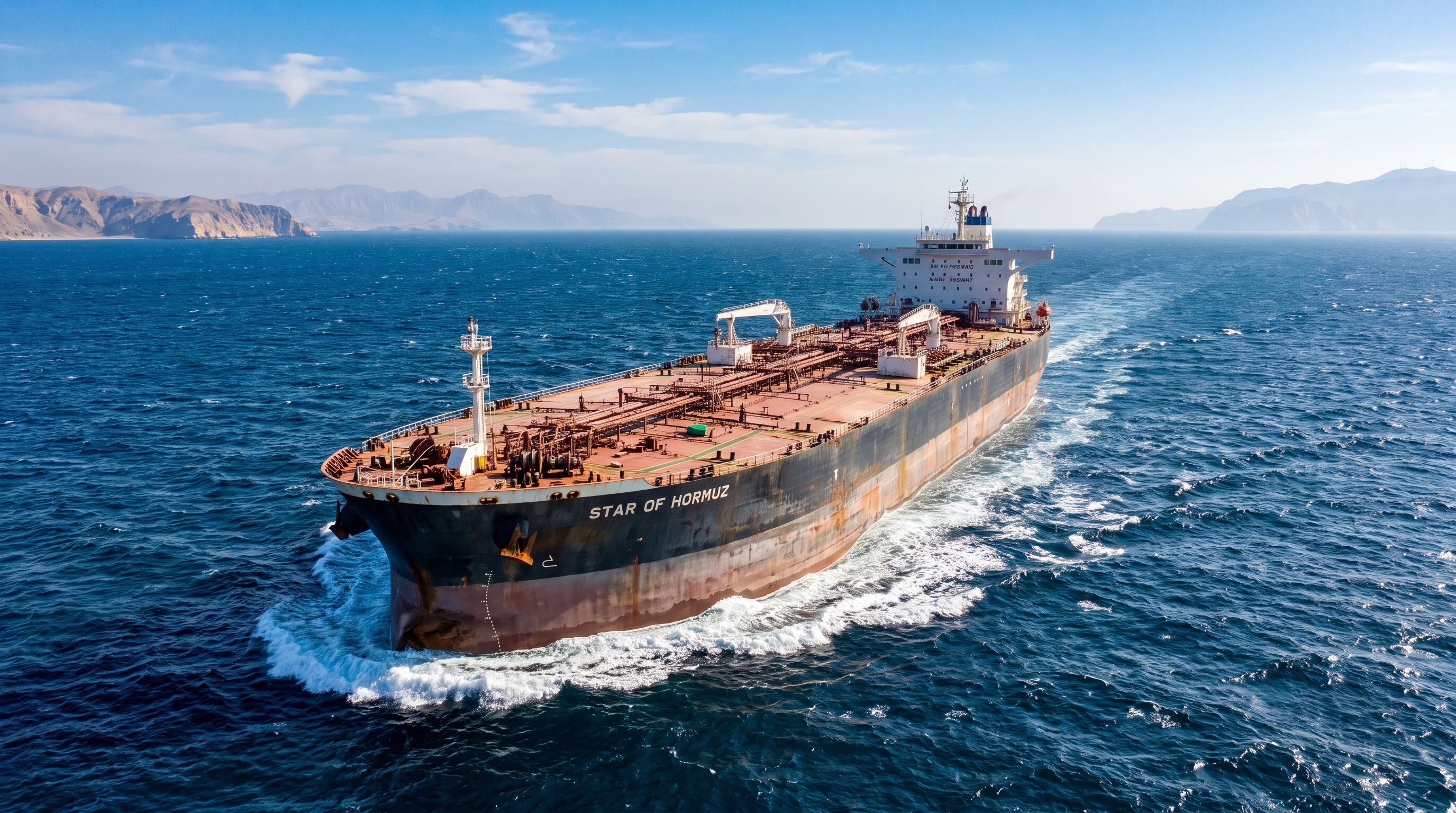
Abu Dhabi National Oil Company's logistics arm has invested $1.3 billion to acquire 11 new vessels, nearly doubling its crude supertanker fleet. The expansion aims to secure the UAE's energy supply chain and maintain export volumes amid ongoing shipping disruptions in the Strait of Hormuz.

- UAE Energy Strategists
- Focus on the necessity of vertical integration to secure national export targets.
- Maritime Freight Analysts
- Highlight the tightening effect on the global tanker charter market.
- Geopolitical Risk Observers
- View the fleet expansion as a pragmatic response to structural Middle Eastern instability.
Fast facts
- ADNOC L&S is investing $1.3 billion to acquire 11 vessels, including six VLCCs and five VLGCs.
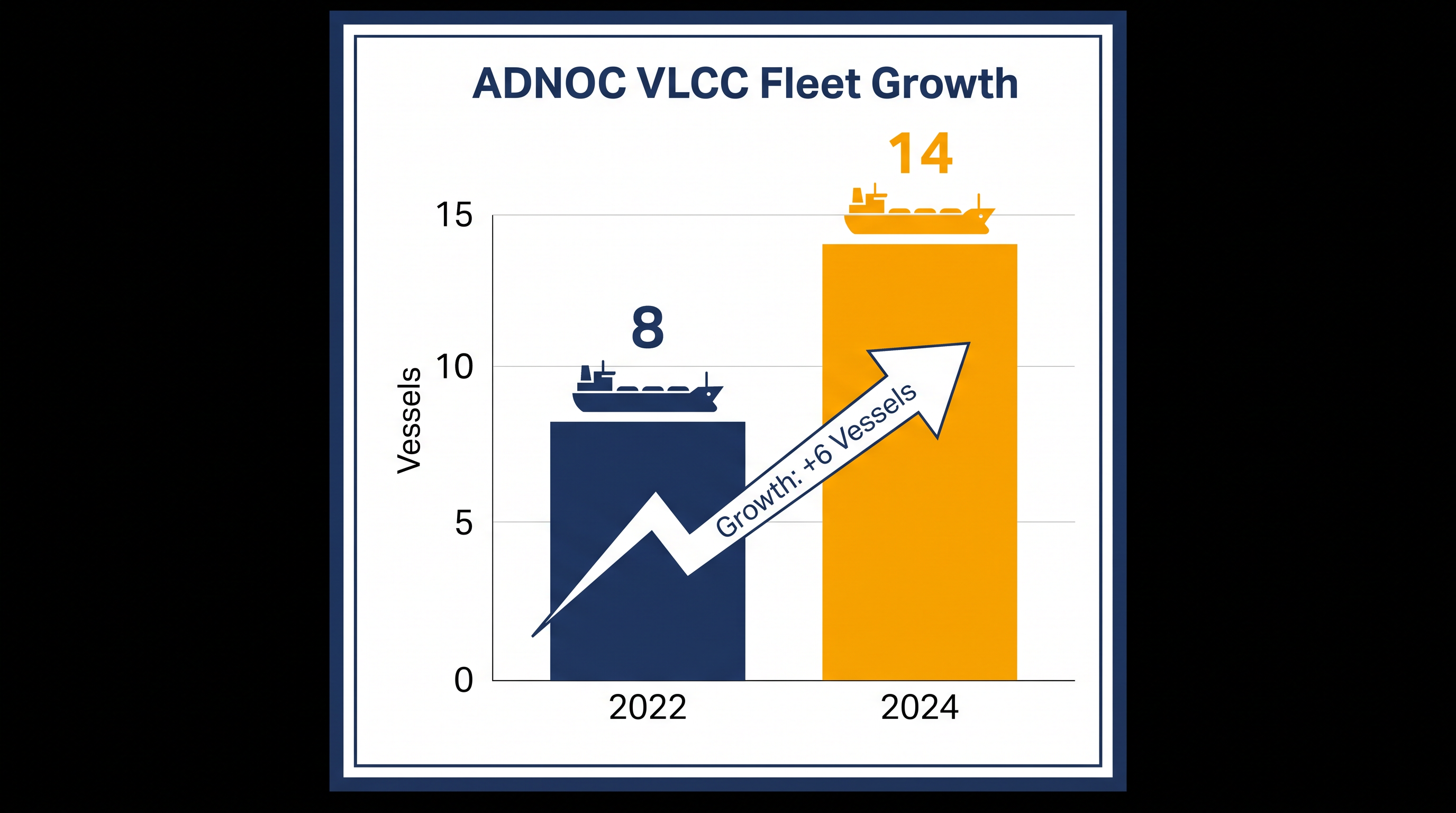
- The acquisition increases the company's VLCC fleet from eight to 14 ships.
- Nine of the vessels were purchased on the secondary market and will be delivered in the third quarter of 2026.
- The expansion helps the UAE secure its supply chain amid ongoing disruptions in the Strait of Hormuz.
- The move supports ADNOC's goal of expanding its crude oil production capacity to 5 million barrels per day by 2027.
Why this matters
By bringing more of its shipping capacity in-house, the UAE is insulating its crude exports from regional geopolitical shocks and tightening tanker availability. The move ensures that one of the world's largest oil producers can reliably reach global markets even as transit risks in the Middle East remain elevated.
How we got here
May 2026
ADNOC begins utilizing its own VLCCs to load crude in the Arabian Gulf and discharge via ship-to-ship transfers in the Gulf of Oman.
July 2026
ADNOC L&S orders four new LNG carriers from China's Jiangnan Shipyard for approximately $900 million.
August 2026
The company announces a $1.3 billion investment to acquire 11 vessels, nearly doubling its VLCC fleet.
Abu Dhabi National Oil Company has committed $1.3 billion to acquire 11 massive energy vessels, a sweeping procurement that nearly doubles its fleet of Very Large Crude Carriers (VLCCs) in a single stroke.[1][3]
The maritime logistics arm, ADNOC L&S, purchased six VLCCs and three Very Large Gas Carriers (VLGCs) on the secondary market, all scheduled for delivery in the third quarter of 2026. Two additional newbuild VLGCs were secured through a resale agreement with a Chinese shipyard and will arrive in the fourth quarter.[3][4]
The aggressive buying spree brings the company's total VLCC fleet to 14 ships and its VLGC fleet to 12. Each VLCC is capable of transporting approximately two million barrels of crude oil, significantly expanding the state-owned company's internal capacity to move its own product to global buyers.[2][4]
The expansion comes as the United Arab Emirates seeks tighter control over its supply chain amid persistent geopolitical friction. With ongoing conflicts disrupting maritime traffic through the Red Sea and the Strait of Hormuz, tanker availability has tightened globally, prompting major producers to secure their own tonnage rather than relying entirely on the charter market.[1][5]
The expansion comes as the United Arab Emirates seeks tighter control over its supply chain amid persistent geopolitical friction.
While the UAE utilizes the Abu Dhabi Crude Oil Pipeline to pump roughly 1.8 million barrels per day directly to the port of Fujairah—bypassing the contested Strait of Hormuz—that infrastructure handles less than half of the country's recent 3.6 million barrel-per-day export volume. The remainder must still transit the strait, making dedicated, secure shipping capacity a critical necessity.[1][2]
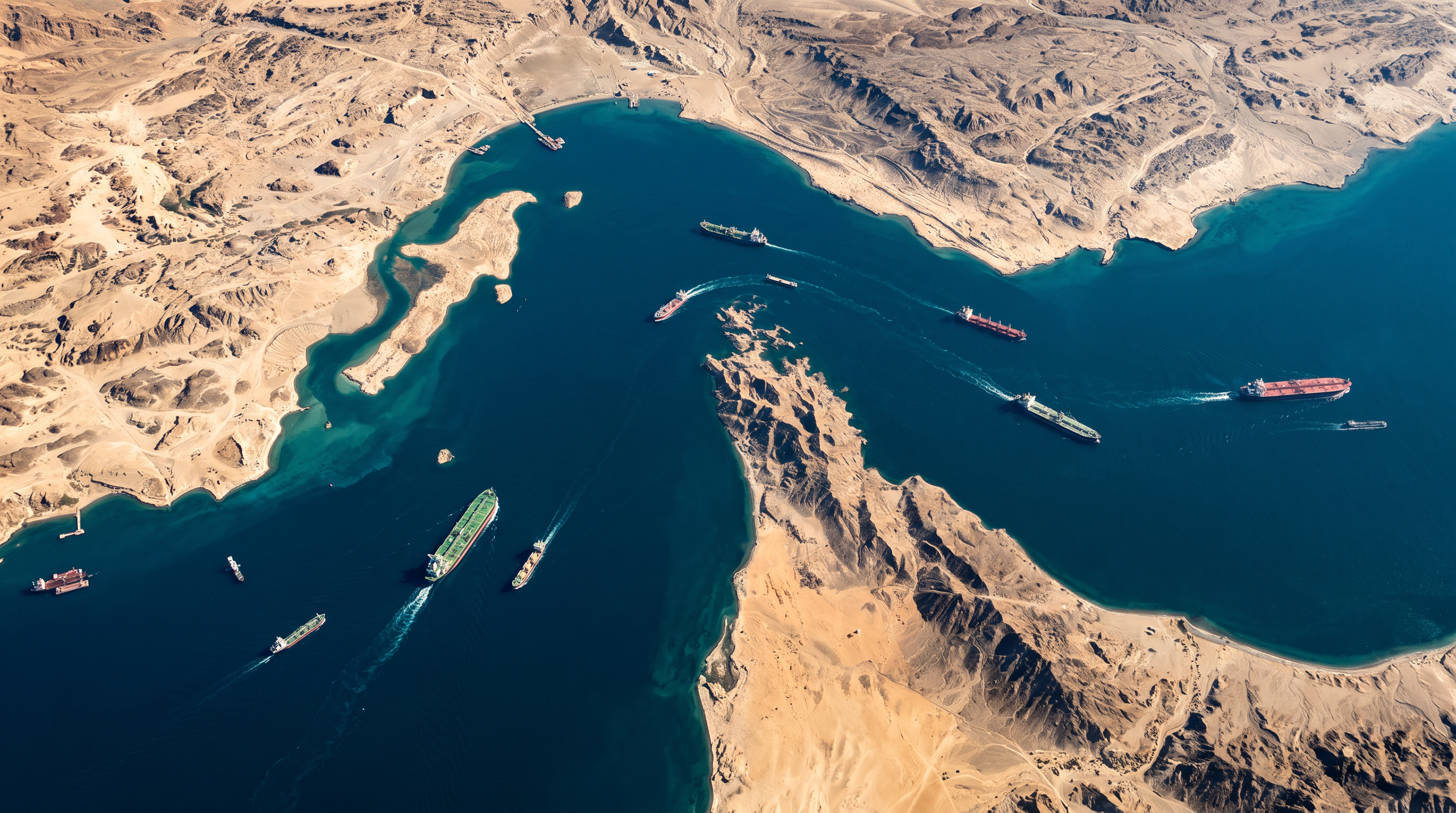
Beyond immediate security concerns, the fleet expansion aligns with the UAE's broader production targets. ADNOC is actively working to increase its crude oil production capacity to 5 million barrels per day by 2027, a volume that will require a substantially larger logistical footprint to deliver to international markets.[2][3]
The $1.3 billion crude and gas carrier investment follows closely on the heels of another major maritime procurement. Just last month, ADNOC L&S ordered four new liquefied natural gas (LNG) carriers from China's Jiangnan Shipyard for approximately $900 million, preparing for the 2028 launch of the Ruwais LNG export terminal.[3]
By aggressively acquiring both secondhand and newbuild vessels, ADNOC is positioning itself to capture higher margins on delivered cargoes while insulating its trading operations from the volatile freight rates that have characterized the tanker market throughout 2026.[1]
Viewpoints in depth
UAE Energy Strategists
Focus on the necessity of vertical integration to secure national export targets.
Proponents of the expansion argue that vertical integration of the supply chain is essential for national security and economic stability. By bringing shipping capacity in-house, the UAE ensures that its planned production increases—targeting 5 million barrels per day by 2027—are not bottlenecked by third-party shipping shortages or volatile charter rates. This strategic autonomy allows ADNOC to capture more value from delivered cargoes while insulating its core revenue stream from external logistical shocks.
Maritime Freight Analysts
Highlight the tightening effect on the global tanker charter market.
Shipping industry analysts note that when massive state-owned oil companies buy up secondary-market tonnage, it removes available vessels from the broader charter pool. This aggressive acquisition strategy tightens the global market further, potentially driving up freight rates for smaller producers and independent traders who rely on independent tanker operators. The shift of these vessels into a dedicated national fleet underscores a broader trend of energy majors prioritizing supply chain control over capital-light chartering models.
Geopolitical Risk Observers
View the fleet expansion as a pragmatic response to structural Middle Eastern instability.
Risk analysts view the $1.3 billion fleet expansion as a clear acknowledgment that tensions in the Strait of Hormuz and the Red Sea will likely remain a structural feature of the Middle Eastern energy trade for the foreseeable future. While the UAE has invested heavily in bypass infrastructure like the Abu Dhabi Crude Oil Pipeline, that system cannot handle the country's full export volume. Securing a dedicated, state-controlled fleet provides a necessary buffer against regional disruptions, ensuring that the UAE can continue to supply global markets even during periods of elevated maritime conflict.
Sources
Source coverage
5 outlets
3 viewpoints surfaced





[1]gCaptainGeopolitical Risk Observers
ADNOC Expands Tanker Fleet by $1.3 Bn to Meet Rising Oil Exports
Read on gCaptain →[2]Argus MediaUAE Energy Strategists
Adnoc logistics arm buys 11 tankers for $1.3bn
Read on Argus Media →[3]Seatrade MaritimeUAE Energy Strategists
ADNOC L&S makes $1.3bn VLCC and VLGC swoop
Read on Seatrade Maritime →[4]Splash247Maritime Freight Analysts
ADNOC L&S makes $1.3bn VLCC and VLGC swoop
Read on Splash247 →[5]MarineLinkGeopolitical Risk Observers
ADNOC Buys Five VLCCs for $590M to Boost Fleet Amid Red Sea Tensions
Read on MarineLink →
Comments
Every angle. Every day.
Get energy stories with full source coverage and perspective breakdowns delivered to your inbox.