
PSG Chasing Historic Three-Peat as Champions League Draw Nears
Paris Saint-Germain targets a rare third consecutive European title as the 36-team Champions League league phase draw approaches.
By Meera Iyer
- The Dynasty Believers
- Confidence in PSG's ability to secure a three-peat stems from their young core and system-first identity.
- The Fatigue Skeptics
- Doubts center on the sheer physical and mental toll of defending a European title across an expanded format.
- The Tactical Challengers
- Rival clubs are expected to deploy highly tailored strategies to neutralize PSG's possession-heavy system.
Perspectives this story doesn't cover
- Smaller European clubs navigating the expanded format
- Domestic Ligue 1 rivals facing PSG's financial dominance
Common questions
When is the 2026/27 Champions League draw?
The league phase draw is scheduled for August 27, 2026, at UEFA's headquarters in Nyon, Switzerland.
How many teams have won three consecutive Champions League titles?
In the modern Champions League era, only Real Madrid has achieved a three-peat, winning from 2016 to 2018. Bayern Munich and Ajax achieved the feat in the 1970s during the European Cup era.
How does the new Champions League format work?
The competition uses a 36-team 'Swiss model' league phase. Each club plays eight matches against eight different opponents, with the top eight teams advancing directly to the Round of 16.
The short answer
- Paris Saint-Germain enters the 2026/27 Champions League season aiming for a third consecutive title, a feat achieved only by Real Madrid in the modern era.
- The league phase draw takes place on August 27, featuring 36 clubs in the expanded Swiss model format.
- Manager Luis Enrique has transformed PSG from a superstar-reliant squad into a cohesive, high-pressing collective.
- The expanded eight-game league phase will test the physical and mental endurance of PSG's young core.
The prevailing myth about Paris Saint-Germain is that they are a bloated vanity project—a collection of expensive superstars destined to collapse when the European stakes get highest. But that version of PSG died two years ago, replaced by a meticulously engineered winning machine. The evidence is sitting in their trophy cabinet, gleaming under the Parisian lights. Under the exacting guidance of manager Luis Enrique, the French giants have transformed into a ruthless, system-first collective, capturing back-to-back UEFA Champions League titles in 2025 and 2026. By shedding the Galactico-era reliance on individual brilliance, the club has finally conquered the competition that haunted them for over a decade.[1][5]
Now, as the continent's elite prepare for the 2026/27 Champions League league phase draw on August 27 in Nyon, Switzerland, PSG stands on the precipice of genuine football immortality. They are chasing a historic "three-peat"—winning Europe's premier club competition three consecutive times. In the modern Champions League era, only Zinedine Zidane's Real Madrid, which dominated from 2016 to 2018, has accomplished this feat. The stakes for this upcoming campaign are astronomical, as a third consecutive crown would elevate this iteration of PSG from a highly successful squad to an undisputed modern dynasty.[3][4][5]
The mechanism behind PSG's turnaround is a masterclass in addition by subtraction. When the era of Lionel Messi, Neymar, and Kylian Mbappé concluded, Enrique did not seek direct, high-profile replacements to appease the commercial base. Instead, he built a high-pressing, possession-dominant machine that demands absolute commitment from every player on the pitch. Forwards like Ousmane Dembélé and Khvicha Kvaratskhelia were integrated into a fluid attacking system that requires relentless defensive work and prioritizes the collective over individual accolades. This structural shift fundamentally altered the culture in the dressing room, creating a resilient unit capable of suffering together during difficult stretches of play.[1][5]
The evidence of this system's efficacy is overwhelming and undeniable. In 2025, PSG dismantled Inter Milan 5-0 in the most one-sided final in Champions League history, announcing their arrival as a cohesive, unstoppable force. The victory shed a decade of European heartbreak and validated the front office's pivot away from purely commercial signings toward precise tactical fits. It was a statement performance that proved a balanced, hard-working starting eleven could systematically dismantle a traditional European powerhouse on the biggest stage imaginable.[6]
The evidence of this system's efficacy is overwhelming and undeniable.
A year later, they proved they could win ugly when the situation demanded it. In the 2026 final in Budapest, they survived a grueling 120-minute tactical battle against a resolute Arsenal side. When their possession failed to break through Arsenal's rigid defensive structure, PSG relied on sheer mental resilience and defensive solidity, ultimately triumphing 4-3 in a penalty shootout to retain their crown. This tactical versatility—the ability to blow teams away with attacking flair or grind out a gritty shootout victory when the primary game plan is neutralized—is the defining hallmark of a true footballing dynasty.[1][5]
However, the path to a third consecutive title is fraught with structural uncertainties that no previous dynasty has had to navigate. The Champions League now utilizes an expanded 36-team "Swiss model" league phase, completely replacing the traditional four-team group stage. This format adds a significant physical toll and introduces tactical unpredictability, making it substantially harder for a defending champion to coast through the early autumn fixtures while preserving their top players for the spring knockout rounds.[2][3]
This new format requires every participating club to play eight matches against eight different opponents—four at home and four away—just to qualify for the knockout stages. The sheer volume of high-stakes fixtures severely limits a manager's ability to rotate the squad, increasing the risk of muscular injuries to crucial fullbacks and central midfielders whose fitness is vital to Enrique's width-dependent system. Dropping points in the league phase can force a team into an extra two-legged playoff round, adding even more miles to already heavy legs.[1][3][5]
Furthermore, the physical reality of squad fatigue cannot be ignored when projecting PSG's chances. Winning back-to-back European titles requires navigating over 60 high-intensity matches per season across domestic and continental competitions. While PSG boasts a vibrant young core—featuring 21-year-old João Neves and 23-year-old Bradley Barcola alongside veteran captain Marquinhos—the mental burnout of being the team everyone wants to dethrone is a documented phenomenon. Opponents treat every match against the reigning champions as their own personal cup final, demanding maximum exertion from PSG week in and week out.[5]
As the highly anticipated draw approaches, the question is no longer whether PSG can win the big one, but whether they can sustain the insatiable hunger required to do the impossible. Enrique has publicly stated that his team will only get stronger as he gains total control over the tactical setup and squad culture, but history shows that year three is the ultimate crucible. It is the season where dynasties either cement their eternal legacy or finally collapse under the crushing weight of their own monumental success.[4][5]
Why it matters
A third consecutive Champions League title would cement PSG as one of the greatest dynasties in modern football history, proving that system-driven squad building can outperform the superstar-heavy models that previously defined the sport's elite.
Jargon, explained
- Swiss model
- A tournament format where all 36 teams are ranked in a single league table, playing eight matches against a seeded variety of opponents rather than playing in traditional four-team groups.
- Three-peat
- Winning a championship or tournament three consecutive times.
- Low block
- A defensive strategy where a team positions its players deep in their own half to restrict space and frustrate a possession-heavy opponent.
Sources
Source coverage
6 outlets
3 viewpoints surfaced





- [1]UEFAThe Tactical Challengers
Paris Saint-Germain retain UEFA Champions League crown
Read on UEFA → - [2]Sports IllustratedThe Fatigue Skeptics
2026–27 Champions League Confirmed Teams
Read on Sports Illustrated → - [3]VanguardThe Tactical Challengers
Champions League 2026/27: draw date, qualified teams, final venue
Read on Vanguard → - [4]beIN SPORTSThe Dynasty Believers
Domestic Cups and a Historic Champions League Three-Peat
Read on beIN SPORTS → - [5]theScoreThe Dynasty Believers
PSG chasing Champions League 3-peat with dynasty mindset
Read on theScore → - [6]OlympicsThe Tactical Challengers
Olympic gold medallist Enrique leads PSG to first UEFA Champions League title
Read on Olympics →
Comments
More in Sports
See all →Global Match Calendar
Premier League, La Liga, Bundesliga, and Serie A Issue Joint Demand for Fundamental FIFA Governance Reform
6 sources
Premier League Finance
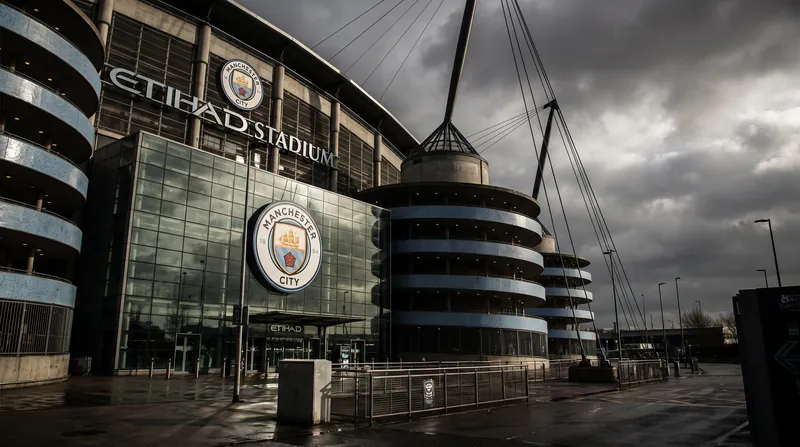
Manchester City Found Guilty on 114 of 115 Premier League Financial Charges
6 sources
Recap
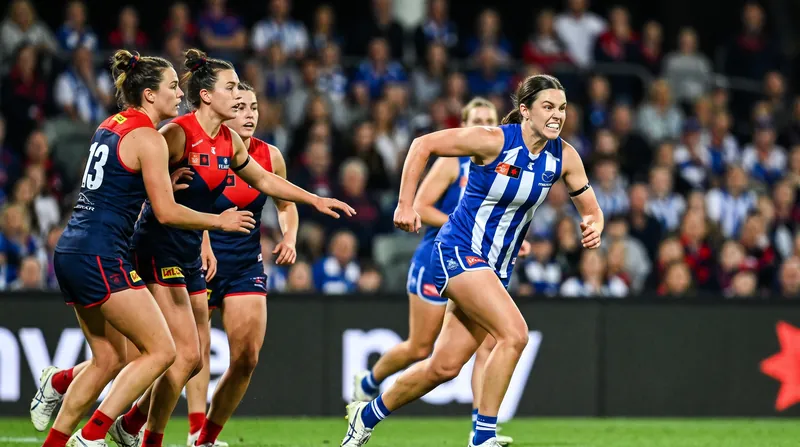
North Melbourne Kangaroos Stun Undefeated Demons in 31-Point Comeback
4 sources
Recap
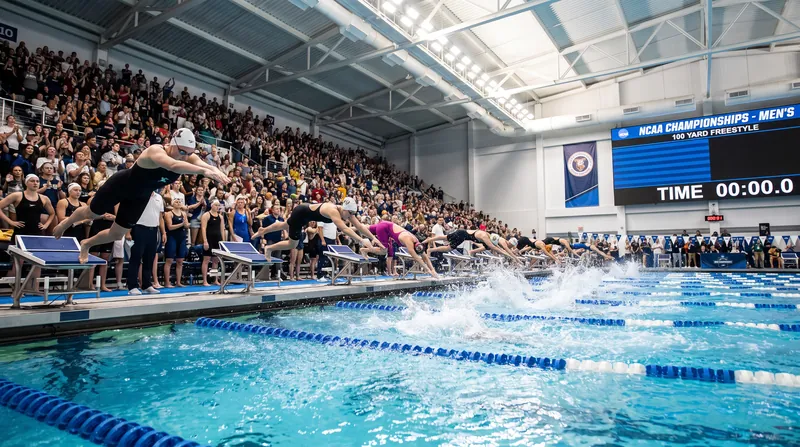
Indiana Dominates Inaugural College Swimming League Match 1 Behind Alex Shackell's MVP Performance
3 sources
Every angle. Every day.
Get Sports stories with full source coverage and perspective breakdowns delivered to your inbox.