
BYD Nearly Outsells Toyota as China Becomes Australia's Top Vehicle Source Amid EV Surge
Chinese automaker BYD fell just 243 vehicles short of overtaking Toyota in June 2026, marking a historic shift in the Australian auto market as buyers flock to readily available electric vehicles.

- Vertically Integrated Disruptors
- Argue that controlling the entire supply chain allows for faster delivery and better pricing, making legacy brand loyalty obsolete.
- Legacy Incumbents
- Maintain that proven mechanical reliability and a massive rural support network are more valuable than quick tech adoption.
- Market Analysts
- View the intense rivalry as a massive win for consumers, forcing incumbents to resolve supply bottlenecks and adjust premium pricing.
Perspectives this story doesn't cover
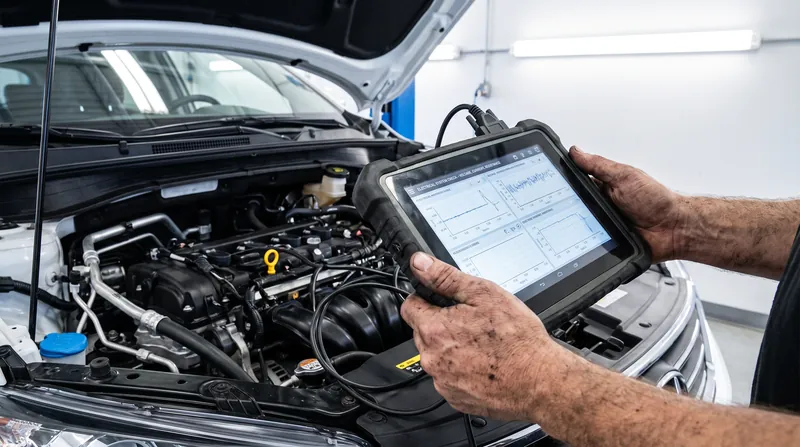
- Independent mechanics facing the transition from servicing legacy combustion engines to high-voltage EV architectures.
- Rural buyers who remain entirely dependent on diesel due to a lack of outback charging infrastructure.
Why this matters
For decades, Australian car buyers defaulted to Japanese legacy brands for reliability, but a massive influx of vertically integrated Chinese EVs has fundamentally rewritten the value equation. This fierce competition is drastically cutting wait times and forcing legacy automakers to defend their market share with better supply and pricing.
Key points
- The Australian auto market hit a record 140,058 sales in June 2026, with EVs capturing 23.4% of the market.
- BYD delivered 18,881 vehicles in June, nearly ending Toyota's 23-year reign as the top-selling brand (19,124 sales).
- China has solidified its position as Australia's leading source of new vehicles, accounting for 35.5% of all sales.
- BYD's vertical integration and private shipping fleet have eliminated the long wait times associated with legacy brands.
- Toyota is defending its market share by securing 10,000 additional vehicles for 2026 and emphasizing its 270-strong dealer network.
The Australian automotive landscape has officially shifted on its axis. In June 2026, the Federal Chamber of Automotive Industries reported the strongest month in the nation's history, with 140,058 new vehicles delivered. But the real earthquake occurred at the top of the leaderboard. BYD, a brand that only entered the Australian market four years ago, delivered 18,881 vehicles, falling just 243 units shy of toppling Toyota's 19,124 deliveries. This near-upset marks the closest any brand has come to dethroning the Japanese giant in its 23-year reign as Australia's best-selling carmaker, signaling a fundamental realignment in consumer preferences.[1][2]
This unprecedented surge is underpinned by a massive structural transition toward electrification, driven by volatile fuel prices and cost-of-living pressures. Battery electric vehicles accounted for a staggering 23.4 percent of all sales in June, an almost threefold increase from just 8.4 percent six months prior. Consequently, China has firmly established itself as Australia's leading source of new vehicles. Capturing 35.5 percent of the market, Chinese manufacturing has decisively ended Japan's nearly three-decade dominance as the primary supplier of Australian cars.[1]
For consumers, this fierce battle for market supremacy presents two distinctly different purchasing paradigms: the vertically integrated disruptor versus the entrenched legacy incumbent. Analyzing the trade-offs between BYD and Toyota reveals a market deeply divided between cutting-edge availability and proven historical reliability. The choice is no longer just about the vehicle itself, but about which corporate philosophy best aligns with a buyer's immediate needs and long-term risk tolerance.[3]
The case for the BYD paradigm centers on aggressive pricing, immediate availability, and advanced plug-in technology. Against this approach is the brand's lack of long-term local history and a smaller, albeit rapidly growing, physical footprint in rural areas. The evidence for BYD's advantage lies in its vertically integrated supply chain. By manufacturing its own batteries and operating its own fleet of seafaring vehicle carriers—such as the BYD Zhengzhou, which unloaded nearly 5,000 vehicles in Melbourne in early June—the company has effectively eliminated the multi-year wait times that have recently plagued the industry.[2]
Furthermore, BYD's product offensive is relentless and highly targeted. Models like the Sealion 7 electric SUV and the Shark 6 plug-in hybrid ute are aimed directly at Australia's most popular and lucrative segments. The brand's strategy relies on offering high-specification, electrified vehicles at price points that severely undercut equivalent legacy models. This appeals directly to buyers looking to escape high petrol costs without waiting 12 to 18 months for a factory allocation to clear.[2]
Furthermore, BYD's product offensive is relentless and highly targeted.
Conversely, the case for the Toyota paradigm rests on unmatched brand trust, guaranteed resale value, and a sprawling support network. Against this legacy approach are premium price tags, a slower adoption curve for fully electric drivetrains, and lingering supply bottlenecks. The evidence supporting Toyota's enduring appeal is its unparalleled network of 270 dealerships across Australia, ensuring that buyers in remote and regional areas have immediate access to parts, servicing, and warranty support.[3]
Toyota executives have publicly anchored their defense on "QDR"—quality, durability, and reliability. In times of economic uncertainty, a significant portion of the market defaults to the badge they know will survive the harsh Australian outback. To counter BYD's rapid ascent and protect its 220,000-unit annual sales target, Toyota has secured an additional 10,000 vehicles for its 2026 allocation. This influx specifically targets high-demand models like the RAV4 hybrid and the HiLux ute, aiming to clear backlogs and remove the temptation for buyers to jump ship.[3]
When evaluating these two dominant forces side-by-side, the trade-offs become highly quantifiable. BYD offers a lower total cost of ownership through cheaper charging, aggressive upfront pricing, and immediate delivery. Toyota counters with historically lower depreciation curves, proven mechanical longevity, and a mature hybrid ecosystem that requires absolutely no behavioral changes or charging infrastructure from the driver.
Ultimately, the BYD paradigm fits well when buyers prioritize immediate delivery, want to transition to a fully electric or plug-in hybrid drivetrain, and primarily operate in urban or suburban environments with reliable charging infrastructure. It offers maximum technological value for the dollar and suits early adopters willing to trust a rapidly scaling newcomer.
The Toyota paradigm does not fit well for buyers seeking the absolute lowest purchase price or those wanting a pure battery-electric vehicle today. However, it fits perfectly when the buyer regularly travels through remote regional areas, requires guaranteed access to a massive servicing network, and prioritizes decades of proven mechanical durability over the latest digital features. For these buyers, the premium price and potential wait time are viewed as an insurance policy.[3]
Viewpoints in depth
The Disruptor's View
Legacy automakers have grown complacent with long wait times and high prices, leaving the door open for vertically integrated tech companies.
BYD and its contemporaries argue that the traditional automotive business model is broken. By controlling the entire supply chain—from mining battery materials to manufacturing the microchips and even owning the shipping vessels—they can deliver vehicles faster and cheaper. They view the transition to EVs not as a regulatory burden, but as a technological reset where legacy brand loyalty matters less than software, battery efficiency, and immediate availability.
The Legacy Incumbent's View
Cars are long-term investments that must survive harsh conditions, making proven reliability and a massive support network more valuable than quick tech adoption.
Toyota maintains that while flashy technology and cheap entry prices win early adopters, the mass market ultimately values 'QDR'—quality, durability, and reliability. They argue that their measured approach to electrification, heavily favoring hybrids, is more practical for a vast country like Australia where charging infrastructure remains patchy in regional areas. Their defense relies on the premise that a 270-strong dealer network provides peace of mind that a new entrant simply cannot replicate.
The Consumer Advocate's View
The intense rivalry is the best thing to happen to Australian car buyers in decades, effectively ending the era of the 'COVID tax' and multi-year waitlists.
Industry analysts point out that without BYD's aggressive push, legacy automakers would have little incentive to resolve their supply chain bottlenecks or adjust their premium pricing. The threat of losing market leadership has forced incumbents to secure more stock and expedite deliveries. For the consumer, this price war and supply race means better cars, shorter waits, and more negotiating power on the showroom floor.
Sources
Source coverage
3 outlets
3 viewpoints surfaced



- [1]Federal Chamber of Automotive IndustriesMarket Analysts
VFACTS Australia car sales June 2026
Read on Federal Chamber of Automotive Industries → - [2]CarAdviceMarket Analysts
BYD becomes Australia's first brand since Holden to nearly outsell Toyota
Read on CarAdvice → - [3]DriveLegacy Incumbents
Toyota's answer to cheaper Chinese car competition is quality
Read on Drive →
Comments
More in Automotive & Transportation
See all →Automotive Regulation
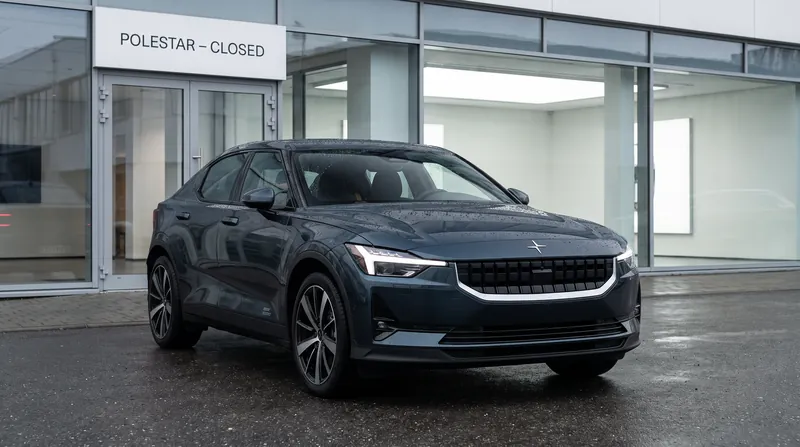
Polestar Halts US Sales and Slashes 2026 Guidance Following Connected Vehicle Software Ban
8 sources
Brake Architecture
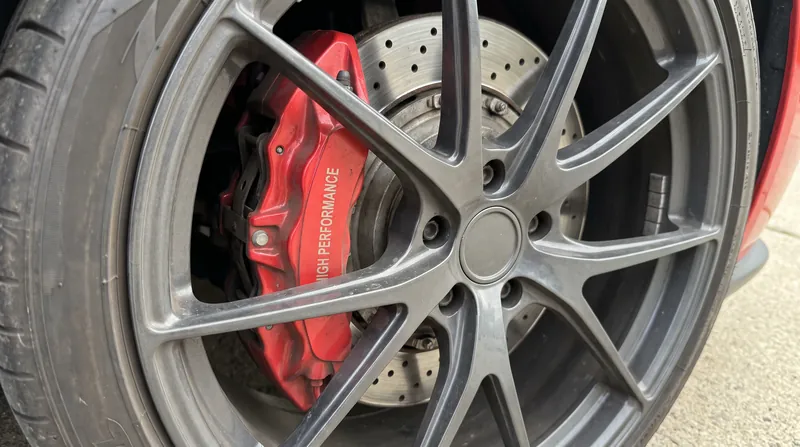
Fixed vs. Floating Brake Calipers: How Hardware Choices Dictate Maintenance Costs and Stopping Power
4 sources
Crash Structures
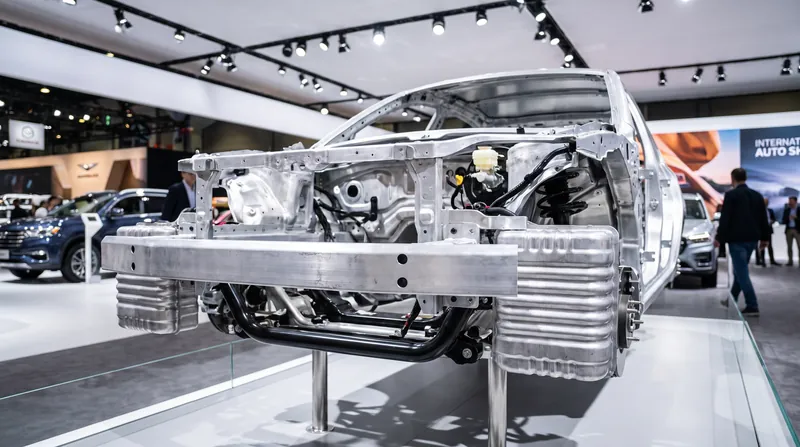
Sacrificial Metal: How Crush Cans and Load Paths Dictate Vehicle Survival and Repair Costs
8 sources
Marine Battery Tech
Coulomb Counting, Voltage Measurement, and Kalman Filtering: How Battery Management Systems Estimate State of Charge and State of Health
5 sources
Every angle. Every day.
Get Automotive & Transportation stories with full source coverage and perspective breakdowns delivered to your inbox.