
Electrical System Failures Drive Record 23 Million U.S. Vehicle Recalls in H1 2026
Automakers recalled 23.48 million vehicles in the first half of 2026, driven largely by software and electrical defects that are reshaping how the industry manages safety.

Share this story
The National Highway Traffic Safety Administration and major automakers are fundamentally altering how they execute safety campaigns, utilizing over-the-air software updates and targeted wiring replacements to manage a record 23.48 million recalled vehicles in the first half of 2026.
With electrical systems surpassing mechanical flaws as the primary driver of these actions, regulators are compelling manufacturers to resolve invisible defects before they compromise critical driving functions. The sheer scale of these campaigns reflects a broader industry transformation, as modern vehicles rely increasingly on centralized computing modules and complex wiring harnesses rather than isolated mechanical linkages.[3]
While the total number of automotive recall campaigns dropped 6.5 percent to 431 in the first six months of the year, the volume of affected vehicles surged 111.6 percent compared to the same period in 2025.
Data from Sedgwick’s U.S. Product Safety and Recall Index indicates that electrical system failures accounted for 74 of those campaigns, sweeping in 6.23 million units. That figure represents the highest volume for the electrical category in a decade, underscoring how a single point of failure in a shared architecture can cascade across millions of driveways.[3]
Chris Harvey, Sedgwick's senior vice president of product innovation and industry engagement, noted that the surge in affected units "does not necessarily indicate a decline in vehicle quality." Instead, the data reflects how shared electronic architectures across multiple model lines mean a single component failure now triggers vastly larger recall populations. When automakers utilize the same control module or wiring harness design across their entire fleet of trucks and SUVs, a defect discovered in one model immediately necessitates a safety campaign for several others.[3]
The current environment builds on a foundation of aggressive enforcement that began accelerating last year. Regulatory scrutiny intensified significantly throughout 2025, driving a 346 percent surge in product units involved in recalls as agencies adopted a stricter stance on safety compliance. Regulators are no longer waiting for mechanical failures to cause accidents; they are actively monitoring software glitches, sensor faults, and wiring vulnerabilities, forcing automakers to issue preemptive recalls the moment a systemic electrical issue is identified in the field.[1]
The shift highlights a transition from mechanical wear to software and wiring vulnerabilities that owners cannot visually inspect. A single Ford campaign accounted for 4.38 million of those vehicles, addressing a trailer communication defect that could simultaneously disable brake response and turn-signal operation while towing. Unlike a rusted brake line or a worn suspension component, these electrical faults present no physical symptoms until the exact moment the system fails, leaving drivers entirely dependent on the manufacturer's diagnostic data and subsequent recall notices.[3]
More recently, Ford initiated a recall of 148,663 Mustang models produced between September 2022 and June 2026. The National Highway Traffic Safety Administration reported that engine compartment wiring harness ground terminals in the 2024 through 2026 models can fatigue and fracture under normal driving conditions. The automaker traced the vulnerability to the adhesive used in the heat-shrink material, which can interfere with the bolt-clearance area and bend the eyelet during assembly, drastically reducing its structural lifespan against engine vibrations.[2]
Federal safety regulators warned in the official recall notice that the wiring flaw could lead to a "loss of drive power, or a loss of function in the windshield washing system, headlights, air conditioning, or engine cooling fan." The simultaneous loss of motive power and forward visibility presents a severe crash risk, particularly at highway speeds or during inclement weather. Depending on which specific ground connection severs, the vehicle's digital instrument cluster may illuminate various warning lights, providing the driver a brief window to pull over safely.[2]
Ford is directing owners to bring their vehicles to dealerships for a physical replacement of the ground terminals, a process that requires hands-on labor from certified technicians. Interim notification letters were scheduled to be mailed to affected owners between August 31 and September 4, alerting them to the safety risk. However, the final remedy is not anticipated until March 2027, leaving thousands of drivers waiting for replacement parts to be manufactured, stockpiled, and distributed to local service centers across the country.[2]
Conversely, newer electrical architectures allow some manufacturers to bypass the dealership entirely, resolving critical safety defects while the vehicle sits parked in the owner's garage. Lucid Group recently recalled over 27,000 of its 2022 through 2026 Air sedans due to insufficient overcurrent protection in the low-voltage exterior lighting system. The vulnerability increased the risk of a localized fire or a safety-critical malfunction in the front lighting assembly, prompting immediate action from the automaker's product safety working group.[4]
Because the Lucid Air utilizes solid-state electronic fuses rather than traditional melting blade fuses, the company deployed the remedy via an over-the-air software update. The patch, included in the automaker's July release, revised the overcurrent protection strategy without requiring a physical repair or a service appointment. Owners who had already downloaded software version 2.10.0 received the fix automatically, demonstrating how advanced vehicle architectures can transform a potentially dangerous hardware recall into a seamless digital patch.[4]
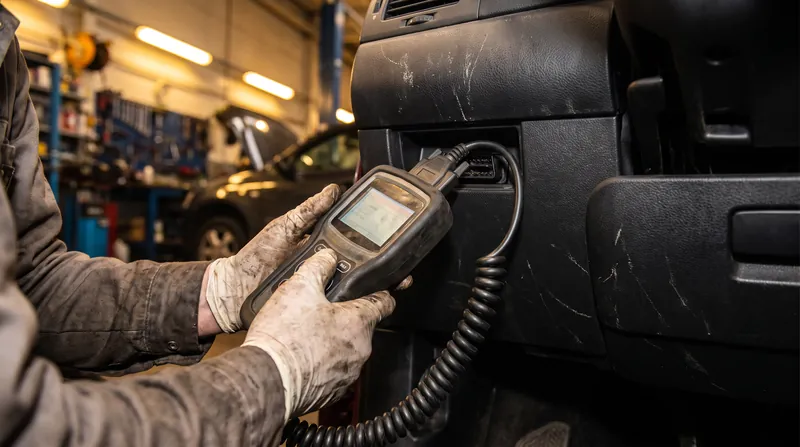
For collision repair shops and service centers, the concentration of electrical recalls requires checking vehicle identification numbers at intake more rigorously than in previous years. Technicians must now verify software versions and open campaigns before beginning routine maintenance, as an unresolved electrical defect can complicate post-crash calibrations. As automakers integrate more complex control modules and shared electronic platforms across their lineups, the industry is adapting to a reality where a single line of code or a fractured ground wire dictates the safety of millions of vehicles simultaneously.[3]
Unanswered questions
- Whether the pace of electrical recalls will stabilize as automakers refine their software testing protocols.
- How the backlog of physical wiring repairs will impact dealership service wait times through 2027.
- Safety Regulators
- Agencies emphasize strict compliance and rapid identification of electronic flaws to prevent accidents.
- Automotive Manufacturers
- Automakers point to shared architectures and over-the-air updates as the new reality of vehicle maintenance.
- Collision Repair Industry
- Service centers face a growing backlog of vehicles requiring digital diagnostics and software verification.
Sources
Source coverage
4 outlets
3 viewpoints surfaced




- [1]Recall NewsSafety Regulators
Product Units in Recalls Surge 346% in the H1 2025 as Regulatory Scrutiny Intensifies
Read on Recall News → - [2]CBS NewsSafety Regulators
Ford recalls nearly 149,000 Mustang vehicles over "loss of drive power" risk - CBS News
Read on CBS News → - [3]Autobody NewsCollision Repair Industry
Vehicle Electrical Systems Led All Categories in U.S. Auto Recalls in First Half of 2026
Read on Autobody News → - [4]WardsAutoAutomotive Manufacturers
Electrical issue prompts recall of 27K Lucid Air EVs
Read on WardsAuto →
More in Automotive & Transportation
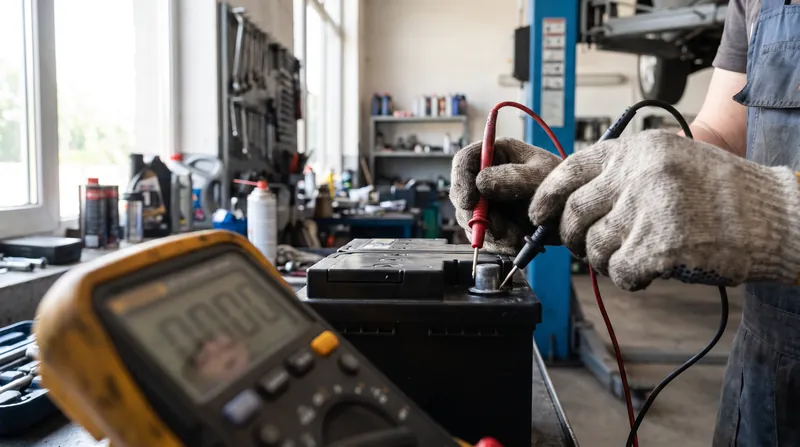
See all →Battery Diagnostics
The 12.6 Volt Minimum: How Open-Circuit Voltage Indicates a Lead-Acid Battery's State of Charge
3 sources
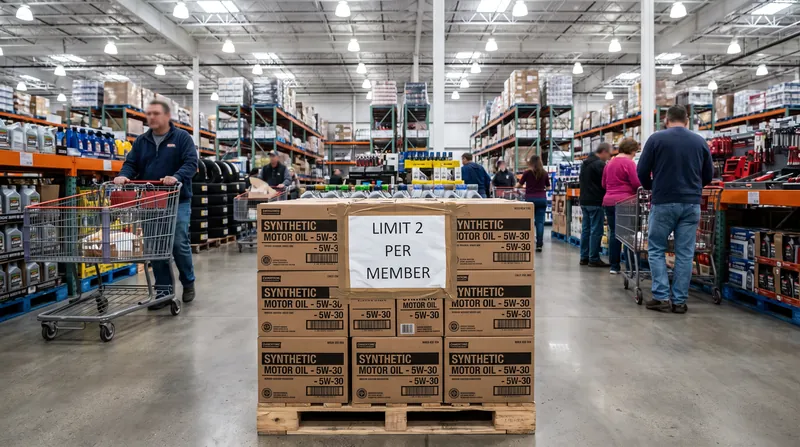
Lubricant Shortage
Costco Rations Motor Oil as Global Lubricant Shortage Reaches Retail Shelves
5 sources
OBD-II Diagnostics
The P, B, C, and U Framework: How the First Digit of a Diagnostic Trouble Code Identifies the Vehicle System
8 sources
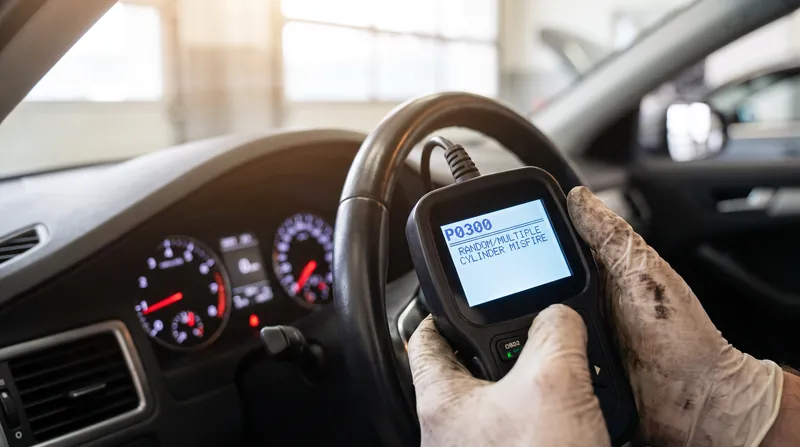
OBD-II Diagnostics
Engine Control Modules Use Crankshaft Speed Fluctuations to Pinpoint Cylinder Misfires
6 sources
Comments
Every angle. Every day.
Get Automotive & Transportation stories with full source coverage and perspective breakdowns, free every day.