
Structural EV Battery Designs Force Insurers to Total Vehicles After Minor Collisions
Insurers are increasingly declaring modern electric vehicles a total loss after minor collisions due to the unrepairable nature of structural battery packs. The engineering shift has driven EV insurance premiums significantly higher, forcing buyers to weigh manufacturing efficiency against long-term repair costs.
By Derya Kaplan

A minor fender bender in a modern electric vehicle is increasingly ending in a total loss declaration. The culprit is not the severity of the crash, but the design of the car itself. Structural battery packs, which integrate energy cells directly into the vehicle's frame, are forcing insurers to write off otherwise repairable cars.
By gluing battery cells together and bonding them to the chassis, automakers have created an engineering marvel for the assembly line that becomes a massive financial liability in the body shop. For the everyday driver, this means a minor scrape over road debris can instantly transform a brand-new vehicle into scrap metal, fundamentally altering the calculus of EV ownership.[3][5][6][7]
For the actual owner or buyer, this engineering shift translates directly into the monthly household budget. In 2026, full-coverage insurance on an electric vehicle averages between $3,500 and $4,000 annually nationwide, pushing premiums up to 49 percent higher than those for comparable gas-powered vehicles.
Insurers are not penalizing drivers for adopting green technology; they are simply pricing in the actuarial reality of what happens when these vehicles need to be fixed. Every conversation about EV insurance rates now starts and ends with the battery, which dictates the financial outcome of almost any collision claim.[1][2]
The core issue lies in the pursuit of manufacturing efficiency. To reduce weight, maximize range, and cut production costs, automakers—led initially by Tesla and followed by others—have increasingly adopted structural battery designs. Instead of housing battery modules in a removable, serviceable tray, the cells are integrated directly into the car's load-bearing structure.
While this approach improves torsional rigidity and lowers the initial purchase price, it creates a system with virtually zero repairability after a collision. Teardown experts have noted that once a structural pack is compromised, it is essentially destined for the grinder.[6][7]
When an EV sustains even moderate underbody damage, insurance adjusters face a difficult mathematical reality. The battery pack typically represents 30 to 40 percent of the vehicle's total value, with replacement costs routinely ranging from $10,000 to over $25,000 depending on the make and model.
Because inspecting a sealed, structural battery for internal micro-fractures or thermal runaway risks is both expensive and dangerous, insurers cannot afford the liability of putting a potentially compromised pack back on the road. As a result, the math frequently leads to a total loss declaration for an accident that would require only a routine bumper or suspension repair on a traditional combustion vehicle.[1][2][3][4][5]
This dynamic has created a frustrating paradox for environmentally conscious buyers and the broader automotive industry. Vehicles purchased specifically to reduce global emissions are ending up in salvage yards with exceptionally low mileage simply because their energy storage systems cannot be safely assessed or repaired.
The environmental cost of prematurely scrapping a massive lithium-ion battery, combined with the carbon footprint of manufacturing a replacement vehicle, often offsets the tailpipe emissions saved during the car's short time on the road. It represents a direct conflict between sustainable transportation goals and modern automotive manufacturing techniques.[6][7]
The specialized nature of electric vehicle repair further compounds the financial exposure for owners and insurers alike. Unlike traditional vehicles that can be taken to almost any neighborhood body shop for a quick estimate, EVs require certified technicians, factory-calibrated software, and strict high-voltage handling protocols.
This limited repair network leads to longer wait times for service, higher hourly labor rates, and extended rental car coverage periods while the vehicle sits in the queue. Furthermore, the aftermarket parts ecosystem for EVs remains underdeveloped, forcing shops to rely on expensive original equipment manufacturer components at full retail price.[2][3][4]
Beyond the battery pack itself, modern electric vehicles are essentially rolling computers packed with advanced driver-assist sensors embedded in the bumpers, fenders, and windshields. A simple parking lot scrape often damages these high-tech cameras and radar units, requiring expensive recalibration procedures that traditional vehicles simply do not need. When this baseline tech tax is combined with the looming risk of structural battery damage, the financial exposure for insurers multiplies rapidly, driving the elevated premiums that consumers are forced to absorb.[2][3]
However, there are early signs that the market is beginning to adapt to these challenges. While EV insurance remains undeniably more expensive, the premium gap is showing signs of narrowing in certain regions as the industry matures.
As the global cost of lithium-ion batteries gradually declines and the network of EV-certified service centers expands across the country, the baseline costs of repair are slowly stabilizing. Additionally, the sheer volume of electric vehicles entering the market is providing actuaries with better data, allowing for more precise risk modeling rather than blanket premium hikes.[2][8]
For the prospective electric vehicle buyer, the current landscape requires a fundamental shift in how total ownership costs are calculated. The undeniable savings realized at the charging station and through reduced routine maintenance must be carefully weighed against elevated insurance premiums and the heightened risk of a total loss after a minor accident. Until automakers can strike a better balance between assembly-line manufacturing efficiency and real-world aftermarket repairability, the structural battery will remain a costly and unpredictable variable for owners, insurers, and the environment.[4][7]
Key points
- Structural battery designs in modern EVs are forcing insurance companies to declare total losses after minor collisions.
- Integrating battery cells directly into the chassis improves manufacturing efficiency but essentially eliminates aftermarket repairability.
- The high rate of total losses has driven EV insurance premiums 15% to 49% higher than comparable gas-powered vehicles in 2026.
- Insurers cite the high cost of battery replacement and the safety risks of internal cell damage as primary reasons for scrapping the vehicles.
- Insurance Industry
- Argues that elevated premiums are a necessary mathematical response to the unrepairable nature of modern EV batteries.
- Consumer & Environmental Advocates
- Highlights the environmental waste of scrapping low-mileage EVs and the financial burden placed on everyday drivers.
- Automakers & Engineers
- Values production efficiency, vehicle rigidity, and lower assembly costs achieved through structural battery integration.
Perspectives this story doesn't cover
- Independent Auto Repair Shops
- Used EV Buyers
Sources
Source coverage
8 outlets
3 viewpoints surfaced








- [1]CoverForge USAInsurance Industry
Why EV Insurance Premiums Are Elevated in 2026
Read on CoverForge USA → - [2]Road EthosInsurance Industry
Batteries Turn Fender Benders Into Total Losses for EVs
Read on Road Ethos → - [3]Starwest InsuranceInsurance Industry
3 Reasons Your Tesla Premium Just Spiked in 2026
Read on Starwest Insurance → - [4]TruvoInsurance Industry
Average EV Insurance Costs and Why They Cost More to Insure
Read on Truvo → - [5]InsureOneInsurance Industry
Electric Car Insurance: Navigating High-Value EV Batteries
Read on InsureOne → - [6]Business InsiderConsumer & Environmental Advocates
Tesla's structural battery pack has 'zero repairability' after a collision
Read on Business Insider → - [7]AutoEvolutionAutomakers & Engineers
Minor Damages to EV Battery Packs Prompt Insurers to Write Off Cars
Read on AutoEvolution → - [8]Motor IllustratedConsumer & Environmental Advocates
EV Insurance Costs Are Falling Faster Than Gas-Powered Vehicles
Read on Motor Illustrated →
More in Automotive & Transportation
See all →EV Ownership
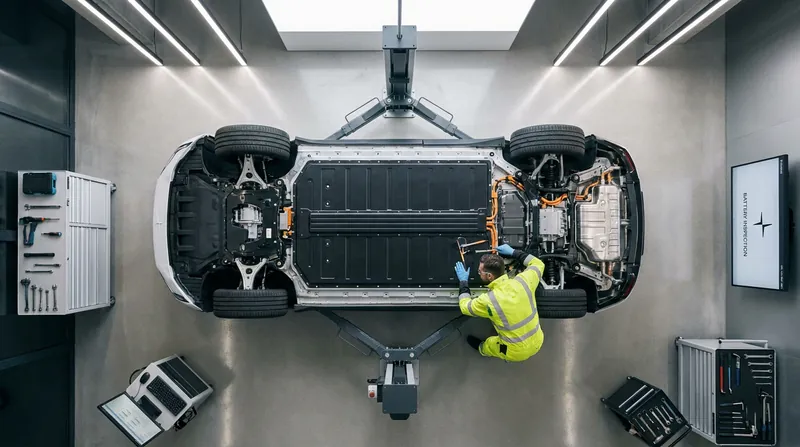
The Ultimate Guide to EV Maintenance: What Actually Breaks and How to Prevent It
4 sources
OBD-II Diagnostics
How the Engine Control Module Pinpoints a Cylinder Misfire Using Crankshaft Speed
6 sources
Vehicle Recalls
BMW Recalls 189,000 Older 3, 5, and 7 Series Sedans Over Starter Relay Fire Risk
9 sources
EV Battery Health
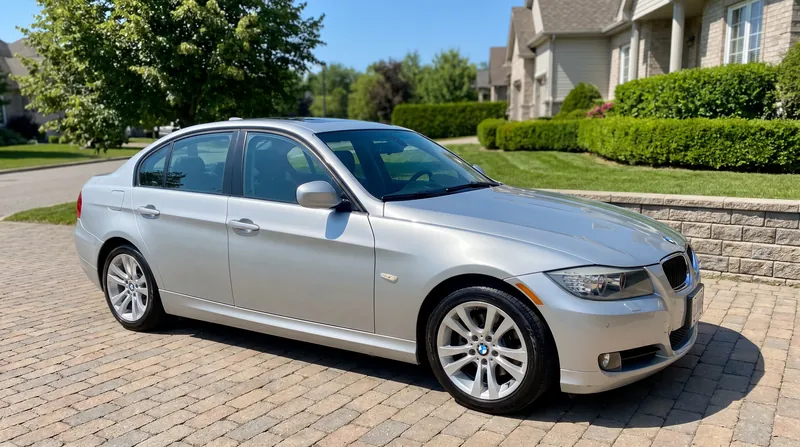
World's Largest EV Battery Study Shows 90 Percent Capacity Retention After 150,000 Kilometers
5 sources
Comments
Every angle. Every day.
Get Automotive & Transportation stories with full source coverage and perspective breakdowns, free every day.