
BMW Recalls 189,000 Older 3, 5, and 7 Series Sedans Over Starter Relay Fire Risk
BMW has issued a global recall for nearly 190,000 older sedans after discovering that water ingress can short-circuit the starter relay and trigger an engine fire.
By Adrien Caron

- Automotive Regulators
- Focuses on the immediate safety risk of unmonitored fires and the necessity of the outdoor parking mandate.
- BMW Ownership Community
- Prioritizes the logistical impact on daily life, alternative parking needs, and the timeline for parts availability.
- Independent Mechanics
- Analyzes the technical failure mechanism, specifically how aging weather seals allow water to reach the 12-volt system.
Perspectives this story doesn't cover
- Used Car Dealerships
- Automotive Insurance Providers
Fast facts
- BMW is recalling 189,130 older 3, 5, and 7 Series sedans globally due to a fire risk.
- Water ingress can short-circuit the starter relay, potentially causing a fire even when the engine is off.
- Owners are strongly advised to park their vehicles outdoors and away from structures until repairs are made.
- Dealerships will inspect the relay and install a protective shield to prevent future moisture accumulation.
Why this matters
For owners of affected older BMWs, this recall turns a routine car wash or heavy rainstorm into a potential fire hazard, even when the vehicle is turned off. Addressing the recall promptly is critical to preventing sudden property damage and ensuring the vehicle remains safe to park in attached garages.
For the 189,130 owners of older BMW sedans now facing a global safety recall, the immediate security of their vehicle depends entirely on a single environmental variable: whether water has managed to bypass the engine bay seals and reach the starter relay. If the housing remains dry, the car operates normally; if moisture breaches the electrical contacts, the resulting short circuit can trigger an engine fire even when the ignition is completely off.[1][2]
BMW formally initiated the recall campaign in early September 2026, targeting specific production runs of its 3 Series, 5 Series, and 7 Series models. The action addresses a design vulnerability where the starter motor relay, tucked deep within the engine compartment, can accumulate water over time as the vehicle's original weather seals degrade from age and thermal cycling.[3][8]
Independent mechanics and automotive engineers note that the failure mechanism is deceptively simple. When water pools around the relay, it can bridge the electrical gap between the power terminals. This unintended connection sends a continuous electrical current through the starter circuit, generating intense heat that can eventually ignite surrounding plastics and wiring insulation.[5]
Because the starter relay is wired directly to the vehicle's 12-volt battery system, the circuit remains energized regardless of whether the key is in the ignition. This means a fire can start hours after the vehicle has been parked. In its official communications, BMW advised that owners should "park outside and away from structures" until the necessary repairs can be completed.[4][7]
Because the starter relay is wired directly to the vehicle's 12-volt battery system, the circuit remains energized regardless of whether the key is in the ignition.
For the actual driver, this abstract engineering flaw translates into immediate logistical headaches. Owners who rely on attached garages or tight urban parking structures must now find alternative, open-air parking arrangements. The disruption is compounded by the fact that these are older vehicles, meaning many are on their second or third owners who may not be registered in BMW's primary communication database.[6]
The official remedy involves a physical inspection of the starter relay and its surrounding housing. Dealership technicians will check for signs of corrosion or moisture ingress. If the relay is compromised, it will be replaced entirely; if it remains intact, technicians will install a secondary protective shield and apply specialized dielectric grease to repel future water intrusion.[1][2]
The binding constraint for resolving the issue across the fleet is parts availability. With nearly 190,000 vehicles requiring attention simultaneously, service centers are bracing for a backlog. BMW has begun notifying known owners via mail, but the actual scheduling of repairs will depend heavily on regional supply chains and dealership capacity.[3][9]
As the notification letters land in mailboxes through late September, the focus shifts from identifying the problem to executing the fix. Until the protective shields are installed, owners are left managing the risk themselves, balancing their daily commuting needs against the threat of an electrical short. The pace of the rollout now depends entirely on how quickly the manufacturer can distribute the updated components to local service bays.[8]
Sources
Source coverage
9 outlets
3 viewpoints surfaced









- [1]BMWBLOGBMW Ownership Community
BMW Just Recalled 189000 Cars Over a Water Leak That Can Start a Fire
Read on BMWBLOG → - [2]autoevolutionIndependent Mechanics
Older BMW 3, 5, 7 Series Recalled Worldwide Over Water-Prone Starter Relay
Read on autoevolution → - [3]HotCarsAutomotive Regulators
BMW Recalls 189,000 3, 5, and 7 Series Over Silent Starter Fire Risk - HotCars
Read on HotCars → - [4]ArabWheelsAutomotive Regulators
Fire Risk Forces BMW Recall of 189,130 3, 5 and 7 Series Vehicles - ArabWheels
Read on ArabWheels → - [5]carfaultcodes.co.ukIndependent Mechanics
BMW recalls 189,130 3, 5 and 7 Series over starter relay fire risk
Read on carfaultcodes.co.uk → - [6]The Supercar BlogBMW Ownership Community
More than 185,000 BMW 3-Series, 5-Series & 7-Series models recalled - The Supercar Blog
Read on The Supercar Blog → - [7]ArabGTAutomotive Regulators
Faulty Starter Relay Creates Fire Risk In Nearly 190,000 BMWs - ArabGT
Read on ArabGT → - [8]Motor1.comBMW Ownership Community
BMW Recalls 189,130 3, 5 And 7 Series Over Starter Relay Fire Risk
Read on Motor1.com → - [9]HemmingsIndependent Mechanics
BMW Recall Points to Sudden Engine Fire Threat in 189000 Sedans
Read on Hemmings →
Comments

More in Automotive & Transportation
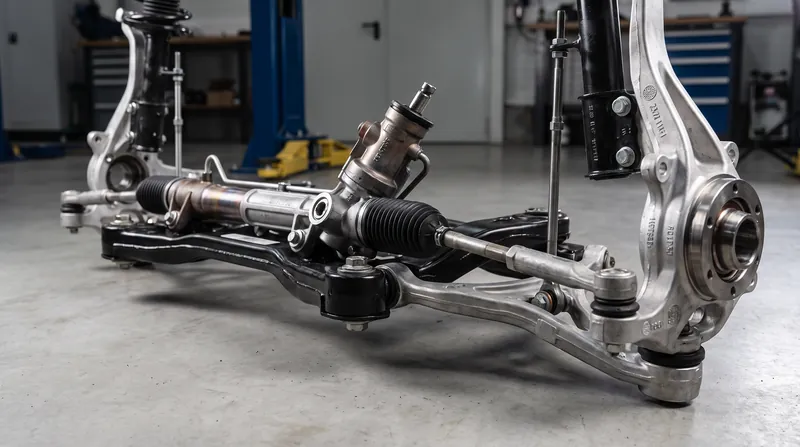
See all →Steering Geometry
The Ackermann Angle: How the Steering Trapezoid Ensures All Four Wheels Roll Without Scrubbing
4 sources
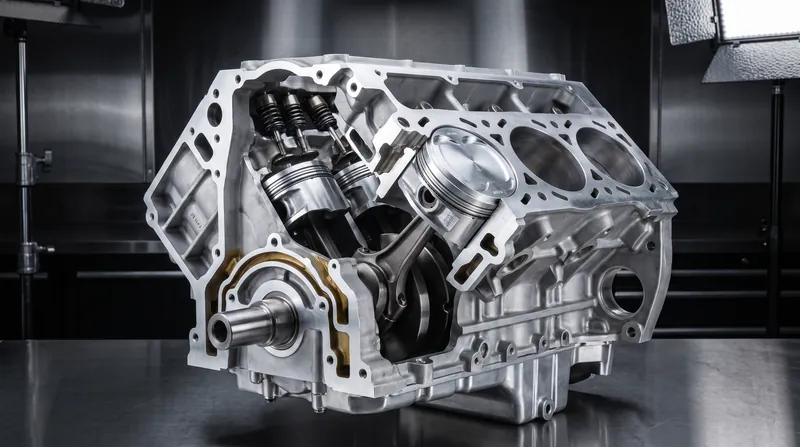
Engine Dynamics
The Brake Mean Effective Pressure (BMEP): How the Average Pressure on the Piston Defines an Engine's Power Density
6 sources
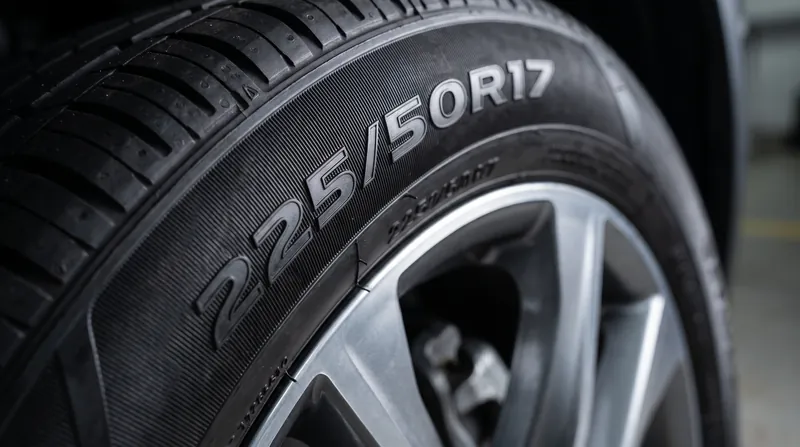
Tire Physics
The 5-to-1 Ratio: How Tire Aspect Ratio Dictates Cornering Stiffness and Ride Comfort
9 sources
Emissions Regulation
EPA Grants SEMA Authority to Certify Aftermarket Emissions Parts, Bypassing CARB
2 sources
Every angle. Every day.
Get Automotive & Transportation stories with full source coverage and perspective breakdowns delivered to your inbox.