
Australia's New Generation Stuns Turkey in 2-0 World Cup Upset
A youthful Australian side defied expectations to defeat a highly fancied Turkish team in their 2026 World Cup opener, powered by a breakout performance from 20-year-old Nestory Irankunda.
By Omar Haddad

The future of Australian football has arrived on the global stage. In a stunning upset at BC Place in Vancouver, a youthful Socceroos squad dismantled a highly fancied Turkish side 2-0 to open their 2026 World Cup campaign. The victory, characterized by fearless attacking play and resolute defending, immediately reshapes the dynamics of Group D and serves as a statement of intent from a nation historically viewed as gritty underdogs rather than dynamic match-winners.[1][3]
At the center of the triumph was 20-year-old Nestory Irankunda, who cemented his status as the new crown prince of Australian soccer. Just 27 minutes into his World Cup debut, Irankunda capped off a blistering end-to-end counterattack, latching onto a precise through-ball from midfielder Paul Okon-Engstler to fire past the Turkish goalkeeper. The goal made Irankunda the youngest Australian to ever score at a Men's World Cup, sparking wild celebrations that culminated in his trademark acrobatic backflip by the corner flag.[1][2][4]
Heading into the tournament, expectations for the Socceroos were tempered. Drawn against a technically gifted Turkish side boasting extensive European top-flight experience, many pundits predicted a long afternoon for the Australians. Turkey had arrived in North America with ambitions of a deep knockout run, relying on a seasoned midfield to control possession and dictate the tempo of the match.
However, the Australian coaching staff opted for a bold tactical gamble, trusting a cohort of untested youngsters over established veterans. The decision paid immense dividends. Rather than sitting back in a low block to absorb pressure, the Socceroos pressed high and utilized their blistering pace on the flanks. This fearless approach unsettled the Turkish defense, forcing uncharacteristic turnovers and creating vast pockets of space for Irankunda and his fellow attackers to exploit.[3]
While Irankunda grabbed the headlines, the foundation of the victory was laid by another debutant: goalkeeper Patrick Beach. Thrust into the starting lineup in a pre-match selection shock, the young shot-stopper delivered a performance of remarkable maturity. Beach produced a series of dazzling parries, including a crucial point-blank save late in the first half that preserved Australia's narrow lead and visibly frustrated the Turkish forwards.[3]
For Turkey, the result is a bitter pill to swallow. Despite dominating stretches of possession, they struggled to penetrate a disciplined Australian defensive line. Turkish media lamented the team's lack of cutting edge, pointing to a failure to match the Socceroos' intensity and physical output. The defeat leaves Turkey facing an uphill battle to escape the group, with pressure mounting on the squad to deliver an immediate response in their next fixture.[5]
Australia sealed the historic result late in the second half. As Turkey committed bodies forward in a desperate search for an equalizer, the Socceroos struck again on the counter. A sweeping team move bypassed the stretched Turkish midfield, resulting in a clinical finish that sent the traveling contingent of gold-clad supporters in Vancouver into delirium. The second goal effectively killed the contest and underscored the lethal efficiency of Australia's transitional play.[2][4]
The echoes of this victory will resonate far beyond the stadium in Vancouver. For a nation that has often relied on the heroics of past generations—most notably the 2006 squad led by Tim Cahill—the emergence of Irankunda, Beach, and Okon-Engstler represents a definitive passing of the torch. It validates the investment in domestic youth development and proves that Australian players can compete with technical brilliance, not just physical endurance.[1]
The Socceroos now sit atop Group D, brimming with confidence ahead of their remaining group-stage matches. While tougher tests undoubtedly lie ahead, the fear factor has been entirely removed. If this opening performance is any indication, Australia is not in North America merely to make up the numbers; they are here to disrupt the established order and write a thrilling new chapter in their sporting history.[4]
Key points
- Australia defeated Turkey 2-0 in their opening match of the 2026 World Cup in Vancouver.
- 20-year-old Nestory Irankunda scored the opening goal, capping off a brilliant counterattack.
- Debutant goalkeeper Patrick Beach made several crucial saves to secure the clean sheet.
- The victory marks a successful tactical shift toward trusting young, fast attackers over established veterans.
- Turkey now faces intense pressure to secure points in their remaining Group D fixtures.
How we got here
Nov 2022
Australia reaches the Round of 16 at the Qatar World Cup, setting a new benchmark for the national team.
2024-2025
Nestory Irankunda makes a high-profile move to European club football, raising expectations for his international future.
May 2026
The Australian coaching staff names a surprisingly youthful World Cup squad, prioritizing pace and potential.
June 14, 2026
Australia stuns Turkey 2-0 in their Group D opener, powered by breakout performances from their young stars.
- Australian Football Community
- Celebrates the arrival of a new golden generation and views the fearless tactical approach as a turning point for the national team.
- Global Soccer Analysts
- Focuses on the tactical execution of the upset, praising Australia's counter-attacking system and Irankunda's breakout on the world stage.
- Turkish Camp & Media
- Expresses deep frustration over the team's inability to break down the defense and match Australia's physical intensity.
Perspectives this story doesn't cover
- Turkish traveling supporters in Vancouver
Sources
Source coverage
5 outlets
3 viewpoints surfaced





- [1]ESPNAustralian Football Community
Arise Irankunda: Australia has new prince as Socceroos shock Turkiye
Read on ESPN → - [2]BBC SportGlobal Soccer Analysts
Clinical Australia upset Turkey in World Cup opener
Read on BBC Sport → - [3]The GuardianAustralian Football Community
Socceroos stun Turkey as Australian youngsters shine in opening World Cup win
Read on The Guardian → - [4]Fox Sports AustraliaAustralian Football Community
Socceroos' golden generation 2.0? Irankunda magic sinks Turkey in World Cup boilover
Read on Fox Sports Australia → - [5]Al JazeeraGlobal Soccer Analysts
Mbappe leads France to win over Iraq in lightning-delayed World Cup tie
Read on Al Jazeera →

More in Sports
See all →World Cup 2026
Expanded 48-Team World Cup Group Stage Shatters Scoring Records With 215 Goals
6 sources

World Cup 2026
Canada and Bosnia Make History as Both Advance to World Cup Knockout Stages
4 sources

World Cup
World Cup Final Four Set: France Faces Spain, Argentina Clashes with England in Blockbuster Semi-Finals
6 sources
AC Milan Rebuild
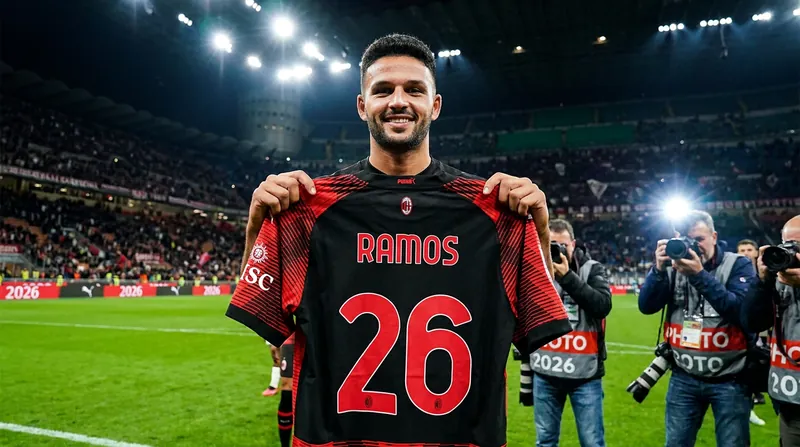
AC Milan Announces Record-Breaking Signing of Goncalo Ramos in Blockbuster Transfer Deal
3 sources
Comments
Every angle. Every day.
Get Sports stories with full source coverage and perspective breakdowns, free every day.