
Apple's iOS 27 and 'Siri AI' Rollout: The Practical Features Changing How iPhones Work
Apple's latest operating system update introduces a deeply integrated, conversational Siri AI and a suite of quality-of-life app improvements, shifting the focus from flashy gimmicks to everyday utility.
By Factlen Editorial Team
- Everyday Consumers
- Focused on practical utility, time-saving features, and ease of use.
- Privacy Advocates
- Focused on data security, on-device processing, and the protection of personal information.
- Ecosystem Developers
- Focused on API integration, App Intents, and the hardware limitations of the new OS.
What's not represented
- · Android Ecosystem Competitors
- · Cloud-Native AI Startups
Why this matters
By deeply integrating AI into the core operating system rather than a standalone app, iOS 27 fundamentally changes how users interact with their devices, saving time on daily tasks and setting a new privacy standard for consumer artificial intelligence.
Key points
- iOS 27 introduces a completely rebuilt, conversational Siri AI capable of multi-step tasks.
- The vast majority of AI processing occurs on-device to protect user privacy.
- Core apps like Messages and Mail receive major organizational and triage upgrades.
- Advanced AI features will require an iPhone 16 or newer due to hardware constraints.
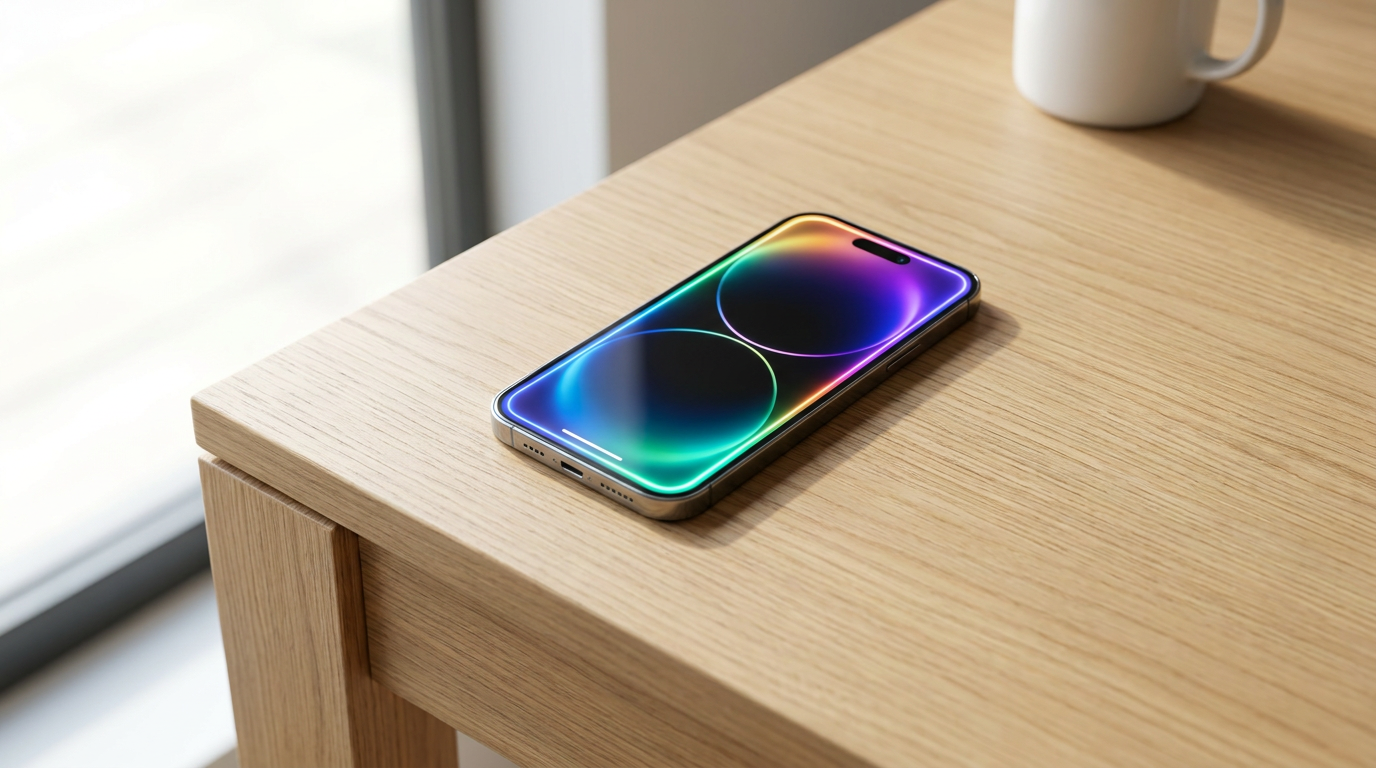
Apple’s annual software showcase has historically been a mix of flashy redesigns and incremental tweaks, but the release of the iOS 27 developer beta this week marks a fundamental shift in how users will interact with their iPhones. The centerpiece of the update is "Siri AI," a top-to-bottom rebuild of Apple's oft-maligned voice assistant that transforms it from a rigid command-and-control tool into a context-aware, conversational agent. Early hands-on testing reveals an assistant that is omnipresent across the operating system and, for the first time in its history, genuinely helpful for complex daily tasks. Rather than focusing on generating poetry or rendering deep-fake images, Apple has trained its models specifically on app navigation, personal data retrieval, and cross-app workflows, aiming to eliminate the friction of tapping through multiple screens to accomplish a single goal.[1][3]
The practical applications of this new architecture are immediately apparent in how the system handles everyday requests. Users can now issue compound, natural-language commands—such as asking Siri to find a specific PDF sent by a colleague last week, summarize its key points, and draft an email response—all without leaving their current app. This level of integration relies heavily on Apple's expanded "App Intents" framework, which allows third-party developers to expose their app's core functions directly to the operating system's AI layer. For consumers, this means the artificial intelligence isn't a separate chatbot living in a siloed application; it acts as an invisible connective tissue that links disparate apps together, fundamentally changing the iPhone from a grid of isolated tools into a unified, intent-driven workspace.[3][4][5]

While the AI capabilities are dominating the headlines, iOS 27 also brings a substantial wave of quality-of-life improvements to Apple's core native applications. The Messages app has received its most significant overhaul in years, introducing advanced message scheduling, AI-assisted tone adjustments, and a revamped organizational system that automatically categorizes promotional texts and receipts away from personal conversations. Similarly, the Mail app now features intelligent triage that bubbles time-sensitive emails—like flight changes or upcoming calendar invites—to the top of the inbox, bypassing traditional chronological sorting. These features, while less flashy than a conversational assistant, represent the kind of utilitarian upgrades that impact users dozens of times a day.[2][8]
A critical differentiator in Apple's approach to this generational AI leap is its rigid adherence to on-device processing. While competitors rely heavily on massive cloud server farms to parse user requests, Apple has engineered iOS 27 to handle the vast majority of Siri AI tasks locally on the iPhone's neural engine. This architecture ensures that personal data—ranging from text messages to health records and location history—never leaves the device when the assistant is generating context for a response. When a query does require more computational power than the phone can provide, the system utilizes a proprietary "Private Cloud Compute" protocol that cryptographically destroys the data immediately after the request is fulfilled, a move that privacy analysts note sets a new standard for consumer AI deployments.[6][7]

A critical differentiator in Apple's approach to this generational AI leap is its rigid adherence to on-device processing.
Developers digging into the beta code have also uncovered a wealth of hidden features that suggest Apple is laying the groundwork for even deeper ecosystem integration. Code snippets indicate upcoming support for spatial computing workflows that will allow seamless handoffs between the iPhone and the Vision Pro headset, as well as enhanced home automation triggers that use ambient audio and visual cues to adjust smart home environments. However, these power-user features come with a hardware catch: the advanced on-device processing requires the neural engines found only in the iPhone 16 lineup and newer, leaving older devices with a more limited, cloud-dependent version of the new assistant.[4][8]
The industry reaction to iOS 27 has been overwhelmingly positive, largely because it avoids the pitfalls of the broader tech industry's AI hype cycle. By focusing on mundane utility rather than attempting to build an omniscient artificial general intelligence, Apple has created a product that feels immediately accessible to the average consumer. There are no complex prompting guides to memorize or separate subscription tiers to navigate; the intelligence is simply baked into the fabric of the operating system. As the public beta approaches next month, the true test will be how well these systems hold up under the chaotic, unpredictable usage patterns of millions of everyday users, but the initial foundation appears to be the most solid software release from Cupertino in a decade.[1][5][7]

Beyond the core communication apps, iOS 27 introduces a sweeping redesign of the Health and Fitness ecosystem, leveraging the new AI capabilities to offer highly personalized wellness insights. Instead of simply presenting raw data on step counts and sleep cycles, the system now cross-references metrics to provide actionable advice. For instance, if the iPhone detects a string of poor sleep nights coupled with elevated resting heart rates, Siri AI might proactively suggest adjusting the user's morning alarm or recommend a lighter workout routine for the day. This shift from passive data collection to active, context-aware coaching represents a major step forward in mobile health technology, turning the device into a more proactive partner in user well-being.[2][5]

The rollout strategy for iOS 27 also reflects a more cautious, iterative approach from Apple. While the developer beta is available now, the company has explicitly stated that some of the more advanced Siri AI features—particularly those involving complex cross-app actions—will be released in a staggered schedule throughout the fall and into early 2027. This phased deployment is designed to give third-party developers ample time to update their applications using the new APIs, ensuring that when the features do reach the general public, they work seamlessly across a wide variety of software. For the millions of users awaiting the public release in September, iOS 27 promises not just a fresh coat of paint, but a fundamentally smarter, more capable device that finally delivers on the long-promised potential of a true digital assistant.[3][4][8]
How we got here
June 2024
Apple Intelligence is first unveiled at the Worldwide Developers Conference.
Sept 2025
iOS 26 introduces foundational on-device machine learning models.
June 2026
iOS 27 developer beta launches with a full Siri AI rebuild.
July 2026
Expected release of the first public beta for iOS 27.
Sept 2026
General availability of iOS 27 alongside new iPhone hardware.
Viewpoints in depth
Everyday Consumers
Focused on practical utility and time-saving features.
For the average iPhone user, the appeal of iOS 27 lies not in the underlying neural architecture, but in the elimination of daily friction. This camp values features like intelligent email triage, automated message categorization, and a voice assistant that finally understands natural speech patterns without requiring rigid, robotic commands. The consensus among consumer tech reviewers is that Apple has successfully translated abstract AI concepts into tangible, everyday benefits.
Privacy Advocates
Focused on data security and on-device processing.
Privacy analysts and security researchers have largely praised Apple's architectural decisions in iOS 27. By insisting that the vast majority of AI processing occurs locally on the device, Apple has created a stark contrast with competitors who vacuum up user data into massive cloud servers. This camp highlights the 'Private Cloud Compute' protocol as a major industry milestone, proving that highly capable AI assistants do not inherently require the sacrifice of personal privacy.
Ecosystem Developers
Focused on API integration and hardware limitations.
Software developers are focused on the expanded 'App Intents' framework, which allows them to plug their applications directly into the new Siri AI. While excited by the potential to create seamless, cross-app workflows, this camp also notes the challenges posed by hardware fragmentation. Because the most advanced features require the latest neural engines, developers must build parallel experiences for users on older iPhones, complicating the rollout of new, AI-driven app features.
What we don't know
- How well the on-device processing will perform under the strain of millions of concurrent users during the public rollout.
- Exactly which third-party apps will have full 'App Intents' integration ready by the September launch.
Key terms
- Siri AI
- Apple's rebuilt, context-aware voice assistant designed to handle complex, multi-step requests using natural language.
- App Intents
- A developer framework that allows third-party applications to expose their specific features and actions directly to Siri.
- Private Cloud Compute
- Apple's secure server architecture that handles complex AI requests while cryptographically destroying the data immediately after use.
- On-Device Processing
- Executing computational tasks directly on the phone's hardware rather than sending data to external servers, ensuring faster responses and better privacy.
Frequently asked
Which iPhones will support the new Siri AI?
While iOS 27 will run on older devices, the advanced on-device Siri AI requires the neural engine found in the iPhone 16 lineup and newer.
Will Siri AI read my personal messages?
The system processes personal data locally on your device to provide context, but Apple's architecture ensures this data is never sent to the cloud or used to train broader models.
When can I download iOS 27?
The developer beta is available now, with a public beta expected in July and the final release scheduled for September 2026.
Sources
Source coverage
8 outlets
3 viewpoints surfaced








[1]WiredEveryday Consumers
Siri AI Hands On: A Smart, Helpful Assistant
Read on Wired →[2]TechCrunchEveryday Consumers
Every new iOS 27 feature that’s worth knowing about
Read on TechCrunch →[3]The VergeEcosystem Developers
iOS 27 preview: Apple finally makes Siri the assistant we were promised
Read on The Verge →[4]MacRumorsEcosystem Developers
Developers dig into iOS 27 beta: Hidden app features and Siri AI limits
Read on MacRumors →[5]CNETEveryday Consumers
How iOS 27's new AI tools will change your daily iPhone routine
Read on CNET →[6]Wall Street JournalPrivacy Advocates
Apple's AI Strategy Takes Shape With iOS 27, Focusing on Privacy Over Power
Read on Wall Street Journal →[7]Daring FireballPrivacy Advocates
Thoughts on iOS 27 and the New Siri
Read on Daring Fireball →[8]9to5MacEcosystem Developers
iOS 27 beta 1: Top 10 new features for everyday users
Read on 9to5Mac →

Every angle. Every day.
Get technology stories with full source coverage and perspective breakdowns delivered to your inbox.