
WHO Prequalifies Multi-Dose RSV Vaccine Vial to Expand Global Infant Protection
The World Health Organization has approved a multi-dose vial of Pfizer's maternal RSV vaccine, lowering costs and clearing the way for large-scale immunization programs in lower-income countries.
By Aylin Aksoy

Share this story
For a maternal vaccine to reach the lower-income countries where it is needed most, it must first fit inside their existing cold-chain infrastructure and constrained health budgets.
That logistical constraint has historically held back the global rollout of Pfizer's respiratory syncytial virus (RSV) vaccine, ABRYSVO, which the World Health Organization (WHO) initially prequalified only in a single-dose format that is expensive to produce and transport. On September 9, 2026, the WHO cleared that bottleneck by officially prequalifying a new multi-dose vial presentation of the vaccine, paving the way for mass procurement.[1][3]
RSV is a leading cause of severe respiratory illness and pneumonia in young children worldwide. The virus drives an estimated 3.6 million hospitalizations and 100,000 deaths annually among children under the age of five. The mortality burden is heavily skewed by geography and economics: roughly 97 percent of RSV-related deaths occur in low- and middle-income countries, where access to supportive medical care like supplemental oxygen and intravenous hydration is severely limited. In many of these regions, infected infants die at home before they can ever reach a medical facility.[1][2]
Respiratory syncytial virus is an RNA virus belonging to the Pneumoviridae family that specifically infects cells along the human respiratory tract, from the nose down into the lungs. While the virus typically causes mild, cold-like symptoms such as a runny nose and fever in healthy adults, it can trigger severe complications in infants. Because a newborn's airways are so narrow, the inflammation and mucus production caused by RSV can quickly lead to bronchiolitis and pneumonia, making it incredibly difficult for the infant to breathe without medical intervention.[3]
The maternal vaccine is designed to protect infants during their most vulnerable developmental window. Administered to pregnant women during their third trimester—specifically from week 28 of gestation onwards—the vaccine prompts the mother's immune system to generate targeted antibodies. These antibodies transfer across the placenta to the baby before birth, providing a critical layer of passive immunity that lasts through the infant's first six months of life, which is when their airways are smallest and they are most susceptible to severe bronchiolitis.[1][2]
The scientific breakthrough for RSV prevention arrived earlier, but the logistical solution lagged behind. In March 2025, the WHO prequalified the world's first maternal vaccine against RSV, but that approval only applied to the vaccine's single-dose presentation. In a single-dose format, each vial is used once and then discarded, which carries a higher manufacturing cost and demands significant physical space in temperature-controlled supply chains. While that format allowed high-income nations to begin protecting their populations, it remained largely unworkable for the global health organizations tasked with supplying the developing world.[1][2][3]
Transitioning from a single-dose to a multi-dose vial fundamentally changes the economics and logistics of national immunization campaigns. Multi-dose presentations contain several doses within a single glass vial, which significantly reduces the per-dose cost of manufacturing, packaging, and shipping.
They also require substantially less space in refrigerated cold-chain storage and generate a fraction of the medical waste, making them vastly more practical for rural clinics and health outposts operating with limited resources. For health ministries managing tight budgets, these compounding efficiencies often determine whether a new vaccine can be adopted at a population scale.[2][3]
The WHO's prequalification serves as a mandatory quality stamp, verifying that the product meets strict international standards before United Nations agencies like UNICEF can procure it. In July 2025, Gavi, the Vaccine Alliance, agreed to fund the introduction of maternal RSV vaccination in eligible countries, but explicitly conditioned that financial support on the availability of a WHO-prequalified multi-dose vial.
"This is a key milestone for RSV and, more broadly, for pneumonia prevention and reducing infant mortality globally," said Ignacio Esteban, Senior Policy Manager at Gavi. Esteban noted that with the prequalification secured, countries can now turn their preparations into active rollout programs.[1][2]
The WHO continues to recommend that all countries integrate either the maternal RSV vaccine or the long-acting monoclonal antibody nirsevimab into their national immunization schedules to reduce the global burden of the disease. As the multi-dose vials become available for procurement, health ministries in lower-income nations will begin the complex operational planning required to deliver the vaccine at scale. By shifting the intervention from treating sick infants to immunizing expectant mothers, public health officials aim to intercept the virus before babies ever reach a hospital.[1][2][3]
Key points
- The WHO has prequalified a multi-dose vial of Pfizer's maternal RSV vaccine, ABRYSVO.
- The multi-dose format reduces manufacturing costs, cold-chain storage requirements, and medical waste.
- The approval unlocks funding from Gavi, the Vaccine Alliance, to roll out the vaccine in lower-income countries.
- RSV causes approximately 100,000 deaths annually in children under five, with 97% occurring in low- and middle-income nations.
- Global Health Organizations
- Focus on the logistical and economic breakthroughs that enable widespread vaccine access.
- Clinical Practitioners
- Focus on the clinical impact of preventing severe respiratory disease in vulnerable infants.
Perspectives this story doesn't cover
- Vaccine Manufacturers
- Health Ministries in Target Countries
Sources
Source coverage
3 outlets
2 viewpoints surfaced

- [1]WHOGlobal Health Organizations
WHO prequalifies multi-dose RSV vaccine vial, paving the way to protecting more infants globally
Read on WHO → - [2]VaccinesWork (Gavi)Global Health Organizations
Why multidose-vaccine vials could be a game-changer for global RSV prevention
Read on VaccinesWork (Gavi) → - [3]Factlen Editorial TeamGlobal Health Organizations
Synthesis by Factlen editorial team
Read on Factlen Editorial Team →

More in Health
See all →Health Economics
How Health Economists Calculate the Value of a Year of Life Using the QALY Metric
8 sources

Antimicrobial Resistance
Airborne ESKAPE Pathogens Show Extensive Antibiotic Resistance in South African Clinic
4 sources

Healthcare Cybersecurity
Quest Diagnostics Reports Cyber Breach Compromising Patient Health Records
8 sources
Vaccine Safety
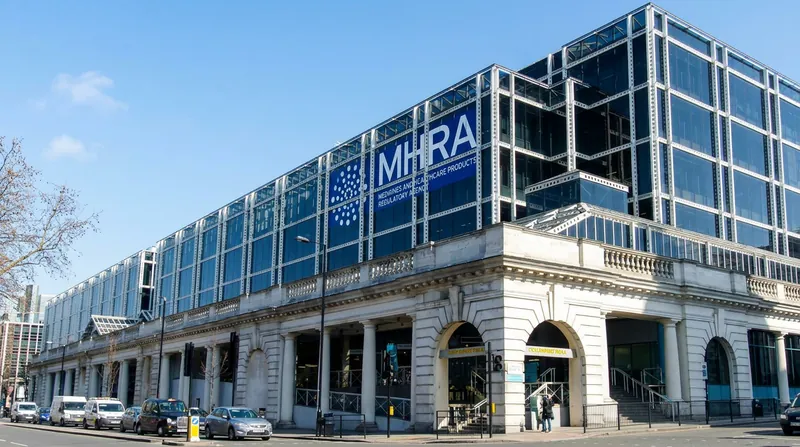
UK MHRA Withdraws IXCHIQ Chikungunya Vaccine Over Emergent Safety Findings
8 sources
Comments
Every angle. Every day.
Get Health stories with full source coverage and perspective breakdowns, free every day.