
Volkswagen Takes €6 Billion Writedown on Porsche Stake Amid Sales and Margin Declines
Volkswagen has slashed its 2026 profit forecast, citing a €6 billion non-cash impairment on its 75 percent stake in Porsche. The writedown reflects a sharp drop in Chinese demand and the costly transition to electric vehicles, compressing margins across the luxury brand.

- Corporate Management
- Focuses on restructuring and establishing a realistic baseline for future profitability.
- Market Analysts
- Views the writedown as a consequence of strategic delays in electrification and Chinese market misjudgments.
- Consumer Market
- Experiences the fallout through tighter inventory and a shift toward higher-priced, exclusive models.
Perspectives this story doesn't cover
- Dealership Owners
- Assembly Line Workers
Why this matters
For luxury car buyers and investors, Porsche’s financial recalibration signals a broader industry reality: the transition to electric vehicles is compressing margins and forcing automakers to rethink their pricing and production strategies. The €6 billion writedown underscores that even the most historically profitable brands are not immune to shifting global demand.
Key points
- Volkswagen has cut its 2026 profit forecast to a maximum of 1 percent, down from a previous target of 4.0 to 5.5 percent.
- The revision is driven by a €6 billion non-cash goodwill impairment on the company's 75 percent stake in Porsche.
- Porsche's financial struggles stem from a 20 percent market contraction in China and the high costs of transitioning to electric vehicles.
- The luxury brand's operating margins have fallen below the Volkswagen Group average, trailing budget marques like Skoda.
- Volkswagen expects total one-time charges for the year to reach €10 billion, including restructuring and early retirement costs.
Volkswagen has officially cut its 2026 profit forecast to a maximum of 1 percent, driven largely by a €6 billion ($6.9 billion) non-cash goodwill impairment on its 75 percent stake in Porsche. The massive writedown reflects a stark recalibration of the luxury sports car maker's value, as Porsche grapples with a 20 percent market contraction in China and the heavy capital demands of transitioning its lineup to electric vehicles.[1][2]
The financial adjustment marks a sharp reversal for a brand that has long served as the Volkswagen Group's most reliable profit engine. According to corporate filings, the €6 billion charge will hit third-quarter operating profits, compounding a €2.7 billion impairment recorded just last year.[1][3]
For prospective Porsche buyers and current owners, these abstract corporate maneuvers translate into tangible shifts on the showroom floor. As the automaker pivots toward a "value over volume" strategy, consumers can expect tighter inventory and a sustained focus on high-margin, top-tier models rather than entry-level volume pushers. Dealership networks, particularly in struggling regions, are already feeling the squeeze as the brand attempts to protect its pricing power amid softening demand.[1][4]
The core of Porsche's current headwind lies in the Chinese market, where deliveries have plummeted by more than half over the past four years. Local buyers are increasingly bypassing foreign luxury marques in favor of domestic electric vehicles that offer aggressive pricing and localized technology integration.[1][2]
Compounding the geographic sales slump is the structural cost of electrification. Battery-electric models currently yield lower profit margins than their internal combustion counterparts, squeezing the bottom line even as consumer interest in EVs grows. The delayed rollout of key electric models has further strained Porsche's financial trajectory, with Volkswagen estimating that the sluggish EV transition has cost the brand billions in lost momentum.[2][3][4]
Compounding the geographic sales slump is the structural cost of electrification.
The margin collapse has created an unusual internal dynamic within the Volkswagen Group. Porsche's operating margins, which previously dwarfed those of its sister brands, have now slipped below the group average. "The days of being a profit driver are over," noted auto industry analyst Ferdinand Dudenhoeffer, highlighting the severity of the shift. In a stark illustration of the changing hierarchy, budget-focused marque Skoda has effectively surpassed Porsche as the more profitable operation on a margin basis.[1][3]
Despite the immediate financial pressure, Porsche leadership maintains that the brand can recover its footing. Internal communications indicate that the company is still targeting a medium-term operating margin of 10 to 15 percent, relying heavily on restructuring efforts and a disciplined approach to production volumes.[1][3]
The broader implications for the automotive sector are now coming into focus. Volkswagen's €10 billion in total one-time charges for the year—which include early retirement programs and asset write-downs in China—highlight the severe growing pains of an industry caught between legacy combustion profits and the expensive realities of an electrified future.[2][3]
The restructuring extends beyond balance sheet adjustments. Porsche has already confirmed 3,900 job cuts and agreed to eliminate an additional 5,000 positions by 2035. These workforce reductions, combined with the potential sale of the Volkswagen Osnabrück facility, underscore the physical contraction required to align the company's overhead with its new sales reality.[3]
The next verifiable checkpoint for the automaker arrives with its third-quarter earnings report, where the full weight of the €6 billion impairment will be officially booked. Until the Chinese market stabilizes or the profitability of electric models reaches parity with combustion engines, Volkswagen's luxury division faces a prolonged period of defensive maneuvering.[2][4]
Viewpoints in depth
Volkswagen Group Management
Corporate leadership emphasizes the necessity of the writedown to reflect current market realities.
Executives within the Volkswagen Group frame the €6 billion impairment as a necessary, albeit painful, recalibration of Porsche's enterprise value. By acknowledging the structural shifts in the Chinese market and the margin compression inherent in the EV transition, management argues they are establishing a realistic baseline for future growth. The focus remains on executing a 'value over volume' strategy to protect the brand's long-term exclusivity.
Industry Analysts
Independent analysts view the margin collapse as a symptom of broader strategic missteps.
Financial and automotive analysts point to the writedown as evidence of delayed decision-making and poor execution in the electric vehicle space. Observers note that Porsche's delayed EV rollout cost the company crucial momentum, allowing domestic Chinese manufacturers to capture market share. From this perspective, the fact that budget brand Skoda is now outperforming Porsche on a margin basis highlights a severe misalignment in the group's premium pricing strategy.
Luxury Car Consumers
Buyers face a shifting landscape of availability and pricing.
For the consumer base, the financial restructuring signals a period of constrained supply and shifting product focus. As Porsche prioritizes high-margin models to repair its balance sheet, buyers are likely to encounter fewer entry-level options and firmer pricing on the showroom floor. The brand's pivot away from volume sales means that ownership will become increasingly exclusive, directly impacting the purchasing decisions of prospective buyers.
Sources
Source coverage
4 outlets
3 viewpoints surfaced




- [1]ForbesMarket Analysts
VW Warns Of Profit Hit, But New Product Counterattack Is Looming
Read on Forbes → - [2]Briefs FinanceCorporate Management
Volkswagen Cuts Profit Forecast After €6 Billion Porsche Writedown
Read on Briefs Finance → - [3]CBT NewsCorporate Management
Volkswagen slashes 2026 profit forecast as Porsche takes hit
Read on CBT News → - [4]TeslAntMarket Analysts
Volkswagen Wrote Down 6 Billion Euros on Porsche. The Electric Half of the Range Is What Fell.
Read on TeslAnt →
Comments
More in Automotive & Transportation
See all →EV Safety Recalls
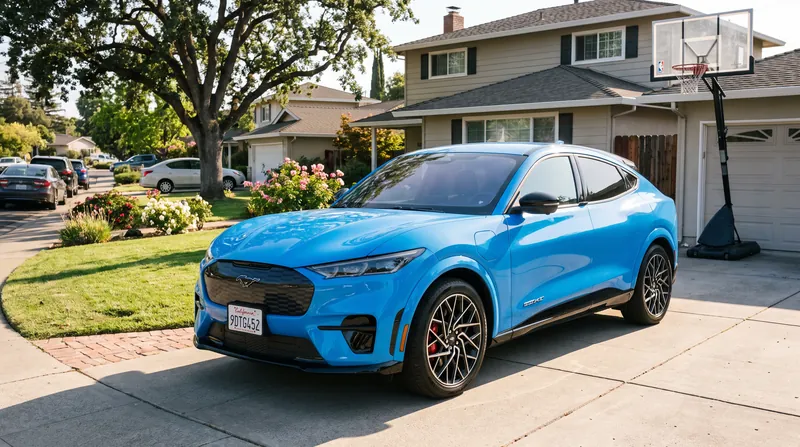
Ford Recalls 86 Mustang Mach-E EVs Over Battery Software Fire Risk
6 sources
Hypercar Development
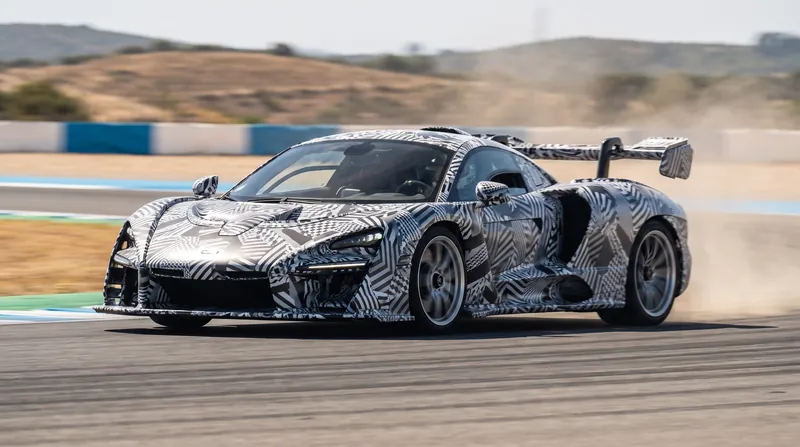
F1 Champion Lando Norris Tests McLaren MCL-HY Hypercar Prototype at Portimão
5 sources
Vehicle Dynamics
The Slip Angle and the Cornering Force: How the Difference Between Front and Rear Tire Angles Dictates Understeer and Oversteer
5 sources
Marine Tech
How Lithium Iron Phosphate (LiFePO4) House Banks Are Replacing Marine Diesel Generators
2 sources

Every angle. Every day.
Get Automotive & Transportation stories with full source coverage and perspective breakdowns delivered to your inbox.