
US and Iran Sign Historic Ceasefire to End 110-Day War, Opening Path to Final Deal
President Trump and Iranian officials have agreed to the 'Islamabad Memorandum,' halting a devastating three-month conflict, reopening the Strait of Hormuz, and triggering a 60-day window for comprehensive nuclear and sanctions negotiations.
By Factlen Editorial Team
- US Administration
- Argues the deal is a major win that stops a costly war and opens the door to a permanent nuclear agreement without further US entanglement.
- Iranian Leadership
- Views the deal as a strategic victory that secures massive sanctions relief and preserves their regional proxy network.
- Israeli Leadership
- Feels betrayed by the US, arguing the deal leaves Hezbollah intact, and vows to continue military operations in Lebanon.
- Foreign Policy Analysts
- Warns the interim deal concedes significant financial leverage to Tehran without permanently dismantling its nuclear capabilities.
What's not represented
- · Lebanese civilians caught in the ongoing crossfire between Israel and Hezbollah.
- · European energy importers who suffered economic losses during the Strait of Hormuz blockade.
Why this matters
The agreement halts a devastating 110-day war that severely disrupted global oil markets and threatened to engulf the entire Middle East, but its ultimate success hinges on whether the US can enforce the ceasefire on allied fronts, particularly Israel's ongoing military operations in Lebanon.
Key points
- The US and Iran signed the 14-point Islamabad Memorandum, officially pausing their 110-day military conflict.
- The agreement reopens the Strait of Hormuz and initiates a 60-day window to negotiate a permanent nuclear treaty.
- Iran will receive massive economic relief, including the unfreezing of assets and a proposed $300 billion reconstruction fund.
- Israel rejected the deal's demand for a regional ceasefire and vowed to continue its military operations against Hezbollah in Lebanon.
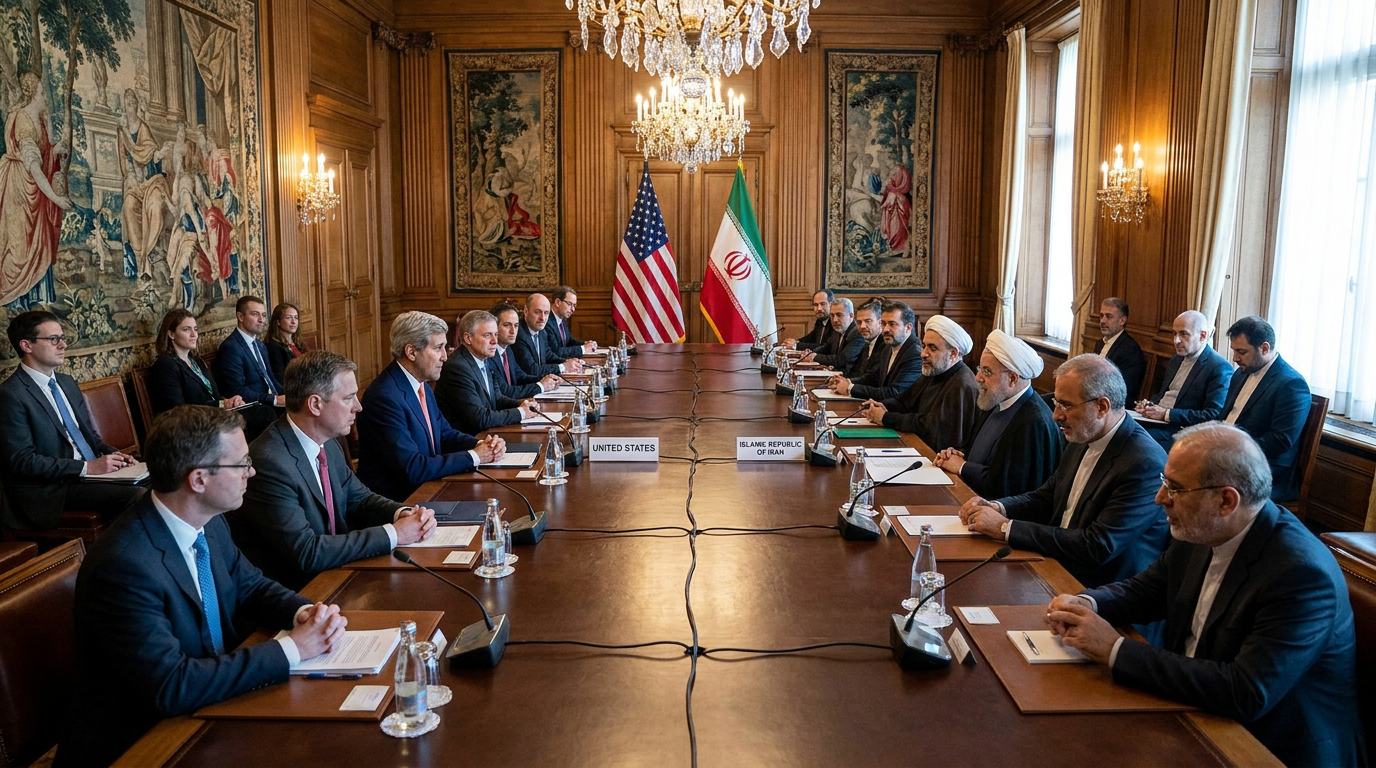
The United States and Iran have officially signed the "Islamabad Memorandum of Understanding," pausing a devastating 110-day war that shuttered the Strait of Hormuz, disrupted global energy markets, and threatened to engulf the entire Middle East. Mediated by Pakistani Prime Minister Shehbaz Sharif, the 14-point interim agreement halts direct military operations between Washington and Tehran and initiates a strict 60-day window to negotiate a permanent, comprehensive settlement. The conflict, which erupted in late February 2026, drew in regional proxies, triggered a massive US naval blockade, and saw intense aerial bombardments of Iranian infrastructure. Now, the focus shifts from the battlefield to the negotiating table. US Envoy Steve Witkoff and presidential adviser Jared Kushner are currently en route to Switzerland, where they will meet with Iranian Foreign Minister Abbas Araghchi for high-stakes technical talks aimed at translating this fragile, temporary truce into a lasting diplomatic treaty.[1][2][6]
Under the precise terms of the memorandum, both nations have committed to maintaining the military and nuclear "status quo" while negotiations proceed. For the United States, this means immediately lifting its naval blockade and allowing commercial vessels to safely transit the Strait of Hormuz—a crucial maritime artery responsible for roughly a fifth of the world's daily oil supply. In exchange, Iran has pledged to freeze its nuclear enrichment program in its current state, a concession made easier by the fact that much of its nuclear infrastructure was heavily damaged or buried under rubble during the US bombing campaign. The financial incentives offered to Tehran to secure this pause are staggering. The agreement outlines the unfreezing of tens of billions of dollars in Iranian assets held abroad, the immediate issuance of US Treasury waivers to allow for Iranian oil exports, and the eventual establishment of a $300 billion reconstruction and economic development fund designed to rebuild the war-torn nation.[1][2][6]

The Trump administration has aggressively championed the ceasefire as a historic diplomatic victory that successfully extricates the United States from a costly, protracted Middle Eastern entanglement. President Donald Trump has publicly framed the deal as a "major win" that achieves peace through strength, despite mounting criticism from hawkish lawmakers in Washington who argue the administration conceded too much leverage. Vice President J.D. Vance has been deployed to defend the massive financial concessions, publicly challenging critics to present a viable alternative to an unwinnable war. Vance and other administration officials argue that the alternative to the Islamabad Memorandum was a perpetual, grinding conflict that the American public had no appetite to prosecute, and that the 60-day window provides the best possible leverage to secure a permanent, verifiable end to Iran's nuclear ambitions without further loss of American lives.[2][6]
However, the most volatile and contested element of the peace pact lies entirely outside of direct US or Iranian control: the ongoing conflict in Lebanon. The memorandum explicitly demands an "immediate and permanent termination of military operations on all fronts," a clause that Iran interprets as a mandatory halt to the fierce fighting between Israel and the Iran-backed militant group Hezbollah. Throughout the 110-day war, Tehran has consistently maintained that the conflict in Lebanon is an inseparable front of the broader US-Israeli war against Iran, and Iranian negotiators successfully pressed to have the Lebanese theater included in the ceasefire conditions. Hezbollah leadership has cautiously welcomed the deal, signaling a willingness to halt their rocket fire if Israeli forces withdraw, effectively using the US-Iran memorandum as a shield to preserve their remaining military infrastructure.[1][5][6]

However, the most volatile and contested element of the peace pact lies entirely outside of direct US or Iranian control: the ongoing conflict in Lebanon.
Israel, which was notably excluded from the Islamabad negotiations, has fiercely rejected this framing and refused to be bound by an agreement it did not sign. Prime Minister Benjamin Netanyahu has insisted that the Israel Defense Forces (IDF) are not beholden to the US-Iran memorandum and has vowed to maintain aggressive military operations in southern Lebanon until the security of northern Israeli towns is fully guaranteed. The Israeli government views the ceasefire as a dangerous capitulation that leaves Iran's "Axis of Resistance" intact, allowing Hezbollah to regroup and rearm right on Israel's northern border. In response to the IDF's continued operations, the US administration has begun exerting unprecedented public pressure on its closest Middle Eastern ally. President Trump declared on social media that he expects a "complete ceasefire on all fronts, including Lebanon, Hezbollah and Israel," putting Washington on a direct diplomatic collision course with Jerusalem.[1][3][4]
Inside Israel, the mood regarding the US-Iran deal is overwhelmingly bitter and deeply anxious. Across the political spectrum, many citizens and defense officials feel profoundly abandoned by the Trump administration, arguing that the United States prioritized a quick exit from the region over the long-term security of its allies. In towns and cities across the country, the prevailing sentiment is that the $300 billion reconstruction fund and the lifting of sanctions will simply be funneled back into Iran's proxy network, ultimately financing the next generation of attacks against the Jewish state. The perceived betrayal has sparked intense domestic debate within Israel about the reliability of American security guarantees and the necessity of preparing for a future where Israel must confront a newly enriched and emboldened Iranian regime entirely alone.[3]

Conversely, in Tehran, the signing of the Islamabad Memorandum is being widely celebrated as a massive strategic victory for the Islamic Republic. Despite suffering significant infrastructure damage and severe economic contraction during the US bombing campaign, the regime has survived the onslaught, secured unprecedented economic relief, and maintained its core proxy alliances across the region. Iranian leadership views the $300 billion reconstruction package not just as reparations, but as a tacit American admission of the war's futility. Furthermore, by successfully tying the fate of Hezbollah to the broader US-Iran ceasefire, Tehran has effectively forced Washington to act as a restraining force on Israel, utilizing American diplomatic leverage to protect its most valuable regional asset without conceding its own long-term geopolitical ambitions.[2][3][5][6]
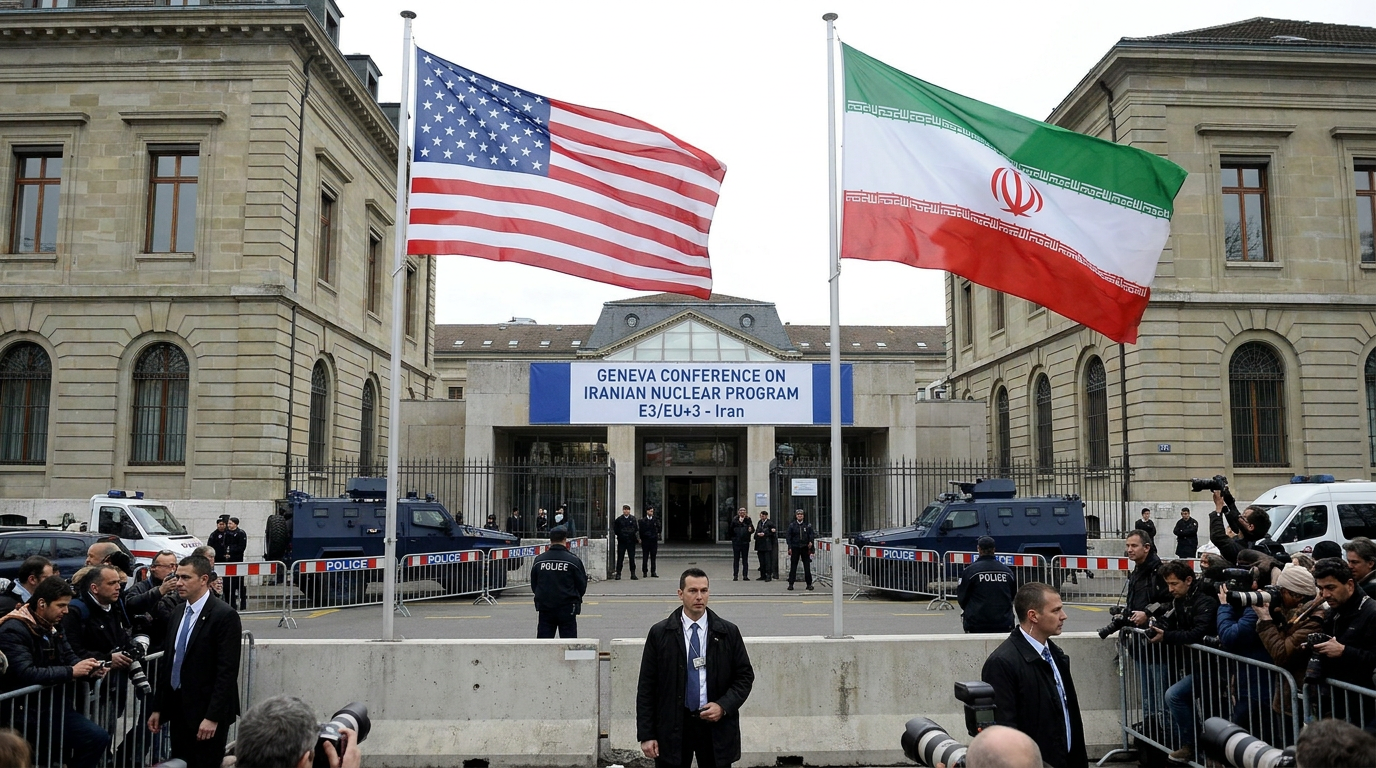
With the ink on the memorandum barely dry, the 60-day clock for negotiating a final, comprehensive treaty is now ticking, and the upcoming talks in Switzerland face daunting, perhaps insurmountable, hurdles. The United States is reportedly pushing for a draconian 20-year pause on all Iranian nuclear enrichment activities, alongside the complete, verifiable dismantlement of key subterranean nuclear facilities. Iranian negotiators, newly empowered by the lifting of the naval blockade, are expected to fiercely resist these demands, reportedly capping any potential restrictions at a maximum of 10 years. If the 60-day window expires without a final deal, the memorandum allows for a mutual extension, but with Hezbollah and Israeli forces still exchanging fire, and domestic critics in Washington accusing the White House of outright capitulation, this fragile interim peace could easily unravel before the negotiators even settle into their chairs in Geneva.[1][4]
Beyond the immediate combatants, the global community is watching the implementation of the Islamabad Memorandum with cautious optimism. The reopening of the Strait of Hormuz has already begun to stabilize volatile global energy markets, easing fears of a prolonged spike in oil prices that threatened to trigger a worldwide recession. European and Asian allies, who bore the economic brunt of the 110-day naval blockade, have quietly applauded the diplomatic breakthrough, even as they harbor deep reservations about the enforcement mechanisms of the final deal. Ultimately, the success of the Switzerland talks will determine whether this ceasefire represents a genuine pivot toward long-term stability in the Middle East, or merely a well-funded pause before the next, inevitably more destructive, phase of the conflict begins.[1][2]
How we got here
Feb 2026
The United States and Israel launch military operations against Iran, sparking a 110-day regional war.
April 2026
A temporary two-week ceasefire is brokered by Pakistan, which is later extended indefinitely by President Trump.
June 14, 2026
The US and Iran reach a broad agreement to settle the conflict and reopen the Strait of Hormuz.
June 17, 2026
President Trump officially signs the Islamabad Memorandum of Understanding.
June 20, 2026
US and Iranian envoys travel to Switzerland to begin the 60-day technical negotiations for a final deal.
Viewpoints in depth
The US Administration's View
The deal is a historic victory that ends an unwinnable war and provides leverage for a final nuclear agreement.
President Trump and Vice President Vance argue that the Islamabad Memorandum successfully extricates the United States from a costly Middle Eastern conflict that the American public did not support. By securing a 60-day pause and freezing Iran's nuclear program, the administration believes it has created the necessary diplomatic space to negotiate a permanent, verifiable treaty without the daily financial and human costs of an active war.
Iran's Strategic View
The agreement is a massive victory that secures economic survival while preserving regional influence.
For Tehran, the ceasefire represents a triumph of endurance. Despite enduring months of US bombardment, the regime secured the unfreezing of billions of dollars and a proposed $300 billion reconstruction fund. Crucially, by tying the fate of Lebanon to the broader ceasefire, Iran has effectively forced the US to act as a restraining force on Israel, protecting Hezbollah's remaining infrastructure without conceding its own long-term geopolitical ambitions.
Israel's View
The US has abandoned its allies by leaving Iran's proxy network intact and fully funded.
Israeli officials and citizens feel profoundly betrayed by the agreement, viewing the massive financial concessions to Tehran as a direct threat to their national security. Prime Minister Netanyahu has firmly rejected the notion that the US-Iran deal dictates Israel's military posture, vowing to continue operations against Hezbollah in Lebanon regardless of Washington's demands for a comprehensive regional ceasefire.
What we don't know
- Whether the United States will take punitive action against Israel if the IDF continues its military operations in Lebanon.
- If Iranian negotiators will agree to the US demand for a 20-year pause on nuclear enrichment during the upcoming Switzerland talks.
- How the $300 billion reconstruction fund will be administered and whether safeguards can prevent the money from reaching proxy militant groups.
Key terms
- Islamabad Memorandum of Understanding
- The 14-point interim peace agreement brokered by Pakistan that temporarily halted the 2026 US-Iran war.
- Strait of Hormuz
- A crucial maritime chokepoint between the Persian Gulf and the Gulf of Oman, through which roughly 20% of the world's oil supply passes.
- Axis of Resistance
- A network of autonomous militant groups across the Middle East, including Hezbollah and Hamas, that are financially and militarily backed by Iran.
Frequently asked
What is the Islamabad Memorandum?
It is a 14-point interim agreement signed by the US and Iran that halts their 110-day war and opens a 60-day window to negotiate a permanent nuclear deal.
How much money is Iran receiving?
The deal unfreezes tens of billions in Iranian assets and proposes a $300 billion reconstruction and economic development fund.
Does the ceasefire apply to Israel and Hezbollah?
The US and Iran claim the ceasefire covers all fronts, including Lebanon. However, Israel was not a party to the deal and has vowed to continue its military operations against Hezbollah.
What happens after the 60 days?
If a final deal is not reached regarding Iran's nuclear program and long-term sanctions relief, the two countries can mutually agree to extend the negotiation window, or the ceasefire could collapse.
Sources
Source coverage
6 outlets
4 viewpoints surfaced






[1]Council on Foreign RelationsForeign Policy Analysts
Trump's Iran Deal: What We Know, What's Contested, and What Remains Unresolved
Read on Council on Foreign Relations →[2]The Straits TimesUS Administration
Trump envoy, Iranian minister head to Switzerland for talks
Read on The Straits Times →[3]The GuardianIsraeli Leadership
‘It’s a big mistake’: Israelis feel betrayed and angry after Iran peace deal
Read on The Guardian →[4]Times of IsraelIsraeli Leadership
Netanyahu vows IDF to stay in Lebanon amid US and Iranian pressure
Read on Times of Israel →[5]Al JazeeraIranian Leadership
Iran war day 113: Tehran presses US over Lebanon ceasefire
Read on Al Jazeera →[6]LawfareUS Administration
The Islamabad Memorandum of Understanding
Read on Lawfare →

More in news politics
See all 7 stories →School Meals
Do Universal Free School Meals Work? What the 2026 Data Shows
7 sources

US-Iran Deal
Inside the U.S.-Iran Peace Deal: How the Islamabad Memorandum Halted a 110-Day War
7 sources

US-Iran Deal
US Envoys Arrive in Switzerland for Iran Talks as Israel Fumes Over Peace Deal
8 sources
Information Ecosystem
Evidence Pack: Does Crowdsourced Fact-Checking Actually Work?
6 sources

Every angle. Every day.
Get news politics stories with full source coverage and perspective breakdowns delivered to your inbox.