
US and Iran Announce Peace Deal, Paving Way for Strait of Hormuz Reopening
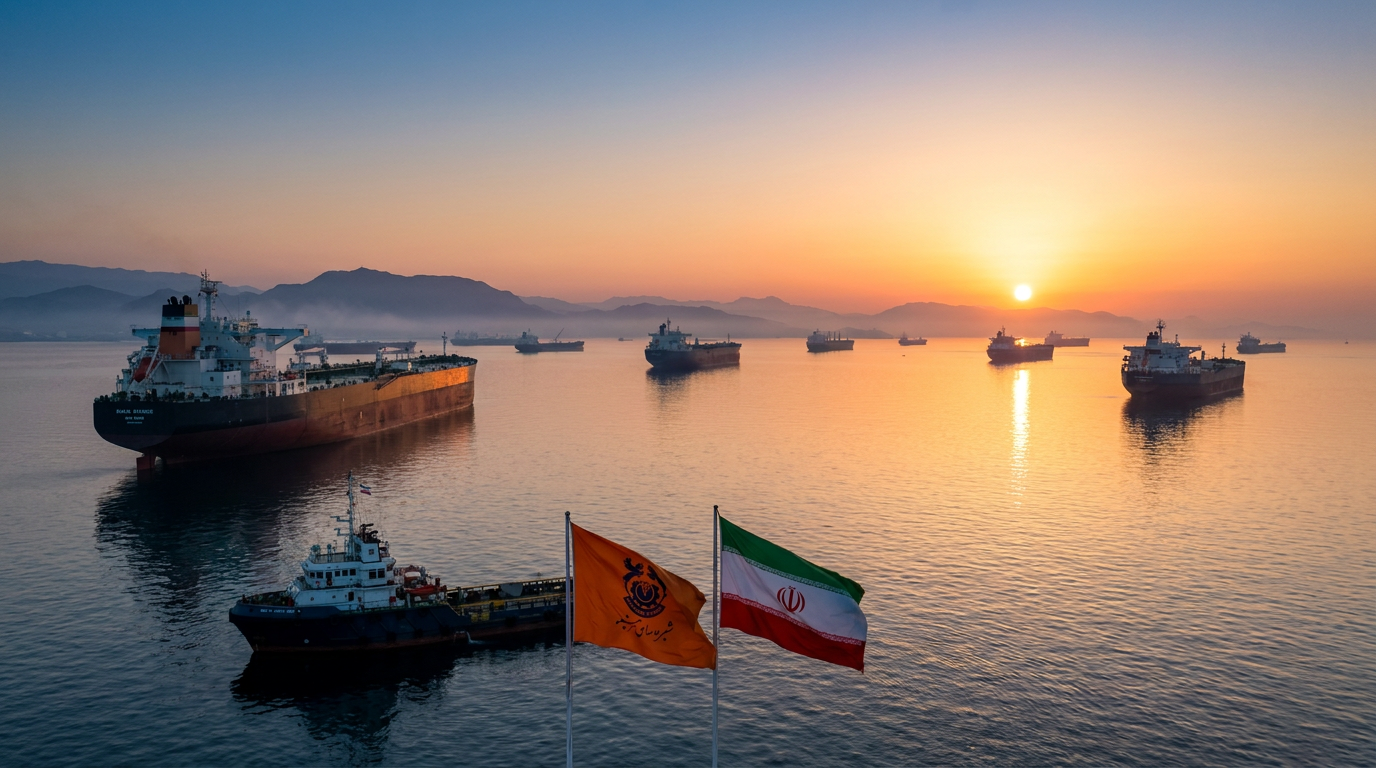
A newly announced peace agreement between the United States and Iran has triggered a sharp drop in global oil prices as markets anticipate the reopening of the Strait of Hormuz. The diplomatic breakthrough, timed alongside the G7 summit in France, aims to end months of regional conflict and restore critical maritime trade routes.
By Factlen Editorial Team
- Diplomatic Optimists
- Focus on the breakthrough as a historic off-ramp that will stabilize the region and provide immediate economic relief.
- Market Pragmatists
- Focus primarily on the physical flow of oil, transit data, and the timeline for price stabilization rather than political rhetoric.
- Security Skeptics
- Emphasize the long history of failed agreements and warn that the enforcement mechanisms of the current truce remain highly fragile.
What's not represented
- · Iranian domestic civil society
- · OPEC+ member states not involved in the bilateral talks
Why this matters
The Strait of Hormuz is the world's most critical oil transit chokepoint. Its reopening promises to significantly lower global energy costs, potentially easing inflation and averting a looming industrial crisis in Europe, while fundamentally reshaping Middle Eastern geopolitics.
Key points
- The US and Iran have announced a breakthrough peace deal aimed at ending regional conflict.
- The agreement paves the way for reopening the Strait of Hormuz to commercial shipping.
- Global oil prices, particularly Brent crude, tumbled immediately following the announcement.
- The reopening offers a critical lifeline to European industries facing deindustrialization due to high energy costs.
- The G7 summit in France will focus heavily on solidifying the terms and enforcement of the deal.
- Analysts warn that complex negotiations and regional security concerns still pose risks to the agreement.
The announcement of a peace deal between the United States and Iran has sent immediate shockwaves through global energy markets, signaling a potential end to one of the most economically damaging geopolitical standoffs of the decade.[1][8]
At the center of the diplomatic breakthrough is the anticipated reopening of the Strait of Hormuz, the narrow waterway that serves as the primary artery for Middle Eastern oil exports.[1][5]
Following the announcement, Brent crude prices experienced a sharp and immediate decline. Traders and market analysts reacted swiftly to the prospect of millions of barrels of previously trapped oil re-entering the global supply chain.[1]
To understand the magnitude of this development, one must look at the geography of the global energy trade. The Strait of Hormuz, located between Oman and Iran, connects the Persian Gulf to the Gulf of Oman and the Arabian Sea.[5]
At its narrowest point, the strait is just 21 miles wide, with the designated shipping lanes in each direction being only two miles wide. Despite its narrow geography, it is the world's most important oil transit chokepoint.[5][6]

Historically, roughly 20 percent of global petroleum consumption passes through this waterway. When regional tensions effectively closed or severely restricted access to the strait earlier this year, the resulting supply shock drove energy prices to crippling highs.[6][8]
The diplomatic resolution arrives at a critical moment for the global economy. In Europe, the sustained period of high energy prices had pushed the industrial sector to the brink of a structural crisis.[1][8]
A recent survey by the manufacturers' body Make UK highlighted that British industry was facing the threat of deindustrialization, with energy costs running twice as high as the European average and four times higher than in the United States.[4]
The reopening of the strait offers a vital economic lifeline to these energy-intensive industries, potentially averting a wave of bankruptcies and stabilizing inflation rates across Western economies that rely heavily on imported energy.[4][8]

The timing of the peace deal also aligns with the upcoming Group of Seven (G7) summit in Évian-les-Bains, France. French President Emmanuel Macron has positioned the summit's agenda to capitalize on this sudden diplomatic momentum.[2]
The timing of the peace deal also aligns with the upcoming Group of Seven (G7) summit in Évian-les-Bains, France.
Macron's strategy involves framing the G7 discussions to ensure the participation and commitment of US President Donald Trump, whose administration played a central role in brokering the sudden agreement.[2]
The summit aims to solidify the terms of the Iran deal while also pushing for broader resolutions in other ongoing conflicts, utilizing the breakthrough as proof that entrenched geopolitical standoffs can be resolved through aggressive diplomacy.[2][8]

The path to this agreement was preceded by a period of intense and normalized violence. Observers had recently noted that the conflict had reached a tragic phase where fear, killing, and upheaval had become a daily reality for those in the region.[3]
The sudden pivot from normalized conflict to a structured peace agreement underscores the volatile nature of Middle Eastern diplomacy, where acute economic pressures and back-channel negotiations can rapidly alter the geopolitical landscape.[3][7]
Despite the market optimism, seasoned analysts caution that the announcement is only the first step. The underlying negotiations required to fully implement the deal and guarantee the safe passage of commercial vessels will be highly complex.[1][7]
Verification mechanisms, the lifting of specific economic sanctions, and the withdrawal of military assets from the immediate vicinity of the shipping lanes must all be meticulously coordinated between deeply distrustful adversaries.[7][8]
Furthermore, the agreement must survive the scrutiny of regional powers who were not direct parties to the bilateral talks but whose national security interests are intimately tied to the balance of power in the Persian Gulf.[7]
How we got here
Early 2026
Regional conflict escalates, leading to severe disruptions in the Strait of Hormuz and spiking global energy prices.
June 14, 2026
Reports emerge of a breakthrough peace agreement negotiated between the US and Iran.
June 15, 2026
Global oil prices tumble as markets react to the anticipated reopening of the critical maritime chokepoint.
Late June 2026
G7 leaders convene in Évian-les-Bains to discuss the enforcement and broader geopolitical implications of the deal.
Viewpoints in depth
Global Energy Markets
Focuses on the immediate relief of resumed supply and the stabilization of macroeconomic indicators.
For commodities traders and energy analysts, the peace deal is viewed primarily through the lens of supply and demand. The reopening of the Strait of Hormuz removes a massive geopolitical risk premium that had been priced into every barrel of oil. Market pragmatists argue that as long as the physical flow of tankers resumes without harassment, the specific political concessions made by either side are secondary to the stabilization of global inflation and shipping costs.
European Industrial Sector
Views the deal as an urgent economic lifeline against cripplingly high energy costs.
European manufacturers, particularly in the UK and Germany, have viewed the conflict not just as a distant security issue, but as an existential threat to their businesses. With energy costs running multiples higher than in the US, industry groups argue that the resumption of normalized energy flows from the Middle East is the only way to prevent widespread deindustrialization and bankruptcy across the continent's manufacturing base.
Regional Security Analysts
Maintains cautious optimism while warning that enforcement mechanisms remain highly fragile.
Security experts and diplomatic historians emphasize that announcing a deal is vastly different from implementing one. This camp points out that the underlying mistrust between the US and Iran has not evaporated overnight. They argue that the success of the agreement hinges on complex, phased verification steps—such as the verifiable withdrawal of military assets and the precise lifting of sanctions—any of which could easily derail the fragile truce if violated.
What we don't know
- The specific timeline for the complete lifting of maritime restrictions in the strait.
- Which exact economic sanctions the US has agreed to lift in exchange for the peace deal.
- How regional allies, particularly Israel and Saudi Arabia, will respond to the bilateral agreement.
Key terms
- Strait of Hormuz
- A critical maritime chokepoint between Iran and Oman through which roughly a fifth of the world's oil passes.
- Brent Crude
- A major trading classification of sweet light crude oil that serves as a benchmark price for purchases of oil worldwide.
- G7 Summit
- An annual meeting of leaders from seven of the world's advanced economies to coordinate global macroeconomic and security policy.
Frequently asked
What is the Strait of Hormuz?
It is a narrow waterway between the Persian Gulf and the Gulf of Oman, serving as the only sea passage from the Persian Gulf to the open ocean.
Why did oil prices drop so suddenly?
Markets anticipate that the peace deal will allow millions of barrels of trapped oil to resume flowing through the strait, significantly increasing global supply.
Will the peace agreement hold?
While the initial announcement has sparked optimism, analysts warn that complex, multi-stage negotiations remain, and regional tensions could still disrupt the agreement.
Sources
Source coverage
8 outlets
3 viewpoints surfaced





[1]The GuardianDiplomatic Optimists
Oil prices tumble amid hopes strait of Hormuz will soon reopen
Read on The Guardian →Macron frames Évian G7 agenda in hope Trump will stay for whole summit
Read on The Guardian →The Iran war has reached a tragic new phase: the fear, killing and upheaval are all normalised
Read on The Guardian →Britain ‘faces deindustrialisation’ without relief from high energy prices, survey warns
Read on The Guardian →[5]WikipediaMarket Pragmatists
Strait of Hormuz
Read on Wikipedia →[6]US Energy Information AdministrationMarket Pragmatists
World Oil Transit Chokepoints
Read on US Energy Information Administration →[7]Council on Foreign RelationsSecurity Skeptics
Timeline: U.S. Relations With Iran
Read on Council on Foreign Relations →[8]Factlen Editorial TeamDiplomatic Optimists
Synthesis by Factlen editorial team
Read on Factlen Editorial Team →
More in news politics
See all 9 stories →US-Iran Deal
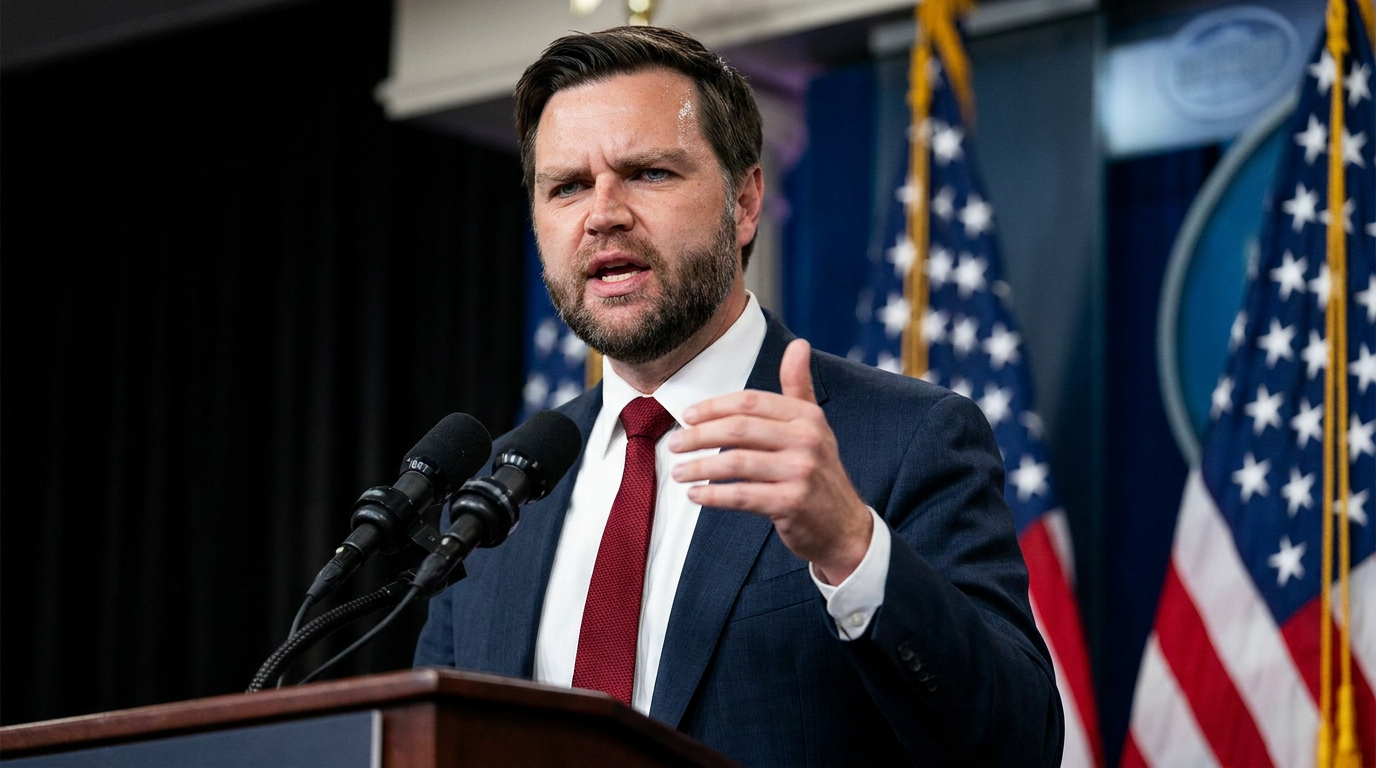
U.S. and Iran Sign Agreement to End War; Vance Lashes Out at Israeli Critics
7 sources
U.S.-Iran Deal
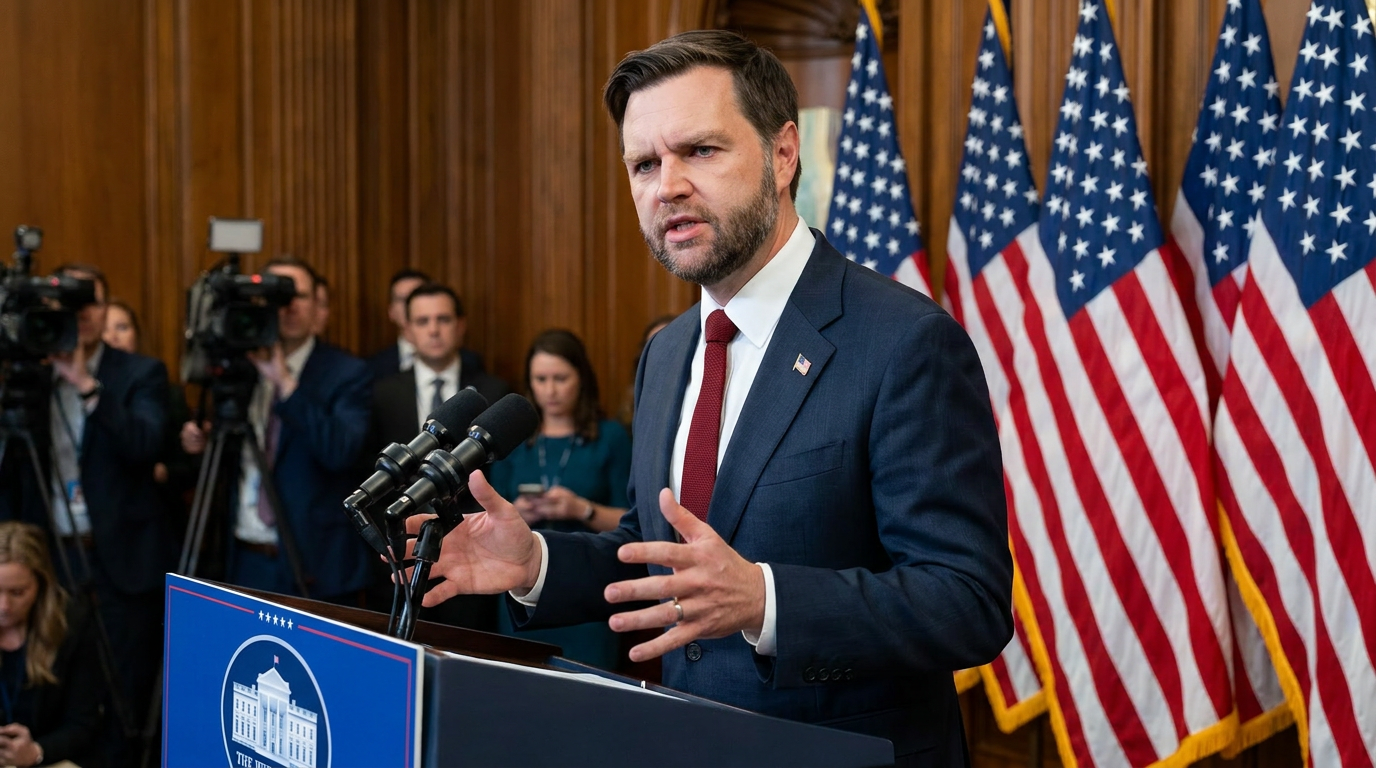
U.S. and Iran Sign 14-Point Agreement to End War, Sparking Fierce Backlash from Israel
6 sources
U.S.-Iran Relations
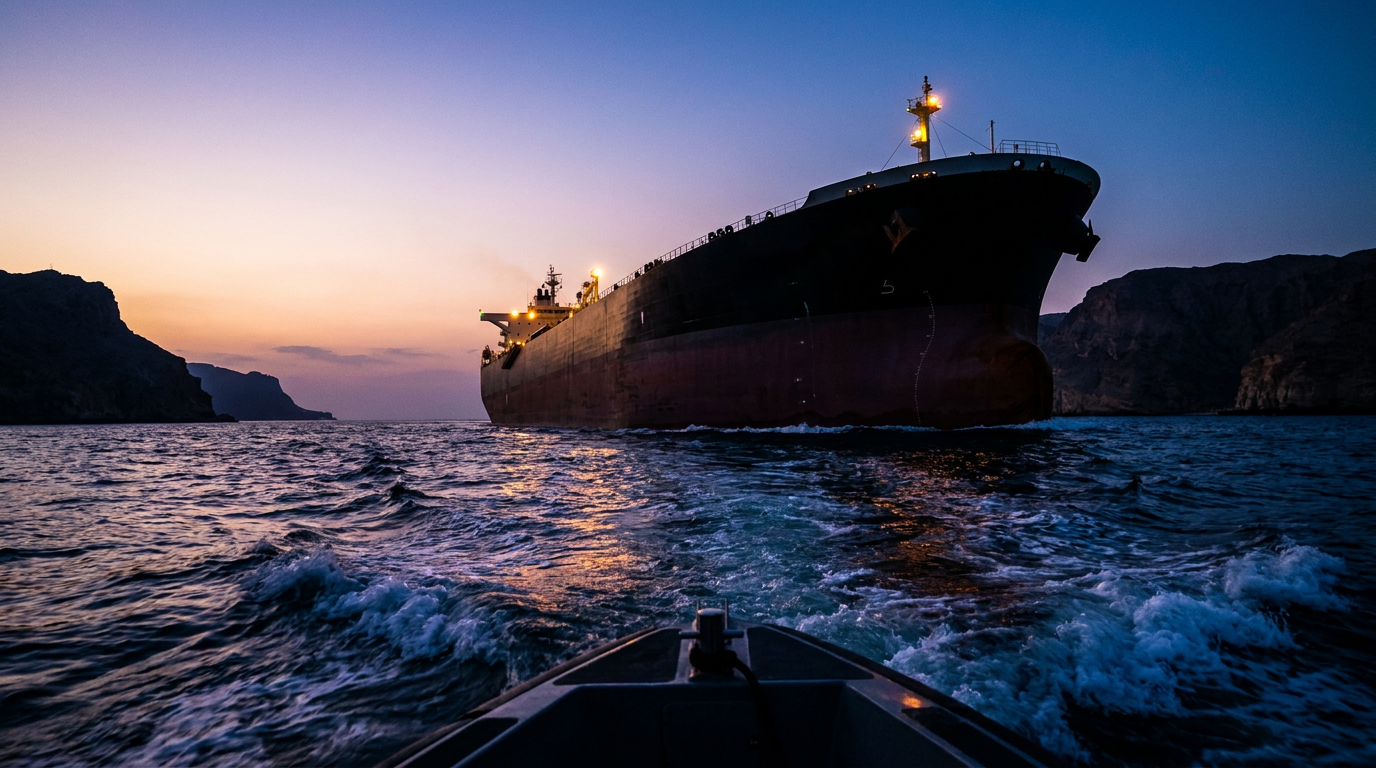
Vance Rebukes Israeli Critics of U.S.-Iran Peace Agreement, Warning Against Alienating 'Only Powerful Ally'
8 sources
Cognitive Defense
The Science of 'Prebunking': How Psychological Inoculation is Defeating Misinformation
6 sources

Every angle. Every day.
Get news politics stories with full source coverage and perspective breakdowns delivered to your inbox.