
U.S. and Iran Sign Deal to End 110-Day War, Reopen Strait of Hormuz
President Trump and Iranian President Pezeshkian have signed a preliminary agreement to halt military operations, lift the U.S. naval blockade, and reopen the Strait of Hormuz. The deal opens a 60-day window for final negotiations but faces immediate hurdles as fighting continues between Israel and Hezbollah in Lebanon.
By Factlen Editorial Team

- U.S. Administration & Deal Proponents
- Argues the deal prevents global economic catastrophe, ends a costly war, and successfully pauses Iran's nuclear ambitions.
- Israeli Security Establishment
- Views the agreement as a dangerous capitulation that enriches Iran and fails to neutralize the existential threat posed by Hezbollah.
- Iranian & Allied Forces
- Frames the deal as a strategic victory that breaks the U.S. blockade and demands a complete Israeli withdrawal from Lebanon.
- Geopolitical Analysts
- Warns that the 60-day window is highly fragile and that the unresolved Lebanon conflict could easily derail the entire peace process.
What's not represented
- · Lebanese civilians displaced by the ongoing border conflict
- · Global shipping companies navigating the newly reopened strait
Why this matters
The agreement halts a devastating 110-day conflict that crippled global shipping and spiked energy prices. However, its success hinges on a fragile 60-day negotiating window and whether the U.S. can force a halt to the parallel war between Israel and Hezbollah in Lebanon.
Key points
- The U.S. and Iran signed a 14-point preliminary agreement to end their 110-day conflict.
- The U.S. lifted its naval blockade, and Iran reopened the Strait of Hormuz toll-free.
- Negotiators have 60 days to finalize a deal on Iran's nuclear program and sanctions relief.
- Israel refuses to halt its military operations against Hezbollah in southern Lebanon.
- Planned technical talks in Switzerland were postponed due to the ongoing violence in Lebanon.
The United States and Iran have signed a preliminary agreement to end their 110-day war, initiating an immediate ceasefire and the reopening of the Strait of Hormuz. President Donald Trump and Iranian President Masoud Pezeshkian signed the 14-point memorandum of understanding (MOU) on Wednesday following the G7 summit in France. The accord aims to halt a conflict that began on February 28, which devastated global shipping networks and triggered widespread economic anxiety across international markets.[1][4][7]
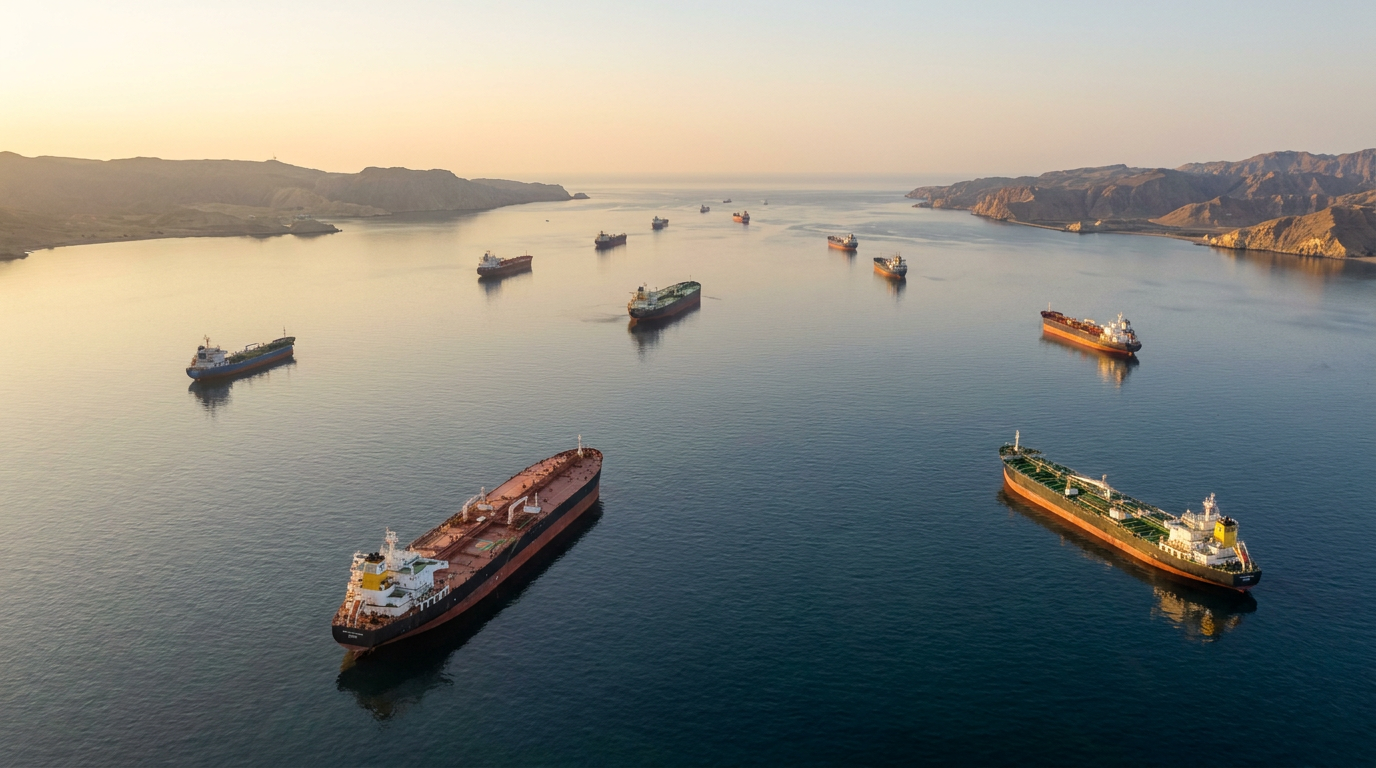
The most immediate impacts of the deal are maritime and economic. On Thursday, the U.S. military officially lifted its naval blockade on Iranian ports, allowing dozens of commercial vessels to pass through the region safely. In exchange, Tehran authorized the toll-free reopening of the Strait of Hormuz, a critical global energy chokepoint that had been effectively shut down by the hostilities. Vice President JD Vance reported that 12.5 million barrels of oil transited the strait on Wednesday night alone, marking the highest volume since the war began.[2][4][7][8]
The MOU serves as a framework rather than a final treaty, establishing a 60-day window for negotiators to finalize a comprehensive agreement. During this period, the two nations will negotiate the future of Iran's nuclear program, with Tehran agreeing to dilute its stockpile of highly enriched uranium under international supervision. In return, the U.S. Treasury has committed to issuing immediate waivers on Iranian oil exports and facilitating a $300 billion reconstruction fund supported by regional partners.[1][4][7][8]

Despite the diplomatic breakthrough, the agreement faces an immediate and severe test in Lebanon. The text of the MOU explicitly calls for the "immediate and permanent termination of military operations on all fronts, including in Lebanon." This clause was designed to rein in Hezbollah, the Iran-backed militant group that began firing rockets into Israel in early March in support of Tehran, which subsequently triggered a massive Israeli ground invasion.[1][3][6]
However, Israel—which was not a party to the U.S.-Iran negotiations—has refused to halt its military operations in southern Lebanon. Israeli officials maintain that the MOU does not bind them, and the Israel Defense Forces (IDF) continue to carry out airstrikes and maintain a ground presence in a security zone extending up to 10 kilometers into Lebanese territory. On Thursday, Israeli strikes in southern Lebanon killed at least 16 people, drawing sharp condemnation from Tehran and threatening to unravel the broader peace framework.[2][3][5][6]

However, Israel—which was not a party to the U.S.-Iran negotiations—has refused to halt its military operations in southern Lebanon.
Hezbollah leadership has seized on the agreement to declare a strategic win. In a televised address, Hezbollah deputy chief Naim Qassem hailed the U.S.-Iran deal as a "great victory," praising Tehran for linking the Lebanese arena to the broader regional ceasefire. Iranian Foreign Minister Abbas Araghchi warned that any continued Israeli military presence in southern Lebanon would constitute a direct violation of the newly signed MOU, demanding an immediate withdrawal.[3][6]
The disconnect over Lebanon has triggered an unprecedented public rift between Washington and Jerusalem. During a White House press briefing on Thursday, Vice President Vance sharply criticized Israeli leaders for attacking the deal. Noting that U.S. taxpayers funded two-thirds of the weapons used to defend Israel over the past three months, Vance warned Israeli officials to "wake up and smell the reality" of their international isolation, asserting that the current U.S. administration remains their only sympathetic ally on the world stage.[2]

The ongoing violence in Lebanon has already derailed the next phase of diplomacy. Planned technical talks between U.S. and Iranian negotiators, which were scheduled to begin Friday in Switzerland, have been postponed. Iranian officials indicated they would not deploy their delegation to Geneva while Israeli strikes continued, demanding that the U.S. force Israel to comply with the ceasefire terms before final-status negotiations on sanctions and nuclear enrichment can proceed.[3][5][6][8]
Domestically, the agreement has polarized Washington. President Trump defended the deal as a necessary step to prevent "economic catastrophe," claiming it achieves the primary goal of preventing Iran from obtaining a nuclear weapon while ending a costly foreign entanglement. Conversely, conservative critics and some national security analysts have lambasted the MOU as a capitulation, arguing it leaves Iran's nuclear infrastructure largely intact and rewards Tehran with massive economic relief without permanently neutralizing its proxy networks.[4][7]
The fragility of the current peace cannot be overstated. The 60-day negotiating window allows either side to walk away if technical talks collapse, which would likely trigger a rapid return to naval blockades and missile strikes. For now, global markets are watching closely to see if the U.S. can leverage its influence to quiet the Lebanese border, a prerequisite for turning this preliminary ceasefire into a lasting regional settlement.[1][5][7]
How we got here
Feb 28, 2026
The United States and Israel launch a war against Iran, leading to the closure of the Strait of Hormuz.
March 2, 2026
Hezbollah enters the conflict by firing rockets into Israel, prompting an Israeli ground invasion of southern Lebanon.
June 17, 2026
President Trump and President Pezeshkian sign a 14-point memorandum of understanding to end the war.
June 18, 2026
The U.S. lifts its naval blockade of Iranian ports, and oil shipments resume through the Strait of Hormuz.
June 19, 2026
Planned technical talks in Switzerland are postponed as Israel and Hezbollah continue fighting in Lebanon.
Viewpoints in depth
The U.S. Administration's View
Focuses on ending a costly conflict, stabilizing the global economy, and opening the Strait of Hormuz.
The White House views the memorandum of understanding as a pragmatic triumph that prevents an economic catastrophe and ends a 'forever war.' Administration officials argue that the 60-day window provides sufficient leverage to handle the nuclear question, as Iran has already agreed to dilute its enriched uranium. They are increasingly willing to exert public pressure on Israel to secure the broader regional peace, viewing the Lebanon conflict as a dangerous distraction from the primary goal of stabilizing global energy markets.
The Israeli Government's View
Views the deal as a dangerous capitulation that leaves Iran's nuclear infrastructure intact and enriches a hostile regime.
Israeli leaders are deeply alarmed by the agreement, arguing that it rewards Iranian aggression with massive economic relief while failing to permanently dismantle its nuclear program. Furthermore, Jerusalem refuses to withdraw its forces from southern Lebanon, arguing that Hezbollah remains an existential threat that the U.S.-Iran MOU fails to neutralize. They maintain that Israel is not bound by an agreement it did not sign and will continue to enforce its security zone regardless of diplomatic pressure from Washington.
The Iranian Government's View
Sees the agreement as a strategic victory that breaks the U.S. naval blockade and secures massive economic relief.
Tehran frames the MOU as a successful defense of its sovereignty that forced the U.S. to abandon its blockade and offer a path to sanctions relief. Iranian officials insist that the ceasefire must apply to all fronts simultaneously. They are actively leveraging the text of the agreement to demand an immediate Israeli withdrawal from Lebanon, protecting their Hezbollah allies while positioning themselves as the party adhering to the internationally mediated peace framework.
What we don't know
- Whether the U.S. will use military aid as leverage to force Israel into a ceasefire in Lebanon.
- If Iran will fully comply with the requirement to dilute its highly enriched uranium during the 60-day window.
- How the proposed $300 billion reconstruction fund will be managed and which regional partners will contribute.
Key terms
- Memorandum of Understanding (MOU)
- A preliminary, non-binding agreement outlining the broad terms of a deal before a final, detailed treaty is negotiated.
- Strait of Hormuz
- A narrow, strategically vital waterway between the Persian Gulf and the Gulf of Oman through which a significant portion of the world's oil supply passes.
- Down-blending
- The process of mixing highly enriched uranium with natural or depleted uranium to reduce its concentration, making it unusable for nuclear weapons.
- Security Zone
- A buffer area established by a military force to prevent attacks on its own territory; currently maintained by Israel in southern Lebanon.
Frequently asked
Is the war completely over?
A preliminary ceasefire has been signed, halting direct U.S.-Iran hostilities and reopening shipping lanes, but fighting continues between Israel and Hezbollah in Lebanon.
What happens to Iran's nuclear program?
The deal opens a 60-day window to negotiate a final agreement, during which Iran has committed to diluting its stockpile of highly enriched uranium under international supervision.
Why is Israel unhappy with the deal?
Israeli officials argue the agreement leaves Iran's nuclear capabilities largely intact, provides Tehran with billions in economic relief, and fails to permanently neutralize Hezbollah.
Will global gas prices go down?
The reopening of the Strait of Hormuz has allowed millions of barrels of oil to resume transit, which analysts expect will stabilize global energy markets after months of volatility.
Sources
Source coverage
8 outlets
4 viewpoints surfaced








[1]The GuardianGeopolitical Analysts
US-Iran deal takeaways: reopening the strait of Hormuz, waived oil sanctions and Lebanon
Read on The Guardian →[2]Washington PostU.S. Administration & Deal Proponents
Vance warns Israel against criticizing U.S.-Iran deal as blockade lifts
Read on Washington Post →[3]CBS NewsIsraeli Security Establishment
Switzerland says U.S.-Iran talks postponed amid Lebanon strikes
Read on CBS News →[4]ForbesU.S. Administration & Deal Proponents
Trump Defends Iran Peace Deal As Critics Call It A 'Disaster'
Read on Forbes →[5]Al JazeeraIranian & Allied Forces
Israeli attacks in southern Lebanon continue despite US-Iran deal
Read on Al Jazeera →[6]Times of IsraelIsraeli Security Establishment
Hezbollah hails US-Iran deal as 'great victory,' demands Israel withdraw
Read on Times of Israel →[7]Council on Foreign RelationsGeopolitical Analysts
Where the U.S.-Iran Deal Lands on Core Issues
Read on Council on Foreign Relations →[8]PBSU.S. Administration & Deal Proponents
Vance says U.S. allows more than dozen ships through to Iranian ports, lifting blockade under deal
Read on PBS →
More in news politics
See all 6 stories →US-Iran Relations
U.S. and Iran Sign Preliminary Agreement as Regional Tensions and Sanctions Hurdles Persist
7 sources
Education Policy
The Evidence on Universal Free School Meals: What the 2026 Data Actually Shows
7 sources

Election Reform
Evidence Pack: Do Nonpartisan Open Primaries Actually Reduce Political Polarization?
8 sources

US-Iran Deal
US and Iran Sign Preliminary Agreement to End Hostilities, Reopen Strait of Hormuz
7 sources
Every angle. Every day.
Get news politics stories with full source coverage and perspective breakdowns delivered to your inbox.