
Trump Administration Waives Environmental Laws to Expedite Border Construction in Big Bend National Park
The Department of Homeland Security has bypassed dozens of federal protections, including the Endangered Species Act, to fast-track border barriers and patrol roads through the pristine Texas wilderness.
By Factlen Editorial Team
- Environmental & Conservation Groups
- Focus on preserving the ecological integrity and legal protections of America's national parks.
- Border Security Advocates
- Prioritize closing all physical gaps along the U.S.-Mexico border to prevent cartel exploitation.
- Local Ecotourism Communities
- Concerned with protecting the pristine wilderness that drives West Texas's tourism economy.
What's not represented
- · Indigenous groups whose ancestral lands and rock art are located within the waived construction zones.
- · Mexican border communities facing the ecological and economic impacts from the other side of the Rio Grande.
Why this matters
The sweeping waiver marks the first time the federal government has suspended the National Park Service Organic Act to build security infrastructure inside a national park, setting a major precedent for how federal border policy supersedes environmental protections on public lands.
Key points
- The Department of Homeland Security waived dozens of environmental and historical preservation laws to expedite border construction in Big Bend National Park.
- It marks the first time the federal government has suspended the National Park Service Organic Act to build security infrastructure inside a national park.
- Customs and Border Protection plans to install 17 miles of vehicle barriers, surveillance technology, and patrol roads inside the park, rather than a 30-foot wall.
- Environmental groups have amended a federal lawsuit to challenge the constitutionality of the waivers.
- The Big Bend sector accounted for just 1.3% of total nationwide migrant apprehensions, drawing criticism that the project is unnecessary.
- Construction on the barriers and adjacent border walls is expected to begin in late summer or early fall.
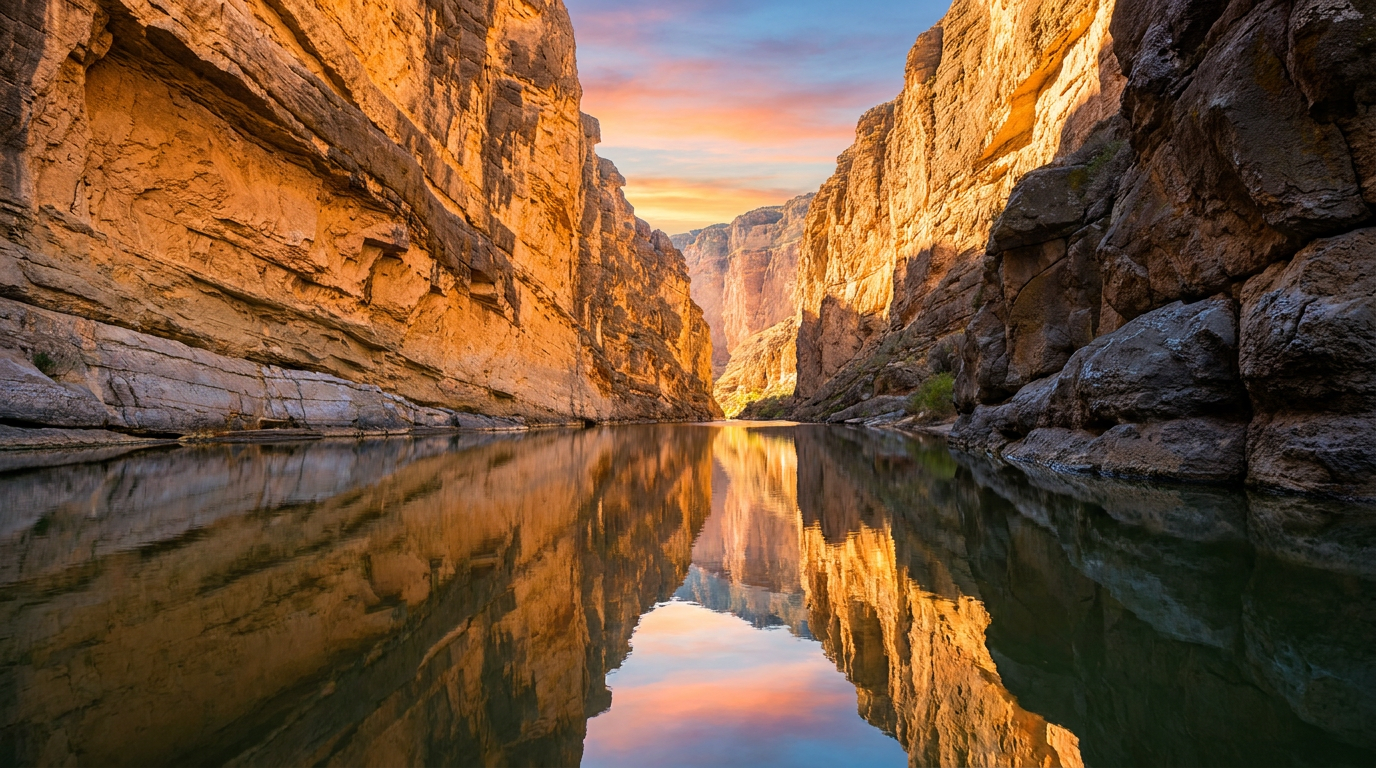
The Trump administration has officially bypassed dozens of federal environmental and historical preservation laws to expedite the construction of border barriers and patrol roads through Big Bend National Park. The sweeping regulatory waiver, published this week in the Federal Register by the Department of Homeland Security, applies to more than 100 miles of the U.S.-Mexico border in West Texas. It marks the first time in American history that the federal government has suspended the National Park Service Organic Act—the foundational 1916 law mandating that parks be preserved "unimpaired"—to build security infrastructure inside a national park.[1][2][6][7]
Homeland Security Secretary Markwayne Mullin wrote in the notice that casting aside the regulations was necessary to "ensure the expeditious construction of barriers and roads" along the southern border. The waiver nullifies the National Environmental Policy Act, the Endangered Species Act, the Clean Water Act, and the Native American Graves Protection and Repatriation Act across the affected corridor. By invoking this authority, the administration avoids the years of environmental impact studies and public comment periods typically required for major federal construction projects on protected public lands.[1][2][4][7]
The infrastructure push in the remote Chihuahuan Desert is being funded by a $46.5 billion border security package passed by Congress last year. In recent weeks, the Department of Homeland Security has awarded massive contracts to private construction firms to execute the work. This includes a $1.7 billion contract to Southwest Valley Constructors for border work in the Big Bend sector, and a record-breaking $2.6 billion contract to Fisher Sand & Gravel for the Lower Canyons stretch of the Rio Grande, just east of the national park.[2][5][7]

While the sheer scale of the funding has alarmed conservationists, U.S. Customs and Border Protection (CBP) maintains that it will not build a towering 30-foot steel bollard wall directly inside Big Bend National Park or the adjacent Big Bend Ranch State Park. Instead, the agency's current plans for the park—dubbed the "Big Bend 4" project—call for 17 miles of four-foot-tall metal vehicle barriers, extensive surveillance technology, and the upgrading of unpaved patrol roads.[1][3]
CBP officials argue that the vehicle barriers, which consist of metal posts and a crossbeam, are designed to stop cars and trucks from entering the United States while still allowing wildlife and water to pass through. The agency has also pledged not to use high-intensity lighting or infrared illuminators on park land to preserve the region's famous dark skies. However, critics note that the language of the waiver itself is broad enough to authorize the full suite of border infrastructure, including fencing, lighting, and sensors, regardless of current CBP maps.[1][3][4][7]
The agency has also pledged not to use high-intensity lighting or infrared illuminators on park land to preserve the region's famous dark skies.
The decision has sparked fierce backlash from environmental groups, public land advocates, and former park officials. Six former superintendents of Big Bend National Park recently penned a joint letter to Secretary Mullin, urging him to abandon the waiver and warning that the infrastructure would permanently scar the roadless canyon country. Laiken Jordahl, a public lands advocate with the Center for Biological Diversity, called the waiver a "death warrant for this wild and beautiful place," accusing the administration of paving over natural heritage to benefit billionaire contractors.[1][2][3][6][7]
On Thursday, the Center for Biological Diversity, alongside local landowners, amended an existing federal lawsuit against the Department of Homeland Security to challenge the constitutionality of the national park waiver. The plaintiffs argue that stripping the National Park Service Organic Act without explicit congressional authorization is an illegal overreach of executive power that threatens the core mission of the park system.[8]
Beyond the legal arguments, opponents question the strategic necessity of heavily fortifying the Big Bend sector. The 800,000-acre park is characterized by rugged mountains, deep canyons, and extreme desert heat, making it one of the most hostile environments for unauthorized crossings. According to federal data, the 500-mile Big Bend sector accounts for just 1.3% of total nationwide migrant apprehensions, with the national park itself accounting for a mere 0.045% of total apprehensions in 2025.[2][4][8]

Despite the low crossing numbers, border security advocates and administration officials argue that leaving the Big Bend corridor unfortified creates a vulnerability that cartels and human smugglers will eventually exploit as other sections of the border are sealed. They view the vehicle barriers and sensor networks as a necessary, preemptive compromise that secures the perimeter without erecting a solid wall through the Rio Grande floodplain.[2][3][4]
Legislative efforts to halt the project have so far failed to gain traction. On Wednesday, a proposal introduced by Representative Henry Cuellar (D-Laredo) that would have barred the Trump administration from using federal funds to build barriers inside the national park died in the U.S. House Appropriations Committee. The GOP-controlled panel rejected the amendment along party lines, arguing that taking the construction option off the table by law was an irresponsible approach to national security.[4]
Meanwhile, the reality of the impending construction is already altering the landscape of West Texas. Shipments of steel bollards have begun arriving in the broader region, and at least one "man camp" housing facility for construction workers is being developed south of Van Horn. While the heavy 30-foot walls are slated for areas outside the park boundaries, the influx of heavy machinery and personnel is expected to disrupt the remote communities that rely heavily on ecotourism.[2][5]

With contracts signed and environmental laws suspended, CBP has indicated that installation of the border panels and barriers in the Big Bend region is scheduled to begin in late summer or early fall. As the heavy equipment rolls toward the Rio Grande, the legal battle over the future of Texas's most iconic wilderness is racing against the clock in federal court.[5][8]
How we got here
2025
Congress passes a $46.5 billion border security funding package, supercharging infrastructure plans along the southern border.
February 2026
Customs and Border Protection publishes a map indicating a physical border wall planned for Big Bend's river frontage, sparking public outcry.
May 2026
The Department of Homeland Security awards $4.3 billion in contracts for border construction in the Big Bend region.
June 8, 2026
DHS officially publishes waivers in the Federal Register, bypassing dozens of environmental laws to fast-track construction in the park.
June 10, 2026
A congressional amendment aimed at blocking federal funding for the Big Bend barrier fails in a House committee.
Viewpoints in depth
The Administration & Border Security Advocates
Argue that waiving regulations is a necessary step to close vulnerabilities and secure the entire southern border.
Proponents of the waivers, including DHS leadership and GOP lawmakers, maintain that cartels and human smugglers exploit any unfortified stretch of the border, regardless of how remote or hostile the terrain is. They argue that the standard environmental review process is too slow and frequently weaponized by activists to stall critical national security projects. By opting for vehicle barriers and sensors inside the park rather than a 30-foot wall, they believe they have struck a reasonable compromise between security and conservation.
Environmental & Public Land Defenders
Warn that the waivers set a dangerous precedent and will cause irreversible ecological damage.
Conservation groups and former park officials argue that suspending the National Park Service Organic Act fundamentally undermines the purpose of America's public lands. They point out that the heavy machinery, unpaved patrol roads, and artificial lighting will fragment fragile habitats, threaten endangered species like the desert bighorn sheep, and destroy the park's famous dark skies. Furthermore, they contend that the massive expenditure is unjustified given that the Big Bend sector sees a fraction of a percent of total border crossings.
Local Ecotourism Communities
Fear that industrializing the park's border will devastate the region's recreation-based economy.
Residents and business owners in remote West Texas towns like Terlingua and Marfa rely heavily on the half-million tourists who visit Big Bend annually to hike, camp, and float the Rio Grande. Local advocates worry that transforming the pristine wilderness into a militarized zone with "man camps," heavy construction traffic, and visible border barriers will deter visitors. For these communities, the park's untouched isolation is its primary economic engine, and they view the federal intervention as a direct threat to their livelihoods.
What we don't know
- How the federal courts will rule on the lawsuit challenging the executive branch's authority to waive the National Park Service Organic Act.
- Exactly how the installation of vehicle barriers and patrol roads will impact the migration patterns of endangered species like the desert bighorn sheep.
- Whether the influx of construction equipment and personnel will lead to a measurable decline in Big Bend's ecotourism economy.
Key terms
- National Park Service Organic Act
- A 1916 federal law that established the National Park Service and mandated that all national parks be preserved unimpaired for future generations.
- Vehicle Barrier
- A physical obstacle, typically made of low metal posts and a crossbeam, designed to stop cars and trucks while allowing wildlife and water to pass underneath.
- Bollard Wall
- A type of border fencing made of thick, closely spaced vertical steel posts, commonly used in modern U.S. border security projects.
- National Environmental Policy Act (NEPA)
- A foundational U.S. environmental law that requires federal agencies to assess and disclose the environmental impacts of their proposed actions before making decisions.
Frequently asked
Will there be a 30-foot wall inside Big Bend National Park?
No. While 30-foot steel bollard walls are planned for adjacent areas, Customs and Border Protection says it will only install 4-foot vehicle barriers, sensors, and patrol roads inside the national park itself.
Why were the environmental laws waived?
The Department of Homeland Security used its executive authority to bypass dozens of laws, including the Endangered Species Act, to avoid lengthy environmental reviews and speed up construction.
How many migrants cross through the national park?
Historically, very few. The harsh desert terrain makes crossing difficult, and the park accounted for just 0.045% of total nationwide border apprehensions in 2025.
Can the waivers be stopped?
Environmental groups have filed a federal lawsuit challenging the constitutionality of waiving the National Park Service Organic Act, but a recent congressional attempt to block funding for the project failed.
Sources
Source coverage
8 outlets
3 viewpoints surfaced








[1]AP NewsLocal Ecotourism Communities
Trump administration will bypass environmental laws for border project in Big Bend National Park
Read on AP News →[2]The GuardianEnvironmental & Conservation Groups
‘It’s massive destruction’: outcry in Texas over waivers to allow border wall in Big Bend national park
Read on The Guardian →[3]Fox 7 AustinBorder Security Advocates
Big Bend will see vehicle barriers, not walls along southern border
Read on Fox 7 Austin →[4]The Texas TribuneBorder Security Advocates
Proposed ban on Big Bend border wall fails in U.S. House funding panel
Read on The Texas Tribune →[5]Marfa Public RadioLocal Ecotourism Communities
Construction start nears for Big Bend area border wall
Read on Marfa Public Radio →[6]San Antonio CurrentEnvironmental & Conservation Groups
Trump administration waives environmental laws for Big Bend border wall construction
Read on San Antonio Current →[7]National Parks TravelerLocal Ecotourism Communities
Trump Administration Waives Environmental Laws To Allow Border Wall In Big Bend National Park
Read on National Parks Traveler →[8]Center for Biological DiversityEnvironmental & Conservation Groups
Lawsuit Expanded to Challenge Border Barrier Construction Through Big Bend National Park
Read on Center for Biological Diversity →
More in news politics
See all 154 stories →Media Consolidation
DOJ Approves $111 Billion Paramount-Warner Bros. Merger, Reshaping Media Landscape
9 sources

Tren de Aragua
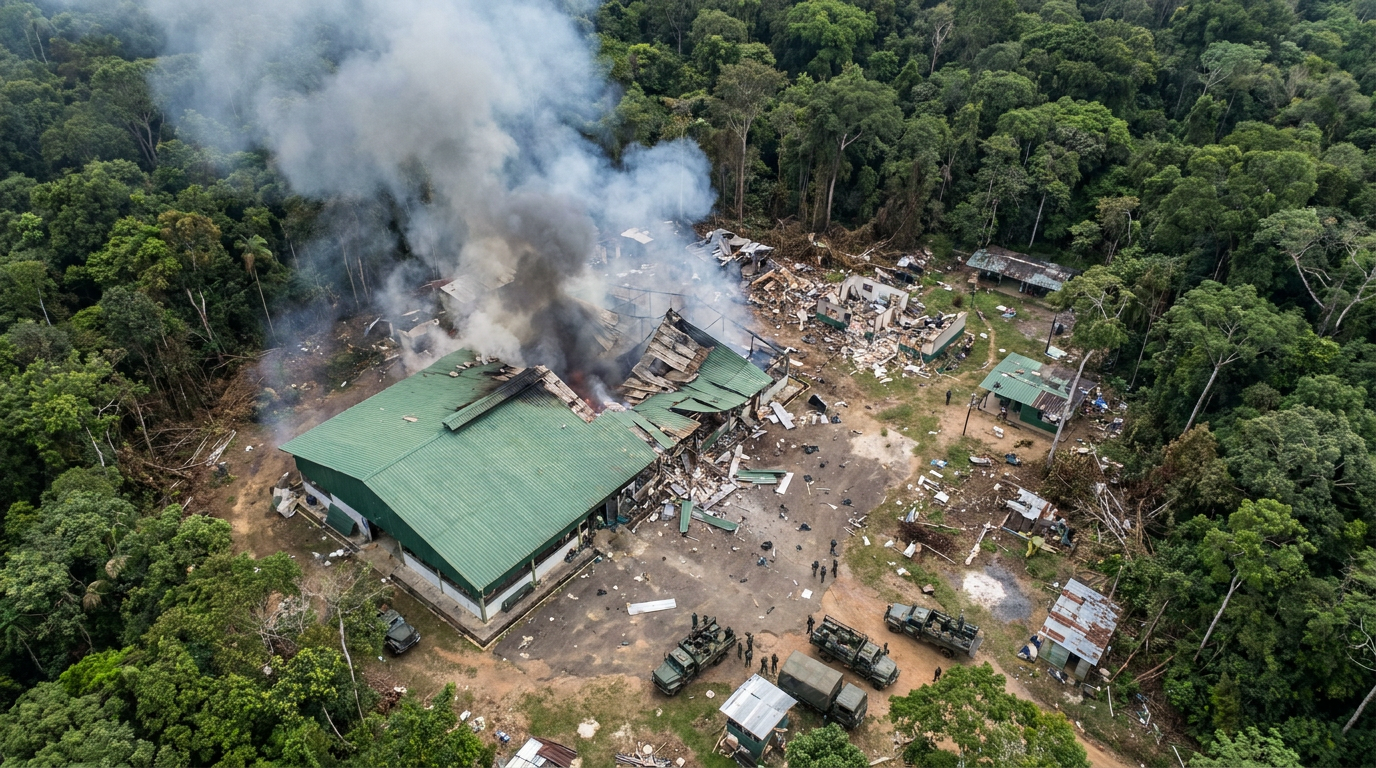
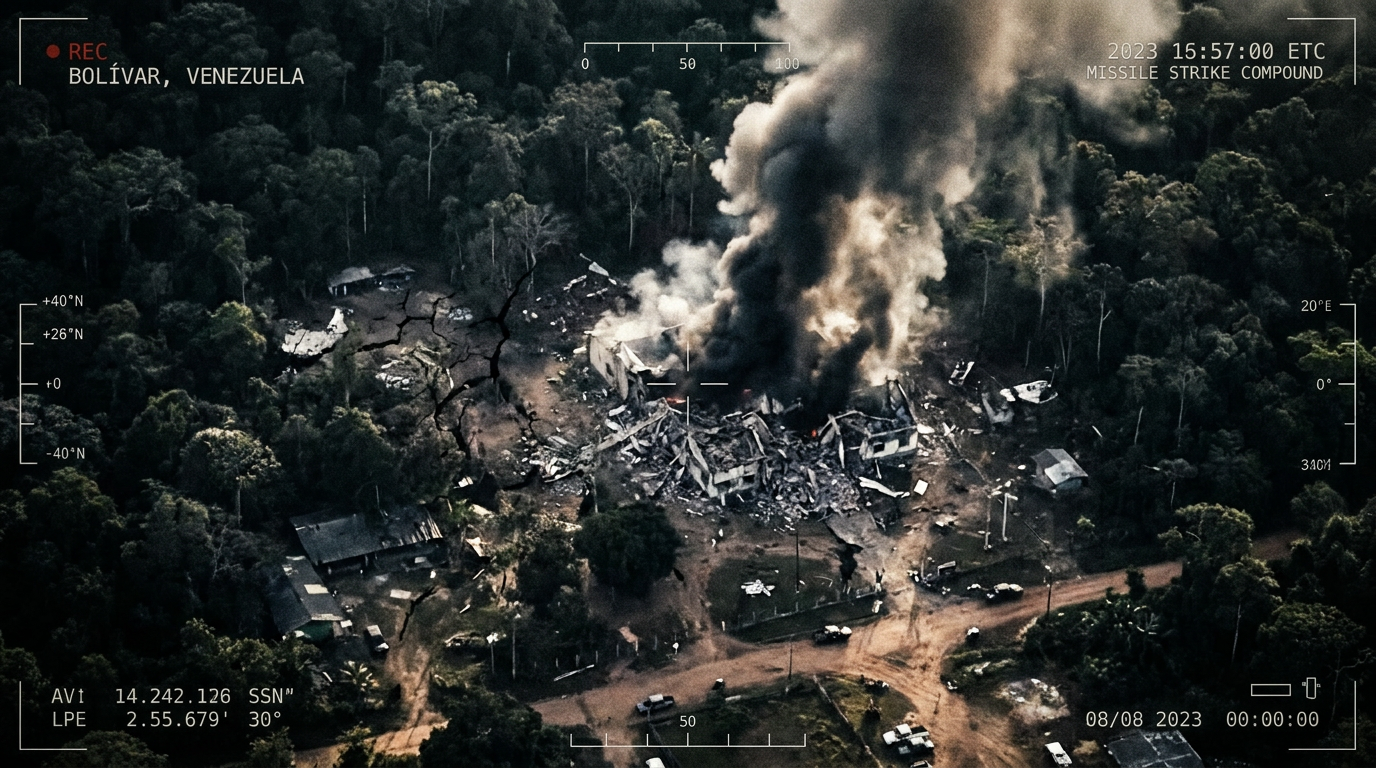
U.S. Military Strike in Venezuela Kills Tren de Aragua Leader Niño Guerrero
7 sources
Tren de Aragua
U.S. Military Strike in Venezuela Kills Tren de Aragua Leader Niño Guerrero
7 sources
Information Integrity
The 'Mind Vaccine': How Prebunking is Winning the War Against Misinformation
6 sources

Every angle. Every day.
Get news politics stories with full source coverage and perspective breakdowns delivered to your inbox.