
Triathlon Injury Report: Lucy Charles-Barclay Returns to the Podium as Stars Battle Back
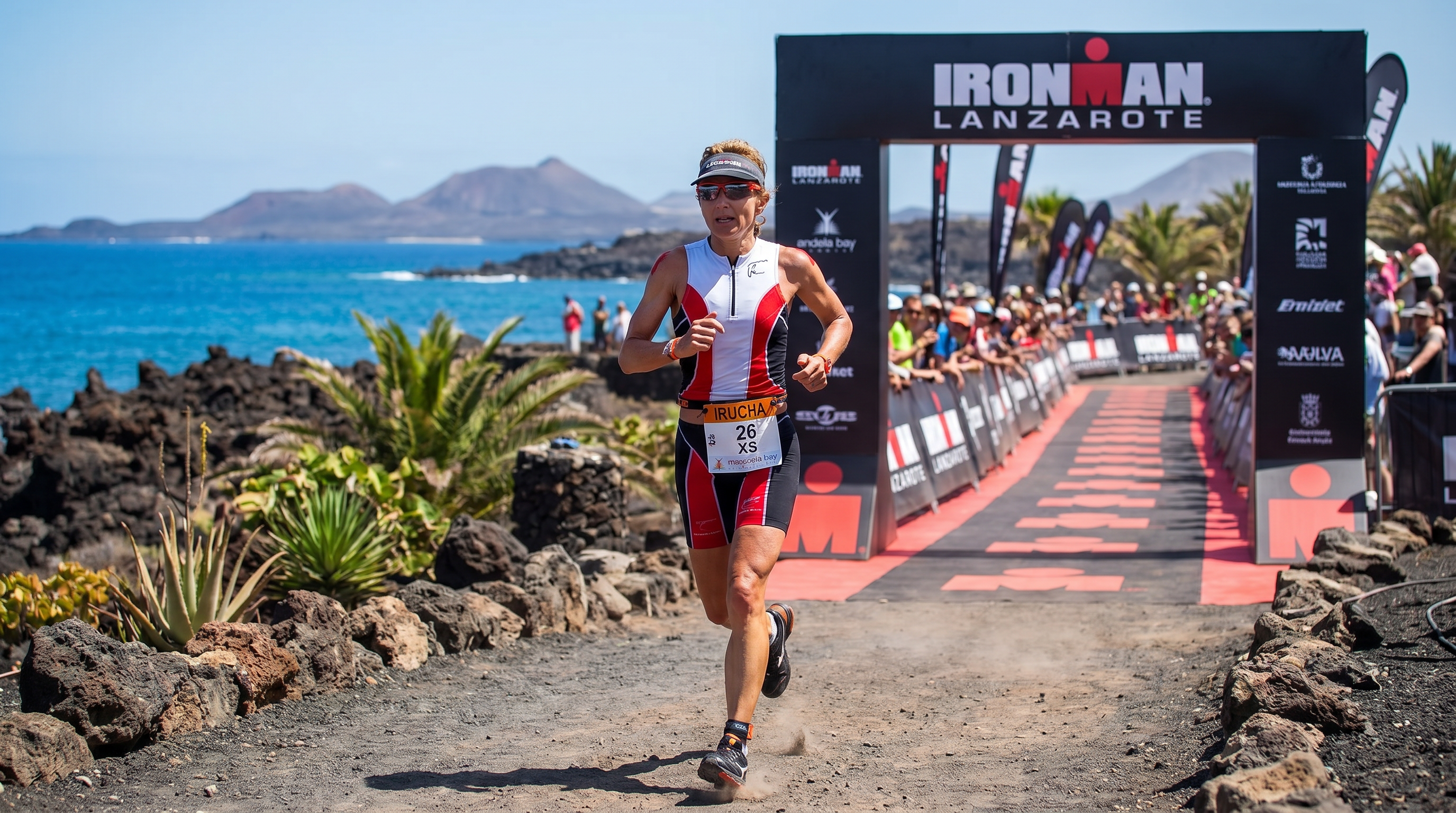
Reigning Ironman 70.3 World Champion Lucy Charles-Barclay has made a triumphant return to racing with a victory at Ironman Lanzarote, headlining a wave of major triathletes successfully overcoming severe injuries in the 2026 season.
By Omar Haddad
- Rehabilitating Athletes
- Athletes navigating the physical and mental hurdles of returning to elite competition.
- Coaches and Medical Teams
- Professionals managing training loads and surgical interventions to ensure long-term athlete health.
- Triathlon Media & Analysts
- Observers tracking the impact of injuries on world rankings and championship outcomes.
Why this matters
In a grueling endurance sport where severe tendon and bone injuries routinely end careers, these high-profile recoveries demonstrate breakthroughs in sports medicine and rehab protocols. Their successful returns offer a blueprint and hope for age-group athletes facing similar physical setbacks.
Key points
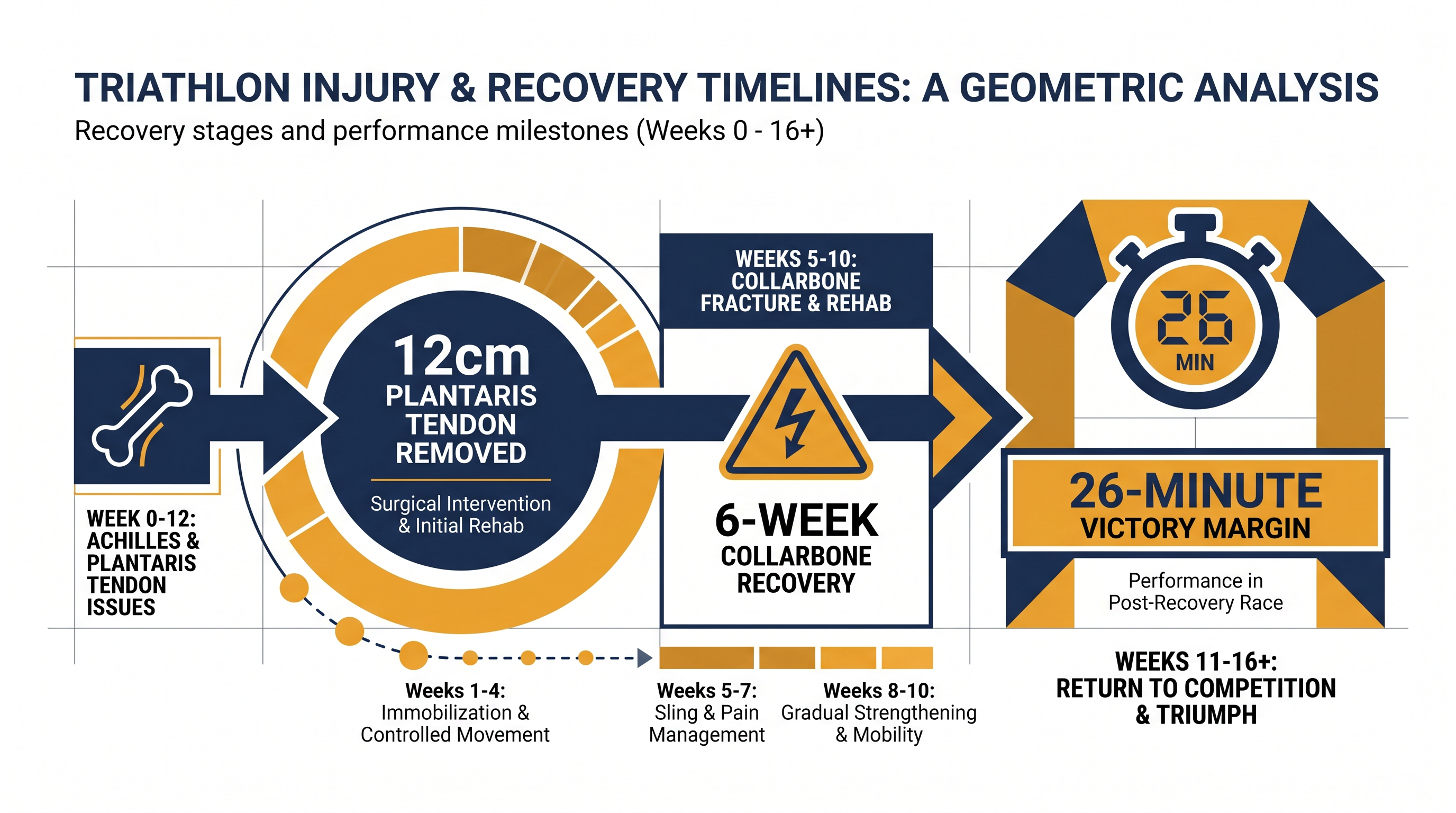
- Lucy Charles-Barclay won Ironman Lanzarote by 26 minutes just months after undergoing surgery to remove 12cm of her plantaris tendon.
- Former Ironman World Champion Gustav Iden delayed his 2026 season start to properly rehabilitate a lingering ankle sprain.
- Olympic gold medalist Flora Duffy continues to battle severe patellar tendinopathy, utilizing PRP injections to avoid retirement.
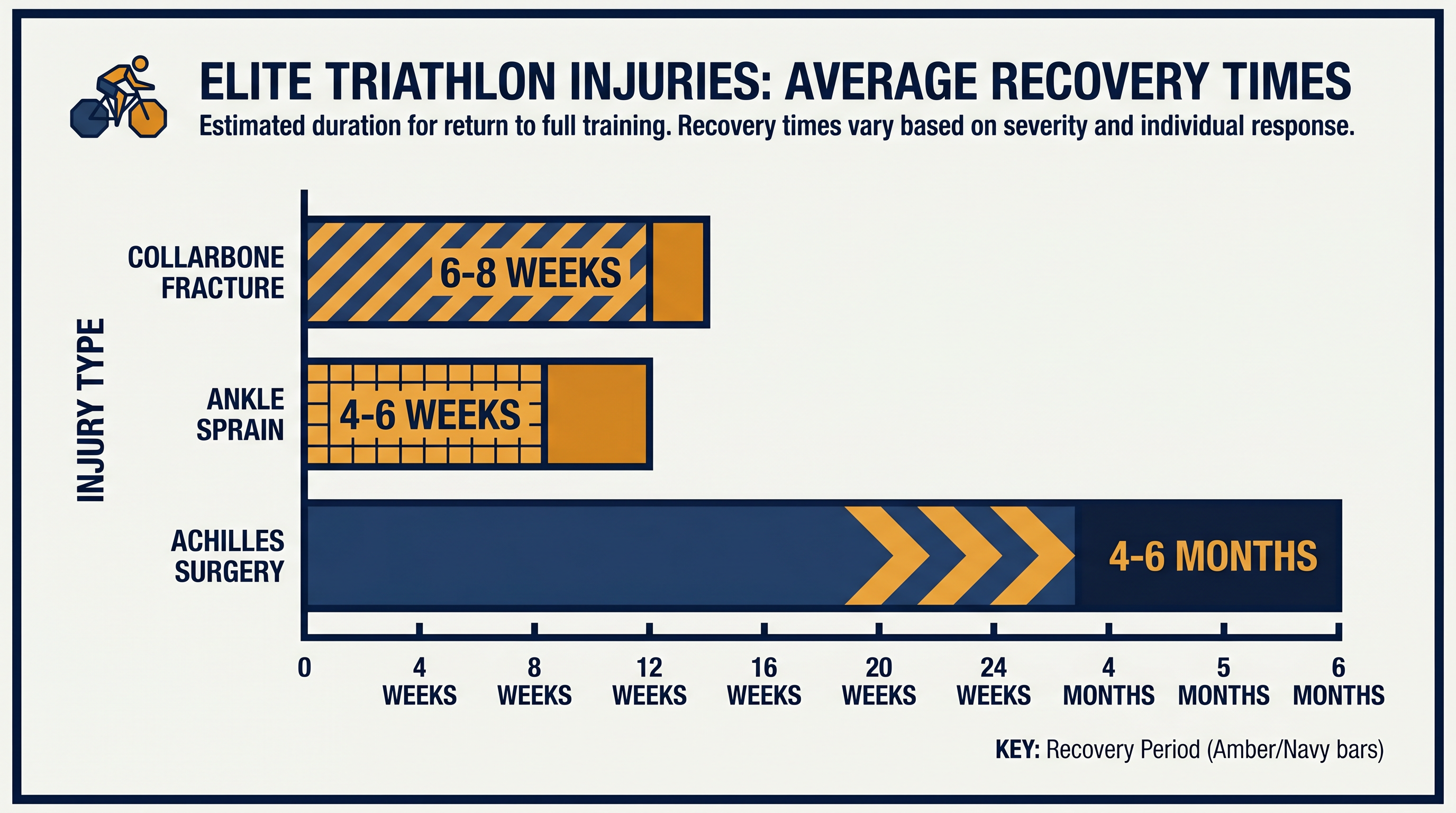
- USA's Reese Vannerson successfully returned to World Cup racing just six weeks after breaking his collarbone in a bike crash.
- Advanced sports medicine and rehab protocols are allowing triathletes to extend their careers despite severe structural injuries.
The grueling demands of elite triathlon inevitably take a severe toll on the human body, but the 2026 season is proving that major injuries are no longer a career death knell. Reigning Ironman 70.3 World Champion Lucy Charles-Barclay cemented her comeback in spectacular fashion this month, taking the victory at Ironman Lanzarote.[1]
The British star crossed the finish line a full 26 minutes ahead of the field, validating her spot for the Ironman World Championship in Kona. The dominant performance was a far cry from her status just four months prior, when she was forced to undergo surgery at the Fortius Clinic in London to save her season.[1]
In late January, Charles-Barclay had 12 centimeters of her plantaris tendon removed. The largely obsolete tendon had thickened to the point where it was aggressively rubbing against her Achilles, causing severe irritation whenever she attempted speedwork.[1][2]
Following the procedure, she spent weeks in a protective boot, relying heavily on upper-body gym work and eventual swimming to maintain her fitness. "Getting back into swimming and really pushing that fast-tracked my recovery," she noted after her Lanzarote win, emphasizing that the surgery was a difficult but necessary choice to add longevity to her career.[1][2]
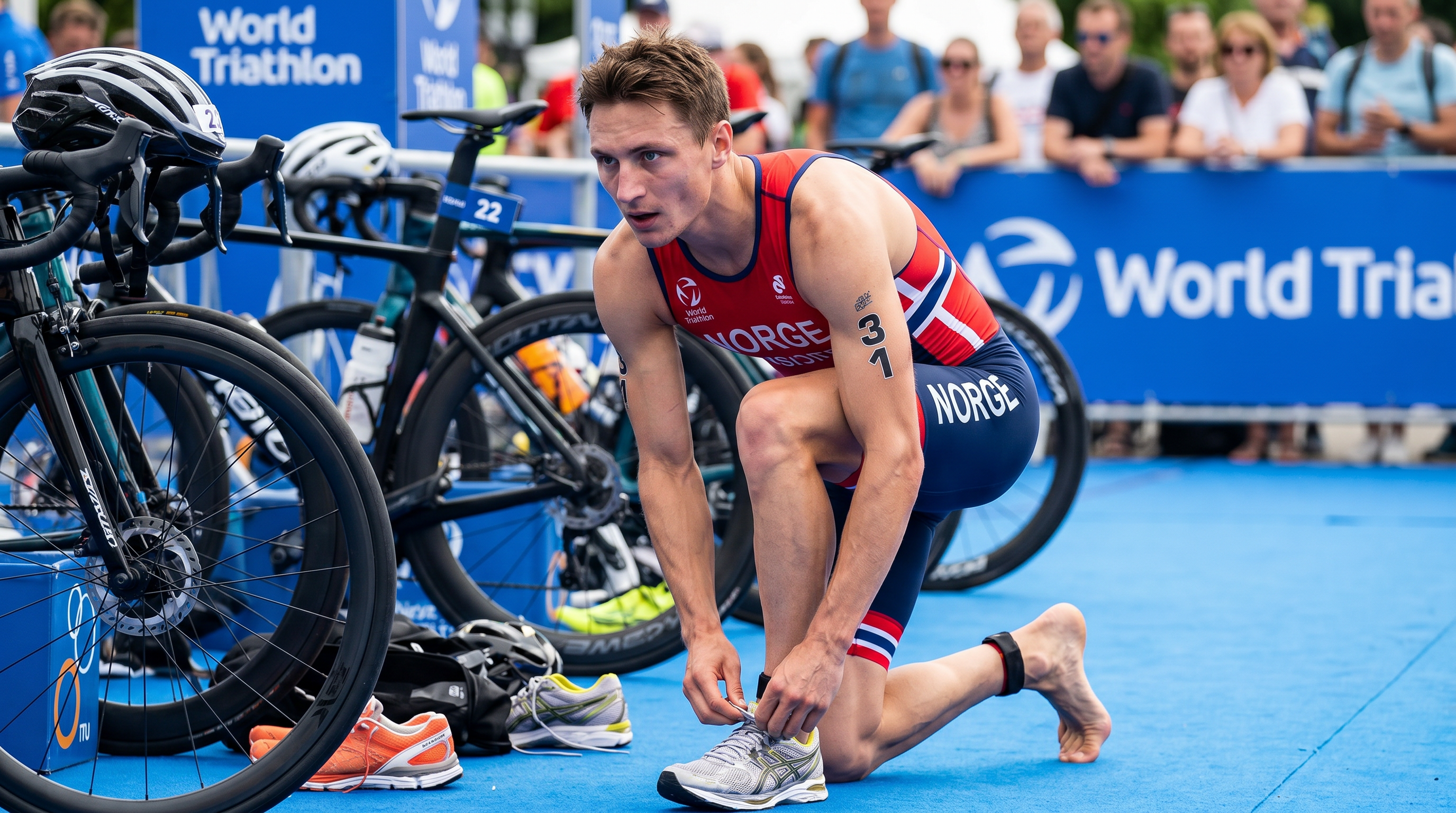
Charles-Barclay is not the only world champion navigating the treacherous waters of physical rehabilitation. Norwegian powerhouse Gustav Iden, the 2022 Ironman World Champion, was forced to delay his 2026 season start after suffering an ankle sprain.
Iden had initially planned to open his year on the Oceania tour, targeting Ironman New Zealand and Ironman 70.3 Geelong in March. However, the lingering effects of the sprain prompted him to withdraw, stating that the joint was "still not 100%."
The cautious approach reflects a broader shift in how elite triathletes manage their bodies. Iden, who previously battled a severe Achilles tendon injury that derailed his 2024 campaign, opted to prioritize long-term health over early-season points, targeting a return during the North American racing block.
The cautious approach reflects a broader shift in how elite triathletes manage their bodies.
Meanwhile, Bermudian Olympic gold medalist Flora Duffy continues her grueling battle with patellar tendinopathy. The injury, which first surfaced after the 2022 Commonwealth Games, developed into a partial tear that severely limited her ability to run.
Duffy underwent multiple platelet-rich plasma (PRP) injections and shockwave therapy in an attempt to heal the stubborn knee issue. The prolonged absence took a heavy mental toll, with the five-time Olympian admitting she contemplated retirement during the darkest months of her rehab.
Despite the setbacks, Duffy remains hopeful for a return to the top tier of the sport. "One part of me thinks I still have some good racing left in me if I can get some training," she stated, noting that she is taking a measured approach and may even explore mountain bike events as her recovery progresses.
On the shorter-course circuit, the resilience of the younger generation has been equally remarkable. USA Triathlon National Team athlete Reese Vannerson suffered a broken collarbone during a high-speed bike crash at a World Cup event in Haikou, China.
Collarbone fractures are notoriously difficult for triathletes, as overhead swimming movements take the longest to rebuild comfortably. Yet, through aggressive physical therapy three times a week, Vannerson was back on a World Triathlon start line in Chengdu just six weeks after the crash.
Vannerson's rapid return mirrors the miraculous 2025 comeback of New Zealand's Hayden Wilde. After puncturing a lung and breaking multiple ribs and his scapula in a training crash, Wilde returned to racing within three months and ultimately captured the T100 world title.
These high-profile recoveries highlight a significant evolution in triathlon sports medicine. Advanced diagnostics, targeted surgical interventions, and specialized therapies like blood flow restriction are allowing athletes to return from structural damage that would have forced early retirements a decade ago.[1]
For the global triathlon community, from age-group amateurs to the elite ranks, the message of the 2026 season is clear. The comeback trail is agonizing and fraught with setbacks, but with patience and modern rehab protocols, a return to the pinnacle of the sport is entirely within reach.[1]
How we got here
Late 2022
Flora Duffy first begins experiencing the patellar tendinopathy that would eventually sideline her.
2025
Hayden Wilde suffers a devastating crash, breaking his scapula, but returns to win the T100 world title.
January 2026
Lucy Charles-Barclay undergoes surgery in London to remove a thickened plantaris tendon.
February 2026
Gustav Iden withdraws from the Oceania racing block due to an ankle sprain.
May 2026
Reese Vannerson returns to World Cup racing six weeks after a collarbone fracture.
June 2026
Charles-Barclay dominates Ironman Lanzarote, securing her qualification for Kona.
Viewpoints in depth
Medical & Rehab Specialists
Focusing on longevity and advanced recovery protocols over immediate return to play.
Sports medicine professionals treating elite triathletes increasingly advocate for surgical interventions that prioritize career longevity over short-term racing goals. As seen in Charles-Barclay's decision to remove a problematic plantaris tendon, specialists are moving away from endless conservative management when structural issues arise. They emphasize that modern techniques, combined with cross-training modalities like aqua jogging and blood flow restriction therapy, allow athletes to maintain cardiovascular engines while protecting healing tissues.
Elite Athletes
Balancing the psychological toll of injury with the drive to compete.
For the athletes, the injury experience is as much a psychological battle as a physical one. Flora Duffy's candid admission of feeling 'guilty' for not delivering results highlights the immense pressure professionals face when sidelined. The modern elite triathlete must navigate the delicate balance between listening to their body's limits and pushing through the inevitable discomfort of rehabilitation, often redefining their relationship with the sport in the process.
What we don't know
- Whether Flora Duffy's knee will recover sufficiently to allow her to compete at the absolute pinnacle of the T100 tour again.
- How Gustav Iden's ankle will hold up under the grueling marathon pace required to win another Ironman World Championship.
Key terms
- Plantaris tendon
- A thin, largely obsolete tendon in the calf that can sometimes thicken and cause severe irritation by rubbing against the Achilles tendon.
- Patellar tendinopathy
- An injury to the tendon connecting the kneecap to the shinbone, common in sports involving repetitive high-impact force like running.
- Platelet-rich plasma (PRP) injection
- A medical treatment that uses a concentration of a patient's own platelets to accelerate the healing of injured tendons, ligaments, or muscles.
- Blood flow restriction therapy
- A rehabilitation technique that involves applying a tourniquet to a limb during exercise to stimulate muscle growth and strength without placing heavy loads on the joints.
Frequently asked
What surgery did Lucy Charles-Barclay have?
She had a 12-centimeter section of her plantaris tendon removed because it was thickened and rubbing against her Achilles tendon, causing severe pain during speedwork.
Is Flora Duffy retiring from triathlon?
While she admitted to contemplating retirement due to a prolonged knee injury, Duffy remains hopeful and is actively rehabbing with the goal of returning to top-level racing.
How fast did Reese Vannerson recover from his broken collarbone?
Vannerson returned to the World Triathlon Cup start line in Chengdu just six weeks after breaking his collarbone in a bike crash.
Sources
Source coverage
2 outlets
3 viewpoints surfaced


[1]220 TriathlonRehabilitating Athletes
Lucy Charles-Barclay on recovering from surgery and winning Ironman Lanzarote
Read on 220 Triathlon →[2]TRI247Rehabilitating Athletes
Reigning 70.3 World Champion Lucy Charles-Barclay 'back in a boot' after surgery
Read on TRI247 →

Every angle. Every day.
Get sports stories with full source coverage and perspective breakdowns delivered to your inbox.