
The Ventless Revolution: How Heat Pump Dryers Are Changing Laundry
Ventless heat pump dryers use up to 60% less energy than traditional models and can be installed anywhere, making them a game-changer for modern homes.
By Factlen Editorial Team
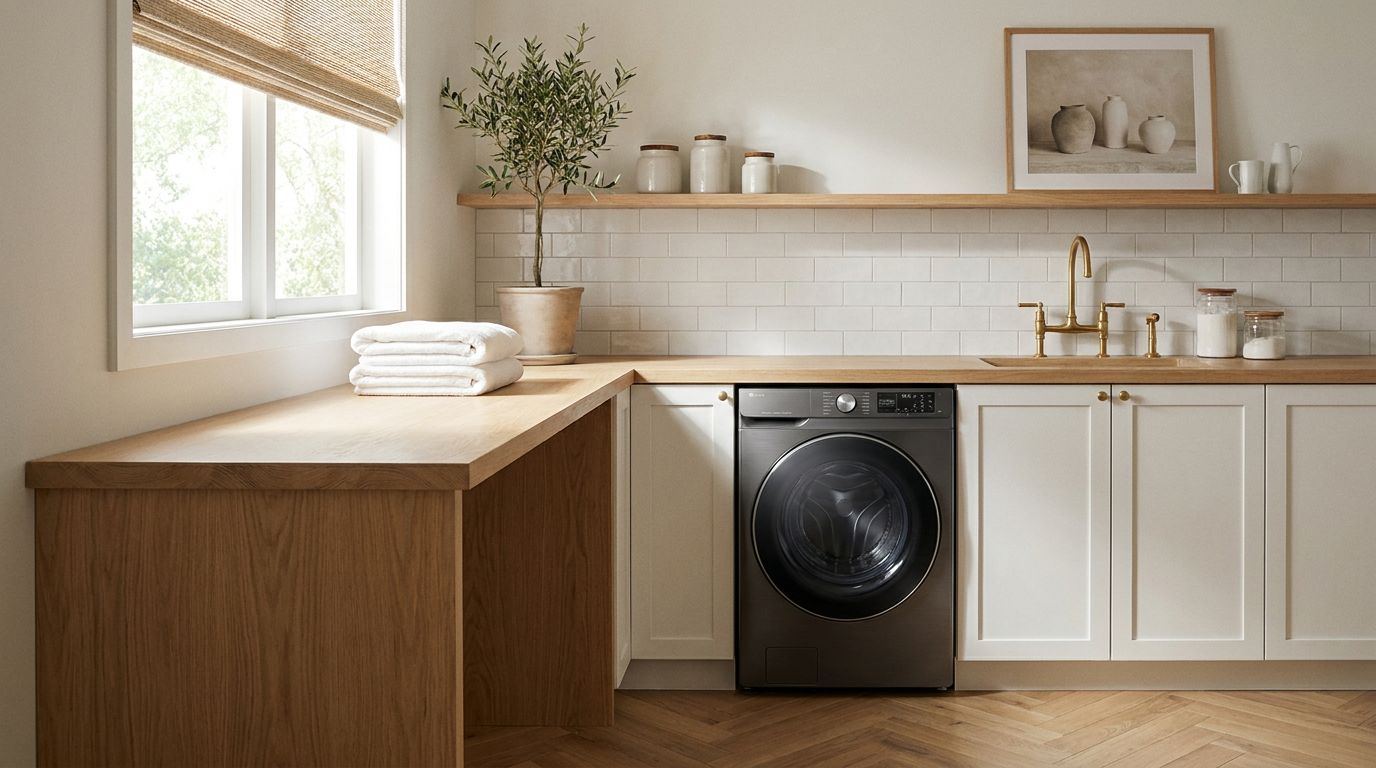
- Eco-Conscious Consumers
- Focused on reducing carbon footprints and maximizing household energy efficiency.
- Apartment Dwellers & Renovators
- Focused on the flexibility of ventless installation and standard electrical requirements.
- Traditionalists & Large Families
- Focused on speed, upfront affordability, and the ability to process multiple loads quickly.
What's not represented
- · Appliance Repair Technicians
- · Utility Grid Operators
Why this matters
By recycling heat instead of venting it outside, these appliances drastically cut electricity bills, reduce carbon footprints, and allow renters and homeowners to install laundry units in closets or apartments without external ducting.
Key points
- Traditional vented dryers are highly inefficient, wasting energy by blowing heated air outside.
- Heat pump dryers use a closed-loop system to recycle hot air, cutting electricity use by up to 60%.
- Because they are ventless, heat pump models can be installed in closets, apartments, or interior rooms.
- Many modern units plug into a standard 120-volt outlet, avoiding expensive 240-volt electrical upgrades.
- The lower drying temperatures protect delicate fabrics from shrinkage, though cycle times are longer.
- All-in-one combo units allow users to wash and dry clothes in a single machine without transferring loads.
For decades, the laundry room has harbored one of the most energy-intensive appliances in the modern home. The traditional vented clothes dryer is a simple, reliable workhorse, but its basic design makes it a massive consumer of electricity. As utility rates climb and households look for ways to reduce their carbon footprints, the standard dryer has become a prime target for innovation.[1]
Enter the heat pump dryer. While the technology has been popular in Europe for years, it is now rapidly becoming the standard for new appliance purchases globally. By fundamentally changing how moisture is removed from fabrics, these machines promise to slash energy consumption, protect delicate clothing, and eliminate the need for external venting entirely.[2]
To understand why heat pump dryers are revolutionary, it helps to look at the flaws of the traditional vented model. A standard dryer operates like a giant hair dryer: it pulls in ambient room air, heats it using an electric element or gas burner, and tumbles the clothes through this hot air to evaporate moisture.[7]
The critical inefficiency of the vented dryer lies in its exhaust. Once that air becomes hot and humid, the machine simply blows it out through a duct in the wall. Not only does this waste all the energy used to heat the air, but it also creates a vacuum effect in the home, pulling conditioned air—which you have already paid to heat or cool—out of your living space and replacing it with drafty outside air.[7]

Heat pump dryers solve this problem by operating as a closed-loop system. Instead of constantly generating new heat and throwing it away, they recycle it. The technology works essentially like a refrigerator or air conditioner running in reverse, using a refrigerant system to move heat rather than creating it from scratch with a raw heating element.[3]
Inside a heat pump dryer, warm air is circulated through the wet clothes to absorb moisture. But instead of venting that humid air outside, the machine passes it through an evaporator coil. The coil rapidly cools the air, causing the moisture to condense into water, which is then drained away or collected in a tank. The now-dry air is reheated by the condenser coil and sent right back into the drum to continue the cycle.[1][7]
Because the system reuses the same air and leverages the high efficiency of a heat pump, the energy savings are dramatic. Heat pump dryers typically consume 50% to 60% less electricity than their traditional vented counterparts. This makes them one of the most impactful upgrades a household can make to lower its overall energy footprint.[4][5]

Because the system reuses the same air and leverages the high efficiency of a heat pump, the energy savings are dramatic.
While the upfront purchase price of a heat pump dryer is generally higher, the long-term financial payoff is substantial. Most households save between $50 and $100 per year on their electricity bills. Over the 10- to 15-year lifespan of the appliance, these savings can easily offset the initial premium, especially when combined with local energy efficiency rebates and tax incentives.[5]
Beyond energy efficiency, the ventless nature of these machines offers unprecedented flexibility for home design. Because they do not require a four-inch exhaust duct routed to the exterior of the building, heat pump dryers can be installed virtually anywhere. They are ideal for apartments, condos, interior closets, or under kitchen counters where traditional venting is impossible or prohibitively expensive.[6]
This flexibility is further enhanced by the electrical requirements. Many compact heat pump dryers, and increasingly popular all-in-one combo units, are designed to plug into a standard 120-volt household outlet. This allows homeowners to add laundry facilities to a guest suite or bathroom without paying an electrician to run a dedicated 240-volt line.[6]

The rise of the heat pump has also fueled the popularity of the all-in-one washer-dryer combo. By integrating a ventless heat pump dryer into the same drum as a front-loading washing machine, manufacturers have created a single appliance that handles the entire laundry process from start to finish.[6]
For many users, the combo machine fundamentally changes the chore of laundry. Instead of waiting around to transfer wet clothes from the washer to the dryer, users can simply load the machine before leaving for work or going to bed, and return hours later to clean, dry laundry. It transforms an active, multi-step chore into a passive, single-step process.[8]
However, the technology does come with trade-offs, the most notable being time. Because heat pump dryers operate at significantly lower temperatures than traditional vented models, the drying process takes longer. A cycle that might take 45 minutes in a vented dryer can take an hour and a half or more in a heat pump model.[3]
While the longer cycle times require a slight adjustment in laundry habits, the lower operating temperatures offer a hidden benefit: superior fabric care. Traditional dryers blast clothes with high heat, which breaks down fibers, fades colors, and causes shrinkage. The gentler, cooler environment of a heat pump dryer extends the lifespan of garments, preserving the quality of delicate fabrics over time.[4]

Maintenance is another area where heat pump dryers differ from traditional models. Because they do not blow lint outside, they rely on robust, often double-layered lint filters that must be cleaned regularly to maintain airflow. Additionally, users must occasionally clean the evaporator coils and, if the unit is not plumbed directly to a drain, empty the collected water from a reservoir tank after every few cycles.[6]
Despite these minor maintenance shifts, the environmental benefits are undeniable. By drastically reducing electricity consumption and eliminating the need for natural gas hookups, heat pump dryers align perfectly with the broader push toward home electrification and sustainable living. They represent a critical step in reducing residential greenhouse gas emissions.[2]
As the technology continues to mature and prices become more competitive, the traditional vented dryer may soon become a relic of the past. For consumers willing to embrace a slightly different approach to laundry, the heat pump dryer offers a compelling combination of lower utility bills, better clothing care, and the freedom to put a laundry room anywhere.[8]
How we got here
1997
The first heat pump clothes dryers are introduced to the European market, where high energy costs drive demand for efficiency.
2014
Heat pump dryers begin to enter the North American market, initially as niche, compact units for apartments.
2022
The US government passes the Inflation Reduction Act, introducing rebates that make heat pump appliances more affordable for homeowners.
2024
Major manufacturers release full-size, 120-volt all-in-one washer-dryer combos featuring heat pump technology, sparking widespread consumer adoption.
Viewpoints in depth
Eco-Conscious Consumers
Focused on reducing carbon footprints and maximizing household energy efficiency.
For environmental advocates and eco-conscious homeowners, the heat pump dryer is a crucial piece of the home electrification puzzle. By cutting energy use by up to 60% and eliminating the need for natural gas hookups, these appliances drastically reduce a home's greenhouse gas emissions. This camp views the higher upfront cost and longer drying times as minor inconveniences compared to the long-term environmental benefits and alignment with sustainable living goals.
Apartment Dwellers & Renovators
Focused on the flexibility of ventless installation and standard electrical requirements.
Renters, condo owners, and home renovators champion heat pump technology primarily for its logistical freedom. Because these units do not require a four-inch hole cut into an exterior wall for venting, and often run on standard 120-volt outlets, they allow laundry facilities to be placed in closets, under kitchen counters, or in guest suites. For this group, the technology solves a major architectural constraint, making in-unit laundry accessible in spaces where it was previously impossible.
Traditionalists & Large Families
Focused on speed, upfront affordability, and the ability to process multiple loads quickly.
Skeptics of heat pump dryers often include large families who need to process massive amounts of laundry in a single day. For this camp, the longer cycle times of a heat pump dryer are a significant bottleneck. Additionally, the higher initial purchase price and the need for regular maintenance—such as cleaning secondary lint filters and evaporator coils—make the traditional, fast-drying, low-maintenance vented dryer a more practical choice for their high-volume needs.
What we don't know
- How quickly the upfront manufacturing costs of heat pump dryers will drop to achieve price parity with traditional vented models.
- Whether the long-term reliability and repair costs of the more complex heat pump systems will match the decades-long durability of simple vented dryers.
Key terms
- Heat Pump
- A highly efficient technology that uses refrigerants to transfer heat from one place to another, rather than generating heat from scratch using an electric element.
- Closed-Loop System
- A system that continuously recycles the same air inside the machine to dry clothes, rather than pulling in fresh air and blowing the heated air outside.
- Ventless Dryer
- A clothes dryer that does not require an exhaust duct cut into the wall of the home, allowing it to be installed in closets, apartments, or interior rooms.
- Evaporator Coil
- A cold component inside the heat pump dryer that rapidly cools the humid air coming off the wet clothes, causing the moisture to condense into liquid water.
- All-in-One Combo
- A single appliance that combines a front-loading washing machine and a ventless heat pump dryer in the same drum, allowing clothes to be washed and dried without transferring them.
Frequently asked
Do heat pump dryers take longer to dry clothes?
Yes. Because they operate at lower, gentler temperatures to protect fabrics and save energy, a drying cycle can take 30 to 45 minutes longer than a traditional vented dryer.
Do I need a special electrical outlet for a heat pump dryer?
While some larger standalone models require a 240V outlet, many compact heat pump dryers and all-in-one combos are designed to plug directly into a standard 120V household outlet.
Where does the water go if there is no vent?
The moisture extracted from your clothes is condensed into water. This water is either pumped directly into your washing machine's drain pipe or collected in a built-in reservoir tank that you empty manually.
Do heat pump dryers heat up the room they are in?
They emit a small amount of ambient heat, but significantly less than a traditional dryer. Because they are a closed-loop system, they do not exhaust hot, humid air into your living space.
Sources
Source coverage
8 outlets
3 viewpoints surfaced







[1]CHOICEEco-Conscious Consumers
What is a heat pump dryer and how does it work?
Read on CHOICE →[2]TCLTraditionalists & Large Families
Heat Pump Dryer vs Vented: Key Differences Explained
Read on TCL →[3]BekoTraditionalists & Large Families
Heat Pump Tumble Dryers: Efficiency, Pros & Cons
Read on Beko →[4]ElectroluxEco-Conscious Consumers
Heat pump vs condenser vs vented dryers
Read on Electrolux →[5]Urner'sTraditionalists & Large Families
Do Heat Pump Clothes Dryers Actually Save Money?
Read on Urner's →[6]East Coast ApplianceApartment Dwellers & Renovators
Understanding the Pros & Cons of Heat Pump Dryers
Read on East Coast Appliance →[7]LumsxApartment Dwellers & Renovators
Ventless Heat Pump Dryer Vs. Vented Dryer: Which Is Best?
Read on Lumsx →[8]Factlen Editorial TeamApartment Dwellers & Renovators
Synthesis by Factlen editorial team
Read on Factlen Editorial Team →

Every angle. Every day.
Get shopping stories with full source coverage and perspective breakdowns delivered to your inbox.