
The Science of Skin Barrier Repair: How Ceramides and the Microbiome Actually Work
A deep dive into the cellular mechanics of the skin barrier, exploring how ceramides, the acid mantle, and a complex microbiome interact to protect against environmental damage and retain moisture.
By Factlen Editorial Team
- Clinical Dermatologists
- Advocates for a minimalist, evidence-based approach focused on gentle cleansing, barrier protection, and avoiding unnecessary active ingredients.
- Cosmetic Chemists
- Focuses on the formulation challenges of stabilizing volatile ingredients and optimizing lipid delivery systems to mimic natural skin biology.
- Microbiome Researchers
- Emphasizes the symbiotic relationship between skin flora and immune response, warning against the over-sanitization of the skin ecosystem.
What's not represented
- · Aesthetician Practitioners
- · Traditional Medicine Herbalists
Why this matters
Understanding the biological mechanisms of the skin barrier empowers consumers to make evidence-based choices, avoiding harsh treatments that cause inflammation and focusing on long-term dermatological health.
Key points
- The skin barrier, or stratum corneum, functions like a brick wall, with skin cells acting as bricks and a lipid matrix acting as mortar.
- Ceramides, cholesterol, and fatty acids make up the essential lipid mortar that prevents Transepidermal Water Loss (TEWL).
- Healthy skin maintains a slightly acidic pH of around 5.0, which is crucial for enzyme function and inhibiting harmful bacteria.
- Over-exfoliating or using highly alkaline cleansers strips the barrier, leading to dehydration, inflammation, and microbial imbalance.
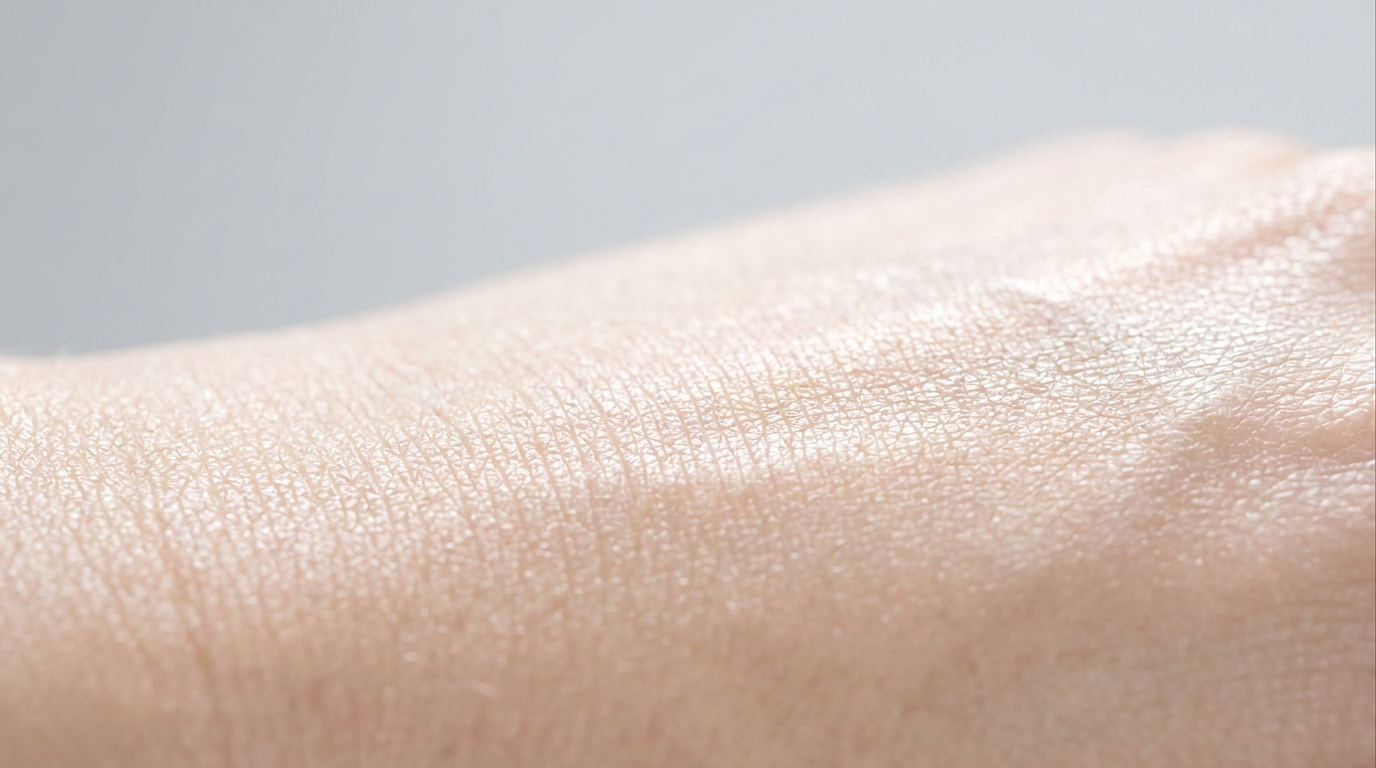
For decades, the prevailing philosophy in consumer skincare was one of subtraction. The goal was to scrub, peel, and exfoliate away perceived imperfections, treating the skin as a canvas to be polished rather than a living organ to be nourished. However, a profound paradigm shift has taken place in dermatological science. Researchers and clinicians are increasingly focused not on what can be removed from the skin, but on how to protect and rebuild its outermost layer. This shift centers on the skin barrier, a microscopic fortress that serves as the human body's first line of defense against a hostile environment.[1][4]
The skin barrier, scientifically known as the stratum corneum, is a marvel of biological engineering. It is the outermost layer of the epidermis, and its primary function is twofold: to keep essential water inside the body and to keep harmful pathogens, allergens, and irritants out. When this barrier is compromised, the result is a cascade of dermatological issues ranging from mild dryness and flaking to severe inflammatory conditions like eczema, rosacea, and chronic acne. Understanding how this barrier functions at a cellular level is the key to achieving long-term skin health, moving beyond temporary cosmetic fixes to genuine physiological support.[2][4]
Dermatologists frequently use the 'brick and mortar' analogy to explain the structure of the stratum corneum. In this model, the 'bricks' are corneocytes—tough, dead skin cells packed with keratin and natural moisturizing factors. These cells are highly resilient and provide the structural integrity of the barrier. However, a wall made only of bricks is not waterproof. The crucial waterproofing element is the 'mortar,' a complex, highly organized matrix of lipids that surrounds the corneocytes and seals the microscopic gaps between them.[2]

This lipid mortar is composed of three primary ingredients: ceramides, cholesterol, and free fatty acids. Ceramides are the undisputed heavyweights of this mixture, making up approximately 50 percent of the lipid matrix by mass. They are long-chain sphingolipids that act as the primary glue holding the barrier together. Cholesterol accounts for about 25 percent, providing fluidity and flexibility to the matrix, while free fatty acids make up the remaining 15 to 20 percent, contributing to the structural organization and acidic pH of the skin. When the ratio of these lipids is disrupted, the mortar begins to crumble.[2][6]
The immediate consequence of a crumbling lipid matrix is a phenomenon known as Transepidermal Water Loss, or TEWL. Under normal, healthy conditions, the lipid barrier traps moisture in the lower layers of the skin, keeping it plump, hydrated, and functioning optimally. When the barrier is damaged—whether by harsh weather, over-exfoliation, or alkaline cleansers—microscopic fissures form in the mortar. Water rapidly evaporates through these fissures into the atmosphere. As TEWL increases, the skin becomes dehydrated, tight, and visibly dull, triggering an inflammatory response as the body attempts to repair the breach.[4][6]
Beyond the physical brick-and-mortar structure, the skin barrier relies on a crucial chemical defense mechanism known as the acid mantle. Healthy human skin is naturally acidic, with an optimal pH hovering around 5.0, though it can range from 4.5 to 5.5. This slight acidity is not an accident of biology; it is a highly evolved protective feature. The acid mantle is formed by a combination of sebum (skin oil), sweat, and the breakdown of fatty acids by beneficial bacteria living on the skin's surface.[5]
The acidic environment serves several vital functions. First, it inhibits the growth of pathogenic bacteria and fungi, which typically thrive in neutral or alkaline environments. Pathogens like Staphylococcus aureus, which can cause severe skin infections and exacerbate eczema, struggle to survive at a pH of 5.0. Second, the enzymes responsible for synthesizing ceramides and organizing the lipid matrix operate optimally only in an acidic environment. When the skin's pH is raised, these crucial enzymes shut down, halting the production of the very lipids needed to maintain the barrier.[2][5]

This delicate pH balance highlights the danger of traditional bar soaps and harsh foaming cleansers. Many conventional soaps are highly alkaline, with pH levels ranging from 9.0 to 11.0. Washing the face with these products strips away the natural lipid mortar and drastically raises the skin's pH. While the skin can eventually buffer itself back to an acidic state, this recovery process can take hours. During this window, the skin is highly vulnerable to moisture loss and bacterial colonization. Modern dermatological guidelines strongly advocate for the use of low-pH, non-foaming cleansers that clean the skin without disrupting the acid mantle.[4][5]
This delicate pH balance highlights the danger of traditional bar soaps and harsh foaming cleansers.
The physical barrier and the chemical acid mantle are supported by a third, dynamic layer of defense: the skin microbiome. Much like the gut, the surface of the human skin is teeming with microscopic life. A healthy square centimeter of skin is home to millions of microorganisms, comprising over a thousand distinct species of bacteria, fungi, and viruses. Far from being a sign of poor hygiene, this invisible ecosystem is essential for human health, acting as a living shield that interacts constantly with the body's immune system.[3]
The commensal, or 'friendly,' bacteria that make up the microbiome play a highly active role in barrier defense. Species such as Staphylococcus epidermidis and Cutibacterium acnes (in balanced numbers) consume the sebum produced by our pores and break it down into free fatty acids, directly contributing to the maintenance of the acid mantle. Furthermore, these beneficial microbes occupy physical space and consume available nutrients, outcompeting harmful pathogens and preventing them from establishing a foothold on the skin.[3][5]

Emerging research indicates that the skin microbiome also acts as a sophisticated communication network, constantly sending signals to the immune cells located just beneath the epidermis. When commensal bacteria detect a threat, they can trigger the release of antimicrobial peptides—the skin's natural antibiotics—to neutralize the invader. Conversely, a healthy microbiome helps to calm the immune system, preventing the overactive inflammatory responses that characterize conditions like rosacea and sensitive skin. Over-sanitizing the skin with harsh antibacterial products destroys this delicate ecosystem, leaving the skin defenseless and prone to chronic inflammation.[1][3]
Armed with this understanding of the barrier's mechanics, the cosmetic industry has pivoted heavily toward formulation science designed to repair and mimic these natural structures. The gold standard for barrier repair involves topical application of the lipids that the skin is missing. However, formulating effective ceramide creams is notoriously difficult. Ceramides are highly insoluble and prone to crystallization, making it challenging to deliver them into the stratum corneum in a bioavailable form.[6]
Cosmetic chemists have discovered that simply applying ceramides is not enough; they must be delivered in the correct physiological ratio. Research demonstrates that a formulation containing ceramides, cholesterol, and free fatty acids in a specific 3:1:1 molar ratio significantly accelerates barrier recovery compared to applying any of these lipids in isolation. This optimized ratio mimics the skin's natural mortar, allowing the topical lipids to seamlessly integrate into the damaged matrix and immediately reduce Transepidermal Water Loss.[2][6]

Alongside lipid replacement, effective barrier repair relies on a strategic combination of humectants and occlusives. Humectants, such as glycerin, hyaluronic acid, and panthenol (Vitamin B5), act like microscopic sponges, drawing water from the deeper layers of the epidermis and the surrounding environment into the stratum corneum. However, without a seal, this newly acquired water will quickly evaporate. Occlusives, such as petrolatum, squalane, and dimethicone, provide this seal. They sit on the surface of the skin, forming a breathable but impermeable film that physically blocks TEWL while the underlying lipid matrix repairs itself.[4][6]
While the science of lipid replacement is well-established, the frontier of barrier repair lies in microbiome-focused skincare. The market is currently flooded with products claiming to be 'probiotic,' but the scientific reality is highly complex. True probiotics involve live bacteria, which are incredibly difficult to stabilize in a cosmetic formula containing preservatives. Most commercial 'probiotic' skincare actually contains postbiotics—the non-viable byproducts of bacterial fermentation—or prebiotics, which are essentially food sources designed to nourish the existing commensal bacteria on the skin.[1][3]
The efficacy of topically applied bacterial extracts is still an area of active investigation. While early studies suggest that certain postbiotics can help soothe inflammation and support the acid mantle, researchers caution that we are still years away from fully understanding how to manipulate the skin microbiome predictably. The current scientific consensus is that the best way to support the microbiome is not necessarily by adding new bacteria, but by creating an environment where the existing beneficial flora can thrive: maintaining an acidic pH, avoiding harsh surfactants, and preserving the lipid barrier.[3][5]
Ultimately, the science of skin barrier repair teaches a lesson in biological respect. The skin is not an inert surface to be scrubbed into submission; it is a highly intelligent, self-regulating organ with millions of years of evolutionary engineering behind it. When we experience dryness, redness, or irritation, it is usually a signal that we have disrupted its natural defense mechanisms. The most effective dermatological interventions are those that work in harmony with the skin's inherent biology.[1][4]
By shifting the focus from aggressive exfoliation to gentle, scientifically grounded support, consumers can achieve profound improvements in skin health. Understanding the roles of ceramides, the acid mantle, and the microbiome empowers individuals to navigate a crowded skincare market with critical thinking. The future of dermatology lies not in harsher active ingredients, but in the elegant science of barrier optimization, proving that when it comes to long-term skin health, less is very often more.[1][2][3]
How we got here
1928
German physician Heinrich Schade coins the term 'acid mantle' after discovering the skin's natural acidity.
1980s
Dermatological research identifies ceramides as the primary lipid component responsible for the skin's waterproofing capabilities.
1990s
Synthetic ceramides are successfully formulated into commercial moisturizers, revolutionizing treatments for eczema and dry skin.
2010s
Advances in genetic sequencing allow scientists to map the human skin microbiome, revealing the complex ecosystem of commensal bacteria.
Viewpoints in depth
Clinical Dermatologists
Advocates for a minimalist, evidence-based approach focused on gentle cleansing and barrier protection.
Clinical dermatologists consistently emphasize that the majority of modern skin complaints—from adult acne to unexplained redness—are self-inflicted through the overuse of harsh active ingredients. This camp argues that the skin is a highly efficient, self-regulating organ that rarely needs aggressive intervention. Their primary recommendation is a 'less is more' approach: a gentle, low-pH cleanser, a ceramide-rich moisturizer, and daily sunscreen. They view the current consumer obsession with multi-step routines and daily chemical exfoliation as actively detrimental to the stratum corneum's structural integrity.
Cosmetic Chemists
Focuses on the formulation challenges of stabilizing volatile ingredients and optimizing lipid delivery systems.
For cosmetic chemists, the challenge of barrier repair is fundamentally a problem of physical chemistry and delivery systems. Ceramides are notoriously difficult to work with; they are highly insoluble, prone to crystallization in formulas, and struggle to penetrate the skin's surface effectively. This camp focuses on developing sophisticated encapsulation technologies and optimizing the precise 3:1:1 molar ratio of ceramides, cholesterol, and fatty acids. They argue that an ingredient's presence on a label is meaningless unless the formulation allows it to become bioavailable and integrate seamlessly into the skin's existing lipid matrix.
Microbiome Researchers
Emphasizes the symbiotic relationship between skin flora and immune response, warning against over-sanitization.
Microbiome researchers view the skin not just as a physical barrier, but as a living, dynamic ecosystem. They argue that traditional dermatology has historically been too focused on eradicating bacteria rather than cultivating it. This camp highlights research showing that commensal bacteria actively communicate with the human immune system, modulating inflammation and producing natural antimicrobial peptides. They are highly critical of antibacterial soaps and broad-spectrum preservatives in cosmetics, arguing that true skin health requires preserving the delicate balance of the microscopic flora that evolved to protect us.
What we don't know
- It remains unclear exactly how topically applied postbiotics (bacterial byproducts) interact with the living microbiome over long-term use.
- Scientists are still mapping how individual genetic variations affect the natural baseline ratio of ceramides produced by the body.
Key terms
- Stratum Corneum
- The outermost layer of the epidermis, consisting of dead skin cells and lipids, which acts as the body's primary physical barrier.
- Ceramides
- Long-chain lipid molecules that make up roughly 50 percent of the skin's natural moisture barrier, acting as the 'glue' between skin cells.
- Transepidermal Water Loss (TEWL)
- The process by which water passively evaporates from the deeper layers of the skin into the surrounding atmosphere.
- Acid Mantle
- A very fine, slightly acidic film on the surface of human skin acting as a barrier to bacteria, viruses, and other potential contaminants.
- Humectant
- A skincare ingredient, such as glycerin or hyaluronic acid, that attracts and binds water molecules from the environment into the skin.
Frequently asked
How long does it take to repair a damaged skin barrier?
Depending on the severity of the damage, it typically takes 2 to 4 weeks of consistent, gentle care for the stratum corneum to fully rebuild its lipid matrix.
Can I use exfoliating acids while repairing my barrier?
Dermatologists strongly recommend pausing all chemical exfoliants (like AHAs and BHAs) and physical scrubs until the barrier is fully healed, as these can exacerbate inflammation and water loss.
What is the difference between hydration and moisture?
Hydration refers to adding water to the skin using humectants like hyaluronic acid, while moisture refers to trapping that water inside the skin using occlusive ingredients like petrolatum or ceramides.
Sources
Source coverage
6 outlets
3 viewpoints surfaced





[1]Factlen Editorial Team
Synthesis by Factlen editorial team
Read on Factlen Editorial Team →[2]National Institutes of HealthClinical Dermatologists
Role of Ceramides in Barrier Function of Healthy and Diseased Skin
Read on National Institutes of Health →[3]Journal of Clinical and Aesthetic DermatologyMicrobiome Researchers
The Skin Microbiome: Current Perspectives and Future Challenges
Read on Journal of Clinical and Aesthetic Dermatology →[4]American Academy of DermatologyClinical Dermatologists
Understanding and Repairing Skin Barrier Damage
Read on American Academy of Dermatology →[5]British Journal of DermatologyMicrobiome Researchers
The concept of the acid mantle of the skin: its relevance for the choice of skin cleansers
Read on British Journal of Dermatology →Efficacy of ceramide-dominant lipid mixtures in improving skin barrier function
Read on International Journal of Cosmetic Science →
More in health
See all 9 stories →Dementia Research
The Shingles Vaccine Is Emerging as a Powerful Shield Against Dementia
7 sources

Exercise Mimetics
The Science of 'Exercise in a Pill': How New Longevity Drugs Mimic Physical Activity
7 sources

Brain Health
How Deep Sleep Washes the Brain: The Science of the Glymphatic System
7 sources

Longevity Science
The Postbiotic Promise: How Urolithin A Recycles Aging Cells
6 sources

Every angle. Every day.
Get health stories with full source coverage and perspective breakdowns delivered to your inbox.