
The Science of Skin Barrier Repair: How Ceramides and Microbiome Care Replaced Harsh Exfoliants
The beauty industry is pivoting away from aggressive chemical exfoliants, embracing a new era of "skinimalism" focused on repairing the skin's lipid barrier and supporting its natural microbiome.
By Factlen Editorial Team
- Dermatological Science
- Focuses on the physical lipid structure of the skin, arguing that precise ratios of ceramides are the only clinically proven way to halt water loss.
- Microbiome Innovators
- Views the skin as a living ecosystem, prioritizing bacterial balance and prebiotic formulations over pure lipid replacement.
- Clinical Esthetics
- Highlights the practical damage caused by consumer over-exfoliation and advocates for simplified, protective daily routines.
What's not represented
- · Formulation Chemists
- · Consumers with chronic skin conditions (eczema/rosacea)
Why this matters
Understanding how the skin barrier functions empowers consumers to stop wasting money on harsh, irritating products that cause long-term damage. By adopting science-backed repair strategies, individuals can resolve chronic dryness, sensitivity, and paradoxical breakouts with simpler, more effective routines.
For the better part of a decade, the pursuit of "glass skin" drove consumers toward increasingly aggressive cosmetic routines. Bathroom cabinets filled with high-strength chemical exfoliants, prescription retinoids, and multi-step acid peels. The prevailing logic in the beauty industry was simple: the more you scrubbed, peeled, and resurfaced, the more radiant the results would be. But this relentless quest for a flawless complexion had a severe unintended consequence, leading to widespread skin sensitization across nearly all demographics. Dermatologists and estheticians began seeing a massive surge of patients presenting with paradoxical symptoms—skin that was simultaneously oily, flaky, red, and uncomfortably tight.[4]
The clinical diagnosis for this widespread irritation was almost always the same: a compromised skin barrier. Today, the beauty industry has executed a massive pivot in response to this crisis. "Skin barrier repair" has evolved from a niche clinical term into the defining skincare philosophy of the 2020s, replacing the era of harsh exfoliation with a focus on cellular preservation and gentle recovery. This shift represents a fundamental rethinking of how we treat our body's largest organ, moving away from aggressive intervention toward supportive maintenance.[4][8]
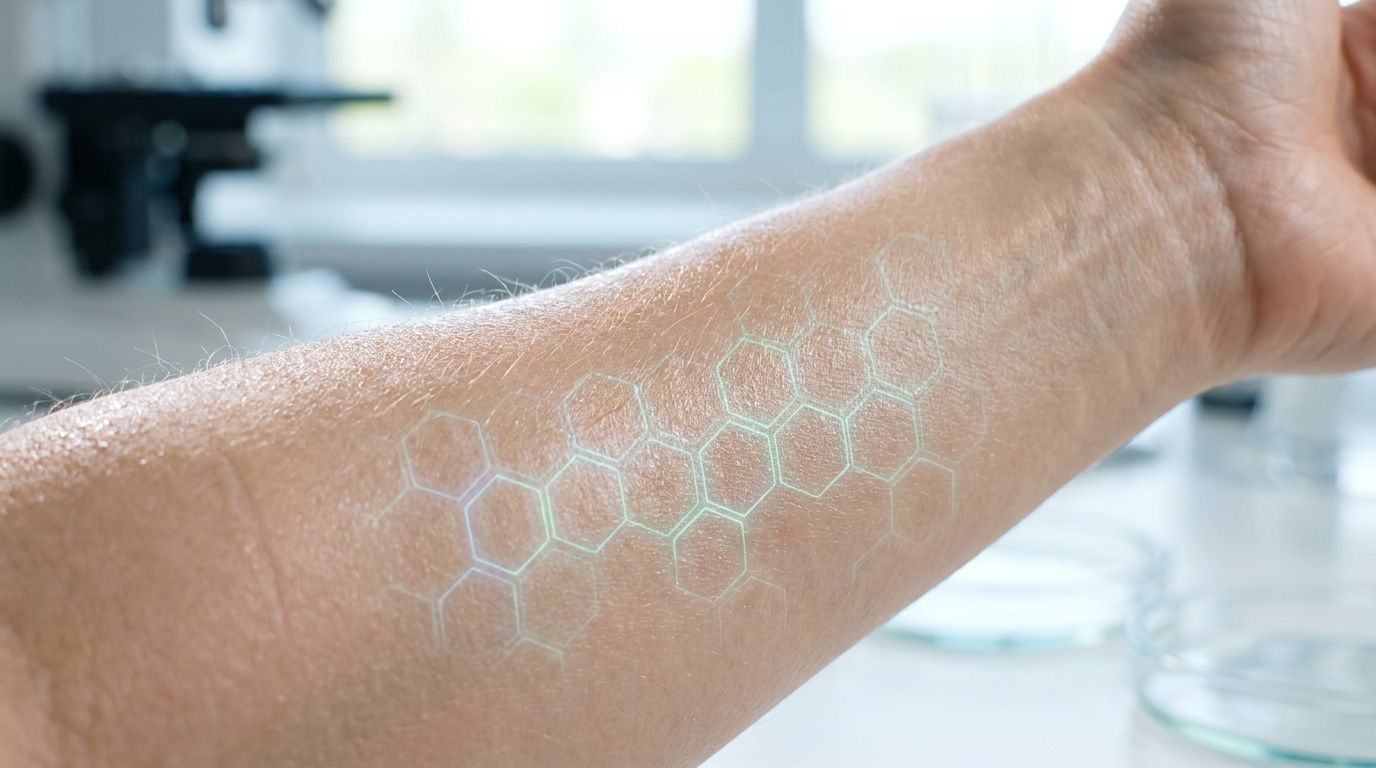
To understand the mechanics of this shift, one must look closely at the stratum corneum—the outermost layer of the epidermis. Dermatologists frequently compare this microscopic layer, which measures a mere 20 micrometers thick, to a brick wall. In this structural analogy, the hardened skin cells, known as corneocytes, act as the sturdy bricks. The "mortar" holding these cellular bricks together is a complex, highly organized matrix of natural lipids.[3][7]
When this lipid mortar is fully intact, the cellular wall serves a vital dual purpose for human survival. First, it acts as an impenetrable shield, keeping environmental irritants, microscopic allergens, and harmful bacteria from entering the body. Second, and equally important for cosmetic appearance, it seals essential moisture inside the deeper dermal layers, giving healthy skin its characteristic plumpness and elasticity.[3]
The structural integrity of this lipid mortar relies entirely on three specific components working in harmony: ceramides, cholesterol, and free fatty acids. Ceramides are the undisputed heavy lifters of this microscopic architecture, making up approximately 50 percent of the barrier's total composition by weight. Without an adequate supply of these waxy lipid molecules, the entire defensive structure begins to lose its cohesion and slowly falls apart.[3][7]

When the barrier is stripped—whether by the daily use of harsh sulfate cleansers, overzealous chemical exfoliation, dry winter climates, or the natural aging process—the lipid mortar develops microscopic cracks. This structural failure triggers a physiological phenomenon known in dermatology as Transepidermal Water Loss, or TEWL. TEWL is the continuous process by which water passively evaporates from the deeper, water-rich dermal layers, traveling up through the compromised epidermis and vanishing into the surrounding atmosphere.[1][7]
While a baseline Transepidermal Water Loss of 300 to 400 milliliters per day is an entirely normal function of human biology, a damaged barrier allows this evaporation rate to spike dramatically. As water escapes faster than the body's internal systems can replenish it, the skin enters a state of localized crisis. It becomes visibly dehydrated, losing its bounce and developing a rough, uneven texture that makeup cannot easily hide.[1]
In a desperate attempt to compensate for this severe lack of moisture, the skin's sebaceous glands often go into overdrive, overproducing oil to create a makeshift seal. This leads to a frustrating cycle: the excess oil causes sudden breakouts, which frequently confuse patients into applying even harsher, drying acne treatments, thereby destroying whatever remains of their fragile lipid barrier.[1][4]

In a desperate attempt to compensate for this severe lack of moisture, the skin's sebaceous glands often go into overdrive, overproducing oil to create a makeshift seal.
Reversing this cycle of damage requires significantly more than just slathering on a basic, old-fashioned moisturizer. Traditional occlusive ingredients, such as pure petroleum jelly, act as a temporary physical seal sitting on top of the skin. While they are highly effective at halting Transepidermal Water Loss in the short term—often used in a trendy practice known as "slugging"—they do not actually rebuild the underlying cellular structure once they are washed away.[2]
Modern barrier repair science has moved beyond temporary seals, focusing instead on bio-identical lipid replacement. Clinical formulations now utilize advanced synthetic ceramides that are molecularly designed to slot perfectly into the damaged mortar of the stratum corneum. Research indicates that the golden ratio for optimal barrier recovery is a precise 3:1:1 or 2:4:2 blend of ceramides, cholesterol, and fatty acids.[2][3][7]
When formulated correctly with this specific ratio, these advanced repair creams form lamellar lipid structures that perfectly mimic the natural organization of healthy human skin. This structural mimicry is so precise that it can actually be verified in a laboratory setting; when viewed under a microscope using polarized light, effective barrier creams display a distinct "Maltese cross" pattern, confirming their lamellar organization.[7]
The clinical results of this targeted lipid therapy are striking. A comprehensive 2023 dermatological review found that ceramide-rich creams formulated with these precise physiological ratios were able to restore barrier function in severely damaged skin within just seven days. This recovery rate significantly outpaced the healing seen with standard emollients, proving that the skin requires specific building blocks, not just generic hydration, to repair itself.[2]

But the physical lipid barrier is only half of the modern skincare story. The latest frontier in barrier science involves the skin's biological shield: the microbiome. The surface of the skin is not a sterile environment; it is a thriving, living ecosystem home to millions of beneficial bacteria, fungi, and viruses. This microscopic flora actively regulates local inflammation, maintains an optimal acidic pH, and aggressively defends the territory against invading pathogens.[5][6]
Recognizing the critical role of these microorganisms, the beauty industry is heavily investing in microbiome-enhanced skincare, a global market projected to reach nearly $835 million by 2030. These next-generation formulations are moving beyond inert lipids, incorporating prebiotics—which serve as nutritional food to support existing good bacteria—and postbiotics, which are the beneficial, soothing byproducts created during bacterial fermentation.[6]
Formulators face significant technical hurdles in this biological space. Incorporating live probiotics into commercial cosmetics is notoriously difficult due to the mandatory preservatives required to keep creams safe from mold on store shelves. Because these preservatives inherently kill live bacteria, most "microbiome-friendly" products rely exclusively on postbiotic ferments to simulate the calming benefits of a healthy, balanced flora without the instability of live cultures.[6]

Furthermore, the term "microbiome-friendly" currently lacks a strict, globally recognized regulatory definition. This regulatory gray area leaves ample room for marketing hype to outpace genuine clinical evidence. Consumers must carefully navigate a crowded retail landscape where some products offer scientifically validated biological support, while others merely capitalize on a trending buzzword without delivering measurable changes to the skin's ecosystem.[5][8]
Despite these formulation challenges and marketing hurdles, the fundamental shift in skincare philosophy appears permanent. The industry, guided by dermatologists and cosmetic chemists, has collectively recognized that the skin is not a durable canvas to be endlessly scrubbed, peeled, and polished into submission. It is a complex, highly reactive living organ that requires a delicate balance of physical lipids and biological flora to thrive.[8]
By prioritizing precise lipid replenishment and microbial harmony over aggressive chemical resurfacing, the new standard of dermatological care offers a sustainable, long-term path to skin health. It empowers consumers to step off the endless treadmill of irritation and reaction, proving that in the modern era of skincare science, doing less—and doing it with exact biological precision—is often the most effective treatment of all.[8]
How we got here
Pre-2020
The 'glass skin' era dominates, characterized by multi-step routines and frequent use of harsh chemical exfoliants.
2021–2023
Dermatologists report a massive surge in sensitized skin, prompting a consumer shift toward 'skinimalism' and gentle care.
2024
Ceramides transition from basic moisturizer ingredients to headline actives in clinical skincare lines.
2026
Microbiome-supporting formulations, featuring prebiotics and postbiotics, become the fastest-growing segment in barrier repair.
Viewpoints in depth
Dermatological Science
Focuses on the physical lipid structure of the skin as the primary defense mechanism.
This perspective views barrier repair primarily as a structural engineering problem. Proponents argue that precise, bio-identical ratios of ceramides, cholesterol, and fatty acids are the only clinically proven way to halt Transepidermal Water Loss. They emphasize measurable outcomes, such as the formation of lamellar lipid structures visible under a microscope, and prioritize synthetic lipid replacement over botanical extracts.
Microbiome Innovators
Views the skin as a living ecosystem that requires bacterial balance.
Rather than just patching a physical wall, this camp argues that true resilience comes from biological harmony. They prioritize prebiotic and postbiotic formulations, emphasizing that a healthy bacterial flora naturally regulates inflammation, maintains an optimal pH, and defends against pathogens far better than inert lipids alone. They view the microbiome as the skin's invisible, active immune system.
Clinical Esthetics
Highlights the practical damage caused by consumer behavior and over-exfoliation.
Estheticians and clinical practitioners argue that the modern barrier crisis is almost entirely self-inflicted by the overuse of chemical exfoliants, retinoids, and multi-step routines. Their primary intervention is behavioral rather than product-based—advocating for simplified, protective daily routines and extended "fasts" from active ingredients to let the skin heal itself naturally.
What we don't know
- How to effectively stabilize and deliver live probiotic strains in commercial cosmetic creams without preservatives killing them.
- The exact long-term impact of synthetic postbiotics on the skin's natural, evolving microbial diversity.
- Whether the beauty industry will adopt standardized, regulated definitions for 'microbiome-friendly' labeling.
Key terms
- Transepidermal Water Loss (TEWL)
- The process of water passively evaporating from the deeper layers of the skin into the surrounding air.
- Stratum Corneum
- The outermost layer of the epidermis, acting as the primary physical barrier between the body and the environment.
- Ceramides
- Waxy lipid molecules that make up half of the skin's natural moisture barrier, acting as the 'mortar' between skin cells.
- Prebiotics
- Ingredients that serve as nutritional food to nourish and support the beneficial bacteria living on the skin.
- Postbiotics
- Beneficial compounds produced by bacteria during fermentation, used in skincare to soothe and support the microbiome.
Frequently asked
How do I know if my skin barrier is damaged?
Common signs include a tight, pulling sensation, increased sensitivity to products that previously caused no issues, flakiness, redness, and sudden paradoxical breakouts.
Can I use exfoliating acids while repairing my barrier?
Dermatologists recommend pausing all active ingredients, including AHAs, BHAs, and retinoids, for 2 to 4 weeks to allow the lipid barrier to fully rebuild.
Are ceramides better than hyaluronic acid?
They serve different purposes. Hyaluronic acid is a humectant that draws water into the skin, while ceramides are lipids that seal that water in. They work best when used together.
Sources
Source coverage
8 outlets
3 viewpoints surfaced








[1]SkinCeuticalsDermatological Science
Transepidermal Water Loss (TEWL) Explained
Read on SkinCeuticals →[2]LA TimesClinical Esthetics
Ceramides aren't just another moisturizer buzzword
Read on LA Times →[3]The Purest CoDermatological Science
What do ceramides do for skin?
Read on The Purest Co →[4]Skin Science InstituteClinical Esthetics
The Real Science of Skin Barrier Repair
Read on Skin Science Institute →[5]HappiMicrobiome Innovators
Microbiome Intelligence in Skincare
Read on Happi →[6]Tatler AsiaMicrobiome Innovators
Microbiome skincare is revolutionising the beauty industry
Read on Tatler Asia →[7]Skin Type SolutionsDermatological Science
Understanding Transepidermal Water Loss
Read on Skin Type Solutions →[8]Factlen Editorial TeamClinical Esthetics
Synthesis by Factlen editorial team
Read on Factlen Editorial Team →

More in lifestyle
See all 54 stories →Biotech Skincare
The Rise of Biotech Beauty: How Lab-Grown Ingredients Are Reshaping Skincare
8 sources
Circular Dining
How Zero-Waste Restaurants Actually Work: The Mechanics of Circular Dining
8 sources

Flavor Chemistry
The Science of Synergistic Umami: How to Multiply Savory Flavors in Home Cooking
7 sources
Social Infrastructure
The New Third Place: How Gen Z and Millennials Are Rebuilding Real-World Community
7 sources
Every angle. Every day.
Get lifestyle stories with full source coverage and perspective breakdowns delivered to your inbox.