
The Science of Fascia: Why Training Connective Tissue is the New Frontier of Mobility
Long dismissed as mere biological packing material, the body's fascial network is now recognized as a dynamic system crucial for movement, pain management, and longevity. But as "fascia training" trends online, experts warn against overhyped claims, emphasizing that true connective tissue health requires integrated, multi-directional movement rather than aggressive manipulation.
By Factlen Editorial Team

- Movement Scientists & Anatomists
- View fascia as a continuous, dynamic web that requires multi-directional movement and hydration, dismissing the idea that it can be forcefully 'broken up.'
- Functional Conditioning Coaches
- Focus on expanding active, usable range of motion through tension and neurological control rather than passive stretching.
- Mainstream Fitness Consumers
- Increasingly adopting foam rolling, massage guns, and 'fascia flossing' for immediate pain relief and perceived flexibility gains.
What's not represented
- · Elderly populations who struggle with basic mobility and cannot perform dynamic 'bouncing' exercises.
- · Rheumatologists treating systemic connective tissue disorders.
Why this matters
Understanding how connective tissue works can fundamentally change how you address chronic pain, stiffness, and aging. By shifting focus from isolated muscle stretching to full-body fascial health, you can maintain usable mobility and energy far later into life.
Key points
- Fascia is a continuous web of connective tissue that wraps every muscle, bone, and organ in the body.
- The tissue acts as a biological spring, recycling energy and providing fluid movement when healthy.
- Fascia adapts to repetitive postures, meaning sedentary habits physically stiffen the connective web over time.
- Experts warn that foam rollers cannot physically break up fascia; their benefits are primarily neurological and vascular.
- True connective tissue health requires multi-directional movement, rhythmic bouncing, and adequate hydration.
For decades, the standard prescription for aging joints and stiff limbs was simple: stretch your muscles and accept a gradual decline in flexibility. But a quiet revolution in movement science is fundamentally changing how we understand human mobility. The focus has shifted away from isolated muscles and toward a deeply complex, full-body network that was once literally thrown in the trash by early anatomists who viewed it as an obstruction to studying the muscular system.[1]
That network is the fascia. Long dismissed as mere biological packing material—the white, fibrous casing you might see on a raw chicken breast—fascia is now recognized as a continuous, sensory-rich web of connective tissue. It wraps around every single muscle fiber, bone, nerve, and organ, acting like a full-body wetsuit that lives just beneath the skin and connects the entire human structure.[1][6]
Rather than being a passive structural wrapper, modern research reveals that fascia is highly dynamic. It is packed with nerve endings and proprioceptors, making it one of our primary organs of sensory perception. When healthy, it acts as a biological spring, recycling energy during movement and allowing for the fluid, effortless grace seen in elite athletes and young children.[1][4]
However, this connective web is also highly adaptable, which can be a double-edged sword. Fascia remodels itself based on the physical stimuli it receives. If a person spends eight hours a day hunched over a keyboard, the body intelligently adapts to make that posture more efficient. The fascia thickens and stiffens along those specific lines of tension, essentially locking the body into a forward-leaning cast over time.[1]

This cellular remodeling explains why traditional static stretching often falls short for chronic stiffness. If the fascial web is restricted, pulling on an isolated muscle is like tugging on a snagged sweater—the tension simply transfers to another part of the garment without resolving the underlying restriction. To truly restore mobility, movement specialists are increasingly turning to "fascia training," a methodology that targets the entire interconnected system.[4][6]
The rise of this approach is evident in the 2026 fitness landscape, where longevity training and connective tissue health have outpaced high-intensity interval training in many wellness trend reports. Gyms and clinical practices are replacing passive stretching routines with multi-directional movement flows, bouncing exercises, and targeted joint conditioning designed to keep the tissue hydrated and resilient.[5]
One of the most prominent frameworks to emerge from this science is Functional Range Conditioning (FRC). Developed by musculoskeletal experts, FRC abandons the idea of passive flexibility—where gravity or a partner pushes you into a stretch—in favor of active, usable mobility. The system uses specific isometrics and muscular tension to convince the nervous system that it is safe to explore new ranges of motion.[3]
One of the most prominent frameworks to emerge from this science is Functional Range Conditioning (FRC).
By generating internal force at the end of a joint's range, FRC essentially speaks the language of the cells. The mechanical tension signals fibroblasts—the cells responsible for building connective tissue—to lay down new collagen fibers in a way that supports the newly acquired mobility, making the joint both more flexible and more resilient to injury.[3][6]

But as fascia training enters the mainstream, it has also spawned a cottage industry of overhyped claims and aggressive recovery tools. Social media is awash with influencers promoting "fascia flossing," heavy massage guns, and intense foam rolling routines, often accompanied by the promise that these tools will "break up" fascial adhesions or melt away scar tissue.[2]
Biomechanical experts and anatomists are quick to dispel these myths. The current scientific consensus is that fascia is incredibly tough—it has the tensile strength of steel wire. You cannot physically break it up, deform it, or stretch it out with a piece of foam or a vibrating plastic gun, no matter how much pressure is applied.[1][2]
So why do these tools feel like they work? The relief users experience is largely neurological and vascular, rather than structural. Applying pressure to tight areas increases local blood flow and sends a signal to the brain's mechanoreceptors to down-regulate tension in that specific area. It is a temporary neurological relaxation, not a permanent physical remodeling of the tissue.[1][2][6]

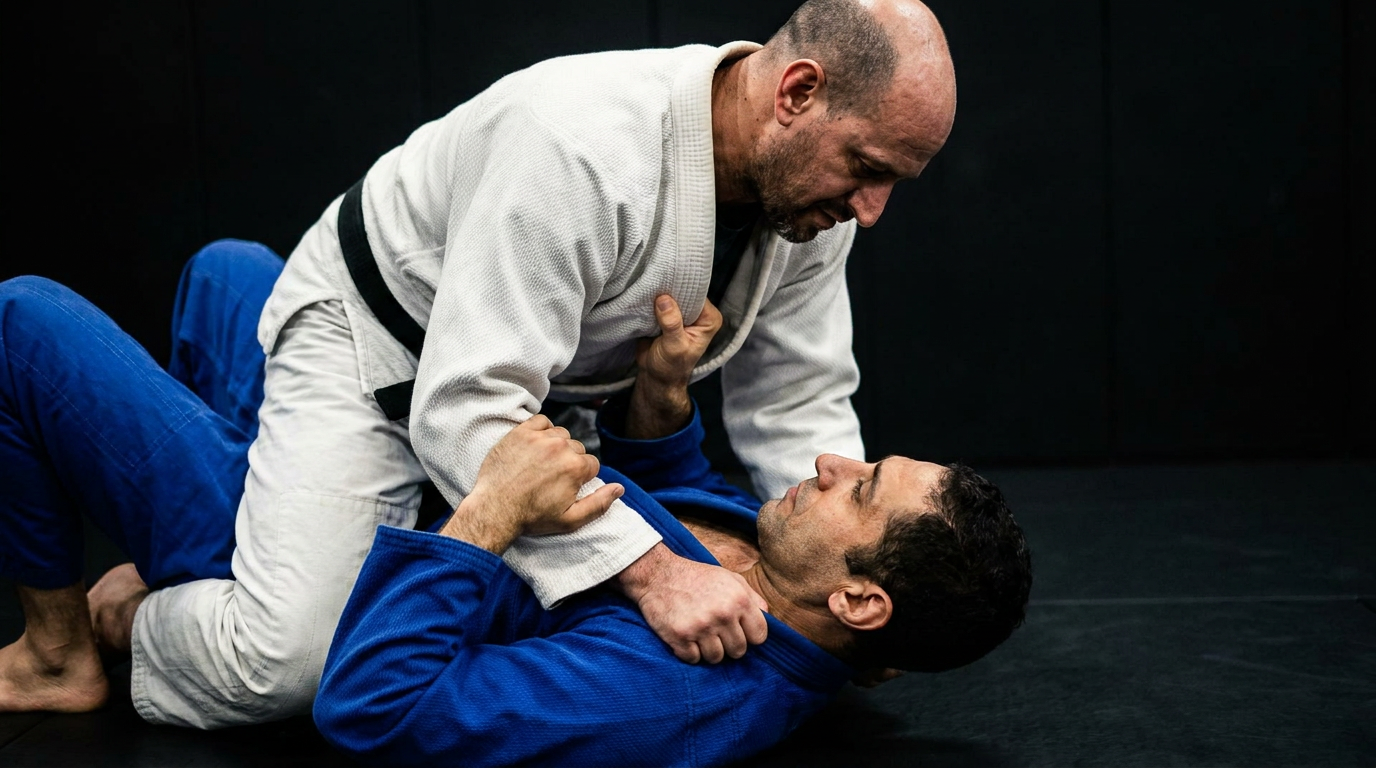
True fascial remodeling requires consistent, varied movement. Movement specialists advocate for exercises that take the body through uncommon ranges of motion and rotational planes. Activities like rock climbing, martial arts, dance, and dynamic Pilates are highly effective because they demand three-dimensional movement, preventing the connective tissue from becoming "glued" in a single plane.[1][4]
Another critical component of fascia health is elasticity. Because fascia acts as a spring, it responds well to rhythmic, bouncy movements. Simple practices like skipping, light plyometrics, or even the natural, rhythmic swinging of the arms during a brisk walk help maintain the tissue's elastic recoil, which naturally diminishes as we age if left untrained.[1][6]
Hydration and nutrition also play a surprisingly direct role in connective tissue health. Fascia is composed largely of water and collagen. When the body is dehydrated, the fascial layers lose their ability to glide smoothly over one another, leading to friction, stiffness, and an increased risk of micro-tears during physical activity.[6]

Furthermore, chronic inflammation can severely degrade fascial integrity. Diets high in processed foods and refined sugars create an inflammatory environment that stiffens connective tissue. Conversely, anti-inflammatory diets rich in omega-3 fatty acids, antioxidants, and adequate protein provide the necessary building blocks for cellular repair and collagen synthesis.[6]
The ultimate takeaway from the emerging science of fascia is a paradigm shift in how we view physical aging. The stiffness and loss of energy commonly attributed to getting older are not necessarily inevitable; they are often the result of a connective tissue system that has been starved of varied movement, proper hydration, and multi-directional stimulus.[5][6]
By moving away from a purely muscle-centric view of fitness and embracing the interconnected reality of the fascial web, individuals can reclaim their mobility. It requires trading the quick fix of a foam roller for the consistent practice of multi-directional movement, but the reward is a body that moves with the resilience and freedom it was designed to have.[2][6]
Viewpoints in depth
Movement Scientists' View
Anatomists emphasize that fascia is a sensory organ that responds to whole-body movement, not isolated manipulation.
For decades, anatomists literally cut fascia away to study the muscles underneath. Today, movement scientists recognize it as the body's largest sensory organ, packed with nerve endings. This camp argues that because fascia is a continuous web, you cannot treat a localized pain (like a tight hamstring) by only looking at that specific area. The restriction might originate in the opposite shoulder. They advocate for multi-planar movements—like dance, martial arts, or rock climbing—that force the tissue to adapt in three dimensions, preventing it from becoming 'glued' in a single plane of motion.
Functional Conditioning Coaches' View
Coaches prioritize building strength and neurological control at the extreme ends of a joint's range of motion.
Practitioners of systems like Functional Range Conditioning (FRC) argue that passive flexibility—where gravity or a partner pushes you into a stretch—is largely useless and potentially dangerous if you cannot actively control that range. Their methodology focuses on using intense isometric contractions at the end of a joint's mobility limit. By generating force in these vulnerable positions, they send a mechanical signal to the cells to lay down new connective tissue, effectively teaching the nervous system that it is safe to operate in that expanded range.
Recovery Tool Advocates' View
Consumers and some trainers rely on tools like foam rollers and massage guns for immediate, localized relief.
Despite scientific consensus that you cannot physically 'break up' fascia, the recovery tool industry continues to boom. Advocates for foam rolling, 'fascia flossing,' and percussive therapy point to the undeniable immediate relief these tools provide. While experts clarify that this relief is a temporary neurological down-regulation of tension rather than a structural change to the tissue, many consumers and trainers still value the practice as a necessary daily intervention to manage the stiffness caused by sedentary lifestyles and intense workouts.
What we don't know
- Exactly how much of the pain relief from 'fascia release' therapies is purely neurological versus vascular.
- The precise long-term impact of specific anti-inflammatory diets on the structural integrity of the fascial web.
- How to perfectly isolate fascial adaptations from muscular adaptations during clinical trials, as the two tissues are inextricably linked.
Key terms
- Fascia
- A continuous, web-like network of connective tissue that wraps and supports every muscle, bone, nerve, and organ in the body.
- Functional Range Conditioning (FRC)
- A training system that uses tension and isometrics to expand active, usable range of motion and improve joint health.
- Proprioception
- The body's ability to sense its movement, action, and location, heavily mediated by sensory receptors embedded in the fascia.
- Fibroblasts
- Cells within connective tissue that produce collagen and other fibers, actively remodeling fascia based on physical stimulus.
- Isometrics
- A type of strength training in which the joint angle and muscle length do not change during contraction.
Frequently asked
Can a foam roller break up fascia knots?
No. Current science suggests you cannot physically 'break up' or deform fascia with a roller due to its immense tensile strength. The relief comes from increased blood flow and neurological relaxation.
How is fascia training different from stretching?
Traditional stretching often isolates a single muscle passively. Fascia training involves multi-directional, active movements and isometrics that engage the entire connective web and build strength at the end ranges of motion.
Does diet affect connective tissue?
Yes. Fascia relies heavily on hydration and collagen. Anti-inflammatory foods and adequate water intake help maintain its elasticity and allow the tissue layers to glide smoothly.
Why do I feel stiffer as I age?
While some changes are age-related, much of the stiffness is due to a lack of varied movement. When you repeat the same postures (like sitting), the fascia thickens and adapts to that position, restricting mobility.
Sources
Source coverage
6 outlets
3 viewpoints surfaced






[1]The GuardianMovement Scientists & Anatomists
The forgotten tissue: why fascia is the secret to better movement
Read on The Guardian →[2]EquinoxFunctional Conditioning Coaches
Experts Dispel the Myths Surrounding Fascia Training
Read on Equinox →[3]Functional Anatomy SeminarsFunctional Conditioning Coaches
Functional Range Conditioning (FRC): The Science of Mobility
Read on Functional Anatomy Seminars →[4]Fascia Training AcademyMovement Scientists & Anatomists
A Whole System Approach to Fascia Training
Read on Fascia Training Academy →[5]Active WellnessMainstream Fitness Consumers
2026 Wellness Trends: Mobility, Longevity, and Cognitive Fitness
Read on Active Wellness →[6]Factlen Editorial Team
Synthesis by Factlen editorial team
Read on Factlen Editorial Team →

Every angle. Every day.
Get fitness stories with full source coverage and perspective breakdowns delivered to your inbox.