
The Science of Exosomes: How Cellular Messengers Are Rewriting the Rules of Skincare
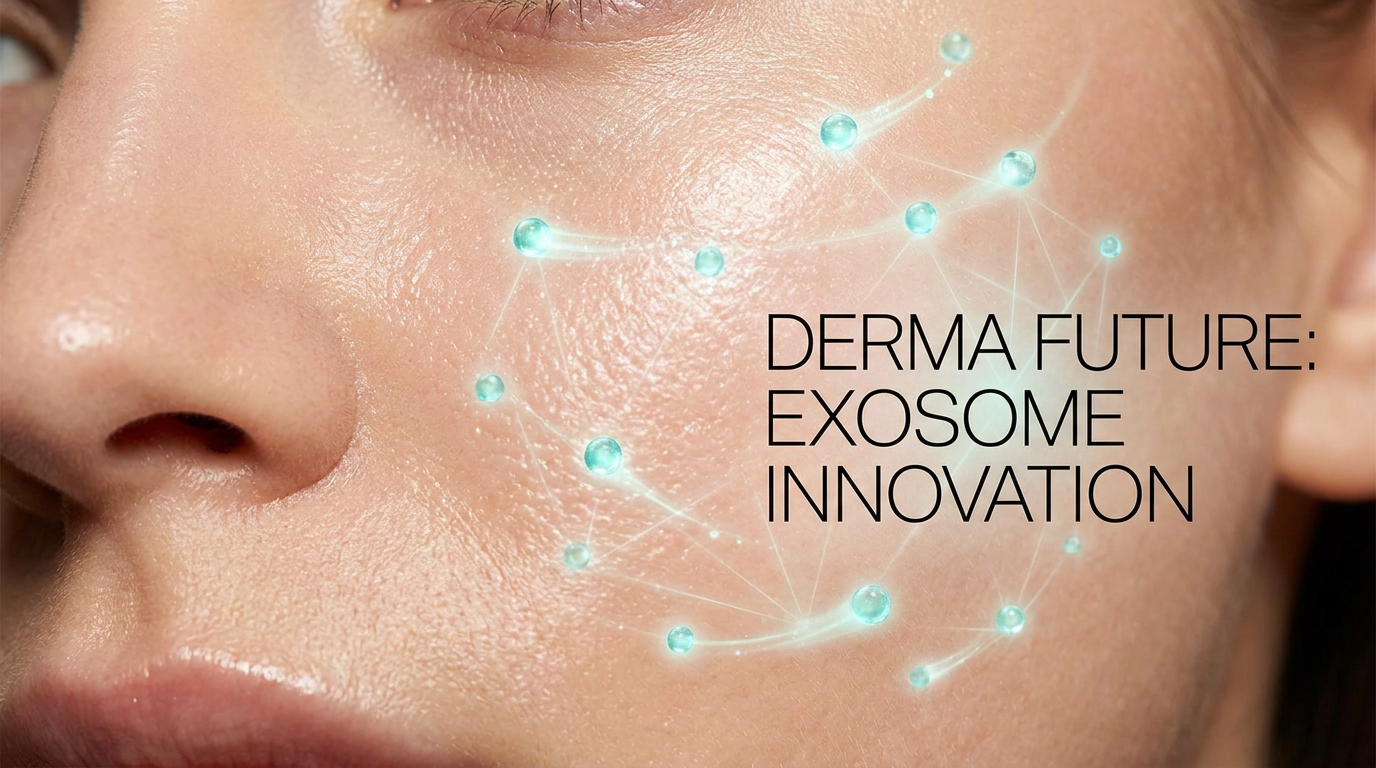
Hailed as a breakthrough in regenerative medicine, exosomes are tiny biological messengers that instruct skin cells to repair damage and build collagen. As they transition from clinical wound-healing to consumer serums, they represent a paradigm shift in how we approach skin health.
By Factlen Editorial Team
- Clinical Researchers
- Focus on the regenerative medicine applications of exosomes, particularly in wound healing and immune modulation.
- Aesthetic Practitioners
- Value exosomes as a powerful adjunct to in-office procedures to reduce downtime and boost collagen.
- Consumer Skincare Brands
- Advocate for plant-derived exosomes as a safe, daily topical treatment to support the skin barrier.
- Regulatory Watchdogs
- Emphasize the need for strict FDA oversight regarding human-derived biologics and the risks of unapproved injections.
What's not represented
- · Patients who have experienced adverse reactions to unregulated exosome injections
- · Traditional dermatologists who favor established treatments like retinoids over novel biologics
Why this matters
Exosomes represent a fundamental shift in how we treat aging and skin damage—moving from harsh chemical exfoliants to biological signals that teach the skin how to heal itself. Understanding this technology allows consumers to navigate a rapidly growing market of high-tech skincare and make informed decisions about both at-home serums and in-office treatments.
Key points
- Exosomes are microscopic vesicles that cells use to communicate, delivering instructions for repair, collagen production, and inflammation reduction.
- In clinical settings, human-derived exosomes are used alongside microneedling to supercharge healing and significantly reduce downtime.
- The FDA classifies human-derived exosomes as biologic drugs, meaning they are not approved for aesthetic injection, creating a regulatory gray area.
- Consumer skincare brands are increasingly using plant-derived exosomes to offer barrier support and anti-aging benefits without regulatory hurdles.
- Clinical studies show exosomes hold massive potential for medical dermatology, including treatments for diabetic wounds, atopic dermatitis, and hair loss.
The skincare industry is notoriously cyclical, constantly resurrecting old ingredients with new marketing. But every so often, a genuine biological breakthrough transitions from the laboratory bench to the bathroom cabinet. In 2026, that breakthrough is the exosome. Hailed by aesthetic practitioners as "microneedling in a bottle," exosomes are rapidly becoming the most sought-after regenerative treatment in dermatology, promising to rewrite the rules of how our skin ages, heals, and communicates.[1][2]
Unlike traditional active ingredients such as retinol or vitamin C, which rely on chemical reactions to stimulate skin turnover or neutralize free radicals, exosomes operate on a fundamentally different paradigm. They are not chemicals; they are biological messengers. To understand their sudden rise, one must look past the surface of the skin and into the microscopic conversations happening between our cells every second of the day.[7]
For decades, scientists believed that cells communicated primarily through direct contact or by secreting simple proteins. However, the discovery of extracellular vesicles—specifically exosomes—revealed a highly sophisticated cellular postal system. These nano-sized bubbles are secreted by almost all cell types and carry a complex cargo of lipids, proteins, messenger RNA (mRNA), and microRNA.[3][4]
When a cell releases an exosome, it is essentially sending a care package of instructions to its neighbors. In the context of skin health, these instructions are often regenerative. A healthy, youthful skin cell might dispatch an exosome containing the genetic blueprint for collagen production. When that exosome fuses with an older, sluggish fibroblast cell, it delivers the message: "Wake up and start building."[1][6]

The clinical applications of this cellular communication are profound. In the realm of medical dermatology, researchers have extensively studied exosomes for their role in wound healing and tissue repair. Meta-analyses of diabetic mouse models have demonstrated that exosome therapy significantly accelerates re-epithelialization, enhances collagen deposition, and reduces the width of resulting scars. By modulating the inflammatory response, exosomes prevent the chronic inflammation that often impedes proper healing.[3][4]
This potent regenerative capacity naturally caught the attention of aesthetic dermatologists. In clinical settings, exosome therapy is now frequently used as an adjunct to controlled-injury treatments like microneedling, laser resurfacing, and radiofrequency. By applying a concentrated exosome serum immediately after these procedures, dermatologists can capitalize on the open microchannels in the skin, allowing the vesicles to penetrate deeply.[1][5]
The results of these combined therapies are striking. Patients report significantly reduced downtime, less post-procedure erythema (redness), and amplified collagen production compared to microneedling alone. The exosomes act as a biological catalyst, supercharging the skin's natural healing cascade and directing the newly formed tissue to organize smoothly and efficiently.[5]
Patients report significantly reduced downtime, less post-procedure erythema (redness), and amplified collagen production compared to microneedling alone.
However, the transition of exosomes from the clinic to the consumer market has introduced a complex web of regulatory and formulation challenges. In professional settings, the most potent exosomes are typically human-derived—harvested from stem cells or platelets in highly controlled laboratory environments. Because they originate from human tissue, they carry the exact biological signals our skin cells have evolved to recognize.[1][2]
But human-derived exosomes occupy a precarious regulatory gray zone. The U.S. Food and Drug Administration (FDA) classifies human-derived exosomes as biologic drugs. Currently, there are no FDA-approved exosome products for aesthetic injection. While they can legally be applied topically in a clinic—provided no medical claims are made—injecting them carries significant safety concerns, including the risk of severe immune reactions or the theoretical promotion of cellular abnormalities.[2][7]

To navigate these regulatory hurdles and bring the technology to the masses, consumer skincare brands have pivoted to alternative sources. The 2026 market is now flooded with plant-derived (phytogenic) and lab-synthesized exosomes. Brands are extracting these vesicles from resilient botanicals like Centella asiatica (Cica) or utilizing bio-fermentation processes to create synthetic mimics.[1][6]
Plant-based exosomes offer a compelling compromise. They bypass the ethical and regulatory complications of human tissue while still delivering potent anti-inflammatory and antioxidant benefits. Because plants also use extracellular vesicles to respond to environmental stress, their exosomes are naturally rich in protective compounds. When applied to human skin, they excel at soothing irritation, supporting the moisture barrier, and neutralizing oxidative damage.[6]
Yet, a critical question remains: can these nano-sized messengers actually penetrate the intact skin barrier when applied at home? The stratum corneum—the outermost layer of the skin—is notoriously difficult to breach. It is designed to keep foreign particles out. While exosomes are incredibly small (typically 30 to 150 nanometers in diameter), some dermatologists remain skeptical about their ability to reach the deeper dermal layers without the aid of microneedling.[2][7]

Emerging research suggests cautious optimism. Recent human data indicates that topical exosome formulations can indeed improve fine lines, skin elasticity, and overall texture. Formulators are increasingly pairing exosomes with advanced delivery systems, such as liposomal encapsulation or skin-penetrating peptides, to shepherd the vesicles past the stratum corneum and into the active layers of the epidermis.[2]
Furthermore, exosomes are proving to be exceptional team players in a broader skincare routine. Because their primary function is to optimize cellular health and communication, they can enhance the efficacy of other active ingredients. A skin cell that has been "primed" by an exosome's regenerative signals is better equipped to utilize the building blocks provided by peptides or the protective benefits of vitamin C.[6]
As the science matures, the potential of exosomes extends far beyond simple anti-aging. Dermatological researchers are investigating their use in managing chronic inflammatory conditions like atopic dermatitis, psoriasis, and even hair loss. By delivering targeted microRNA that suppresses hyperactive immune responses, exosomes could offer a cell-free, highly specific alternative to traditional immunosuppressive drugs.[3][4]

The era of regenerative skincare is undeniably here. While the industry must still navigate the complexities of regulation, sourcing, and delivery, the fundamental premise of exosome therapy—harnessing the body's own language of healing—represents a paradigm shift. We are moving away from merely treating the symptoms of aging and damage, and toward teaching our skin how to repair itself.[7]
How we got here
1980s
Exosomes are first discovered, though initially dismissed by scientists as merely cellular 'trash bags' for waste disposal.
2010s
Researchers identify the true function of exosomes as crucial messengers for cell-to-cell communication and immune system modulation.
2022
Exosome therapy begins gaining significant traction in regenerative medicine, particularly for diabetic wound healing and joint repair.
2024
Early human data highlights the efficacy of topical exosomes in reducing fine lines, improving elasticity, and accelerating post-procedure healing.
2026
Plant-derived and lab-synthesized exosomes flood the consumer skincare market, offering a needle-free, regulatory-compliant alternative to clinical treatments.
Viewpoints in depth
Clinical Researchers
Focus on the regenerative medicine aspect of exosomes for complex dermatological conditions.
For the medical research community, the aesthetic benefits of exosomes are secondary to their potential in treating severe skin pathologies. Researchers emphasize that exosomes derived from stem cells can fundamentally alter the immune microenvironment of the skin. By delivering specific microRNAs, these vesicles can suppress the hyperactive immune responses seen in conditions like atopic dermatitis and psoriasis, while simultaneously accelerating the closure of chronic diabetic wounds. Their primary goal is standardizing exosome isolation and characterizing specific biomarkers to create targeted, cell-free therapies.
Aesthetic Practitioners
Focus on the clinical utility of exosomes in reducing downtime and amplifying cosmetic procedures.
Dermatologists and aesthetic practitioners view exosomes as the ultimate procedural adjunct. While they acknowledge the regulatory limitations preventing injection, they heavily utilize topical human-derived exosomes immediately following microneedling or laser resurfacing. Practitioners argue that applying these biological messengers to open microchannels drastically reduces post-procedure erythema and accelerates tissue regeneration, offering patients the collagen-boosting benefits of stem cell therapy without the associated risks of live-cell treatments.
Consumer Skincare Brands
Focus on democratizing exosome technology through plant-derived, daily-use formulations.
Skincare formulators are pivoting away from the controversies of human tissue by harnessing phytogenic (plant-derived) exosomes. Brands argue that exosomes extracted from resilient plants like Centella asiatica offer comparable anti-inflammatory and antioxidant benefits without the ethical or regulatory baggage. Their formulations focus on daily barrier support, hydration, and enhancing the efficacy of other active ingredients, positioning exosomes not as a medical intervention, but as the next evolution of daily preventative skincare.
Regulatory Watchdogs
Focus on patient safety and the strict classification of human-derived exosomes as biologic drugs.
Regulatory bodies and cautious medical professionals emphasize that human-derived exosomes are potent biologic drugs that require rigorous oversight. They warn against the "wild west" mentality of some med-spas offering unapproved exosome injections. Watchdogs stress that while topical application is legally permissible, the long-term safety profile of repeatedly exposing patients to foreign human genetic material (even in vesicle form) is not fully understood, necessitating strict adherence to FDA guidelines.
What we don't know
- Whether topically applied exosomes can consistently penetrate the intact stratum corneum without the aid of microneedling or advanced delivery systems.
- The long-term effects and safety profile of repeated human-derived exosome applications in aesthetic dermatology.
- How the efficacy of plant-derived exosomes directly compares to human-derived exosomes in head-to-head clinical trials.
Key terms
- Exosome
- A tiny, extracellular vesicle that acts as a messenger, delivering proteins and genetic instructions between cells.
- Fibroblast
- A type of biological cell that synthesizes the extracellular matrix and collagen, playing a critical role in wound healing and skin firmness.
- Microneedling
- A cosmetic procedure that uses tiny needles to create micro-injuries in the skin, stimulating natural healing and allowing topical treatments to penetrate deeper.
- Biologic Drug
- A medical product manufactured in, extracted from, or semi-synthesized from biological sources, subject to strict regulatory oversight.
- Stratum Corneum
- The outermost layer of the epidermis, consisting of dead cells that form a barrier to protect underlying tissue from infection and dehydration.
Frequently asked
What exactly is an exosome?
An exosome is a microscopic, bubble-like vesicle that cells use to send messages to one another. They carry proteins, lipids, and genetic instructions that tell recipient cells to repair damage, produce collagen, or reduce inflammation.
Are exosomes safe for sensitive skin?
Yes, particularly plant-derived exosomes. Because their primary function is to optimize cellular communication and reduce inflammation, they are generally very well-tolerated and can actually help repair a compromised skin barrier.
Can I use exosomes instead of retinol?
While both offer anti-aging benefits, they work differently. Retinol forces cell turnover through chemical interaction, which can cause irritation. Exosomes encourage natural cellular repair through biological signaling, making them a gentler alternative or a complementary addition.
Why are human-derived exosomes controversial?
The FDA classifies human-derived exosomes as biologic drugs. While they are highly effective for regenerative healing, they are not currently approved for aesthetic injections due to safety concerns, though they are legally used topically in clinical settings.
Sources
Source coverage
7 outlets
4 viewpoints surfaced







[1]NBC SelectAesthetic Practitioners
Trend alert: Why everyone's talking about exosomes in skin care
Read on NBC Select →[2]National GeographicRegulatory Watchdogs
Exosomes are the latest 'miracle' skincare ingredient—but do they work?
Read on National Geographic →[3]Journal of Clinical and Aesthetic DermatologyClinical Researchers
Exosomes: A Comprehensive Review for the Practicing Dermatologist
Read on Journal of Clinical and Aesthetic Dermatology →[4]Frontiers in MedicineClinical Researchers
Exosomes: The emerging mechanisms and potential clinical applications in dermatology
Read on Frontiers in Medicine →[5]IA Dermatology ClinicAesthetic Practitioners
Exosome Therapy: A supportive, regenerative approach
Read on IA Dermatology Clinic →[6]Medik8 Clinical ResearchConsumer Skincare Brands
How to Use Exosomes in Skincare
Read on Medik8 Clinical Research →[7]Factlen Editorial TeamRegulatory Watchdogs
Synthesis by Factlen editorial team
Read on Factlen Editorial Team →

More in health
See all 9 stories →Dementia Research
The Shingles Vaccine Is Emerging as a Powerful Shield Against Dementia
7 sources

Exercise Mimetics
The Science of 'Exercise in a Pill': How New Longevity Drugs Mimic Physical Activity
7 sources

Brain Health
How Deep Sleep Washes the Brain: The Science of the Glymphatic System
7 sources

Longevity Science
The Postbiotic Promise: How Urolithin A Recycles Aging Cells
6 sources

Every angle. Every day.
Get health stories with full source coverage and perspective breakdowns delivered to your inbox.