
The Retro Camera Boom: Why 1980s Aesthetics Are Dominating 2026 Photography
Consumers are rejecting the clinical perfection of smartphones in favor of tactile, vintage-styled mirrorless cameras. Beneath their retro brass dials, these highly coveted bodies hide cutting-edge AI autofocus and massive digital sensors.
By Kavya Nair

Share this story
The paradox of 2026 imaging is striking. Smartphones use computational photography to perfectly expose every shadow, and artificial intelligence can generate photorealistic scenes from a simple text prompt. Yet, the most coveted consumer electronics in the photography world are cameras deliberately designed to look, feel, and shoot like they were built in 1982.
This is not a fringe subculture or a passing fad. Retro-styled mirrorless cameras are currently driving the enthusiast photography market. The Fujifilm X100VI, a compact camera with tactile dials and a fixed lens, completely dominated retail charts, becoming the best-selling camera across all categories at major Japanese retailers despite being perpetually backordered.
Nikon experienced a similar phenomenon with the Zf. Modeled after the iconic 1982 Nikon FM2, the full-frame Zf outsold every modern-looking professional body in Nikon's lineup at key outlets. Consumers are willingly paying premium prices—often around $2,000—for the privilege of physical dials, brass top plates, and a heavier, less ergonomic grip.[2]
To understand the mechanism behind this boom, one must look at what these cameras actually are. They are not technological regressions. Beneath the vintage magnesium-alloy shells, they house cutting-edge components. The Nikon Zf, for instance, utilizes the same EXPEED 7 processor and AI-driven 3D-tracking autofocus found in Nikon's flagship sports cameras, alongside advanced in-body image stabilization.[2]
The Fujifilm X-T5 and X100VI similarly pack massive 40-megapixel sensors into their retro frames. The appeal lies in the juxtaposition: the tactile, deliberate experience of a mechanical tool, paired with the safety net of 2026 mirrorless performance. Photographers get the romance of the analog era without the punishing cost and unreliability of actual 35mm film.[2]
A major driver of this trend is a cultural rejection of the "AI ick" and smartphone fatigue. For a generation that grew up tapping glass screens, physical dials offer a grounding sensory experience. Turning a dedicated shutter speed dial or feeling the hard stops of an aperture ring forces the user to slow down and make intentional choices, transforming photography from passive content capture into an active craft.
This intentionality extends to the final image. Modern digital sensors are often criticized for being too clinical or "perfect." To counteract this, Fujifilm pioneered the use of in-camera "Film Simulations"—digital color profiles engineered to mimic the grain, contrast, and muted tones of classic film stocks like Astia or Classic Chrome.
These simulations allow users to bake a distinct, nostalgic aesthetic directly into their JPEG files at the moment of capture. It eliminates the need to spend hours editing RAW files in software like Adobe Lightroom, providing an instant, shareable image that still feels authentic and distinct from a heavily filtered smartphone photo.
The pursuit of imperfection has also sparked a massive secondary market for vintage lenses. Many photographers are now adapting 1990s glass to their high-resolution 2026 mirrorless bodies. These older lenses introduce optical flaws—such as softer highlight roll-off, subtle lens flares, and dreamlike bokeh—that modern, clinically sharp lenses actively suppress.
Even manufacturers are leaning into limitations as a feature. Recent releases like the Ricoh GR IV Monochrome completely remove the color filter array from the sensor, forcing the user to shoot exclusively in black and white to achieve unmatched tonal separation. It is a camera defined entirely by what it cannot do, appealing to purists who want to strip away modern distractions.
The broader industry is taking notice of this permanent shift. For years, Canon resisted the retro trend, focusing entirely on futuristic, ergonomic designs. However, with the 50th anniversary of the legendary Canon AE-1 approaching in April 2026, industry executives have begun dropping heavy hints that a vintage-styled Canon mirrorless body is finally in development, signaling that no major brand can afford to ignore the aesthetic.[1]
Ultimately, the retro camera boom of 2026 proves that specifications alone no longer dictate a camera's value. In an era where a pocket-sized smartphone can capture a technically flawless image, dedicated cameras are surviving by offering something a phone cannot: a soul, a mechanical heartbeat, and the sheer joy of the photographic process.[2]
Key points
- Retro-styled mirrorless cameras like the Fujifilm X100VI and Nikon Zf are dominating global sales charts.
- These cameras combine 1980s mechanical aesthetics with cutting-edge 2026 technology, including AI autofocus and in-body stabilization.
- The trend is driven by a rejection of smartphone photography and a desire for a more tactile, intentional shooting experience.
- In-camera film simulations allow users to bake nostalgic, analog-style color profiles directly into their images without editing.
What we don’t know
- Whether Canon will fully commit to the retro market with a digital successor to the AE-1 in 2026.
- How long the severe supply chain shortages for highly coveted models like the Fujifilm X100VI will persist.
How we got here
2011-2012
Fujifilm launches the X100 and X-Pro1, kicking off the modern retro mirrorless trend.
2013
Nikon experiments with the retro Df DSLR, but it struggles due to bulk and ergonomics.
2021
Nikon successfully returns to the retro market with the APS-C Zfc.
2023-2024
The full-frame Nikon Zf and Fuji X100VI launch, dominating global sales charts.
April 2026
Anticipated 50th anniversary of the Canon AE-1, sparking rumors of Canon's entry into the retro space.
- Tactile Purists
- Value physical dials and manual focus because it forces the photographer to slow down and makes the process intentional.
- Hybrid Pragmatists
- Love the vintage aesthetic but refuse to compromise on performance, demanding modern autofocus and stabilization underneath.
- Market Analysts
- Focus on the sales data, the premium pricing power of retro aesthetics, and how the trend is reshaping industry roadmaps.
Perspectives this story doesn't cover
- Smartphone Manufacturers
- Professional Sports Photographers
Sources
Source coverage
2 outlets
3 viewpoints surfaced


- [1]Amateur PhotographerTactile Purists
I'm still waiting for Canon to make a retro compact camera
Read on Amateur Photographer → - [2]PetaPixelHybrid Pragmatists
The Best Retro Cameras You Can Buy in 2026
Read on PetaPixel →
More in Shopping & Reviews
See all →Camera Tech
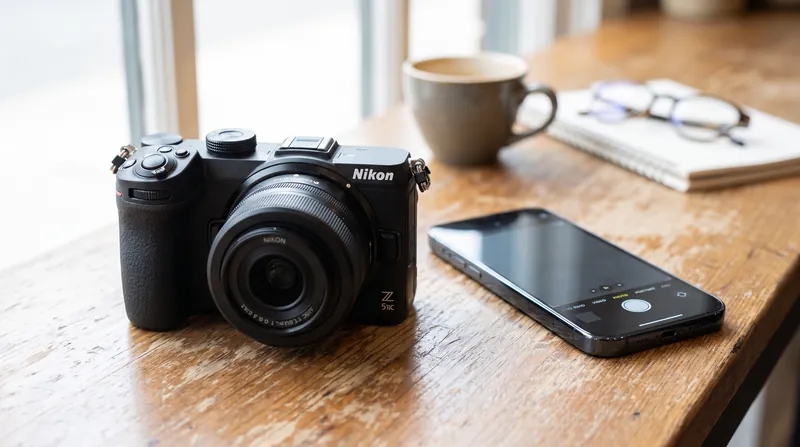
Phase Detection vs. Contrast Detection Autofocus: How On-Sensor Microlenses Dictate Speed and Accuracy
8 sources
Smart Home Safety
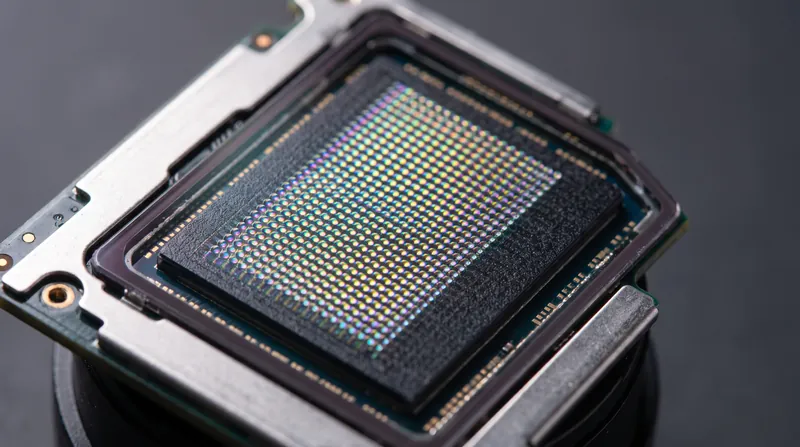
Why Flawed Instructions Caused Battery Fires in Wyze's 320,000 Solar Cam Pans
4 sources
Trade Policy
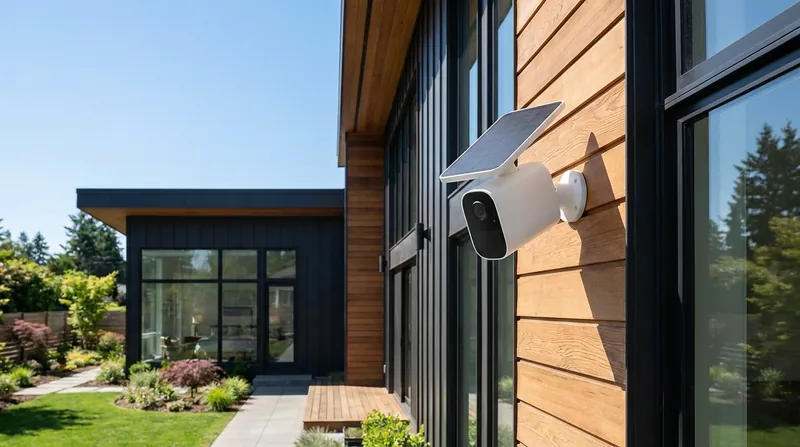
The EU's 'Camcorder Tax' Threat: How Reclassifying Digital Cameras Could Add 12.5% to Every Price Tag
2 sources
Video Production
The 99% Cost Cut: How AI-Generated Content is Democratizing Professional Video Production
3 sources
Comments
Every angle. Every day.
Get Shopping & Reviews stories with full source coverage and perspective breakdowns, free every day.