
The Post-Algorithm Era: Why Internet Creators Are Building Their Own Streaming Platforms
Exhausted by algorithmic unpredictability and a flood of AI-generated content, top digital creators are launching their own independent streaming platforms to directly monetize long-form 'slow content'.
By Factlen Editorial Team
- Independent Creators
- Focus on creative freedom, stable revenue, and escaping algorithmic burnout.
- Media Analysts
- Focus on the structural shift from ad-supported platforms to direct-to-consumer subscription models.
- Digital Minimalists
- Focus on audience fatigue with AI-generated content and the desire for intentional, long-form media.
What's not represented
- · Traditional streaming executives losing watch-time to independent creators.
- · Casual viewers who cannot afford multiple niche subscription fees.
Why this matters
As algorithms increasingly prioritize mass-produced, hyper-stimulating content, independent creators are building their own streaming platforms to survive. For viewers, this shift offers a 'cozy web' alternative—a return to high-quality, intentional media, provided they are willing to pay for it directly.
Key points
- Audiences are experiencing algorithmic fatigue, driving a surge in demand for unedited, long-form 'slow content'.
- To escape unpredictable ad revenues, top creators are launching their own direct-to-consumer streaming apps.
- White-label streaming infrastructure has allowed YouTubers to build Netflix-style platforms without massive tech teams.
- Creators are adopting Hollywood-style 'windowing,' releasing content to paid subscribers first before uploading to free platforms.
- The rise of creator cooperatives allows independent media makers to bundle subscriptions and fight viewer fatigue.
The internet feels fundamentally different in 2026. The frantic, hyper-edited, dopamine-chasing videos that dominated the early part of the decade are beginning to give way to something much quieter. A new era of digital media is taking hold, driven by audiences who are exhausted by the relentless pace of algorithmic feeds.[6]
The catalyst for this cultural shift was the overwhelming flood of generative media in 2025. As feeds became saturated with mass-produced "AI slop," audiences hit a wall of digital fatigue. Viewers grew tired of artificially generated scripts, robotic voiceovers, and content designed solely to hack retention metrics rather than provide genuine value.[3][8]
In response, a powerful "Slow Content" rebellion has emerged. Creators and audiences alike are pivoting toward long-form, unedited, and deeply researched media. It is now common to see three-hour video essays, ambient crafting streams, and deep-dive explainers dominating the cultural conversation.[8]
This shift represents a fundamental change in how audiences value their online time. Viewers are actively seeking out "human-verified" authenticity. They increasingly prefer conversational stumbles, raw 4K footage, and genuine expertise over polished, algorithmic perfection.[8]

However, producing slow, meticulous content is inherently risky on traditional social media. Platforms that rely on advertising revenue typically reward daily uploads, rapid engagement, and broad, lowest-common-denominator appeal—metrics that actively punish thoughtful, long-form journalism and art.[2]
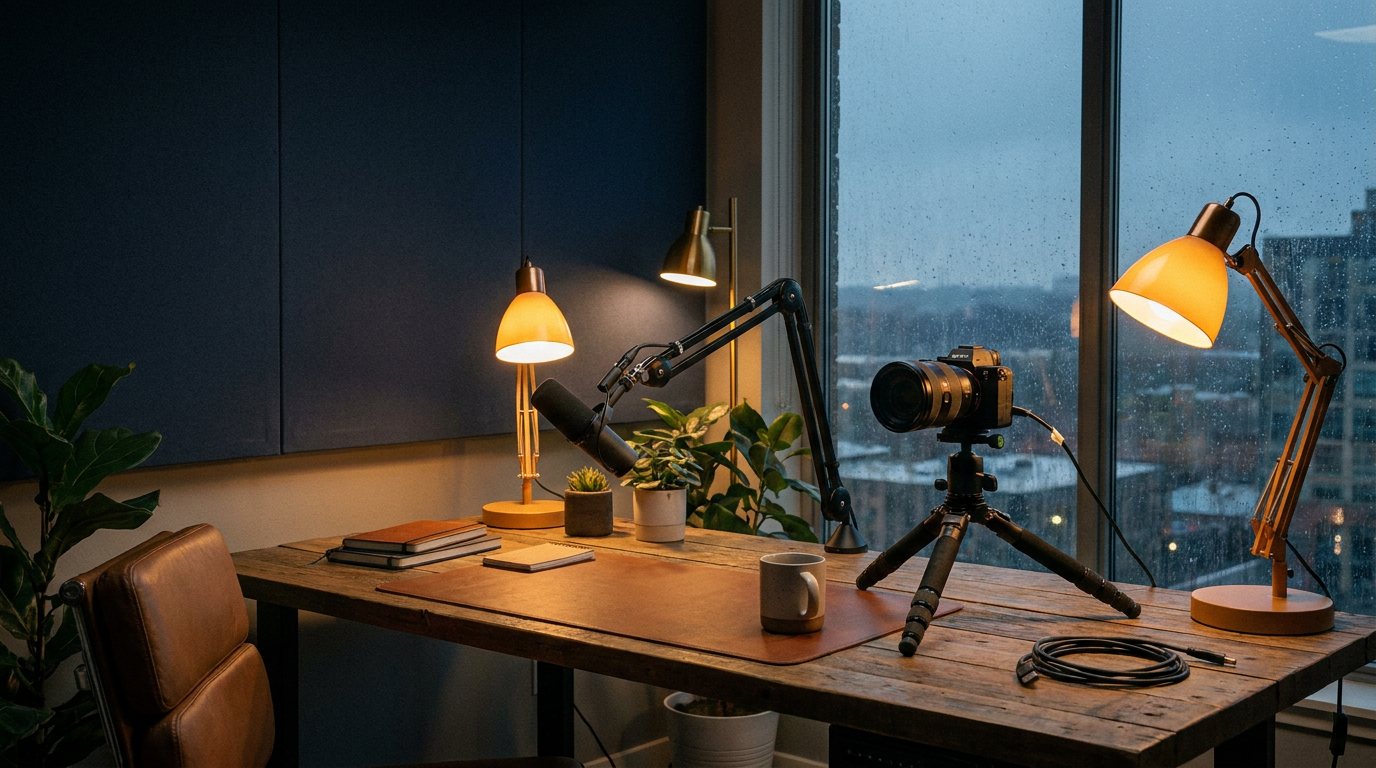
To survive and thrive without compromising their work, top creators are executing a massive structural shift. They are leaving the walled gardens of traditional social media to build their own independent, direct-to-consumer streaming platforms.[1][2]
This direct-to-consumer model allows creators to bypass the unpredictable nature of algorithmic feeds. By relying on direct subscription revenue from their most dedicated fans, creators are insulated from arbitrary demonetization rules and sudden shifts in platform priorities.[2]
The technological infrastructure to support this exodus has matured rapidly. White-label video hosting services now allow independent creators to launch fully functional, "Netflix-style" applications across smart TVs, tablets, and mobile devices without needing to hire an in-house engineering team.[1]
The technological infrastructure to support this exodus has matured rapidly.
The financial results of this technological democratization have been staggering. Custom creator applications powered by these backend services have collectively generated hundreds of millions of dollars in annual revenue, proving that the independent model is highly viable.[1]

A prime example of this success is Dropout, a digital comedy brand that transitioned from a corporate-owned YouTube channel into a massive independent streaming powerhouse. By offering uncensored, high-budget shows directly to fans, they built a sustainable empire outside the algorithm.[1]
Another pioneer of this movement is Nebula, a creator-owned cooperative platform built specifically to house deep-dive video essays, documentaries, and educational content that might struggle to find an audience on mainstream, fast-paced feeds.[7]
Nebula has grown to hundreds of thousands of paying subscribers, reaching a valuation of over $50 million. Its success proves that audiences are more than willing to pay directly for premium, niche knowledge when it is presented without the distraction of advertisements.[7]
The broader creator economy has entered a phase of institutional maturity, with projections estimating the sector's value at over $200 billion in 2026. This growth is being driven heavily by these diversified, owned-and-operated business models.[5]
Importantly, creators are not abandoning traditional social media entirely. Instead, they are adopting a sophisticated "windowing" strategy, a distribution model long utilized by the traditional Hollywood studio system.[2]

In this hybrid model, a creator might release a highly produced, ad-free video exclusively on their own platform first. Weeks or months later, they will publish an ad-supported, sometimes censored version on a free platform like YouTube.[2]
This approach utilizes massive algorithmic platforms purely as discovery engines. The free platforms serve as top-of-funnel marketing to attract new viewers, while the actual business is sustained by superfans paying for the premium experience on the private platform.[2]
The transition, however, is not without friction. As more individual creators launch standalone applications, industry analysts warn of potential "subscription fatigue" among viewers who simply cannot afford a dozen separate monthly fees.[3][6]
This economic reality is driving the rise of creator collectives and cooperatives. By bundling their content together on shared platforms, independent filmmakers and educators can offer viewers a much stronger value proposition while sharing the overhead costs of app development.[7]
How we got here
2019
Nebula launches as a creator-owned cooperative to reduce reliance on YouTube.
2020
Digital comedy brand Dropout goes independent after losing its corporate funding.
2024
Major creator groups like the Try Guys launch their own standalone streaming services.
2025
A flood of mass-produced 'AI slop' accelerates audience fatigue with traditional algorithmic feeds.
2026
The 'slow content' movement and direct-to-consumer creator platforms become dominant industry trends.
Viewpoints in depth
Independent Creators
Seeking financial stability and creative control away from unpredictable algorithms.
For years, digital creators operated essentially as tenant farmers on land owned by massive tech platforms. A sudden change to a recommendation algorithm could instantly demonetize a channel or bury a video that took months to produce. By building their own direct-to-consumer platforms, creators argue they are finally taking ownership of their businesses. This model allows them to focus on deeply researched, high-quality projects—knowing their core audience will fund the work directly—rather than chasing the daily viral trends required to appease an ad-driven feed.
Media Analysts
Tracking the maturation of the creator economy into a structured, institutional industry.
Industry analysts view the rise of creator-owned platforms as the natural evolution of digital media, mirroring the historical trajectory of cable television. As the creator economy scales past $200 billion, reliance on a single point of failure—like YouTube's ad ecosystem—is seen as an unacceptable business risk. Analysts note that the most successful digital brands are adopting Hollywood's 'windowing' strategies, using free platforms strictly as marketing funnels to drive highly profitable, recurring subscription revenue on their owned-and-operated apps.
Digital Minimalists
Audiences rejecting hyper-stimulating feeds in favor of intentional, long-form media.
From the audience's perspective, the shift toward 'slow content' is a necessary cure for digital burnout. Following the explosion of mass-produced 'AI slop' in 2024 and 2025, a growing segment of viewers began actively rejecting the frantic, hyper-edited videos designed to hijack their dopamine receptors. Digital minimalists argue that paying a few dollars a month for a creator-owned platform is an investment in their own mental health, allowing them to consume thoughtful, human-verified essays and ambient streams in a calm environment free from algorithmic manipulation.
What we don't know
- Whether casual viewers will tolerate paying multiple subscription fees as more creators leave free platforms.
- How major algorithmic platforms will adjust their monetization models to prevent top talent from migrating away.
- If the 'slow content' trend will remain a premium niche or eventually force a redesign of mainstream social feeds.
Key terms
- Slow Content
- Long-form, intentionally paced digital media designed for deep engagement rather than rapid, algorithm-driven dopamine hits.
- AI Slop
- A colloquial term for mass-produced, low-effort generative AI content that clutters algorithmic feeds.
- Windowing
- A distribution strategy where content is released on a paid, owned platform first, before being distributed to free, ad-supported platforms later.
- Creator Co-op
- A business model where multiple independent creators pool their resources to co-own and operate a shared streaming platform.
Frequently asked
Are creators leaving YouTube completely?
No. Most creators use a 'windowing' strategy, keeping YouTube for discovery and ad revenue while reserving their best, uncensored, or early-access content for their own paid platforms.
How much do these independent platforms cost?
Most individual or co-op creator platforms charge between $5 and $10 per month, positioning themselves similarly to niche streaming services.
Why don't creators just use Patreon?
While Patreon remains popular for basic funding, custom streaming apps offer superior video playback, smart TV casting, and a more premium, distraction-free experience for viewers.
Sources
Source coverage
8 outlets
3 viewpoints surfaced








[1]TubefilterIndependent Creators
Creators are building their own streaming services. Dropout, the Try Guys, and the Sidemen all used Vimeo to do it.
Read on Tubefilter →[2]Streaming MediaIndependent Creators
Life Beyond YouTube - The Shift to Creator-Owned Platforms and What It Means for the Creator Economy
Read on Streaming Media →[3]The DrumDigital Minimalists
What was social media's 'word of the year' for 2025?
Read on The Drum →[4]Reuters InstituteMedia Analysts
Journalism, media, and technology trends and predictions 2026
Read on Reuters Institute →[5]AutomateedMedia Analysts
Future of AI Tools for the Creator Economy in 2026
Read on Automateed →[6]Factlen Editorial TeamMedia Analysts
Synthesis by Factlen editorial team
Read on Factlen Editorial Team →[7]WikipediaMedia Analysts
Nebula (streaming service)
Read on Wikipedia →[8]GMSR EntertainmentDigital Minimalists
Top Social Media Trends of 2026 That Are Going Viral
Read on GMSR Entertainment →
More in entertainment
See all 59 stories →Pop Music
Olivia Rodrigo Releases Highly Anticipated Third Album 'You Seem Pretty Sad For A Girl So In Love'
6 sources
Music Economy
Global Music Revenues Hit Record $31.7 Billion as Vinyl Boom Meets 'Green Note' Sustainability
7 sources
Early Literacy
Dolly Parton's Imagination Library Surpasses 314 Million Books as Landmark Study Proves Literacy Impact
7 sources
Handheld PCs
Steam Deck OLED vs. ROG Ally X: Which Handheld Gaming PC Wins in 2026?
7 sources
Every angle. Every day.
Get entertainment stories with full source coverage and perspective breakdowns delivered to your inbox.