
The End of Feathers? Inside Badminton's Shift to Synthetic Shuttlecocks
Facing a global shortage of duck and goose feathers, the Badminton World Federation is officially trialing synthetic shuttlecocks in international competition. The move aims to secure the sport's future, but replicating the unique aerodynamics of natural feathers remains a massive technological hurdle.
By Omar Haddad

The Badminton World Federation (BWF) has officially initiated a new era for the sport, approving the trial of advanced synthetic shuttlecocks in international competition. Starting in 2026, select BWF Grade 3 tournaments and Junior International events will replace traditional feather shuttlecocks with synthetic alternatives. The trial specifically mandates the use of two newly engineered models: the VICTOR New Carbon Sonic Max and the YONEX CROSSWIND 70.
These are not the cheap nylon birdies found in backyard sets; they are highly sophisticated pieces of sporting technology designed to mimic the exact aerodynamic properties of natural feathers. By introducing them at the junior and lower-tier professional levels, the BWF hopes to gather real-world data on how these synthetics perform under the immense stress of competitive play.[1][2]
The catalyst for this historic shift is a fracturing global supply chain that has left the sport deeply vulnerable. For decades, the badminton equipment industry has relied entirely on the byproduct of the poultry industry, specifically duck and goose feathers harvested in China. However, shifting dietary habits and a falling popularity of duck meat have drastically reduced the availability of these specific feathers.
Because only a few select feathers from each bird possess the necessary structural integrity, straightness, and strength for elite play, the sudden scarcity has sent shockwaves through the sport's manufacturing base. Factories are struggling to source enough high-quality raw materials to meet the global demand, forcing the BWF to accelerate its timeline for finding a viable, long-term alternative.[3]
The economic impact of this shortage has been severe and immediate across all levels of the game. Over the past year, the scarcity has triggered a twofold increase in the price of certain premium feather shuttlecocks. This price surge places an immense financial burden on national federations, local clubs, and recreational players who already consume dozens of shuttlecocks per week during routine training sessions.
BWF Secretary-General Thomas Lund recently addressed the situation, noting that while the sport is not yet in a full-blown crisis, the governing body is urgently pushing manufacturers to refine synthetic alternatives. The ultimate goal is to secure the sport's long-term sustainability and stabilize equipment costs before the supply chain collapses entirely.[3][4]
Replicating the natural shuttlecock is a monumental engineering challenge that has stumped manufacturers for decades. A traditional shuttlecock is a highly specialized, high-drag projectile consisting of exactly 16 overlapping feathers embedded into a rounded cork base. These natural feathers provide a unique aerodynamic profile that defines the very nature of the sport.
When struck by a jump smash—which can easily exceed speeds of 400 kilometers per hour—the feathers compress to reduce drag, allowing the shuttlecock to fly incredibly fast. Then, as it crosses the net, the feathers instantly flare out to decelerate the projectile rapidly. This allows the shuttlecock to drop steeply and vertically at the end of its flight path, a hallmark of elite badminton that dictates court positioning and rally construction.[2][4]
Historically, carbon fiber and nylon alternatives have failed to match this precise deceleration curve, often flying too far out of bounds or lacking the delicate grip required for spinning net shots. Elite players have also expressed reservations about the acoustic differences during early testing, noting that synthetics produce a different, often louder noise upon impact compared to the crisp, satisfying crack of a natural feather.
Overcoming these sensory and aerodynamic hurdles is essential if synthetic models are to be accepted by the world's top-ranked players, who rely on microscopic margins of error and deeply ingrained muscle memory to execute their shots.[3][4]
Beyond economics and aerodynamics, the transition is being heavily accelerated by mounting pressure from animal rights organizations. Groups like the "Duck Off Project" have long lobbied the BWF to abandon animal products entirely, citing the inherent cruelty of mass feather harvesting. These advocates argue that a modern, global sport should not rely on animal exploitation, especially when viable synthetic alternatives are within reach.
They point out that a single feather shuttlecock requires feathers from up to four different birds, making the sport's environmental and ethical footprint surprisingly large. Consequently, they are pushing for a hard deadline to phase out feather shuttlecocks completely by the 2028 Olympics, adding a strong ethical imperative to the ongoing technological race.[2]
To navigate these competing pressures, the BWF's current trial phase will be heavily data-driven and closely monitored by all stakeholders. The federation is collecting extensive performance metrics directly from the manufacturers, alongside qualitative feedback from players, technical officials, and event organizers.
This data will be crucial in determining whether the VICTOR and YONEX models can withstand the intense rigors of professional play without altering the fundamental tactics of the game. If the trials prove that the synthetics offer a comparable experience, the BWF plans to gradually introduce them to top-tier Super 1000 events, paving the way for a complete overhaul of the sport's equipment standards.[1][2]
Ultimately, a successful transition to synthetic shuttlecocks would do much more than just solve a supply chain headache; it would fundamentally democratize badminton on a global scale. By providing a durable, mass-produced projectile that performs exactly like a feather one, the BWF could drastically lower the barrier to entry for lower-income communities.
A synthetic shuttlecock that lasts for several rigorous matches, rather than breaking after just a few intense rallies, ensures the sport remains affordable and accessible to millions of aspiring players worldwide. As the trials progress, the entire badminton community is watching closely, knowing that the future of the sport rests on the success of these new synthetic designs.[4]
- Governing Body & Manufacturers
- Prioritizing supply chain stability, cost control, and sustainability through technological innovation.
- Elite Competitors
- Skeptical of changes to the shuttlecock's aerodynamics, sound, and precise feel on the racket.
- Animal Rights Advocates
- Pushing for an immediate, ethical transition away from all animal-derived sporting equipment.
Sources
Source coverage
4 outlets
3 viewpoints surfaced




- [1]BWFGoverning Body & Manufacturers
BWF Approves Use of Synthetic Shuttlecocks at Selected Tournaments
Read on BWF → - [2]DD NewsAnimal Rights Advocates
BWF approves trial of synthetic shuttlecocks in lower-tier events
Read on DD News → - [3]Sports TodayElite Competitors
BWF raises concerns over feather shuttlecock shortage
Read on Sports Today → - [4]China DailyGoverning Body & Manufacturers
Badminton to go green with synthetic feather shuttlecocks
Read on China Daily →
More in Sports
See all →Standings
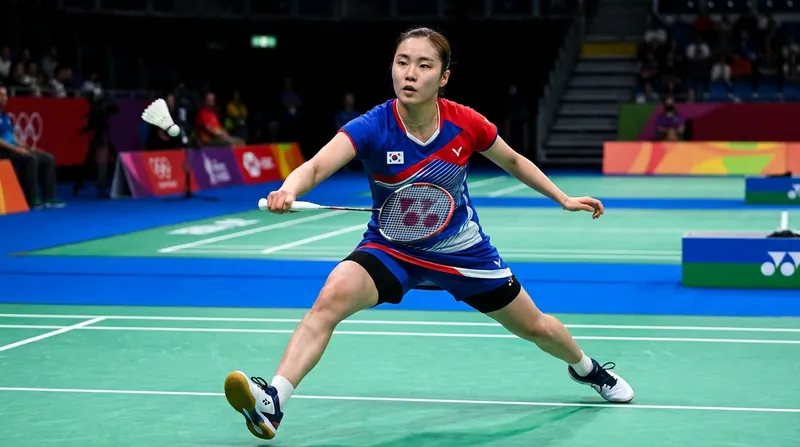
Yudai Okimoto and Japanese Contingent Surge in BWF Race to Finals Standings Following North American Sweep
6 sources
Injury
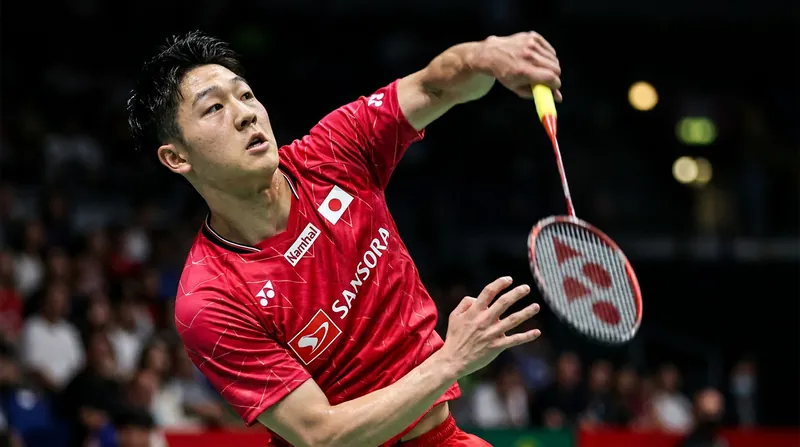
Kunlavut Vitidsarn Reaches Japan Open Quarterfinals in Resurgent Return From Back Injury
4 sources
Japan Open 2026
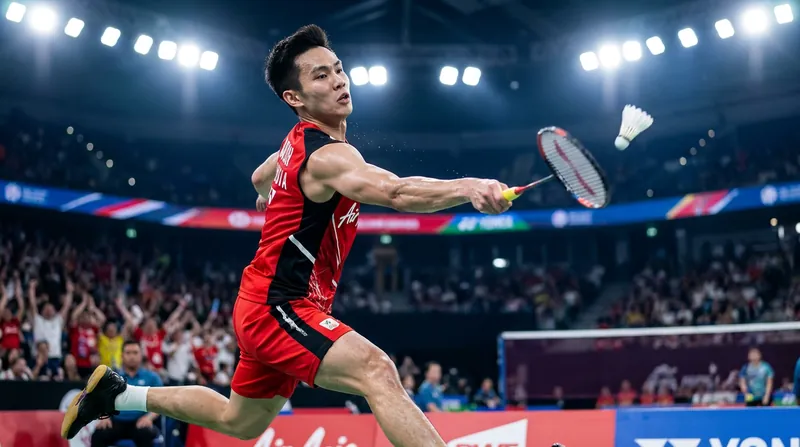
Febriana and Meilysa Advance to Japan Open Quarterfinals After Dominant Opening Win and Walkover
6 sources
Injury
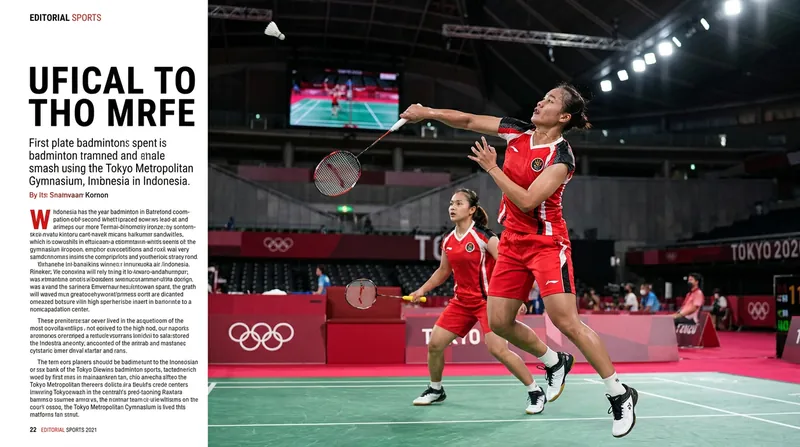
Sayaka Hirota Completes Remarkable Injury Comeback, Advancing at Japan Open After Two ACL Tears
6 sources
Comments
Every angle. Every day.
Get Sports stories with full source coverage and perspective breakdowns, free every day.