
Stem Cell Therapy Banishes Severe Autoimmune Disease for 15 Years in Landmark Study
Two patients with a paralyzing autoimmune disorder have remained completely symptom-free for 15 years after a pioneering stem cell treatment rebooted their immune systems.
By Factlen Editorial Team
- Regenerative Medicine Researchers
- Argue that stem cell therapies represent a functional cure that can permanently reset the immune system.
- Clinical Neurologists
- Emphasize cautious optimism, noting that the severe risks of immune ablation mean the therapy should be reserved for refractory cases.
- Patient Advocacy Groups
- Highlight the life-changing potential of a one-time treatment that frees patients from decades of daily immunosuppressant drugs.
What's not represented
- · Insurance Providers and Healthcare Economists
- · Patients ineligible for aggressive chemotherapy
Why this matters
For millions of people suffering from severe autoimmune diseases, this breakthrough proves that the immune system can be permanently 'rebooted.' It signals a monumental shift from a lifetime of expensive, side-effect-heavy symptom management to the possibility of a one-time functional cure.
Key points
- Two patients with Neuromyelitis Optica (NMOSD) have achieved 15 years of drug-free remission after stem cell therapy.
- The treatment, Autologous Hematopoietic Stem Cell Transplantation (AHSCT), effectively reboots the immune system.
- High-dose chemotherapy is used to wipe out the malfunctioning immune cells before healthy stem cells are reinfused.
- The newly generated immune system lacks the 'memory' to attack the patient's optic nerves and spinal cord.
- While highly effective, the intense conditioning phase carries significant upfront risks of infection.
- The success is accelerating clinical trials for other severe autoimmune conditions like multiple sclerosis.
Two patients with a severe, paralyzing autoimmune disease have remained completely symptom-free for 15 years following a pioneering stem cell treatment, according to a newly published report in Nature. The milestone represents one of the longest documented drug-free remissions in the history of severe autoimmune therapy, offering profound hope for conditions previously considered incurable.[1][5]
The disease in question is Neuromyelitis Optica Spectrum Disorder (NMOSD), a rare and devastating condition where the body's immune system mistakenly attacks its own central nervous system. Unlike multiple sclerosis, which causes widespread but often gradual demyelination, NMOSD specifically and aggressively targets the optic nerves and the spinal cord.[2]
For decades, a diagnosis of NMOSD meant a lifetime of heavy immunosuppressive drugs. Patients lived in constant fear of the next sudden relapse, as each attack could lead to cumulative, irreversible damage, including permanent blindness and paralysis.[2][3][5]
The new evidence suggests that a procedure known as Autologous Hematopoietic Stem Cell Transplantation (AHSCT) can effectively "reboot" the immune system, halting the disease in its tracks. Rather than simply suppressing the immune response, the therapy aims to replace it entirely.[1][3][4]

The mechanism behind AHSCT is both elegant and intense. First, doctors harvest the patient's own blood-forming stem cells, typically extracting them from the bone marrow or peripheral blood. These multipotent cells have the unique ability to develop into any type of blood or immune cell.[4][6]
Next comes the conditioning phase, which is the most grueling part of the procedure. The patient undergoes high-dose chemotherapy designed to intentionally wipe out their existing, malfunctioning immune system. This eradicates the specific rogue cells that are producing the antibodies attacking their nervous system.[3][4]
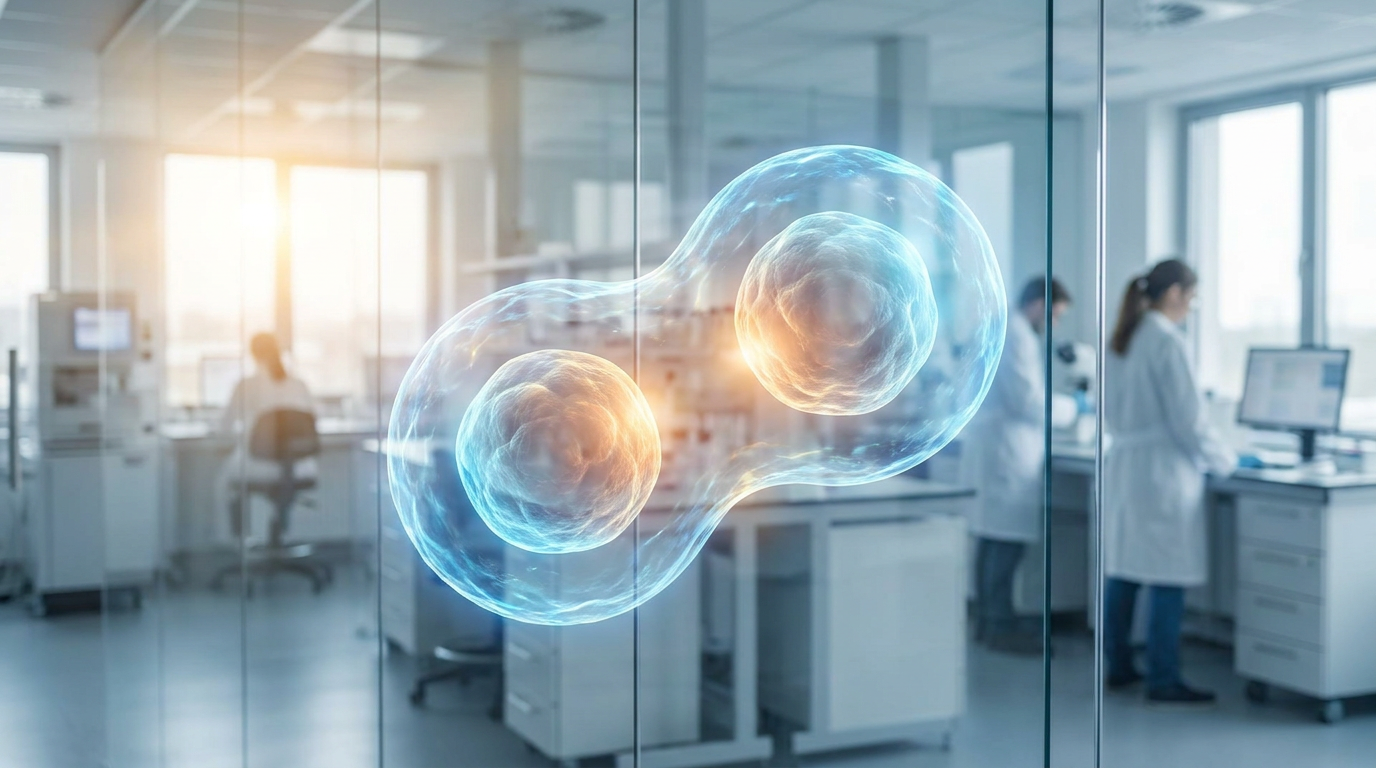
Once the defective immune cells are destroyed, the harvested stem cells are reinfused into the patient's bloodstream. These "naive" stem cells migrate back to the bone marrow and immediately begin the work of generating a brand-new, healthy immune system.[4][5]
Once the defective immune cells are destroyed, the harvested stem cells are reinfused into the patient's bloodstream.
Crucially, this newly minted immune system appears to lack the "memory" of the autoimmune attack. It does not produce the destructive aquaporin-4 (AQP4) autoantibodies that characterize the vast majority of NMOSD cases.[2][5]
The Nature report details the extraordinary long-term outcomes of the first two individuals to undergo this specific protocol for NMOSD. After 15 years of continuous, rigorous monitoring, neither patient has experienced a single relapse of the disease.[1]

Furthermore, neither patient has required any ongoing disease-modifying therapies or daily immunosuppressant medications during this entire 15-year period. In the realm of severe autoimmune disorders, this represents a massive paradigm shift from chronic, lifelong management to a potential functional cure.[1][3][5]
The durability of this remission is what makes the findings so significant to the broader medical community. Autoimmune diseases are notoriously difficult to suppress long-term, as rogue T-cells and B-cells often find ways to evade standard treatments and reignite the disease.[6]
Despite the profound success in these initial cases, researchers maintain transparent uncertainty about the therapy's broader applicability. AHSCT is an aggressive procedure with significant upfront risks, including severe vulnerability to life-threatening infections during the weeks when the immune system is depleted.[3][6]
It is also not yet definitively clear if the 15-year remission constitutes a permanent, lifelong cure, or if the immunological memory of the disease might eventually re-emerge decades later. Additionally, while the treatment prevents future damage, it cannot reverse existing paralysis or blindness caused by nerve tissue that was destroyed prior to the transplant.[2][5]

Nevertheless, the unprecedented success in NMOSD is accelerating interest in using engineered stem cells for other severe, refractory autoimmune conditions. Clinical trials are currently expanding to test similar immune-rebooting protocols for aggressive forms of multiple sclerosis, systemic lupus erythematosus, and systemic sclerosis.[4][6]
How we got here
1894
Neuromyelitis Optica (Devic's disease) is first described as a distinct clinical syndrome affecting the optic nerve and spinal cord.
2004
Scientists discover the AQP4 antibody, allowing NMOSD to be definitively distinguished from multiple sclerosis.
2011
The first experimental autologous stem cell transplants are performed on a small cohort of severe NMOSD patients.
June 2026
Nature publishes 15-year follow-up data showing complete, drug-free remission in the first two patients.
Viewpoints in depth
Regenerative Medicine Researchers
Focus on the potential to fundamentally cure autoimmune diseases rather than just managing their symptoms.
For decades, the medical consensus held that autoimmune diseases were lifelong afflictions requiring perpetual management. Regenerative researchers view this 15-year remission as proof-of-concept that the immune system can be entirely 'rebooted.' By extracting naive stem cells and wiping out the mature, malfunctioning immune cells, they argue it is possible to erase the body's immunological memory of the disease. This paradigm shift moves the goalposts from slowing decline to achieving permanent, drug-free remission.
Clinical Neurologists
Balance the excitement of the breakthrough with the stark clinical realities of the procedure's risks.
While celebrating the unprecedented 15-year remission, clinical neurologists caution that Autologous Hematopoietic Stem Cell Transplantation (AHSCT) is not a first-line treatment. The conditioning phase requires high-dose chemotherapy to intentionally destroy the patient's immune system, leaving them highly vulnerable to life-threatening infections for weeks or months. Consequently, many neurologists argue this aggressive intervention should currently be reserved for patients who have failed standard therapies and face imminent, severe disability.
Patient Advocacy Groups
Emphasize the psychological and financial liberation of a one-time, definitive treatment.
From the perspective of patients living with severe autoimmune disorders, the daily reality involves expensive, heavy immunosuppressant drugs that carry their own long-term side effects, alongside the constant anxiety of a sudden relapse. Patient advocates highlight that a one-time stem cell transplant, despite its grueling recovery, offers a chance at a normal life. They are pushing for expanded clinical trials and insurance coverage to make these regenerative therapies accessible to more than just a handful of trial participants.
What we don't know
- Whether the disease will eventually return after 20 or 30 years, or if the cure is truly permanent.
- Exactly which genetic or environmental factors make certain patients perfectly responsive to the transplant while others might relapse.
- How to safely adapt the intense chemotherapy conditioning phase for older or more medically fragile patients.
Key terms
- Neuromyelitis Optica Spectrum Disorder (NMOSD)
- A rare, relapsing autoimmune disease that causes severe inflammation in the central nervous system, primarily affecting the optic nerves and spinal cord.
- Autologous Hematopoietic Stem Cell Transplantation (AHSCT)
- A procedure that uses a patient's own blood-forming stem cells to rebuild their immune system after it has been intentionally suppressed.
- Aquaporin-4 (AQP4)
- A protein in the central nervous system that is mistakenly targeted and attacked by antibodies in the majority of NMOSD patients.
- Myelin
- The protective fatty coating surrounding nerve fibers, which is damaged during autoimmune attacks in conditions like NMOSD and multiple sclerosis.
- Conditioning
- The phase of treatment where high-dose chemotherapy is used to eradicate the patient's existing, malfunctioning immune cells.
Frequently asked
What is Neuromyelitis Optica (NMO)?
NMO is a rare autoimmune disorder where the body's immune system mistakenly attacks the optic nerves and spinal cord, leading to blindness and paralysis.
How does the stem cell treatment work?
Doctors extract the patient's own stem cells, use chemotherapy to wipe out the malfunctioning immune system, and then reinfuse the stem cells to grow a new, healthy immune system.
Does this reverse existing paralysis?
No. The treatment halts the disease and prevents future attacks, but it cannot repair nerve tissue that has already been permanently destroyed.
Is this treatment available to the public?
It is currently restricted to clinical trials and severe, treatment-resistant cases due to the intense risks of the chemotherapy conditioning phase.
Sources
Source coverage
6 outlets
3 viewpoints surfaced






[1]NatureRegenerative Medicine Researchers
Stem cells banish severe autoimmune disease for 15 years
Read on Nature →[2]National Institutes of HealthClinical Neurologists
AQP4-IgG-positive NMOSD: from pathophysiology to therapy
Read on National Institutes of Health →[3]Cleveland ClinicClinical Neurologists
Autologous Hematopoietic Stem Cell Transplantation for Autoimmune Diseases
Read on Cleveland Clinic →[4]Frontiers in Immunology
Adapting CAR-T and Hematopoietic stem cell therapies for autoimmune diseases
Read on Frontiers in Immunology →[5]Factlen Editorial TeamPatient Advocacy Groups
Synthesis by Factlen editorial team
Read on Factlen Editorial Team →[6]UCLA HealthRegenerative Medicine Researchers
Stem Cell Therapy for Autoimmune Diseases
Read on UCLA Health →

Every angle. Every day.
Get science stories with full source coverage and perspective breakdowns delivered to your inbox.