
Sony Surveys Developers on Physical Media Future, Signaling Potential Reversal of All-Digital Plan
Sony has quietly dispatched a survey to game developers seeking feedback on its controversial mandate to end physical disc production by 2028. The move suggests the console manufacturer may be reconsidering its digital-only transition following sustained industry and consumer backlash.
By Jackson Reed

- Physical Media Advocates
- Players fighting to preserve game ownership, offline access, and the secondary market.
- Independent Developers
- Studios arguing that physical retail presence is essential for game discovery and revenue.
- Platform Holders
- Corporations pushing for digital distribution to maximize profit margins and eliminate retail cuts.
Perspectives this story doesn't cover
- Major physical retailers like GameStop or Best Buy
Sony Interactive Entertainment holds the sole authority over how PlayStation games reach consumers, and the company is now quietly asking its development partners if its mandate to eliminate physical discs by 2028 went too far. The console manufacturer recently dispatched an unusually broad survey to studios, seeking direct feedback on the consequences of an all-digital ecosystem. The move represents a potential pivot for a platform holder that has spent the last several months aggressively defending its vision for a frictionless, digital-only future, signaling that the internal calculus may be shifting in response to industry pressure.[1][2]
The outreach marks the first internal friction regarding Sony's controversial July 2026 announcement that it would cease producing physical game discs starting in January 2028. According to hardware insider and content creator Moore's Law Is Dead, the questionnaire indirectly probes the issue and is one of the largest the company has ever distributed. "There was a question in it asking, basically trying to ask in a not-direct way, 'Is there an issue with how we sell games physically?'—or something like that—asking developers for feedback on killing discs," he stated during a recent podcast appearance.[2][4]
For many third-party studios, the answer to Sony's question is an emphatic yes. During the recent Gamescom 2026 trade fair, multiple developers and publishers expressed deep frustration over the impending digital-only mandate to industry analysts. Physical releases continue to account for a substantial portion of revenue, particularly for mid-sized and independent teams who rely on retail visibility to drive early adoption. Digital Foundry's John Linneman reported that many of the developers he spoke with were "largely very upset," noting that in several cases, physical releases still account for the absolute majority of their overall revenue.[2]
The financial reality of physical media remains remarkably robust even for PlayStation's own blockbuster first-party titles. Recent industry estimates indicate that physical copies represented approximately 46% of revenue for the acclaimed platformer Astro Bot, and roughly 35% for the flagship release Marvel's Spider-Man 2. The trend has continued into the current release window, with data showing that more than one in five reported sales for the recently launched Marvel's Wolverine were physical copies. For developers looking at those margins, the prospect of abandoning a distribution channel that reliably delivers a quarter to a half of a game's revenue is a daunting proposition.[2][4]
The financial reality of physical media remains remarkably robust even for PlayStation's own blockbuster first-party titles.
For Sony, the financial incentive to force a digital transition remains massive, regardless of developer anxiety. Digital sales eliminate the manufacturing, shipping, and retail cuts associated with physical discs, allowing the platform holder to retain a significantly larger share of each $70 transaction on the PlayStation Store. PlayStation's own official data noted that 85% of its sales were digital during the fourth quarter of fiscal year 2025, a massive leap from just 19% in fiscal year 2015. By monopolizing how players can buy games, Sony captures the entire distribution margin, making the move to a digital-only future incredibly lucrative.[1]
The initial 2028 phase-out announcement triggered immediate and sustained backlash from the PlayStation player base, which has not subsided in the months since. Consumers raised alarms over game preservation, the inability to resell titles on the secondary market, and the loss of offline access. According to former Santa Monica Studio writer Alanah Pearce, Sony anticipated the hostility long before the announcement went live. Pearce noted that her sources indicated the company "would only have done this if they knew it was going to be an enormous PR issue" and that the ongoing community outrage "is no surprise to them."[1][3]
The internal developer questionnaire coincides with a broader data-gathering effort aimed directly at the player base. Sony has also been soliciting feedback from consumers regarding their general satisfaction with the PlayStation 5 hardware and software ecosystem. Reports indicate that these public-facing surveys also touch upon physical game purchasing habits, further fueling speculation that the company is measuring the total blast radius of its policy before fully committing to the shutdown of its disc manufacturing facilities. The dual-pronged approach suggests that Sony is attempting to quantify exactly how much goodwill and revenue it stands to lose.[3][5]
While the surveys indicate that Sony is actively evaluating the fallout, the company has not publicly committed to altering its January 2028 deadline, and preparations at its physical manufacturing plants are reportedly still underway. The hardware giant now faces a critical decision window: it must weigh the highly lucrative margins of a closed digital storefront against the mounting hostility of its player base and the financial anxieties of the developers who supply its ecosystem. If the survey results skew heavily enough toward physical preservation, it could force the first major policy reversal of the PlayStation 6 generation before the console even arrives.[1][2][4]
The stakes
If Sony reverses its 2028 digital-only mandate, millions of players will retain the ability to buy, sell, and preserve physical games on future PlayStation consoles. For developers, maintaining the physical retail market preserves a crucial revenue stream that often determines whether an independent studio can survive to fund its next project.
The essentials
- Sony has sent an extensive survey to developers seeking feedback on its plan to end physical game production by 2028.
- The questionnaire indirectly asks studios if the abandonment of physical media presents a material problem for their operations.
- Industry analysts report that physical copies still account for 35% to 46% of revenue for major PlayStation releases.
- The internal developer survey follows months of sustained backlash and organized boycotts from the PlayStation player base.
- Sony has not yet publicly committed to altering its January 2028 deadline for the digital-only transition.
Perspectives explored
Independent and Mid-Sized Developers
Studios that rely on retail presence to drive early sales and visibility.
For smaller teams without the massive marketing budgets of first-party studios, physical retail shelves serve as a crucial discovery mechanism. These developers argue that an all-digital storefront heavily favors established franchises and algorithmically promoted titles, burying new IP. The loss of physical distribution cuts off a vital revenue stream that often determines whether a studio can afford to fund its next project.
Physical Media Advocates
Players and preservationists fighting to maintain ownership and offline access to their games.
This camp views the 2028 phase-out as a direct assault on consumer rights. They argue that digital licenses can be revoked, altered, or lost if a storefront shuts down, whereas a physical disc guarantees permanent access to the software. Furthermore, they highlight the importance of the secondary market, noting that the ability to buy, sell, and trade used games makes the hobby financially accessible to a much broader demographic.
Digital-First Publishers
Major publishers and platform holders prioritizing profit margins and streamlined distribution.
From a purely financial perspective, the transition away from physical media is highly efficient. Digital distribution eliminates the logistical nightmares of manufacturing, warehousing, and shipping millions of plastic cases globally. For platform holders like Sony, it also ensures that every purchase happens within their walled garden, preventing retailers from taking a 30% cut of the sale and entirely eliminating the secondary market where publishers see zero return on used game sales.
Open questions
- Whether the survey results will actually prompt Sony to delay or cancel its January 2028 deadline for ending physical disc production.
- How the potential reversal would affect the design and pricing of the upcoming PlayStation 6 hardware.
- What specific percentage of developers indicated that the loss of physical media would critically harm their studio's revenue.
Sources
Source coverage
5 outlets
3 viewpoints surfaced





- [1]ComicBook.comPhysical Media Advocates
New PlayStation Rumor Suggests Sony Could Reverse Course on Abandonment of Physical Games - ComicBook.com
Read on ComicBook.com → - [2]TwistedVoxelIndependent Developers
PlayStation Reportedly Sent Survey To Developers Asking For Their Opinion On End Of Physical Media - TwistedVoxel
Read on TwistedVoxel → - [3]CBRPhysical Media Advocates
PlayStation Considers Walking Back End of Physical Games in Reported Survey - CBR
Read on CBR → - [4]BigGo FinancePlatform Holders
Sony Surveys Developers on Plan to End PlayStation Discs, Fueling Speculation of a Reversal - BigGo Finance
Read on BigGo Finance → - [5]ExpreviewPlatform Holders
Sony reportedly sent a survey to game developers seeking feedback on the decision to discontinue support for physical discs. (Expreview)
Read on Expreview →
Comments

More in Gaming & Esports
See all →VCT Champions
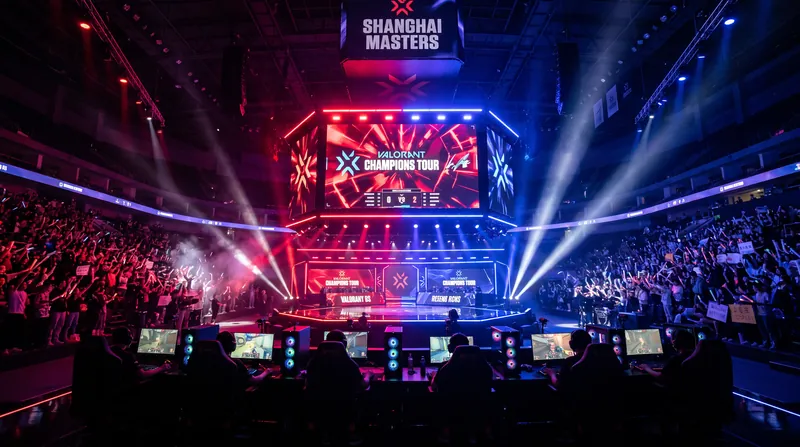
VALORANT Champions 2026 Kicks Off in Shanghai as Final Tournament of Franchised VCT Era
6 sources
Esports Business
Complexity Gaming Ceases Operations After 23 Years as Founder Jason Lake Cites Financial Strain
5 sources

Xbox Restructuring
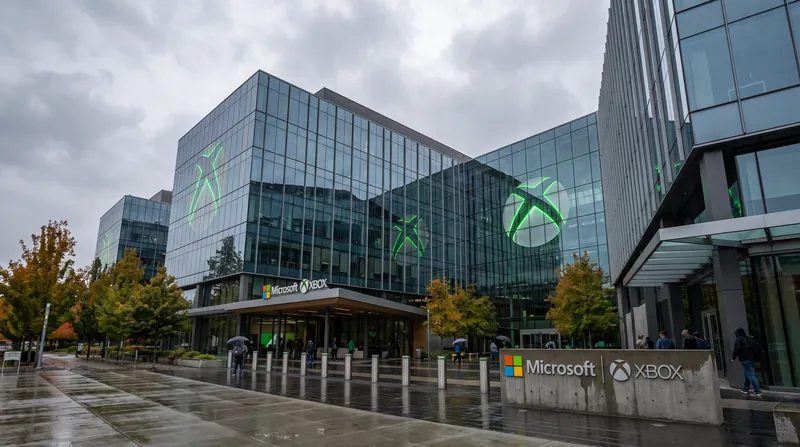
Microsoft Proposes Closure of Ninja Theory as Activision Takes Over Halo Development
5 sources
Cloud Rendering
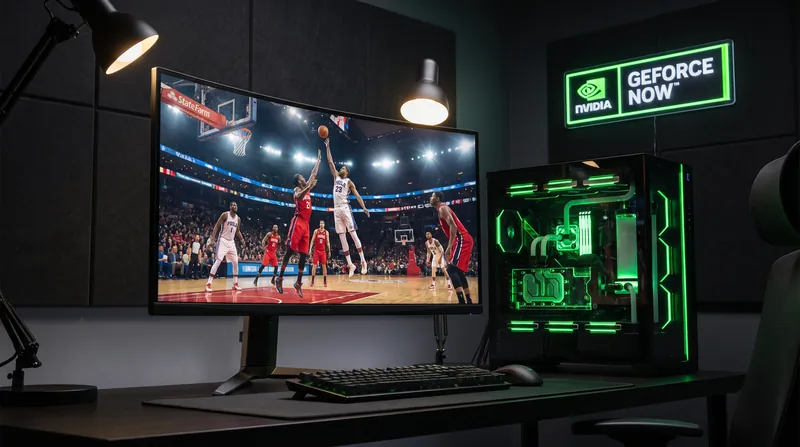
NBA 2K27 Becomes First Game to Officially Support DLSS 5 Neural Rendering on GeForce NOW RTX 5080 Servers
7 sources
Every angle. Every day.
Get Gaming & Esports stories with full source coverage and perspective breakdowns delivered to your inbox.