
Pakistan Army Chief Arrives in Tehran for Security Talks Amid US-Iran Tensions
Field Marshal Asim Munir is leading a Pakistani delegation to Tehran in a bid to revive stalled peace talks between the US and Iran. The mediation effort coincides with Washington's preparation of unprecedented economic sanctions and a reimposed naval blockade in the Persian Gulf.
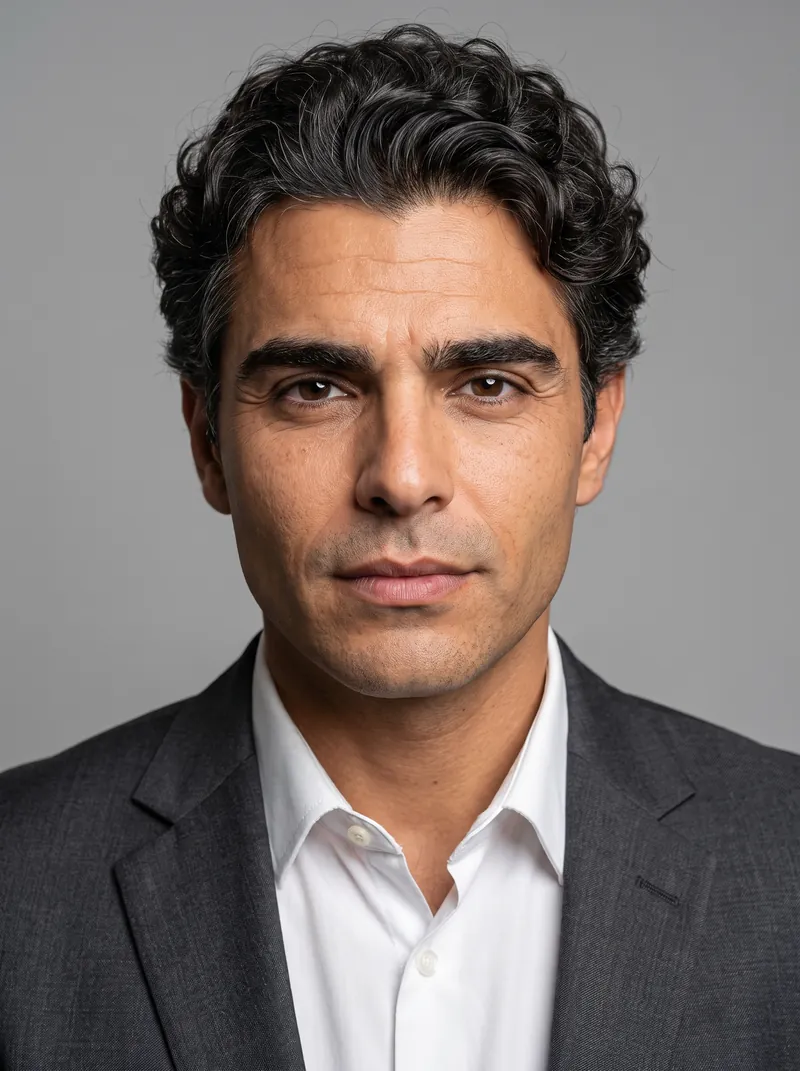
The United States is preparing to launch what its Treasury Department calls an "economic D-Day" against Iran, while a reimposed American naval blockade actively chokes commercial transit in the Persian Gulf. Against this backdrop of rapidly escalating pressure, the diplomatic window to halt the six-month Middle East war is closing. To prevent a total collapse of negotiations, Pakistan's military leadership has stepped directly into the breach, attempting to bridge a divide that has paralyzed global energy markets and triggered widespread regional instability.[1][3][6]
Field Marshal Asim Munir, Pakistan's Chief of Army Staff, arrived in Tehran on Monday to mediate face-to-face between the United States and the Iranian government. The high-stakes visit, confirmed by Iranian Foreign Ministry spokesman Esmaeil Baghaei, represents a critical diplomatic intervention as the conflict threatens to spiral. Munir is leading a senior delegation tasked with reviving stalled peace talks and reportedly delivering a new framework proposal from Washington, aiming to establish a ceasefire before the military and economic standoff over the Strait of Hormuz triggers a broader regional war.[2][3][4][5][6]
Munir's arrival in the Iranian capital coincides directly with an impending announcement from Washington regarding unprecedented financial penalties. US Treasury Secretary Scott Bessent has publicly described the planned measures as the "toughest sanctions in history," designed to systematically sever Tehran's remaining economic lifelines and isolate the country from global financial infrastructure.
The American strategy relies on maximizing financial pain to force Iranian concessions at the negotiating table. However, regional analysts note that this maximum-pressure tactic has historically prompted Tehran to retaliate through asymmetric military operations and proxy engagements rather than immediate diplomatic capitulation.[1][3][6]
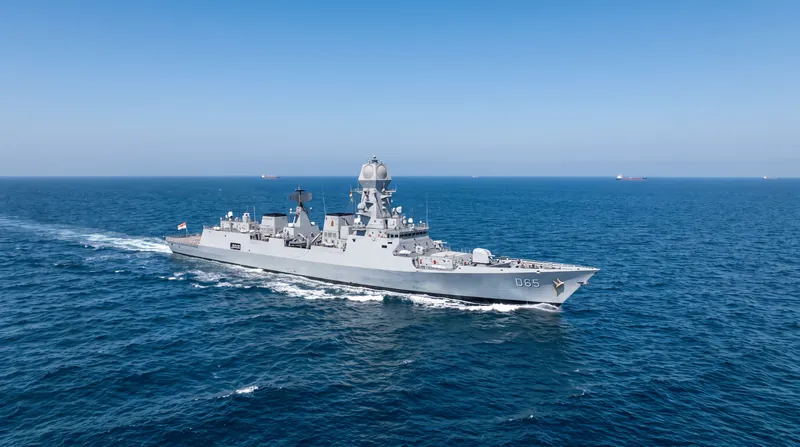
On the water, the military standoff has already intensified significantly. US Central Command reported over the weekend that it had redirected at least 70 commercial vessels, disabled three, and boarded two others as part of a reimposed naval blockade. This aggressive maritime posture has effectively halted routine commercial traffic through Iranian-controlled chokepoints, severely disrupting global shipping routes. The blockade serves as the physical enforcement mechanism of Washington's economic isolation campaign, directly challenging Iran's operational control over its territorial waters.[6]
Islamabad has served as the primary, indispensable backchannel between Washington and Tehran since the war erupted in late February following coordinated United States and Israeli military strikes on Iranian targets. Pakistan's diplomatic corps, leveraging its unique position as a US ally with deep historical ties to Iran, previously brokered a fragile memorandum of understanding in June that temporarily paused hostilities.
However, those initial negotiations ultimately stalled over intractable disagreements regarding long-term security guarantees, the lifting of prior sanctions, and the fundamental rules governing freedom of navigation through the strategic Strait of Hormuz.[1][2][3]
In Tehran, Munir faces the challenge of negotiating with a newly reshuffled and notably hardline Iranian security apparatus. The Pakistani army chief is scheduled to hold extensive discussions with Major General Ahmad Vahidi, the recently appointed head of the Islamic Revolutionary Guard Corps, as well as Major General Ali Abdollahi, the Chief of General Staff of the Armed Forces. He will also meet with Mohsen Rezaei, the newly installed Secretary of the Supreme National Security Council, who has signaled a rigid defensive posture against Western pressure.[3][7]
Iranian officials have maintained a hardened, uncompromising stance against the incoming US economic offensive. Rezaei recently issued a stark warning to neighboring Gulf states, cautioning them against participating in or facilitating the new American sanctions regime. Meanwhile, Iranian President Masoud Pezeshkian has publicly defended the stalled June framework as the only viable path out of the current "neither war nor peace" limbo, insisting that Tehran will not negotiate under the duress of an active naval blockade and imminent financial ruin.[3]
The ultimate success of Munir's mediation effort hinges entirely on finding a workable, face-saving compromise before the US Treasury formally activates its new sanctions architecture and Iran responds militarily. With both sides heavily entrenched in their respective positions and domestic political pressures mounting in both Washington and Tehran, Pakistan's diplomatic maneuvering represents one of the few remaining off-ramps. If this backchannel fails, the region faces the immediate prospect of a protracted, multi-front conflict that could permanently alter the Middle Eastern security landscape.[1][2][3][5][6]
Viewpoints in depth
Diplomatic Mediators
Pakistan's stance focuses on maintaining open backchannels and preventing a regional escalation.
Pakistani officials view their role as the indispensable bridge between Washington and Tehran, leveraging their unique position as a major US non-NATO ally that shares a border and deep historical ties with Iran. Islamabad argues that the June memorandum of understanding remains the most viable blueprint for peace, warning that abandoning the diplomatic track will inevitably lead to a wider conflict that destabilizes South Asia and the broader Middle East.
US Maximum Pressure
Washington's strategy relies on severe economic and military isolation to force Iranian concessions.
The US administration maintains that Tehran will only agree to necessary security guarantees and freedom of navigation protocols if faced with overwhelming financial and military pressure. By preparing unprecedented sanctions—described by the Treasury as an 'economic D-Day'—and enforcing a strict naval blockade, Washington aims to systematically dismantle Iran's ability to fund asymmetric regional operations, calculating that economic strangulation will force a return to the negotiating table on American terms.
Iranian Defense Establishment
Tehran's leadership insists it will not negotiate under the duress of blockades and sanctions.
Iran's newly reshuffled security apparatus, led by figures like IRGC head Maj. Gen. Ahmad Vahidi and Supreme National Security Council Secretary Mohsen Rezaei, views the incoming US sanctions as an act of economic warfare. The Iranian establishment argues that Washington's naval blockade violates international maritime law and insists that any lasting peace agreement must include the immediate lifting of economic penalties, warning neighboring Gulf states against cooperating with the US pressure campaign.
Key points
- Pakistan's Army Chief Asim Munir arrived in Tehran to mediate stalled peace talks between the US and Iran.
- The visit coincides with the US Treasury preparing what it calls the 'toughest sanctions in history' against Tehran.
- US Central Command has reimposed a naval blockade, redirecting at least 70 commercial vessels in the region.
- Munir is scheduled to meet with Iran's newly appointed senior military leadership, including the head of the IRGC.
How we got here
February 2026
The conflict begins following coordinated US and Israeli military strikes on Iranian targets.
June 2026
Pakistan brokers a fragile memorandum of understanding between Washington and Tehran, temporarily pausing hostilities.
July 2026
Negotiations stall over disagreements regarding freedom of navigation and long-term security guarantees.
August 2026
The US reimposes a naval blockade and prepares unprecedented economic sanctions, prompting renewed Pakistani mediation.
- Diplomatic Mediators
- Advocates for maintaining open backchannels and preventing regional escalation through dialogue.
- US Maximum Pressure
- Supports using severe economic sanctions and naval blockades to force Iranian concessions.
- Iranian Defense Establishment
- Resists Western economic pressure and refuses to negotiate under the duress of sanctions.
Perspectives this story doesn't cover
- Commercial Shipping Operators
- Neighboring Gulf States
Sources
Source coverage
7 outlets
3 viewpoints surfaced



- [1]The Economic TimesUS Maximum Pressure
Pakistan Army Chief Asim Munir heads to Tehran as US plans 'toughest' Iran sanctions
Read on The Economic Times → - [2]The HinduIranian Defense Establishment
Pakistan Army chief Asim Munir to visit Tehran on August 24: Iran
Read on The Hindu → - [3]The Times of IndiaIranian Defense Establishment
Pakistan army chief Asim Munir to visit Iran amid push to revive stalled US talks
Read on The Times of India → - [4]APADiplomatic Mediators
Asim Munir visits Tehran
Read on APA → - [5]DawnDiplomatic Mediators
Chief of Defence Forces (CDF) and Chief of Army Staff Field Marshal Syed Asim Munir will visit Tehran on Monday
Read on Dawn → - [6]Big News NetworkUS Maximum Pressure
Pakistan Army Chief To Visit Tehran Amid Mediation Efforts
Read on Big News Network → - [7]Al JazeeraIranian Defense Establishment
Pakistan's Army Chief Asim Munir visits Tehran for mediation talks
Read on Al Jazeera →
More in World
See all →Global Security
UN Global Risk Report Identifies Large-Scale War as Fastest-Rising Global Threat
7 sources
African Union Law
How the African Union's Principle of Non-Indifference Reconciles Intervention with State Sovereignty
8 sources
Baltic Security
NATO Jets Down Drone Over Lithuania as Russian Warship Fires on Danish Helicopter
4 sources
Tartus Naval Base
Russian Convoy Resupplies Syrian Coastal Facilities Under New Military Memorandum
4 sources
Comments
Every angle. Every day.
Get World stories with full source coverage and perspective breakdowns, free every day.