
Russian Convoy Resupplies Syrian Coastal Facilities Under New Military Memorandum
A four-vessel Russian naval and cargo convoy docked at the Syrian port of Tartus, marking the first resupply mission since Damascus and Moscow signed an agreement to reorganize Russia's military presence. The August memorandum transfers civilian port and airport operations to Syrian control while converting Russian military installations into joint training centers.
By Javier Cruz

- Russian Logistics Command
- Focuses on maintaining the 'Syrian Express' supply lines and Mediterranean access.
- Syrian State Administration
- Prioritizes the return of civilian infrastructure to national control.
- NATO Maritime Monitors
- Tracks the movement of sanctioned vessels and the systematic disabling of tracking systems.
Perspectives this story doesn't cover
- Syrian civilian port operators
- Regional commercial shipping companies
Why it matters
The resupply operation demonstrates that Russia retains its strategic foothold and logistical reach in the eastern Mediterranean, even as it transitions civilian infrastructure back to Syrian state management following the recent change in government.
On September 7, a four-vessel Russian convoy arrived at the Mediterranean port of Tartus, dropping anchor at piers 3 and 4 to unload supplies and ammunition. A surveillance balloon monitored the airspace over the harbor as the cargo was transferred to the docks.[1][2]
The flotilla, tracked by satellite imagery and the maritime intelligence firm SynMax, included the sanctioned Ro-Ro cargo ship Sparta and the navy replenishment oiler Akademik Pashin. The Udaloy-class destroyer Admiral Levchenko provided the escort, while a fourth vessel, the tanker General Skobelev, held its position offshore.[1][3]
The delivery is the first physical resupply mission since August 9, when the Syrian Foreign Ministry announced a memorandum of understanding with Moscow. Following 18 months of negotiations, the agreement reorganizes a military presence that has anchored Russian power projection in the Middle East and Africa.[1][4]
Under the new framework, which carries a maximum three-month implementation window, facilities designated for civilian use will transition to Syrian state administration. This handover includes Hmeimim Airport and the fourth commercial berth at the Port of Tartus, integrating them into the national civilian system.[2][4]
Under the new framework, which carries a maximum three-month implementation window, facilities designated for civilian use will transition to Syrian state administration.
The remaining military installations will not operate under their previous basing agreements. Instead, the two governments agreed to convert the military sites at Hmeimim and Tartus into joint training and qualification centers, preserving Russian access under a restructured legal mandate.[1][4]
The convoy's journey began on August 27 when the vessels crossed the Strait of Gibraltar, ending a two-month pause in Russian naval deployments to the Mediterranean. The ships switched off their Automatic Identification System (AIS) transponders upon entering the sea.[3]
A senior European military source monitoring the deployment noted that vessels operating on this route have "begun switching off AIS more frequently in recent months, and this practice has become almost systematic." The Italian frigate Carabiniere and multiple UK Royal Navy vessels tracked the convoy's transit.[3]
What to know
- A four-vessel Russian convoy docked at the Syrian port of Tartus on September 7 to unload military supplies.
- The delivery is the first since an August 9 memorandum reorganized Russia's military presence in Syria.
- The agreement transfers civilian facilities at Tartus and Hmeimim to Syrian state management.
- Russian military installations will be converted into joint training centers over a three-month transition period.
- The convoy's arrival confirms Moscow retains its sole Mediterranean naval repair facility under the new Syrian government.
Sources
Source coverage
4 outlets
3 viewpoints surfaced




- [1]ReutersRussian Logistics Command
Russian Convoy Resupplies Syrian Coastal Facilities for First Time Since Moscow-Damascus Deal
Read on Reuters → - [2]DevdiscourseRussian Logistics Command
Russia Resupplies Syrian Bases Amid Military Cooperation Agreement
Read on Devdiscourse → - [3]EuronewsNATO Maritime Monitors
Russia sends sanctioned ships to Mediterranean as NATO tracks 'Syrian Express' convoy
Read on Euronews → - [4]MilitarnyiSyrian State Administration
Russia and Syria Sign Memorandum on Future of Russian Bases in Country
Read on Militarnyi →
Comments

More in World
See all →Militia Disarmament
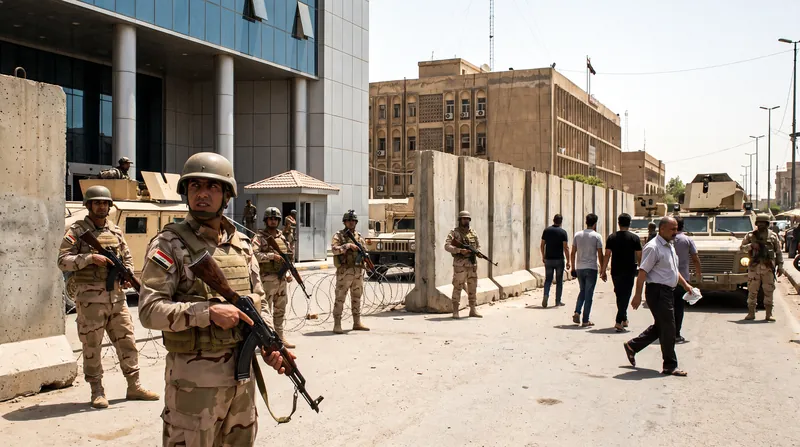
Comparing the Two Frameworks for Iraqi Militia Disarmament Ahead of the US Withdrawal
7 sources
Red Sea Security
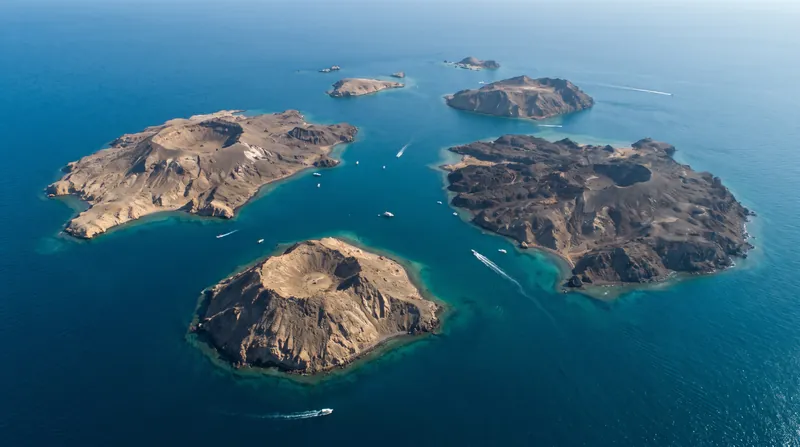
Houthi Forces Seize Hanish Islands in Red Sea, Tightening Control Over Bab el-Mandeb Strait
4 sources
Grid Storage
Comparing the Two Frameworks for Grid-Scale Battery Deployment: California's Mandate vs. Texas's Market
4 sources

Maritime Chokepoints
The Structural Shift in Global Maritime Trade: How Chokepoint Vulnerability is Redrawing Shipping Routes
3 sources
Every angle. Every day.
Get World stories with full source coverage and perspective breakdowns delivered to your inbox.