
Multi-State Building Codes Ban New Gas Furnace Installations, Making Electric Heat Pumps the Default
Starting in 2026, updated building codes in states like California and Colorado effectively ban new gas furnace installations in favor of electric heat pumps. The shift aims to slash emissions but introduces new upfront costs and training hurdles for the construction industry.
By Noor Saidi

The biggest misconception about the wave of "gas furnace bans" hitting the United States in 2026 is that the government is coming to rip the existing heater out of your basement. That is entirely false. If your current natural gas furnace breaks in the middle of winter, you can still legally repair it or, in most jurisdictions, replace it with another gas unit.
The new regulations sweeping across the country are not about confiscating existing appliances; they are about fundamentally restructuring how new homes are built and how major renovations are permitted. For existing homeowners, the immediate impact is minimal, but for the construction industry, the rules of the game have permanently changed.[3]
Starting January 1, 2026, a cascade of updated building codes across multiple states—including California, Colorado, Washington, Oregon, and New York—effectively makes electric heat pumps the mandatory default for new residential and commercial construction. These changes impact roughly 15 percent of all new heating system installations nationwide, representing a massive shift in the American housing market.
For a prospective homebuyer, this means any newly built house you tour this spring will almost certainly be heated and cooled entirely by electricity, with no gas line running to the property. The shift is designed to lock in decades of emissions reductions before the concrete is even poured.[3]
The regulatory mechanisms driving this shift vary by state, but the destination is the same. In California, the 2025 Building Energy Efficiency Standards (commonly known as Title 24), which took effect on January 1, 2026, do not technically outlaw gas furnaces outright.
However, the code requires builders who choose to install a gas system to run a complex performance compliance model and offset the emissions with extreme, cost-prohibitive energy efficiency measures elsewhere in the home. This regulatory friction effectively makes the electric heat pump the only viable prescriptive pathway for developers looking to keep projects on schedule and on budget.[1]
Other states are taking a more direct legislative route to phase out fossil fuels. Colorado has implemented a hard ban on new residential gas furnace installations starting this year, with commercial building limits scheduled to follow in 2027. Washington and Oregon are expanding their own gas appliance limits between 2026 and 2028, tightening the net around new construction.
The goal across these jurisdictions is to sever the real estate sector's reliance on fossil fuels, targeting the building emissions that have historically been difficult to regulate. By focusing on new builds, states avoid the political landmine of forcing retrofits on unwilling homeowners.[3]
The technology enabling this transition is the electric air-source heat pump. Unlike a traditional furnace that burns natural gas, propane, or heating oil to generate heat, a heat pump uses electricity and advanced refrigerants to absorb ambient heat from the outside air and transfer it inside the home.
Because they move heat rather than create it through combustion, modern heat pumps are remarkably efficient. They routinely run circles around conventional HVAC systems by delivering up to three times more heating energy than the electrical energy they consume, even in sub-freezing temperatures.
State regulators and environmental advocates point to massive systemic benefits stemming from this technological shift. The California Energy Commission estimates that its updated 2026 code will save consumers billions in energy costs over the lifespan of the buildings while reducing greenhouse gas emissions by millions of metric tons. Nationally, research indicates that transitioning away from polluting heaters could avert massive amounts of carbon emissions by 2045, while simultaneously drastically reducing indoor nitrogen oxide pollution that contributes to childhood asthma and respiratory diseases.[2][4]
However, the upfront economics for builders and buyers present a complex hurdle that cannot be ignored. Installing a heat pump system in a new build is not a simple one-to-one swap with a gas furnace.
The transition often requires upgraded electrical panels to handle the increased load, as well as advanced whole-house mechanical ventilation systems, such as Energy Recovery Ventilators (ERVs), to meet the stringent air-sealing requirements of the new codes. Contractors estimate that these combined requirements can add anywhere from $5,000 to $10,000 to the initial construction cost of a single-family home.
Financing this transition is also shifting significantly in 2026. While the federal Inflation Reduction Act previously offered a highly publicized tax credit that covered a portion of an air-source heat pump installation, certain specific credits expired at the end of 2025.
HVAC contractors are now pivoting their sales strategies to rely heavily on state-specific rebate programs and local utility incentives, which can vary wildly depending on the buyer's zip code and income bracket. This patchwork of financial support makes it harder for builders to guarantee a specific return on investment for prospective buyers.[3]
Beyond the financial costs, the building industry is grappling with a massive skills gap. HVAC contractors must rapidly retrain their workforces to master advanced load calculations, known as Manual J, and execute complex duct designs. A poorly sized heat pump will struggle to heat a home efficiently, leading to high electric bills, excessive wear on the equipment, and comfort complaints from homeowners. The 2026 codes demand a level of precision in installation and third-party verification that many legacy contracting businesses are struggling to adopt on a tight timeline.[3]
Unsurprisingly, the aggressive push toward electrification has triggered fierce political and consumer pushback in regions where natural gas has long been the standard. In Colorado, where a vast majority of homes currently rely on natural gas for heat, conservative groups have advanced ballot measures aiming to enshrine a right to natural gas in the state constitution. Proponents argue that the new building codes place hidden, burdensome costs on consumers, strain an already fragile electrical grid, and restrict a homeowner's fundamental right to choose their preferred energy source.[3]
Nationally, the regulatory landscape is fracturing into two distinct, politically polarized camps. While coastal and progressive states are accelerating their electrification codes to meet aggressive climate targets, nearly half of the country has passed preemption laws that explicitly forbid local municipalities from banning natural gas hookups. This legislative tug-of-war leaves national homebuilders in a quandary, forcing them to design entirely different mechanical systems and floor plans for developments in Denver versus developments in Dallas, fracturing the economies of scale that typically keep construction costs down.[3]
For a homeowner planning a major addition, or a renter looking at newly constructed apartment buildings, the 2026 building codes dictate the future of your utility bills and your home's infrastructure. While you will likely see lower overall energy consumption and improved indoor air quality, your reliance on the electrical grid will be absolute, making backup power solutions like home batteries more appealing.
Ultimately, the era of the default gas furnace in new American housing is ending, replaced by a highly efficient, fully electrified standard that will redefine how we build, buy, and live in our homes.[3]
- State Regulators & Climate Advocates
- Argue that mandating heat pumps is essential to meeting state climate goals and reducing indoor air pollution.
- Energy & Building Researchers
- Focus on the technical efficiency of heat pumps and the logistical challenges of grid integration.
- Market & Policy Analysts
- Track the legislative pushback, consumer cost impacts, and the fracturing of national building codes.
Sources
Source coverage
4 outlets
3 viewpoints surfaced




- [1]California Energy CommissionState Regulators & Climate Advocates
Building Energy Efficiency Standards
Read on California Energy Commission → - [2]U.S. Environmental Protection AgencyState Regulators & Climate Advocates
Indoor Air Quality (IAQ)
Read on U.S. Environmental Protection Agency → - [3]Factlen Editorial TeamMarket & Policy Analysts
Synthesis by Factlen editorial team
Read on Factlen Editorial Team → - [4]International Energy AgencyState Regulators & Climate Advocates
Heat Pumps - Energy System
Read on International Energy Agency →
More in Home
See all →Home Rebates
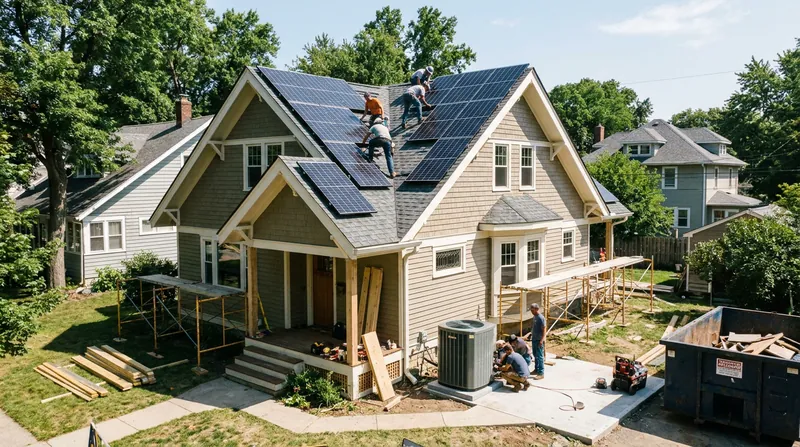
DOE Blocks $8.8 Billion in IRA Rebates for Switching from Fossil Fuels to Electric Heat Pumps
2 sources
Thermostat Strategies
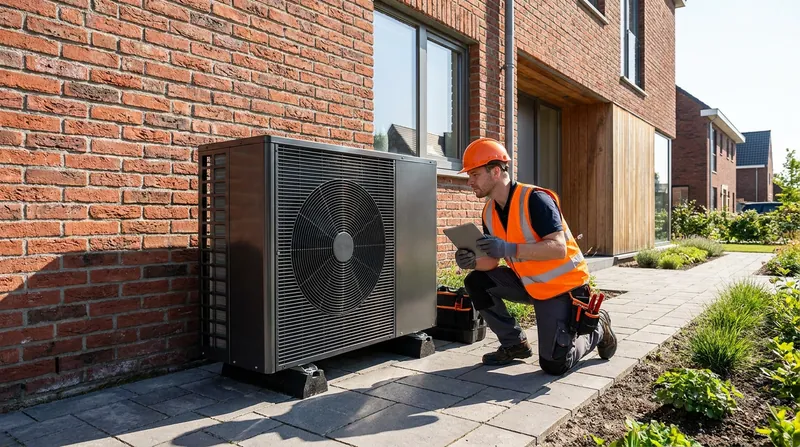
The 1% Per Degree Rule: How Thermostat Setbacks Translate to Actual Heating Energy Savings
8 sources
Building Science
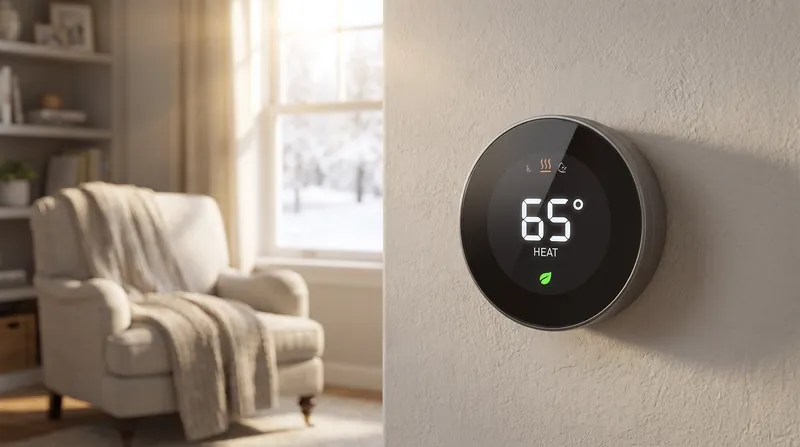
The Mechanics of Enthalpy Cores: Why the 'Cold Climate' Rule for HRVs and ERVs is Failing Modern Homes
4 sources
Building Science
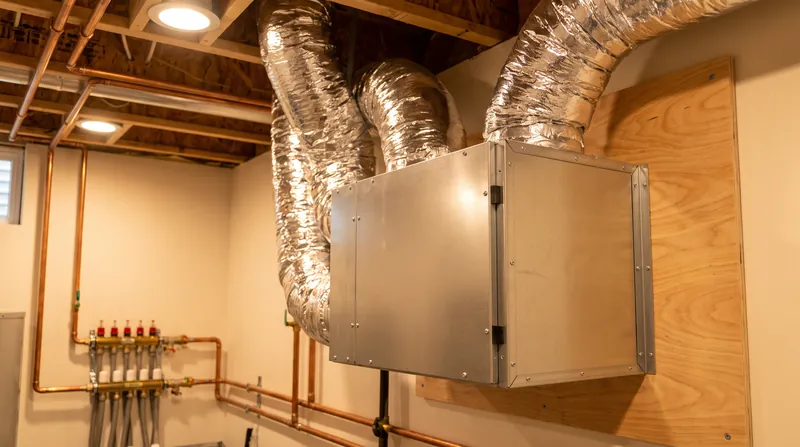
Air Changes Per Hour (ACH50): How the Blower Door Test Quantifies Home Air Tightness and Predicts Energy Savings
7 sources

Comments
Every angle. Every day.
Get Home stories with full source coverage and perspective breakdowns, free every day.