
Trump Announces Immediate Russia-Ukraine Energy Ceasefire Without Formal Agreement From Kyiv or Moscow
U.S. President Donald Trump has declared an immediate "energy ceasefire" between Russia and Ukraine, claiming both sides have agreed to halt attacks on energy infrastructure. However, Ukrainian President Volodymyr Zelenskyy and Russian officials have not formally confirmed the arrangement, raising questions about the deal's viability.
By Adel Khoury
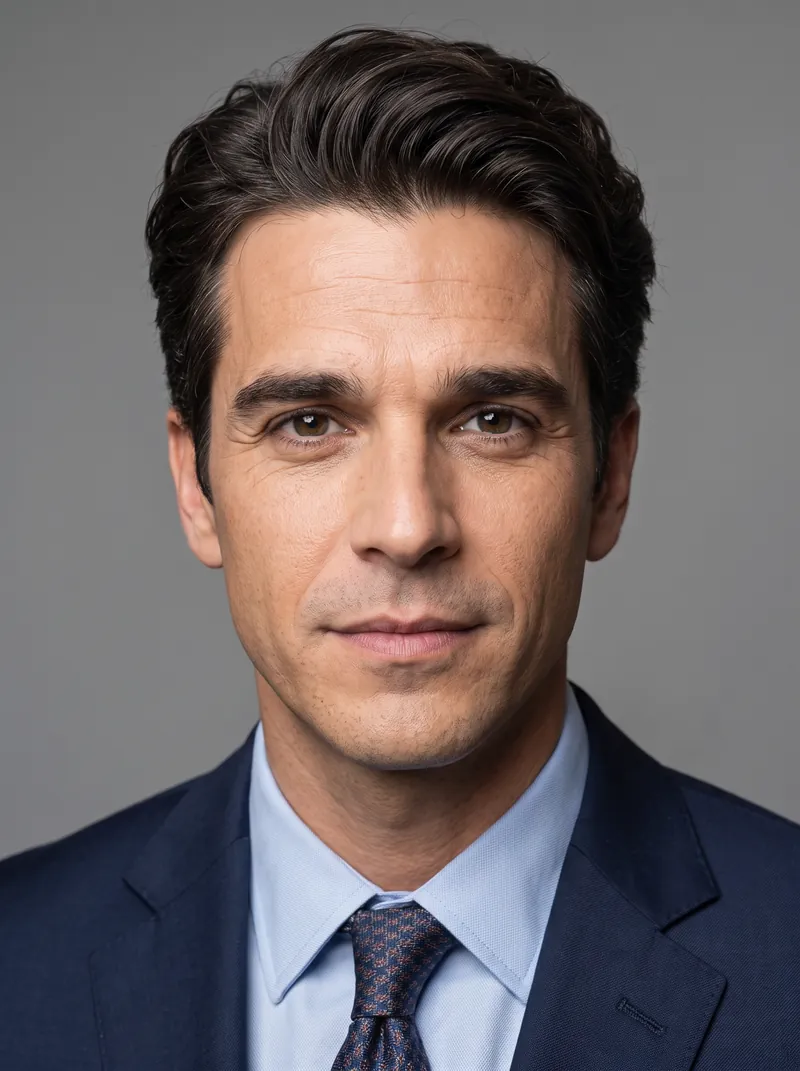
U.S. President Donald Trump has announced an immediate "energy ceasefire" between Russia and Ukraine, asserting that both nations have agreed to stop targeting each other's energy infrastructure. The declaration, made from the White House on Sunday, comes without formal confirmation from either Kyiv or Moscow, leaving the status of the purported agreement unclear.[1][2][3][6]
The announcement follows months of intense Russian strikes on Ukraine's power grid, which have caused widespread blackouts, and retaliatory Ukrainian drone attacks on Russian oil refineries. Trump framed the ceasefire as a critical first step toward a broader diplomatic resolution to the conflict, which has raged since Russia's full-scale invasion in 2022.[4][5][6]
However, the unilateral nature of the announcement has drawn immediate skepticism. Ukrainian President Volodymyr Zelenskyy, who has previously stated that a halt to energy attacks could signal a willingness to end the war's "hot phase," responded to Trump's declaration by calling it "news to me."[1][5]
A Disputed Agreement
Zelenskyy's reaction underscores the disconnect between Washington's assertions and the reality on the ground in Kyiv. The Ukrainian leader has consistently maintained that any ceasefire must be part of a comprehensive peace plan that guarantees Ukraine's sovereignty and territorial integrity.[1][7][8]
Adding to the diplomatic friction, Trump recently called for Zelenskyy's replacement, a move that has further strained relations between the U.S. administration and the Ukrainian government. In response to Trump's suggestion that Ukraine hold elections, Zelenskyy stated he would organize them only if Russia agreed to a 60-day total ceasefire.[2][7][8]
“If there is a 60-day total ceasefire, we can organize elections,” Zelenskyy told ABC News, setting a high bar for any political transition while Russian forces remain on Ukrainian soil. This condition highlights the immense logistical and security challenges of holding a national vote during an active conflict.[7][8]
Moscow's Silence
In Moscow, officials have remained largely silent on Trump's announcement. The Kremlin has previously indicated that it would only consider a ceasefire on its own terms, which include international recognition of its annexed territories in eastern and southern Ukraine.[5]
The lack of confirmation from Russia raises questions about whether the "energy ceasefire" is a negotiated reality or a unilateral U.S. proposal being presented as a done deal. Without a formal mechanism for monitoring and enforcement, any halt in attacks relies entirely on the voluntary compliance of both militaries.[3][4][6]
The stakes for Ukraine's energy sector are immense. As winter approaches, the country faces the prospect of severe heating and electricity shortages if Russian strikes on power plants and substations continue. An effective ceasefire would provide crucial breathing room to repair damaged infrastructure.[4][5]
Economic and Strategic Stakes
Conversely, Russia has sought to protect its vital oil and gas industry from Ukrainian drone strikes, which have disrupted refining capacity and impacted domestic fuel supplies. A mutual halt to these attacks would benefit both nations economically, even as the broader war continues.[5]
The U.S. administration's push for an energy ceasefire appears to be part of a larger strategy to de-escalate the conflict and force both sides to the negotiating table. However, the apparent lack of coordination with Kyiv and Moscow suggests that significant diplomatic hurdles remain.[2][3][6]
As the situation develops, the international community will be watching closely to see if the declared ceasefire materializes on the battlefield or if it remains a political statement without practical effect. The coming days will test the influence of the U.S. administration over the trajectory of the war.[1][4][6]
Viewpoints in depth
U.S. Administration's View
The U.S. sees the ceasefire as a crucial first step to force negotiations and de-escalate the conflict.
The U.S. administration, led by President Trump, is pushing for an immediate halt to attacks on energy infrastructure as a pragmatic way to reduce the war's intensity. By unilaterally declaring the ceasefire, the administration appears to be attempting to force the hands of both Kyiv and Moscow, creating public pressure to comply. This approach aligns with Trump's broader strategy of seeking quick diplomatic wins, even if it means bypassing traditional negotiation channels and risking friction with allies like Ukraine.
Ukraine's View
Kyiv views the unilateral announcement with deep skepticism, demanding comprehensive security guarantees.
For the Ukrainian government, the announcement of an "energy ceasefire" without their formal participation is highly problematic. President Zelenskyy's reaction underscores a fundamental distrust of agreements that are not backed by enforceable mechanisms and broader security guarantees. Ukraine fears that a partial ceasefire could simply give Russian forces time to regroup and rebuild their offensive capabilities. Furthermore, Trump's concurrent call for Ukrainian elections adds political pressure, which Zelenskyy has countered by demanding a 60-day total ceasefire, highlighting the impossibility of holding a vote under current conditions.
Russia's View
Moscow remains officially silent, historically insisting on its own terms for any cessation of hostilities.
The Kremlin's lack of immediate confirmation regarding the "energy ceasefire" reflects its traditional approach to negotiations, where it rarely accepts terms dictated externally without securing significant concessions. While a halt to Ukrainian drone strikes on its oil refineries would be economically beneficial, Russia has consistently used attacks on Ukraine's power grid as a primary tool of leverage. Moscow is likely weighing the tactical advantages of a pause against its broader strategic goal of forcing Ukraine into a settlement that recognizes Russian territorial gains.
Key points
- President Trump announced an immediate "energy ceasefire" between Russia and Ukraine to halt attacks on infrastructure.
- Ukrainian President Zelenskyy stated the agreement was "news to me," highlighting a lack of formal coordination.
- Zelenskyy countered Trump's call for Ukrainian elections by demanding a 60-day total ceasefire first.
- The Kremlin has not officially confirmed the ceasefire, leaving the status of the agreement uncertain.
What we don’t know
- Whether Russian and Ukrainian military forces have actually received orders to halt attacks on energy infrastructure.
- What specific mechanisms, if any, the U.S. intends to use to monitor or enforce the declared ceasefire.
- How the Kremlin will officially respond to Trump's unilateral announcement.
- Whether the U.S. administration will apply further pressure on Ukraine to hold elections despite the ongoing conflict.
How we got here
2022
Russia launches a full-scale invasion of Ukraine, initiating a protracted conflict.
Late 2023 - Early 2024
Russia intensifies strikes on Ukraine's power grid, while Ukraine targets Russian oil refineries with drones.
October 2026
The U.S. proposes a three-part diplomatic framework, including an energy ceasefire.
October 11, 2026
President Trump unilaterally announces an immediate "energy ceasefire" without formal agreement from Kyiv or Moscow.
- Ukrainian Government
- Views the unilateral announcement with skepticism, demanding comprehensive peace guarantees and a 60-day total ceasefire before considering political transitions.
- U.S. Administration
- Frames the ceasefire as a necessary first step toward de-escalation and a broader diplomatic resolution.
- Russian Government
- Maintains silence on the specific announcement while historically insisting on its own terms for any cessation of hostilities.
Perspectives this story doesn't cover
- European Union officials
- Energy market analysts
- Ukrainian civilians affected by blackouts
Sources
Source coverage
8 outlets
3 viewpoints surfaced








- [1]The GuardianUkrainian Government
Trump announces partial ceasefire in Ukraine war as Zelenskyy says deal is 'news to me'
Read on The Guardian → - [2]CBS NewsU.S. Administration
Trump announces Russia-Ukraine "energy ceasefire" after calling for Zelenskyy's replacement
Read on CBS News → - [3]AxiosU.S. Administration
Trump claims Russia and Ukraine agree to energy ceasefire
Read on Axios → - [4]Al JazeeraRussian Government
Trump says Ukraine, Russia agree to 'energy ceasefire'
Read on Al Jazeera → - [5]The Moscow TimesRussian Government
Trump Says Russia and Ukraine Reached 'Energy Ceasefire'
Read on The Moscow Times → - [6]Washington ExaminerU.S. Administration
Trump announces immediate 'energy ceasefire' between Russia and Ukraine
Read on Washington Examiner → - [7]Channel NewsAsiaUkrainian Government
Ukraine's Zelenskyy tells ABC he will organise elections if Russia agrees to 60-day ceasefire
Read on Channel NewsAsia → - [8]Hindustan TimesUkrainian Government
‘60 days of total ceasefire’: Zelensky places condition after Trump calls for Ukraine elections
Read on Hindustan Times →
More in News & Politics
See all →International Law
South African Jurist Navi Pillay Wins 2026 Nobel Peace Prize for Advancing International Law
6 sources
Parliamentary Mechanics
How Confidence-and-Supply Agreements Keep Minority Governments in Power
3 sources

Coalition Withdrawal
Iraq Announces End of US-Led Military Coalition at UN General Assembly
6 sources
CBO Scoring
The 'Dynamic Scoring' vs. 'Static Scoring' Trade-Off: How the CBO Estimates the Fiscal Impact of Legislation
8 sources
Comments
Every angle. Every day.
Get News & Politics stories with full source coverage and perspective breakdowns, free every day.